The rights to reconstructKisho Kurokawa's iconic Nakagin Capsule Tower are currently sold on one of the largest NFT sites. While the tower’s demolition has begun earlier this year, the auction sells the right to rebuild the structure, in both the metaverse and in real space. The idea of recreating the Metabolic building in a virtual space seems natural. It could allow a larger community to explore an iconic piece of architecture and encourage them to experiment with it, an initiative in line with Metabolist ideals. On the other hand, the idea of reconstructing a demolished historical building in the physical world raises a different set of conflicting emotions. Architectural replicas are not the norm, but their existence raises questions regarding the identity and authenticity of works of architecture.
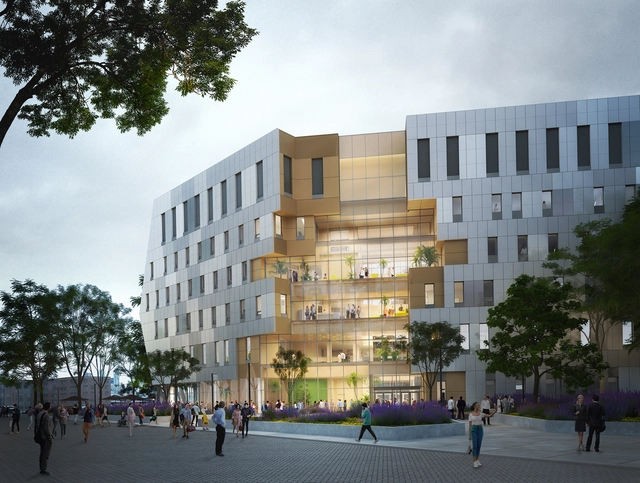
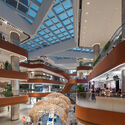
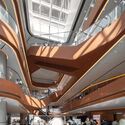
Diamond Schmitt and MVRDV have unveiled the design for a new building for the Scarborough Academy of Medicine and Integrated Health (SAMIH) at the University of Toronto’s Scarborough Campus. The new addition, featuring laboratory spaces, classrooms, and offices, aims to function as a communal and gathering space for the community. The functions are distributed around a five-story atrium that opens toward the exterior on both sides of the building and establishes a destination point within the pedestrian flows of the campus. Solar panels integrated into the façade help power the building, while the warm finishes of the interior contribute to creating a welcoming atmosphere.
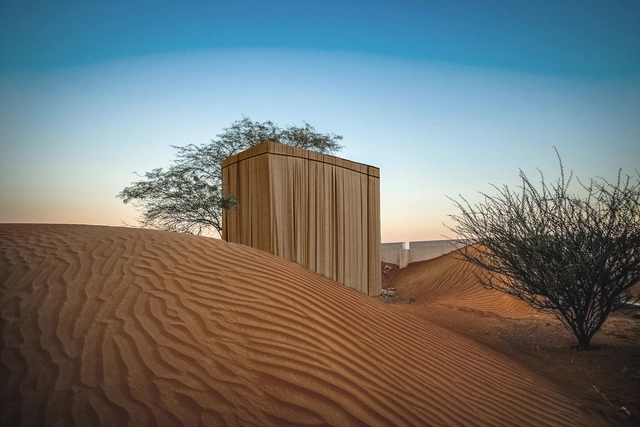
Last week in Cairo, CulturVator – Art D’Egypte launched its third edition of the annual international exhibition “Forever is Now.” Set by the backdrop of the Great Pyramids of Giza, the display features the work of 14 international artists. In essence, the exhibition “underscores the significance of cultural exchange among artists at the core of history and ancient Egyptian civilization.”
The third installment "Forever Is Now," running from October 26th to November 18th, presents a diverse ensemble of artists hailing from various corners of the globe. Among them are Egyptian artist Mohamed Banawy and Saudi Arabian talent Rashed Al Shashai, as well as American visual artist Carol A. Feuerman and Belgian creative Arne Quinze. Collectively, these artists have come together to creatively interact with one of the world's most iconic historical sites, crafting immersive visual narratives that seamlessly fuse contemporary elements with the past, weaving tales of the land and its inhabitants.
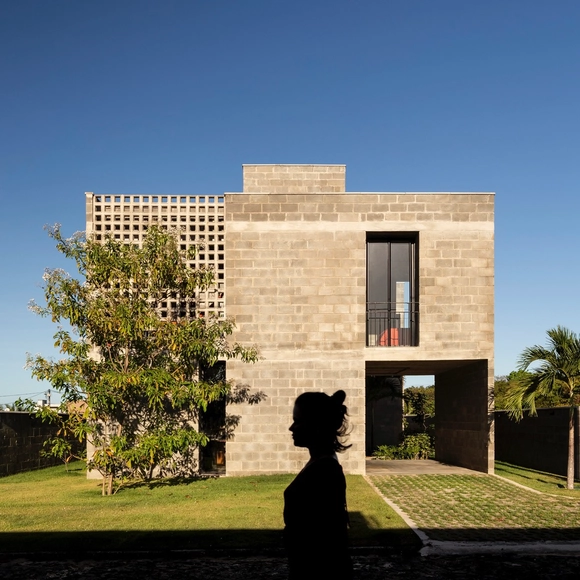
The term "rede" in Portuguese traditionally conveys the idea of an interweaving of wires. In a contemporary context, it takes on a broader meaning related to connection, collaboration, and integration, whether among ideas, people, or processes. Not coincidentally, these are the core principles of Rede Arquitetos, a collaborative architecture studio founded in 2011 in Fortaleza, Ceará, by architects Bruno Perdigão, Epifanio Almeida, Igor Ribeiro, and Bruno Braga. Presently, the team is led by Braga, Luiz Cattony, and João Torquato, with their main approach emphasizing collective work and valuing encounters over the domination of ideas as a strategy for achieving the best solutions.
The terms resiliency and sustainability, although similar in meaning, refer to different design approaches in the context of architecture and cities. Sustainability involves the preservation of natural resources to uphold ecological equilibrium, while resiliency entails the ability to rebound, adapt, and persist in moments of adversity. These concepts greatly influence and complement each other, especially in cases of designing disaster-resilient buildings. Conventional design processes relating to resilient infrastructure have been based on principles of structural robustness and integrity as a measure against anticipated natural disasters. However, sustainable resiliency points at the opportunity of reinforcing buildings by embedding them in biological and ecological systems.
Amid our ongoing battle against climate change, the need for authentic decarbonization strategies has never been more urgent. Professions, companies, and organizations worldwide face mounting pressure to integrate sustainable practices into their operations, particularly in response to recent climate challenges. The realm of architecture and urban planning is no exception. Phrases such as "sustainable architecture" and "green architecture" have gained widespread popularity, accompanied by various certifications, products, and advertising, all promising transformative advancements in the field that should align with our global aspirations for a sustainable future.
However, amidst this growing environmental awareness, another phenomenon has emerged: greenwashing. It refers to practices adopted by various sectors, especially those related to marketing strategies that present initiatives that convey a false impression or provide misleading information about how a company's products or projects are more environmentally friendly than they are when analyzed from a more critical and careful perspective.
In the dynamic landscape of contemporary urban development, public architecture is an essential force in reshaping cities. In fact, this element of urban regeneration can revitalize economies and reactivate surrounding commercial schemes. In this transformative era, cities across China have evolved into financial hubs, attracting world-renowned firms and architects who are redefining these skylines. In turn, these metropolises become embodiments of future innovation and lifestyle.
China's cities have become centers of modernity as a result of its explosive prominence in the world economy. These cities have become magnets for architectural marvels that go beyond simple functionality, from Shanghai's ceaseless reinvention to Beijing's cultural renaissance and Shenzhen's undeniable emergence as a global center in technology, research, manufacturing, business, economics, finance, tourism, and transportation, complete with the Port of Shenzhen, the world's fourth busiest container port. Overall, these cities are a crucial gateway in understanding the developing dynamics in metropolitan environments.
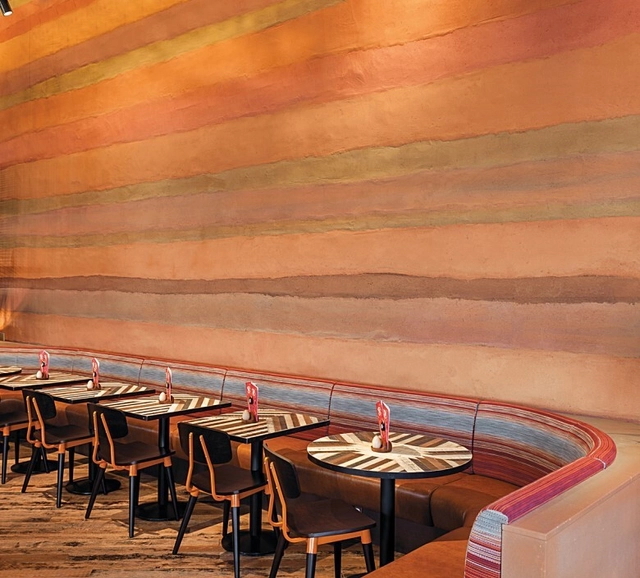
Rammed earth is one of the oldest methods of constructing walls and still holds great potential for modern earth construction. One aspect of this potential is the gift of its colors and layers, which become visible as the formworks are removed, revealing a layered character. As a process that involves the layer-by-layer compression of gravel, sand, silt, and clay, its resulting appearance is a horizontal stratification of earth tones, material content, and curing procedures. This colorful appearance of rammed earth walls can be controlled and explored through patterns, texture, pigmentation, and natural clay colors, offering an opportunity to push its boundaries within architecture.
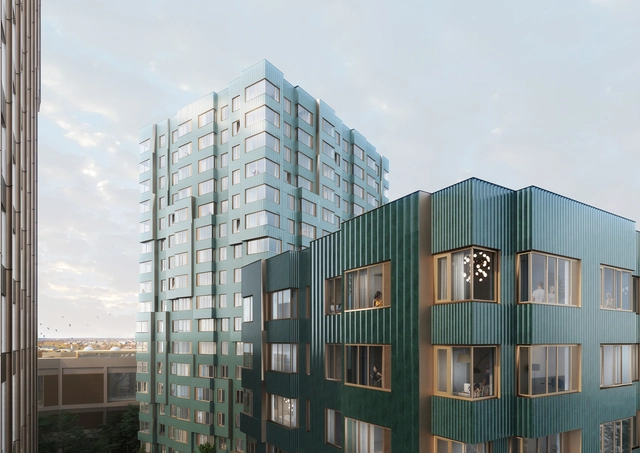
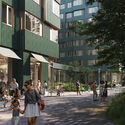
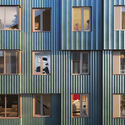
MVRDV has revealed the design of a new residential complex located in the Enterprise Research Campus in the Allston neighborhood of Boston, Massachusetts, a site adjacent to the Harvard Business School. The development, already under construction, features 343 apartments with a quarter of them dedicated to affordable units. It also includes amenities for the residents and retail spaces for small local businesses, aiming to create an inclusive and enjoyable space within the new urban district.
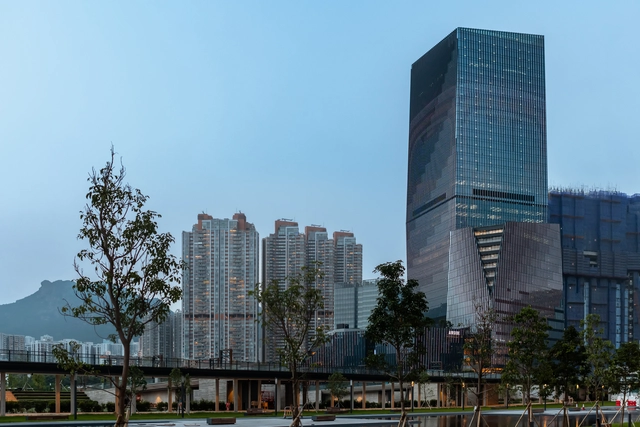
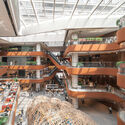
Built on a former airport site in Hong Kong, Snøhetta Asia has unveiled its latest project in Hong Kong, Airside. This mixed-use landmark was actually Snøhetta’s first project in the country and serves as a central hub in a redeveloped business district. The project boasts ample public areas and gardens, including outdoor plazas and rooftop gardens that may be used for events, dining, urban farming, and leisure. As the first project in Hong Kong to obtain five of the highest green building certifications, this development integrates several sustainable practices.
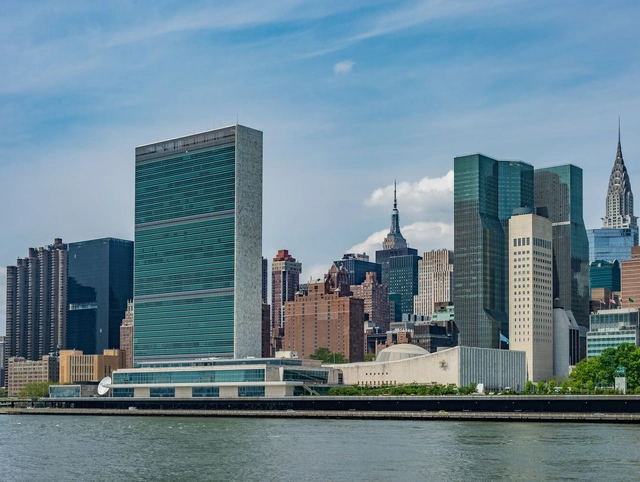
UN Headquarters in New York. Photo by the blowup, via Unsplash
In 1945, the declaration of the end of World War II brought a wave of euphoria to the streets, and optimism permeated the atmosphere with the promise of brighter days. Inspired by this newfound hope, the United Nations Organization (UN) was established in the same year. The vibrant city of New York was chosen as the headquarters location, and an international team of carefully selected and invited architects was tasked with conceiving the project.
For this ambitious and truly international project, eleven renowned architects were brought together from various corners of the world. These architects, often known for their inflated egos, a common trait in their profession, were accustomed to exercising full control over their architectural designs and even their respective countries. They had to coexist in the same space and collaborate on a single project. The successful collaboration on this project would be a compelling demonstration of the possibility of achieving world peace.
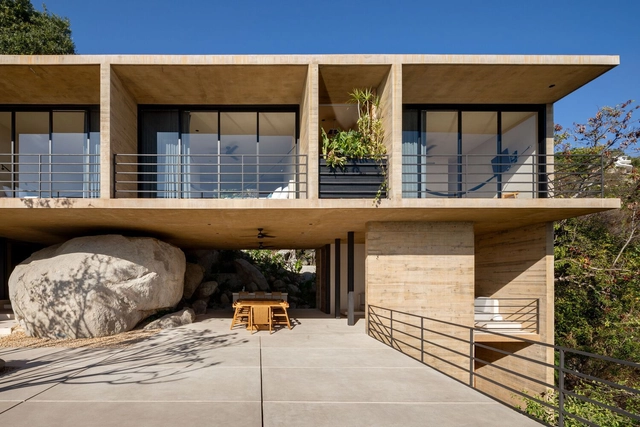
The Royal Academy has named Mexican architect Gabriela Carrillo as the overall winner of the Royal Academy's Dorfman Prize 2023, an award that rewards architecture from around the world, looking towards the future of architecture and architectural practice. Taller Gabriela Carrillo was selected in recognition of the clarity and precision of her work.
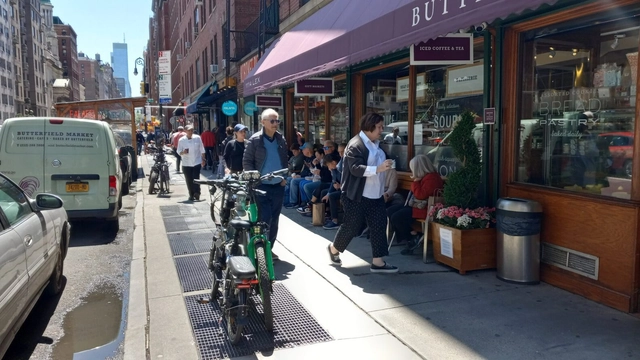
It has been a bull market for downbeat urban reporting since the pandemic arrived in town. And it isn’t hard to see why. In 2020, central U.S. cities went from “comeback” success stories to ghost towns; transit lost nearly all ridership; tens of thousands of stores and restaurants shuttered; and many of the affluent decamped to the suburbs and distant Zoom towns.
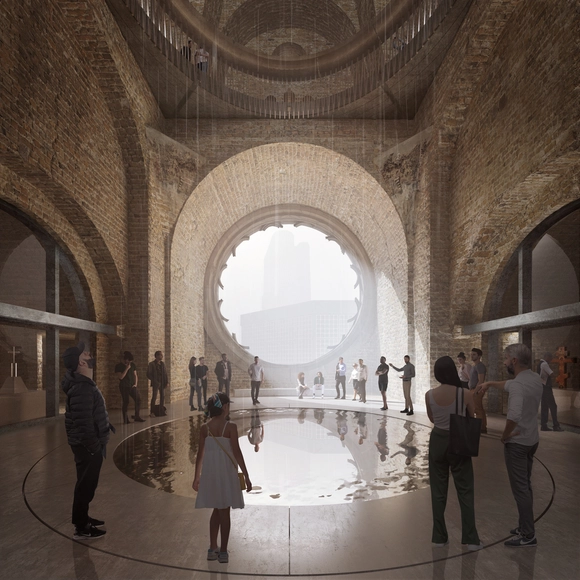
The design by heneghan peng architects, Dublin, with Ralph Appelbaum Associates, Berlin, was awarded 1st prize in the international competition for the replanning and expansion of the Old Tower of the Kaiser Wilhelm Memorial Church. The competition’s purpose was to redesign the original West Tower, which was partially destroyed during a bombing by the Allied Forces in 1943, and return it to the tourist circuit as a war memorial and exhibition space.
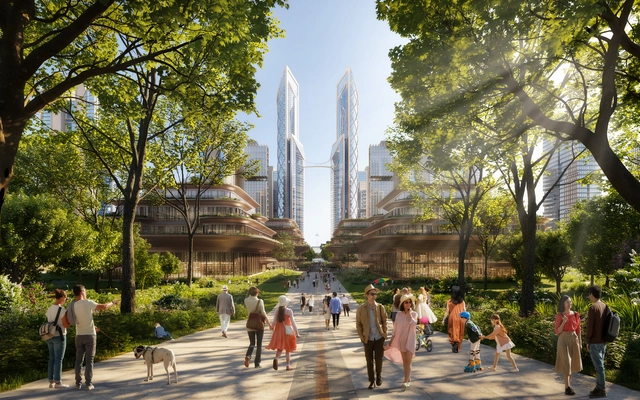
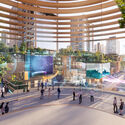
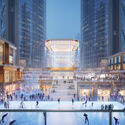
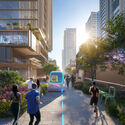
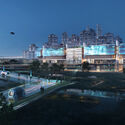
Foster + Partners has been selected as the winner of an international competition to design a new center for Hangzhou, the capital of China's Zhejiang province. The master plan envisions a green and interconnected mixed-use quarter situated in the heart of the Yuhang District. In its essence, the project aims to foster a strong connection between nature and people’s daily lives, creating a sustainable urban quarter.
Home is not just a physical structure defined by its materials and spatial characteristics. It is the result of everyday habits, routines, and fond memories blending into the very essence of the place through its walls, textures, and aromas. This is why a true home cannot be instantly created; it demands time, and a sense of continuity, as it reflects the ongoing adaptation of both the family and the individual within that space.