
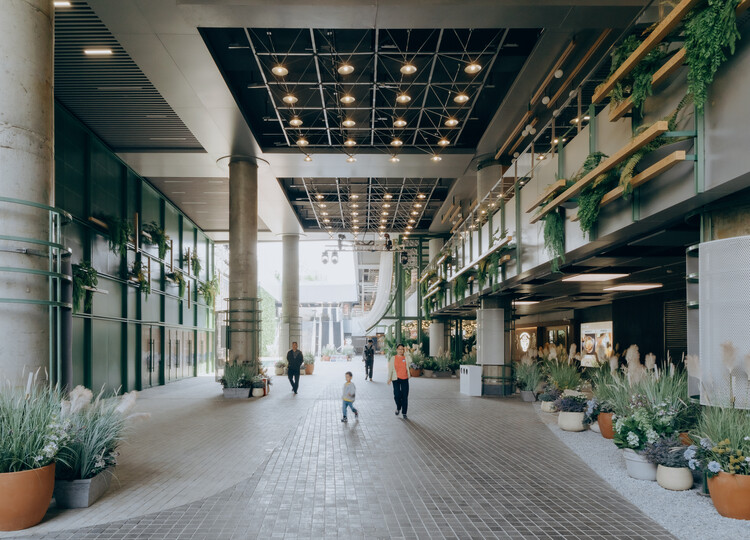
Beijing 1733 ByteDance Commercial Project / XU Studio


https://www.archdaily.com/1186852/beijing-1733-bytedance-commercial-project-xu-studioPilar Caballero
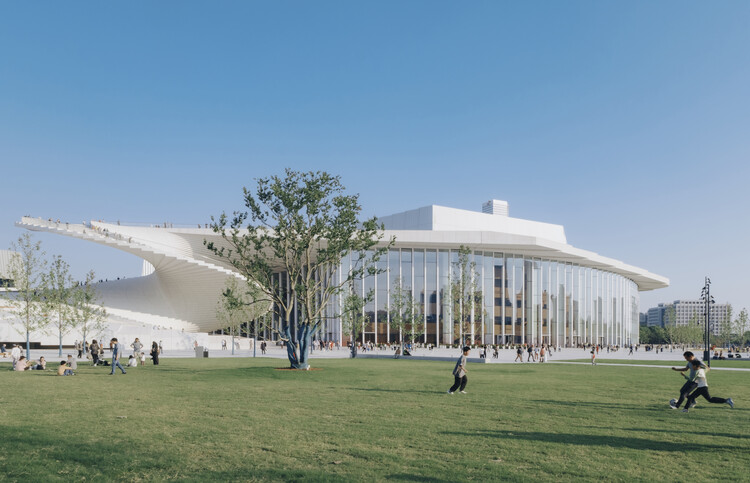
Shanghai Grand Opera House / Snøhetta


https://www.archdaily.com/1186819/shanghai-grand-opera-house-snohettaNina Vuga
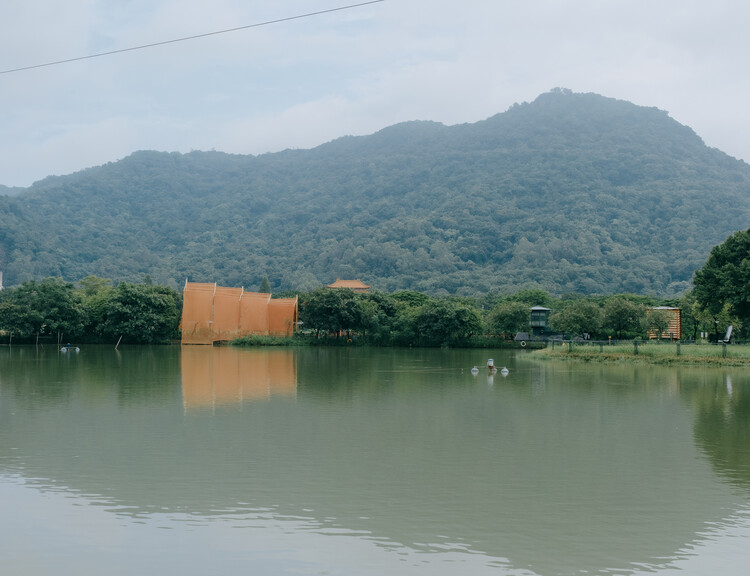
Under the Drying Nets / Multi-Architecture


-
Architects: Multi-Architecture
- Area: 180 m²
- Year: 2026
-
Professionals: iStructure
https://www.archdaily.com/1186023/under-the-drying-nets-multi-architecturePilar Caballero
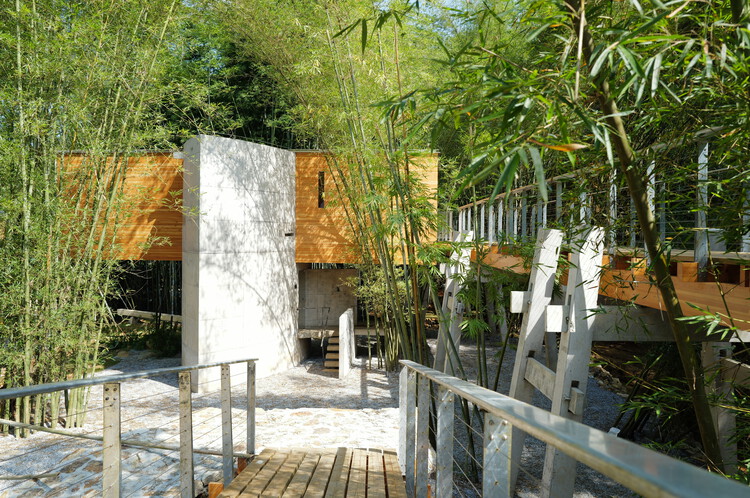
Huizhou Vernacular Historic Bridges Micro-Museum / LUO studio


-
Architects: LUO studio
- Area: 73 m²
- Year: 2025
https://www.archdaily.com/1184712/huizhou-vernacular-historic-bridges-micro-museum-luo-studio韩爽 - HAN Shuang
A Seaside Swing Installation / XBTW OFFICE


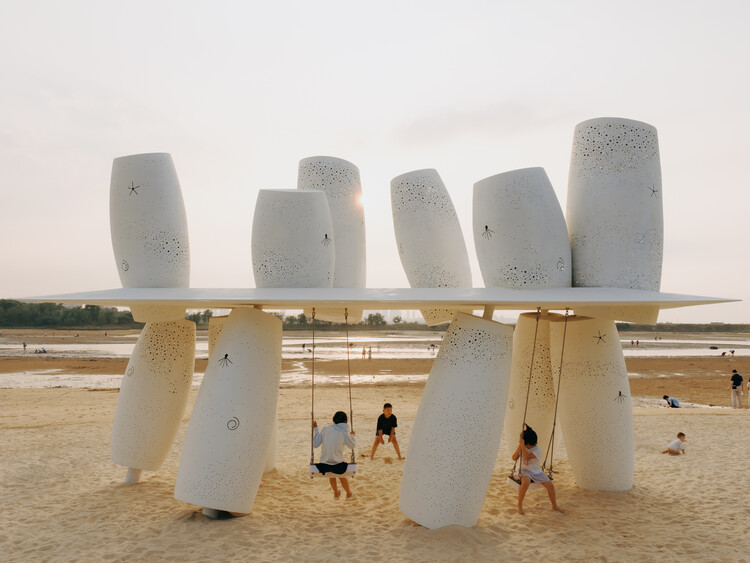
https://www.archdaily.com/1184407/a-seaside-swing-installation-xbtw-office韩爽 - HAN Shuang
West Garden Florist / LUO studio


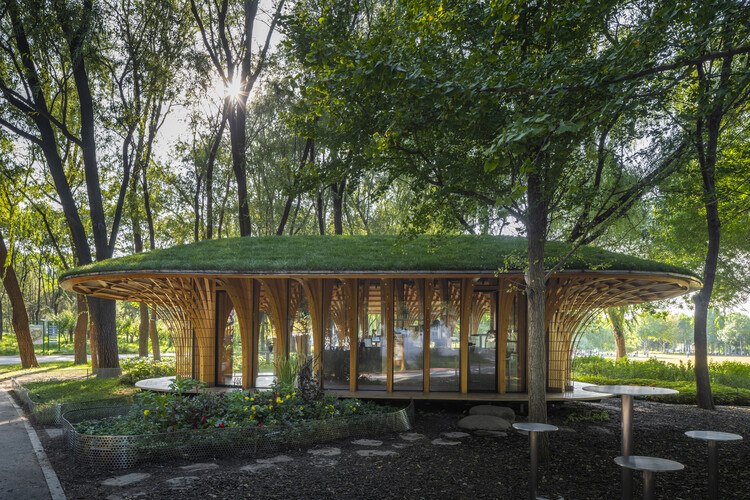
-
Architects: LUO studio
- Area: 84 m²
- Year: 2025
https://www.archdaily.com/1184291/west-garden-florist-luo-studioValeria Silva
Moganshan Liaoyuan Theater / One Design


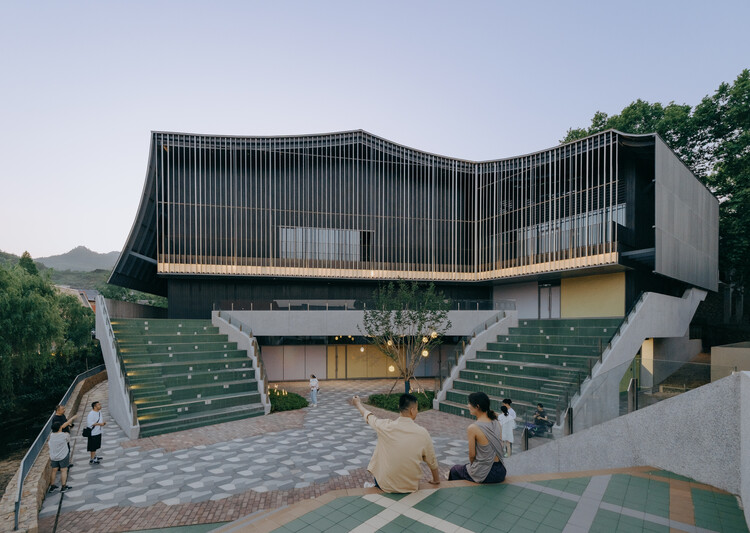
https://www.archdaily.com/1184065/moganshan-liaoyuan-theater-incls-one-design韩爽 - HAN Shuang
House of Rasing the Umbrella / Chaoffice


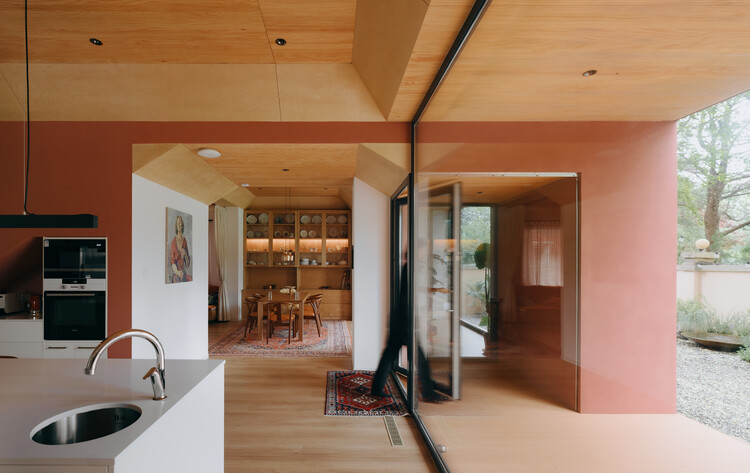
https://www.archdaily.com/1183408/house-of-rasing-the-umbrella-chaoffice韩爽 - HAN Shuang
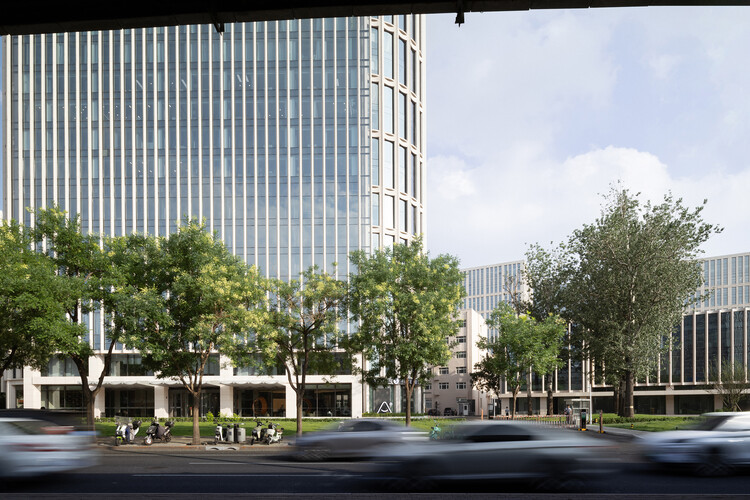
Renovation of BIT International Education Communication Center / YUARCHITECTS


-
Architects: YUARCHITECTS
- Area: 23500 m²
- Year: 2025
-
Manufacturers: Beijing Heping Aluminium, DongSheng Stone, Tianjin SouthGlass
https://www.archdaily.com/1041668/renovation-of-bit-international-education-communication-center-yuarchitectsValeria Silva
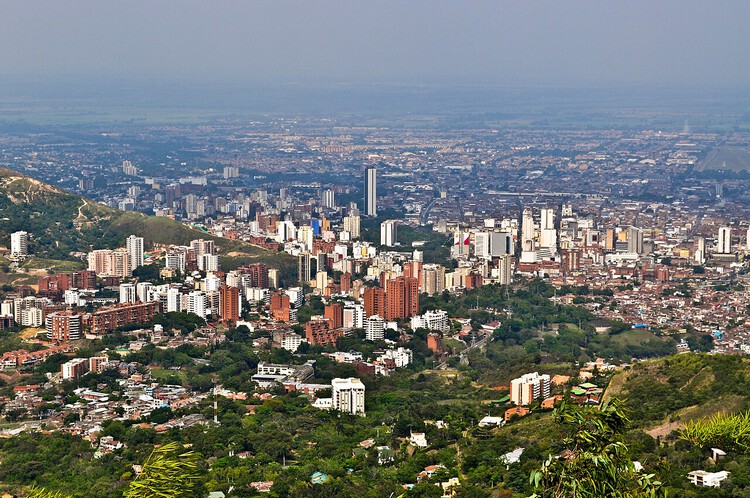
Colombia Earthquake Coverage and Two New Internationally Designed Towers: This Week's Review

This week's news was, for the most part, about phenomena of large spatial and social scale. In Latin America, rescue efforts continue following the magnitude 7.4 earthquake in Colombia, while the discipline prepares efforts for assistance and reconstruction. UNESCO marked two international days dedicated to the world's indigenous peoples and to youth. On the first, we highlight reflections, case studies and interviews on ancestral constructive knowledge, while on the second we draw attention to how architecture can respond to the aspirations of new generations. Looking ahead, we highlight three projects in Vlorë, Chicago and Qiddiya City: two towers designed by OODA and SOM, and a vegetation-covered tennis center presented by Populous.


https://www.archdaily.com/1183225/colombia-earthquake-coverage-and-two-new-internationally-designed-towers-this-weeks-reviewAntonia Piñeiro
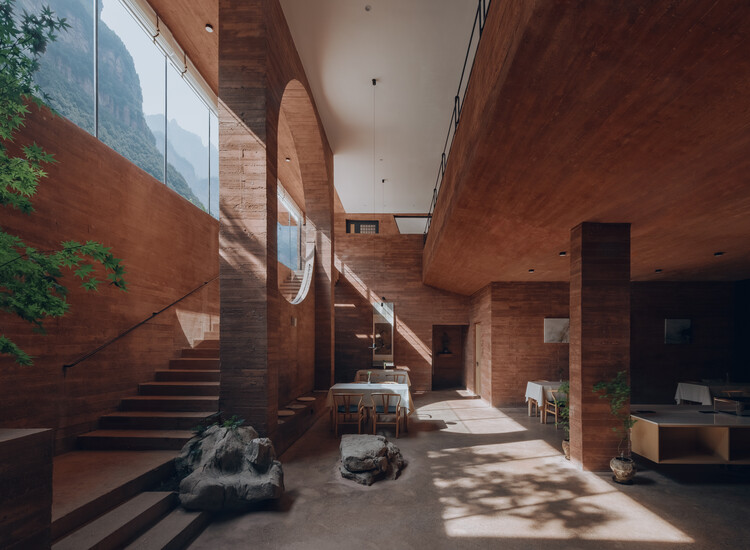
House WoQuanShanFang / Yinyuan Studio


-
Architects: Yinyuan Studio
- Area: 1395 m²
- Year: 2026
-
Professionals: Guo Family, Yinyuan Studio
https://www.archdaily.com/1182505/house-woquanshanfang-yinyuan-studioAndreas Luco
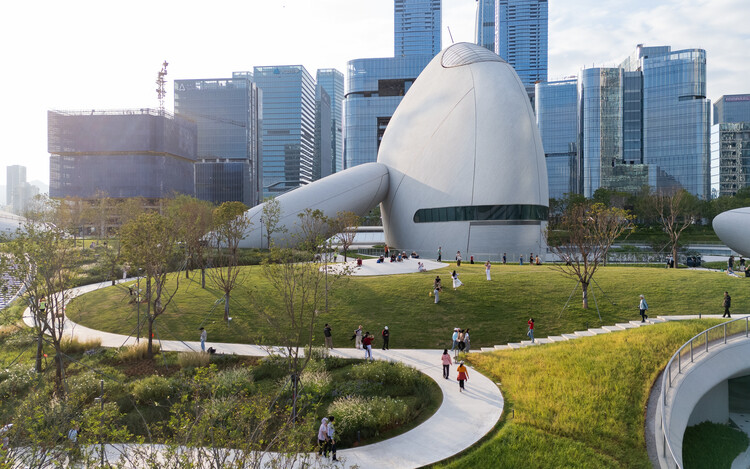
Shenzhen Bay Culture Square / MAD Architects


-
Architects: MAD Architects
- Area: 188000 m²
- Year: 2026
https://www.archdaily.com/1182220/shenzhen-bay-culture-square-mad-architects韩爽 - HAN Shuang
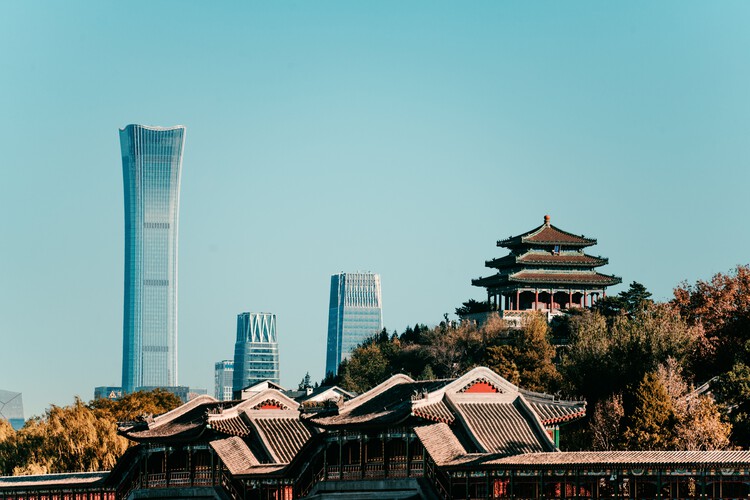
Beijing Named World Capital of Architecture 2029 by UNESCO-UIA

UNESCO-UIA World Capital of Architecture is a title created jointly by UNESCO and the International Union of Architects (UIA). On 5 August 2026, Beijing was named World Capital of Architecture for 2029, a title awarded every three years to a city that hosts a year of architecture-focused programming timed to coincide with the UIA World Congress of Architects. The designation was made upon the recommendation of the Joint Committee for the World Capital of Architecture, chaired by architect Dominique Perrault. It follows the recent conclusion of the UIA World Congress of Architects 2026 in Barcelona, current World Capital of Architecture, and builds on the experience of Rio de Janeiro and Copenhagen.


https://www.archdaily.com/1182356/beijing-named-world-capital-of-architecture-2029-by-unesco-uiaAntonia Piñeiro
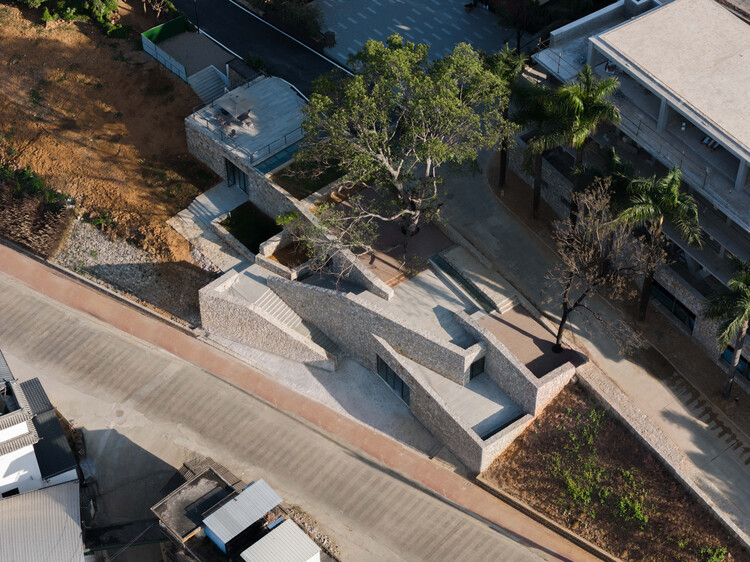
Bawan Village Visitor Center / TAO (Trace Architecture Office)


-
Architects: TAO (Trace Architecture Office)
- Area: 244 m²
- Year: 2026
https://www.archdaily.com/1042977/bawan-village-visitor-center-tao-trace-architecture-officeAndreas Luco


The Architecture of Mold: What Buildings Cannot Control

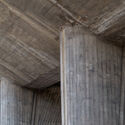
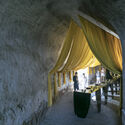
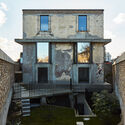
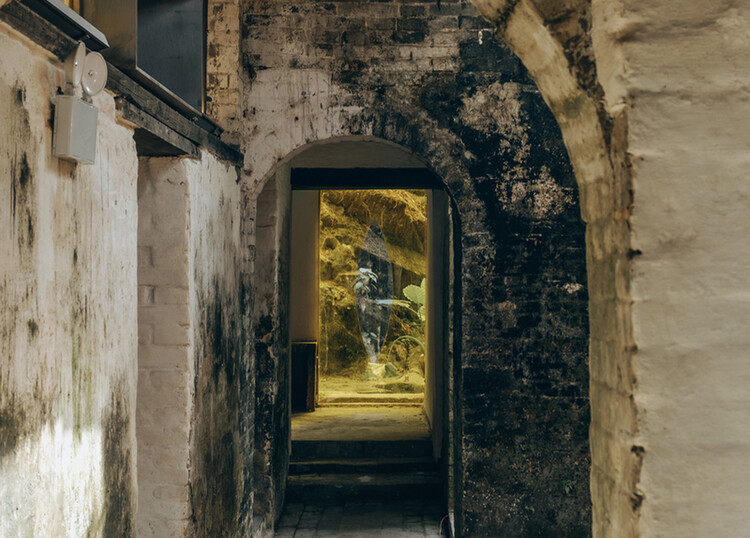
Contemporary architecture has learned to celebrate living matter. Mycelium panels, algae systems, living walls, life is now welcomed into buildings, framed as innovation. Yet the same discipline that celebrates these organisms treats mold as contamination. Both are biological. Both respond to moisture, temperature, and material conditions. The difference is not scientific. It is about which forms of life architecture is willing to accept, and which it prefers to remove.
Mold is not limited to abandoned buildings or poorly maintained interiors. It appears in homes, schools, offices, historic structures, and new construction, across different climates and contexts. This makes it harder to ignore as a minor or isolated problem. If mold keeps returning, what is it telling us about the environments buildings create?
https://www.archdaily.com/1042388/the-architecture-of-mold-what-buildings-cannot-controlDaniela Andino
Beijing Foresky Community Center / PLAT ASIA


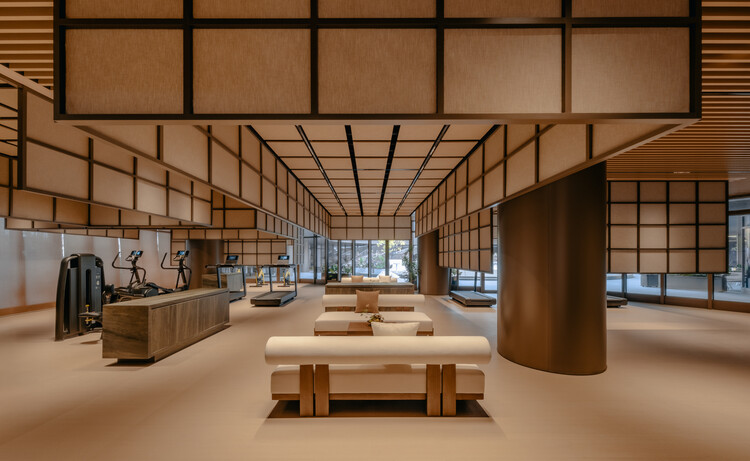
https://www.archdaily.com/1042395/beijing-foresky-community-center-plat-asia韩爽
Mount Bazaar / People’s Architecture Office


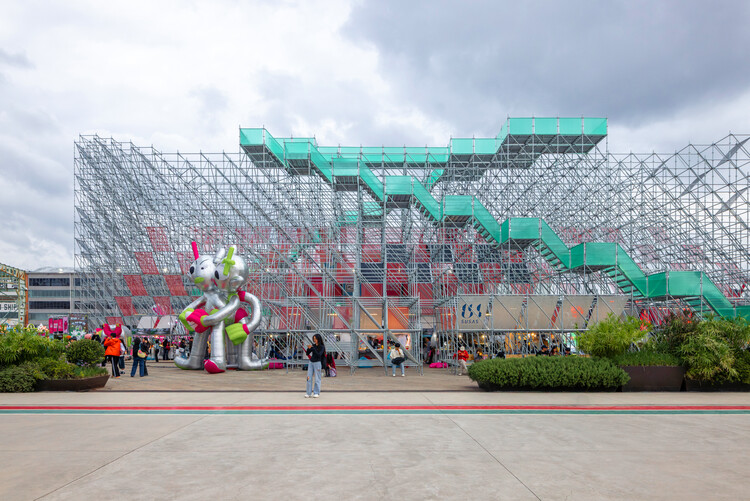
-
Architects: People’s Architecture Office
- Area: 470 m²
- Year: 2025
https://www.archdaily.com/1042317/mount-bazaar-peoples-architecture-office韩爽