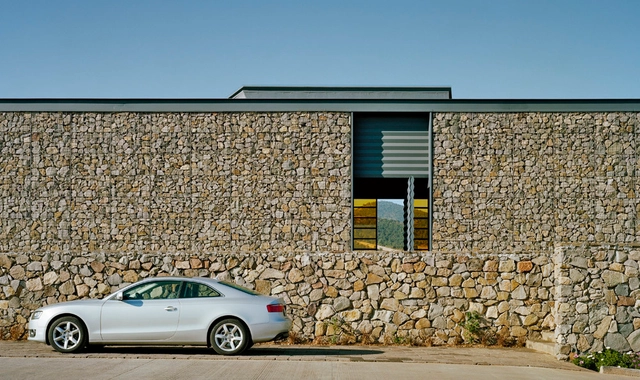
Widely used in infrastructure, gabion walls are structures made of mesh metal cages filled with stones. These permeable walls use galvanized steel wire to withstand outdoor conditions.
Widely used in infrastructure, gabion walls are structures made of mesh metal cages filled with stones. These permeable walls use galvanized steel wire to withstand outdoor conditions.
_Dean_Kaufman.jpg?1477582154&format=webp&width=640&height=580)
Founded in 1995 by architects Kazuyo Sejima (born 29 October 1956) and Ryue Nishizawa (born 7 February 1966), SANAA is world-renowned for its white, light buildings grounded in the architects’ Japanese cultural origins. Despite the white exteriors, their architecture is far from modernist; the constant incorporation of ambiguity and doubt in SANAA’s buildings is refreshing and playful, taking the reflective properties of glass and brightness of white to a new level.
JULIEN_LANOO_74_BD.jpg?1571416721&format=webp&width=640&height=580)
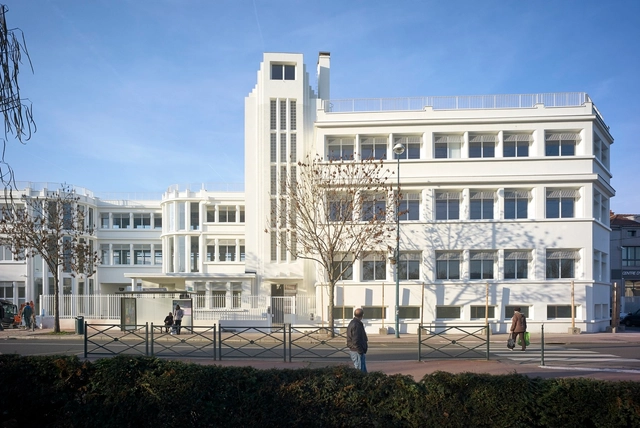
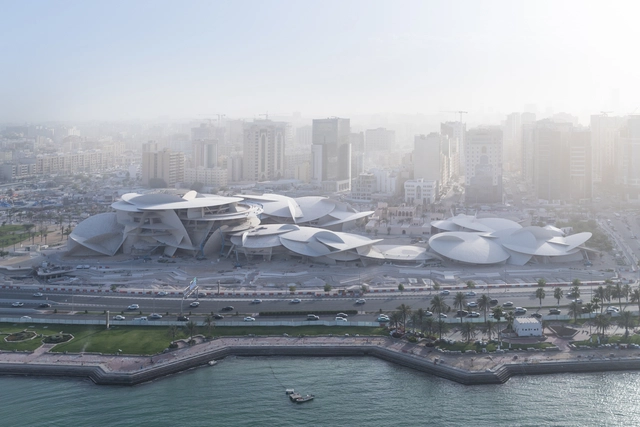
The winner of the Wolf Prize in 2005 and the Pritzker of 2008, French architect Jean Nouvel has attempted to design each of his projects without any preconceived notions. The result is a variety of projects that, while strikingly different, always demonstrate a delicate play with light and shadow as well as a harmonious balance with their surroundings. It was this diverse approach that led the Pritzker Prize Jury in their citation to characterize Nouvel as primarily "courageous" in his "pursuit of new ideas and his challenge of accepted norms in order to stretch the boundaries of the field."
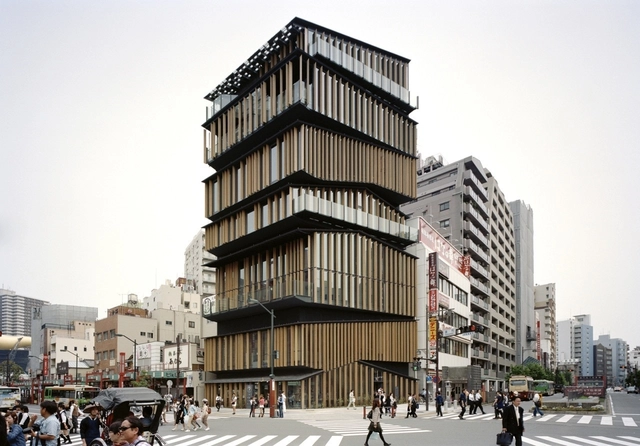
Kengo Kuma (born 8th August, 1956) is one of the most significant Japanese figures in contemporary architecture. His reinterpretation of traditional Japanese architectural elements for the 21st century has involved serious innovation in uses of natural materials, new ways of thinking about light and lightness and architecture that enhances rather than dominates. His buildings don't attempt to fade into the surroundings through simple gestures, as some current Japanese work does, but instead his architecture attempts to manipulate traditional elements into statement-making architecture that still draws links with the area in which it's built. These high-tech remixes of traditional elements and influences have proved popular across Japan and beyond, and his recent works have begun expanding out of Japan to China and the West.
a__samueldelmas_P1080984.jpg?1563487237&format=webp&width=640&height=580)
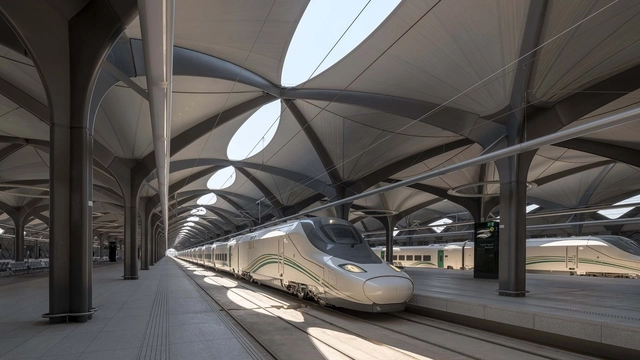
Train stations are usually complex programs since they must not only solve the departure and arrival of trains but also respond to the circulation of its users, provide certain services and be a connecting space between the transport systems of a city. Architects from different parts of the world have developed different solutions to this program. Below you can find 10 examples of train stations, their floor plans and sections.
.jpg?1560830905&format=webp&width=640&height=580)
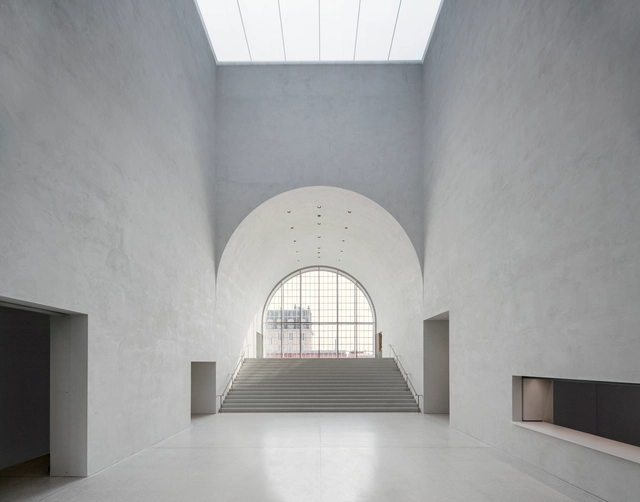
Past, Present, Future is an interview project by Itinerant Office, asking acclaimed architects to share their perspectives on the constantly evolving world of architecture. Each interview is split into three video segments: Past, Present, and Future, in which interviewees discuss their thoughts and experiences of architecture through each of those lenses. The first episode of the project featured 11 architects from Italy and the Netherlands and Episode II is comprised of interviews with 13 architects from Spain, Portugal, France, and Belgium.
The goal of the series is to research these successful firms and attempt to understand their methods and approaches. By hopefully gaining a clearer picture of what it means to be an architect in the 21st century, the videos can also serve as inspiration for the next generation of up-and-coming architects and students as they enter the field.

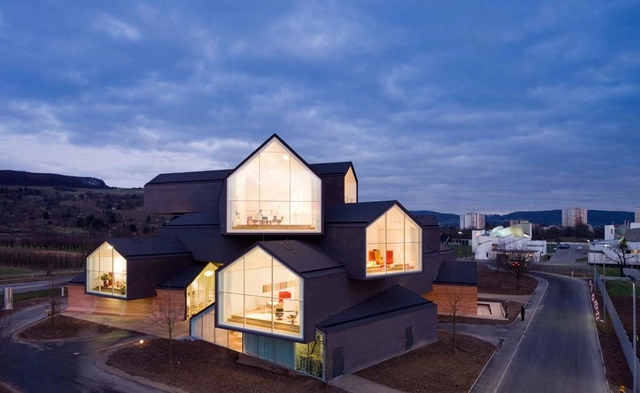
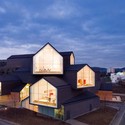
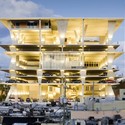
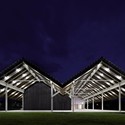
Led by Jacques Herzog (born 19 April 1950) and Pierre de Meuron (born 8 May 1950), most descriptions of Herzog & de Meuron projects are almost paradoxical: in one paragraph they will be praised for their dedication to tradition and vernacular forms, in the next for their thoroughly modern innovation. However, in the hands of Herzog & de Meuron this is no paradox, as the internationally renowned architectural duo combine tradition and innovation in such a way that the two elements actually enhance each other.
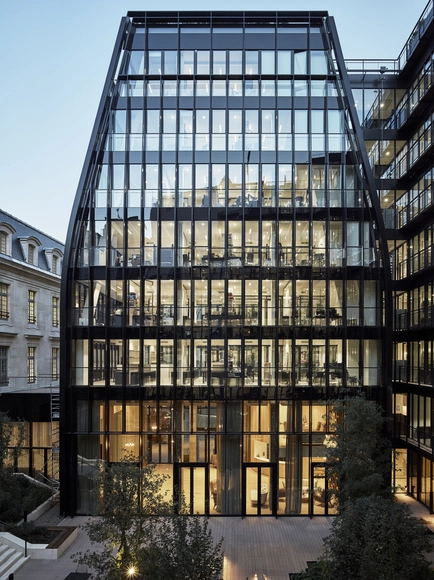
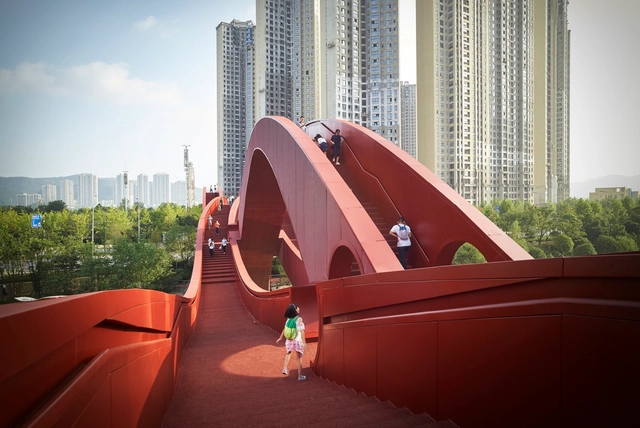
This week, colorful projects are here to steal the show. Few architects have dared to use color in their works, however, when done so the results can be incredible. Here is a selection of 15 images from prominent photographers such as Gregori Civera, Julien Lanoo and Subliminal Image that show us the huge potential of color.

Architecture schools and the students they house have a particularly unique and interesting building-user relationship. Architecture students value the buildings of their school not only for providing the valuable work space necessary for constructing studio projects but also as an example and model of a building in use. As the buildings are the places where students first learn how to read and understand architecture, design schools become full-scale teaching tools that help new designers grasp structure, details, how materials perform and interact, and so many of the other core concepts of architecture. While the scrutiny of students and faculty can be exhaustive, architects have embraced the challenge of creating engaging works of architecture that both suit the specific needs of a school and take on the pedagogical challenge of educating students by example.
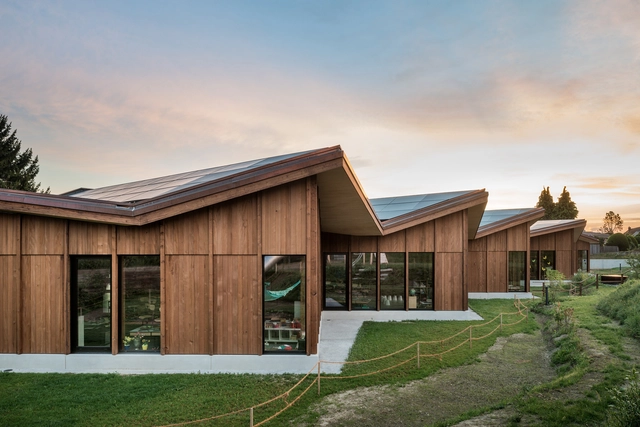
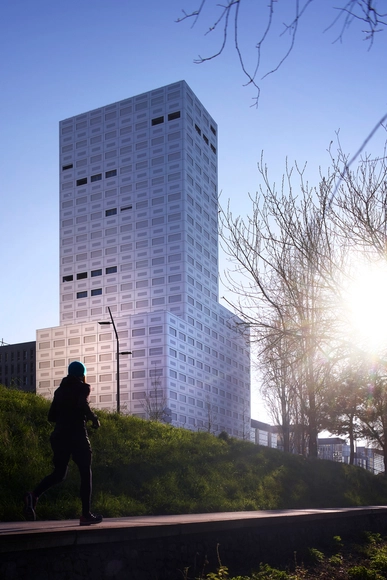


_Dean_Kaufman.jpg?1477582154&format=webp&width=230&height=230&crop=true)


.jpg?1477667050&format=webp&width=230&height=230&crop=true)
_Dean_Kaufman.jpg?1477582154)
JULIEN_LANOO_53_102019_BD.jpg?1571416597&format=webp&width=230&height=230&crop=true)
JULIEN_LANOO_43_BD.jpg?1571416482&format=webp&width=230&height=230&crop=true)
JULIEN_LANOO_46_102019_BD.jpg?1571416539&format=webp&width=230&height=230&crop=true)
JULIEN_LANOO_54_102019_BD.jpg?1571416641&format=webp&width=230&height=230&crop=true)
JULIEN_LANOO_74_BD.jpg?1571416721)


CopyrightsMurrayFredericks.jpg?1439374362&format=webp&width=230&height=230&crop=true)


.jpg?1438982861&format=webp&width=230&height=230&crop=true)
.jpg?1438980816&format=webp&width=230&height=230&crop=true)


Julien_LANOO_20150401_07872_.jpg?1563488702&format=webp&width=230&height=230&crop=true)
Julien_LANOO_20150401_08540.jpg?1563488368&format=webp&width=230&height=230&crop=true)
a__samueldelmas_P1100117.jpg?1563487200&format=webp&width=230&height=230&crop=true)
Julien_LANOO_20150401_07813.jpg?1563489356&format=webp&width=230&height=230&crop=true)
a__samueldelmas_P1080984.jpg?1563487237)


.jpg?1560831655&format=webp&width=230&height=230&crop=true)
.jpg?1560832398&format=webp&width=230&height=230&crop=true)
.jpg?1560832246&format=webp&width=230&height=230&crop=true)
.jpg?1560832348&format=webp&width=230&height=230&crop=true)
.jpg?1560830905)




_Jean-Philippe_Mesguen_pour_PCA-STREAM.jpg?1545951887&format=webp&width=230&height=230&crop=true)
_Jean-Philippe_Mesguen_pour_PCA-STREAM.jpg?1545951903&format=webp&width=230&height=230&crop=true)
_Jean-Philippe_Mesguen_pour_PCA-STREAM.jpg?1545951842&format=webp&width=230&height=230&crop=true)
_Salem_Mostefaoui_pour_PCA-STREAM.jpg?1545952103&format=webp&width=230&height=230&crop=true)