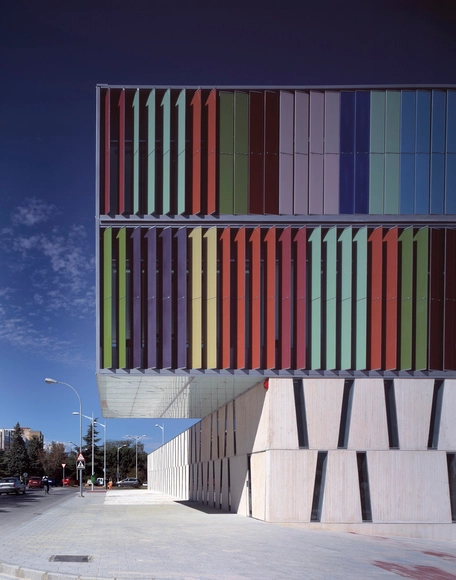
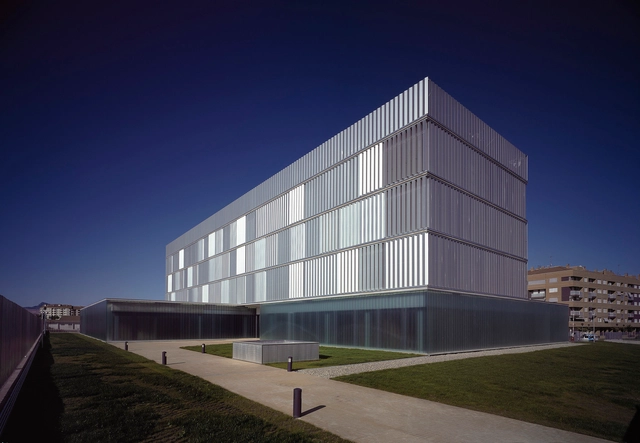
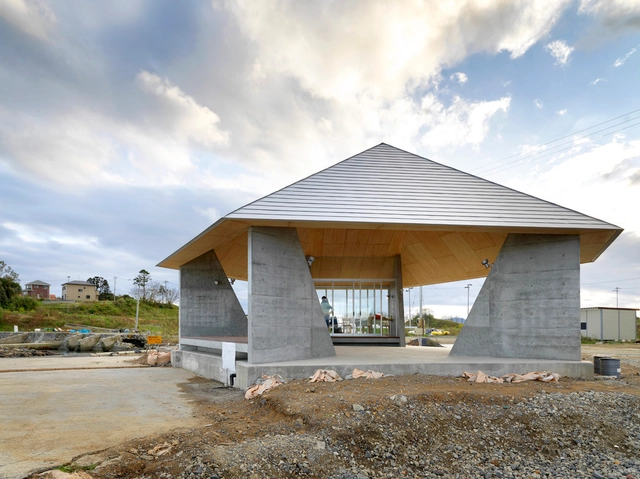
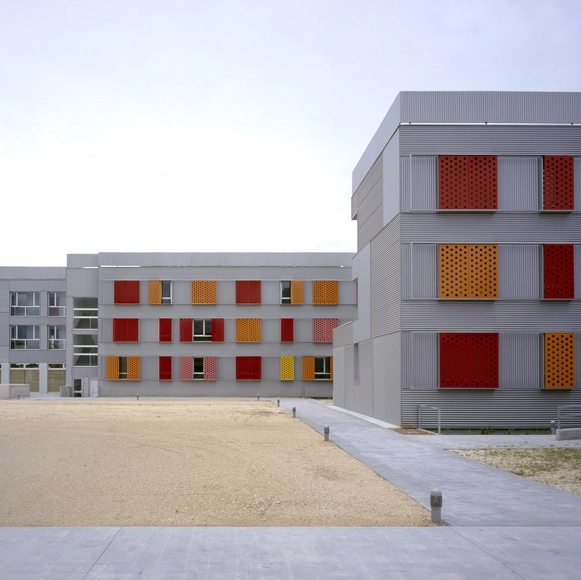
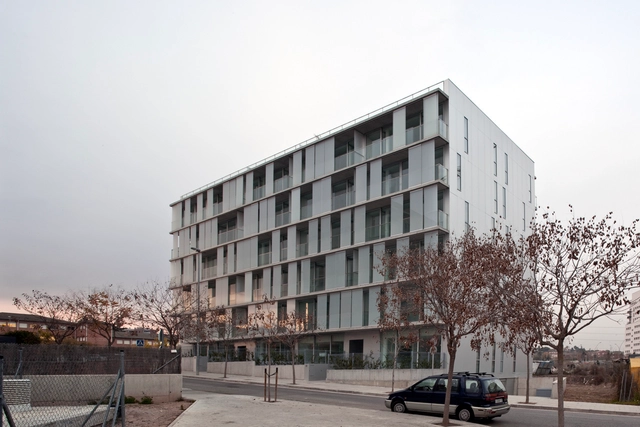
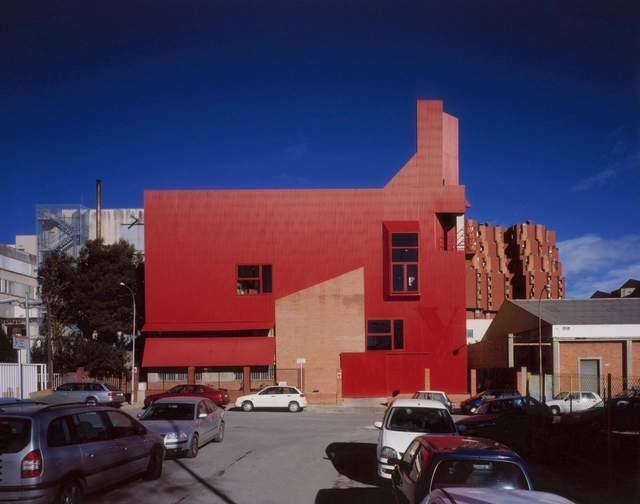
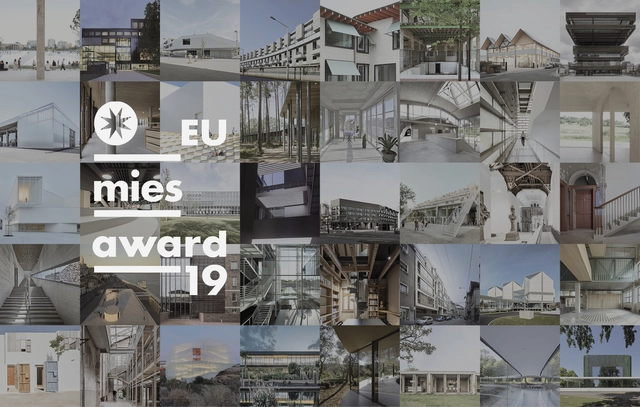
The European Commission and the Mies van der Rohe Foundation have announced the 40shortlisted works that will compete for the 2019 European Union Prize for Contemporary Architecture – Mies van der Rohe Award. The Prize, for which ArchDaily is a media partner, has seen a jury distill 383 nominated works into a 40-project-strong shortlist, celebrating the trends and opportunities in adaptive reuse, housing, and culture across Europe.
https://www.archdaily.com/909537/shortlisted-projects-announced-for-the-eu-mies-award-2019Niall Patrick Walsh
A new research study conducted by the Council on Tall Buildings and Urban Habitat (CTBUH), entitled Tall Buildings in Numbers – Japan: A History of Tall Innovations, examines the evolution of tall buildings in Japan since the 1960s. The study highlights key innovations in Japan’s skyline through a compilation of graphic representations, including a timeline of notable highrises, a scatterplot of towers over 150 meters and annual construction rates, and a comparison of skyscraper density with regional populations.
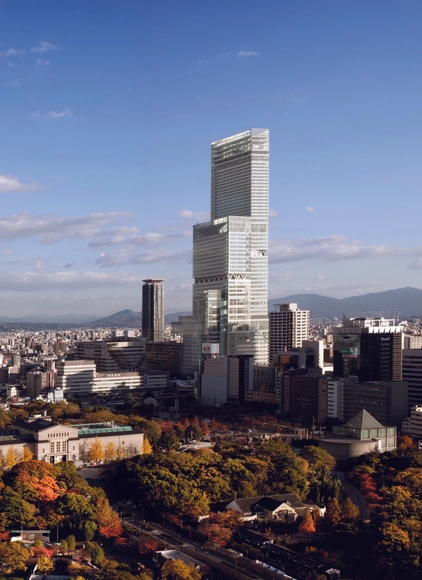
This past year was a record-breaking season for skyscraper construction. According to a new survey by the Council on Tall Buildings and Urban Habitat (CTBUH), 2014 saw the completion of 97 buildings that were at least 200 meters tall. Of those, 11 were 300 meters or taller, earning them the classification of “supertall.” These are the highest figures on record, with 2011, for example, seeing only 87 200-meters-plus buildings completed.
In addition, in 2014 the total height of completed buildings (23,333 meters) broke the 2011 record of 19,852 meters. With major countries like China becoming increasingly urbanized, and the world economy recovering from recession, the CTBUH expects that these numbers will only increase. See the details of CTBUH’s report, and learn what the numbers may predict about the future of skyscraper construction, after the break.
The latest designer of the prestigious Serpentine Gallery Pavilion has been named as SelgasCano, the Spanish practice known for their use of the latest synthetic materials and new technology. The Serpentine Pavilion, which has grown to become one of the most visited annual architecture attractions in the world, aims to provide architects who have never built in the UK their first chance to do so. In the past, this has led to pavilions by globally-recognized names such as Frank Gehry, Zaha Hadid, Rem Koolhaas, Oscar Niemeyer, and Peter Zumthor, but in recent years the Serpentine Gallery seems to have changed course a little, instead bringing lesser-known, emergent stars to a much wider audience. This was true of Smiljan Radić and his 2014 pavilion, and will likely prove true for the duo of José Selgas and Lucía Cano.
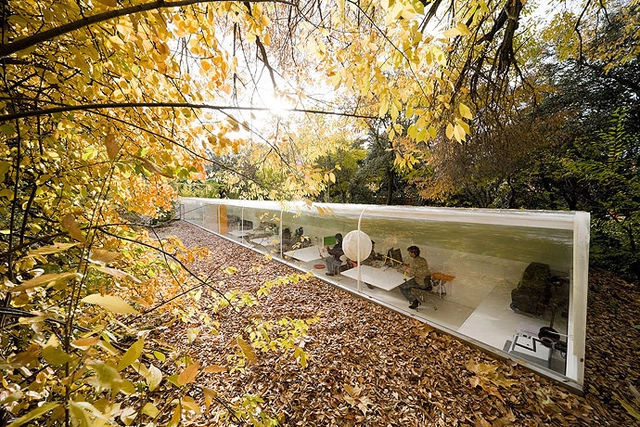
Although designs for the 2015 pavilion will not be released until February, SelgasCano have promised "to use only one material... the Transparency," adding that "the most advanced technologies will be needed to be employed to accomplish that transparency." This coy description perhaps calls to mind the design of their own office, a partially sunken tube of a building with one side made entirely of curved glass, which won them widespread recognition in 2009.
To give a better idea of the design style that SelgasCano will bring to the 2015 Serpentine Pavilion, we've rounded up a number of their major projects for your viewing pleasure, after the break.
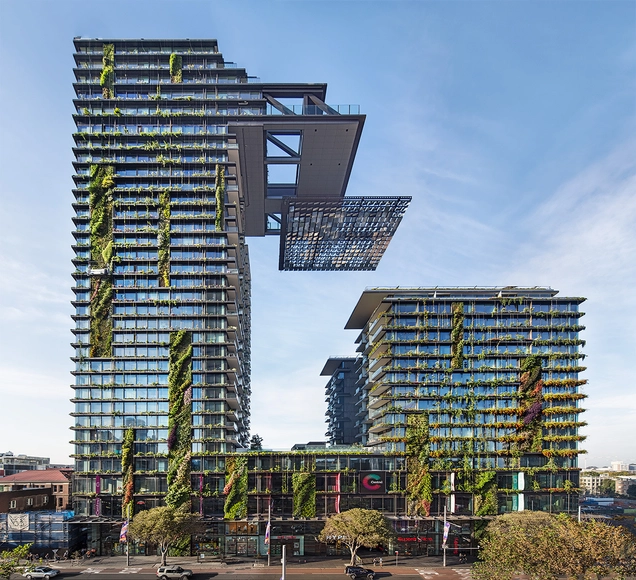
This year’s title of “Best Tall Building Worldwide” has been awarded to One Central Park, in Sydney, Australia. The award, presented by the Council on Tall Buildings and Urban Habitat (CTBUH), was chosen after a year long selection process across 88 entries in four regions. Senior representatives of each of these four winners presented at the CTBUHAwards Symposium on November 6th at the Illinois Institute of Technology, Chicago, and the winner was announced at the Awards Dinner following the Symposium. Read on after the break to learn more about the winning building.
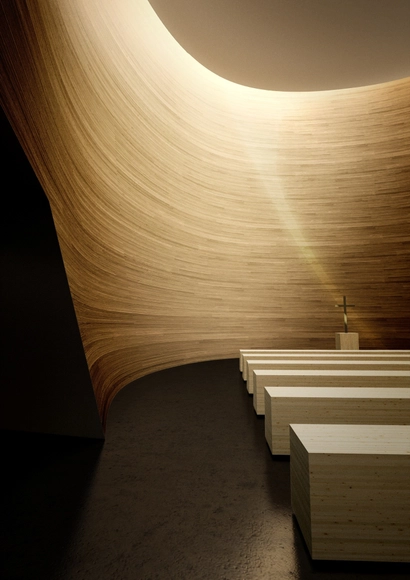
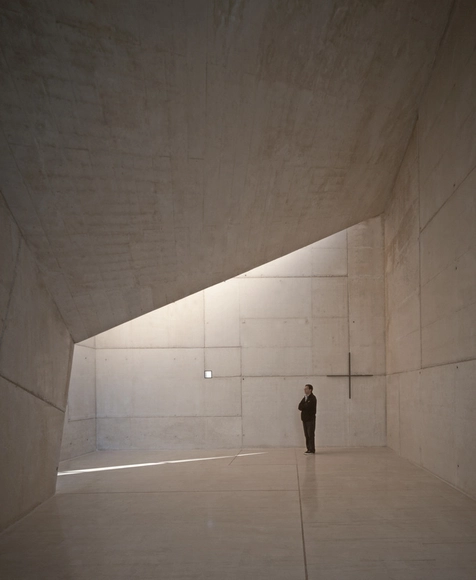
In honor of those celebrating Easter Sunday, we’ve compiled a list of the most breathtaking places of worship from our Religious Architecture Pinterest board. From vast, open halls, to intimate places of prayer and contemplation, these works are sure to spark your appreciation for divine architecture. See them in all their glory, after the break...
The use of light can lead to very diverse feelings: a ray of sunlight calls attention; glare overpowers; the nocturnal sky fascinates, while a dense dark forest arouses fear. Religions have made use of these experiences to convey the mystic aspects of their respective deities — accordingly, so too do their erected buildings.
After the break, an exploration of the different approaches for using light as a vehicle of symbolic meaning and spiritual experience in religious spaces.


.jpg?1534730377&format=webp&width=640&height=580)
.jpg?1534730469&format=webp&width=230&height=230&crop=true)
.jpg?1534730033&format=webp&width=230&height=230&crop=true)
.jpg?1534730365&format=webp&width=230&height=230&crop=true)
.jpg?1534730088&format=webp&width=230&height=230&crop=true)
.jpg?1534730377)




PabloBlanco.jpg?1421095092&format=webp&width=640&height=580)



OMA_ByRichardJohnSeymour.jpg?1415587158&format=webp&width=230&height=230&crop=true)
Tim_Griffith.jpg?1415587171&format=webp&width=230&height=230&crop=true)