Erik Jan Ouwerkerk

BROWSE ALL FROM THIS PHOTOGRAPHER HERE

Workmanship and Imperfection: 10 Projects Between Hand and Machine

Audio available

In 1968, the furniture designer and RCA professor David Pye published The Nature and Art of Workmanship, a book built around a distinction between "workmanship of risk" and the "workmanship of certainty." Pye was not writing about architecture, and despite how the phrase gets used today, he was not really writing about hands versus machines either. He pointed out that a printing press, entirely mechanical, still depends on someone judging the ink and the register, while a woodturner working a lathe by hand can follow a template closely enough that almost nothing is left to chance.

Workmanship of risk, in Pye's definition, is any process where the outcome is not fixed in advance but depends on the judgment, dexterity, and attention the maker exercises while the work is still underway. Workmanship of certainty is the opposite condition, as the result is settled before production begins, locked into a jig, a mold, or a program, so that everything downstream is execution. Pye was careful to note that neither mode is inherently superior and that a numerically controlled machine, calibrated to leave room for drift, can sit closer to risk than a hand tool run to a fixed template.

Workmanship and Imperfection: 10 Projects Between Hand and Machine - Imagen 1 de 4Workmanship and Imperfection: 10 Projects Between Hand and Machine - Imagen 2 de 4Workmanship and Imperfection: 10 Projects Between Hand and Machine - Imagen 3 de 4Workmanship and Imperfection: 10 Projects Between Hand and Machine - Imagen 4 de 4Workmanship and Imperfection: 10 Projects Between Hand and Machine - More Images+ 6

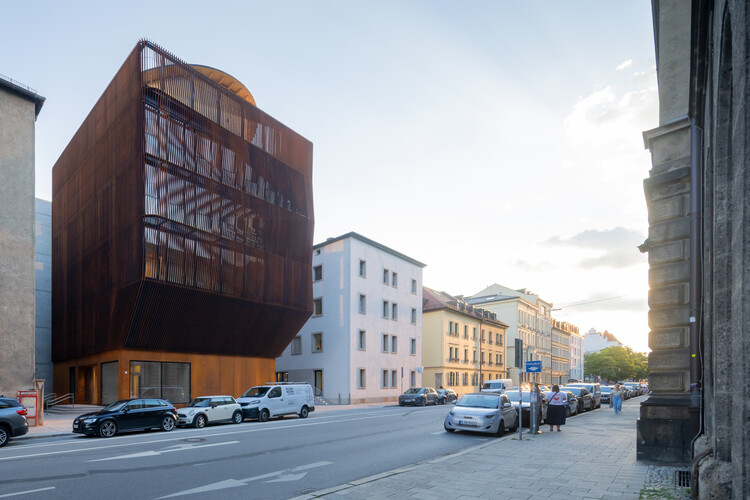
TU Munich Kinderoase Daycare / Kéré Architecture + HK Architekten

TU Munich Kinderoase Daycare / Kéré Architecture  + HK Architekten - More Images+ 26

First exhibition on Francis Kéré in Spain extended through February

The ICO Museum (Madrid) has extended Francis Kéré: Primary Elements, the first exhibition in Spain dedicated to the Burkina Faso-born, German-trained architect. Originally scheduled to close on Sunday, January 20, the museum has pushed the closing date back to Sunday, February 3.

First exhibition on Francis Kéré in Spain extended through February - More Images

Thinking Globally, Building Locally: Glocalization and the Ethical Use of Materials

"The times they are a-changin'," sang a young Bob Dylan in 1964, capturing a nation at a crossroads, gripped by the civil rights movement and overshadowed by Cold War tensions. Nearly a decade later, David Bowie turned that gaze inward with "Ch-ch-ch-ch-changes," a fragmented meditation on identity, reinvention, and personal transformation, echoing the collapse of countercultural ideals and the acceleration of globalization. By the 1990s, Tupac Shakur brought the focus back to the streets and urban centers. In "Changes," he laid bare the raw realities of racial injustice and systemic violence, offering not resignation but a forceful indictment: "That's just the way it is." 

Three voices, three decades, three ways of confronting change. If art (here, through music) has historically served as both mirror and outcry in times of upheaval, then it is fair to ask: how has the construction industry responded to a world in constant flux, a world urgently demanding transformation? In a world shaped by powerful economic forces, architecture is increasingly challenged to reconcile social responsibility with market realities. Today, we face a convergence of planetary crisis and social fragmentation: the planet is warming, inequalities persist and deepen, data multiplies, and identities fracture. In this context, architecture can no longer afford to limit itself to formal experimentation or market-driven imperatives. It is called to rethink with clarity, responsibility, and imagination what we build, with what we build, how we build, and above all, for whom. 

Towards an Architecture of Many Intelligences: How Collective Knowledge Shapes the Built Environment

As architecture navigates a rapidly changing world shaped by ecological urgency, social transformation, and technological acceleration, the notion of intelligence is shifting. No longer confined to individual cognition or artificial computation, intelligence can emerge from cultural memory, collective practices, and adaptive systems. In this broader sense, architecture becomes a field of convergence, where natural, artificial, and social intelligences intersect to offer new ways of designing and building.

Vernacular traditions embed generations of environmental knowledge, often transmitted through materials, construction techniques, and spatial logics finely tuned to local conditions; participatory platforms expand decision-making to wider communities to take part in shaping their environments, redistributing agency in the design process; and computational processes simulate and respond to complex data in real time bringing the capacity to analyse, simulate, and respond to complex variables — whether environmental, social, or behavioural — offering new forms of adaptability.

Towards an Architecture of Many Intelligences: How Collective Knowledge Shapes the Built Environment - More Images+ 25

From Design Movements to Materials: Reflecting on Architectural Exhibitions in 2024

Reflecting on 2024, numerous architectural exhibitions have opened worldwide, addressing various themes, exhibition formats, and featured architects. Architectural design and architecture practice influence our daily lives in subtle and often unnoticed ways, where the end-users embrace built environments as they are. This reaction may arise from a combination of factors, such as a sense of powerlessness to enact significant change after a building is constructed or the experience of growing up in environments over which individuals had little or no agency in shaping. For these reasons, architectural exhibitions serve an essential purpose, offering society a chance to pause, reflect, and critically examine the myriad issues that surface during designing and building. These issues are often overlooked or need to be acknowledged, as practitioners may prioritize delivering projects within strict timelines over exploring more profound reflections.

In 2024, museums, galleries, and curators responded to the evolving challenges within the built environment with various approaches. Some exhibitions questioned the ethics of building materials and the practices behind supply chains, drawing attention to the broader implications of material choices. Others focused on documenting architectural movements worldwide, emphasizing their cultural and historical significance and the urgent need to preserve and adapt rather than replace them with entirely new builds. These efforts highlight the role of exhibitions in raising awareness about pressing issues while fostering a more critical dialogue about the architectural discipline.

From Design Movements to Materials: Reflecting on Architectural Exhibitions in 2024 - More Images+ 20

Rural Rebellion : Exploring the Works of Christoph Hesse Architects Through the Lens of Time

Subscriber Access | 

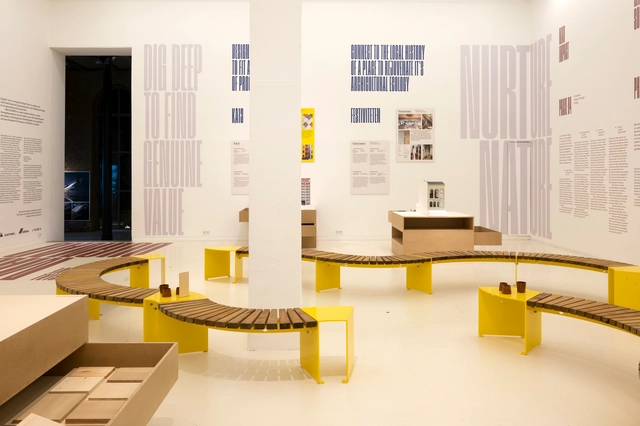
The Aedes Architectural Forum in Berlin presents over the next two months the trajectory and works of Christoph Hesse Architects. The exhibition, titled "Rural Rebellion," focuses on the studio's architectural projects that address the challenges of working in rural areas, particularly in Korbach—Hesse's hometown—and other villages across Germany. It highlights how the practice reimagines and reinterprets traditional building methods, translating them into contemporary contexts while emphasizing a collective and collaborative approach to architecture.

Rural Rebellion : Exploring the Works of Christoph Hesse Architects Through the Lens of Time - More Images+ 26

Sou Fujimoto's Imaginative Structures: A 3D Drawing Exhibition at the Utzon Center, Denmark

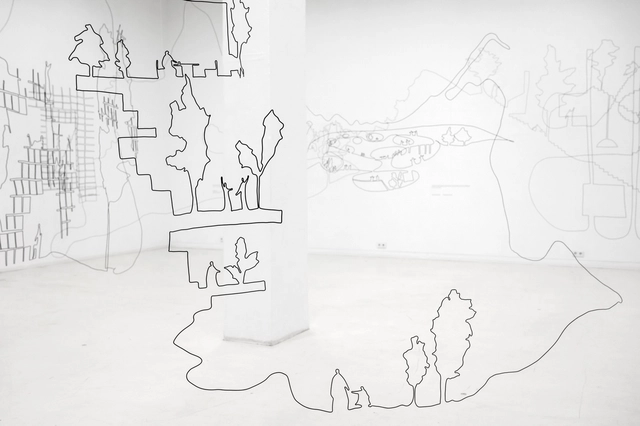
The Utzon Center in Denmark has announced the opening of “Primitive Future: Everything Is Circulating,” a solo exhibition dedicated to exploring the work of renowned Japanese architect Sou Fujimoto. Marking the first time his work is presented in Denmark, this exhibition offers a glimpse into Fujimoto’s vision, waving together the themes of nature and architecture. The exhibition's centerpiece is an expansive 500-meter-long steel wire installation that serves as a three-dimensional sketch, framing 12 of Fujimoto’s architectural projects.

Sou Fujimoto's Imaginative Structures: A 3D Drawing Exhibition at the Utzon Center, Denmark - More Images+ 10

The Future Beneath Our Feet: Soil-Cement Bricks and the Path to Sustainable Construction

Subscriber Access | 

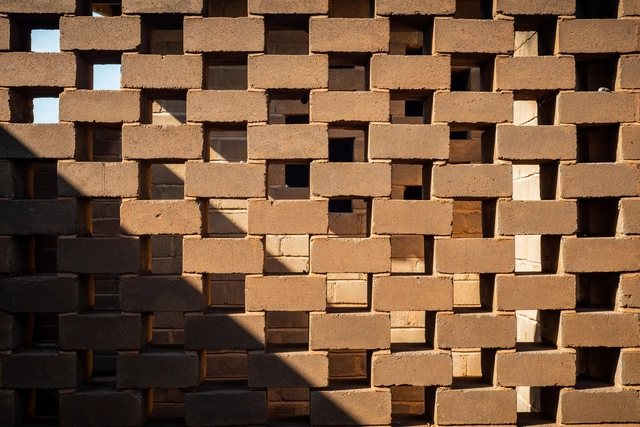
Bricks are part of the collective imagination when thinking about construction. These are elementary, ubiquitous, modular, light, and reliable materials for erecting buildings. However, traditional ceramic block manufacturing relies on burning clay in kilns at high temperatures, often powered by non-renewable fossil fuels such as coal or natural gas. Furthermore, the transportation process significantly increases its environmental footprint, as the materials are heavy and bulky. In light of this, there is a growing interest in alternative construction materials that offer a lower environmental impact and greater sustainability. Soil cement bricks –or Compressed Stabilized Earth Blocks– are a good example of an existing alternative, as they have a smaller environmental footprint due to their use of local raw materials and the elimination of the burning process, while maintaining many of the intrinsic qualities of traditional bricks.

The 2022 Pivots in Architecture

Every “Year In Review” assessment of anything is both myopic and timely. That being said, 2022 was a "Boom" time for architects (and the building industry in general). This snapshot will change in 2023 when this year’s manufactured interest rate jumps will crib death this short and intense boom.

But some things have more meaning than can be found in the moment. 2022 proved that the “Mad Men” model in the profession as a white male clubhouse is over. Gender and race inequalities remain in architecture, but they are acknowledged flaws in urgent need of correction. Beyond these evolutions and revolutions, a new generation of architects is changing the profession.

The 2022 Pivots in Architecture - Image 1 of 4The 2022 Pivots in Architecture - Image 2 of 4The 2022 Pivots in Architecture - Image 3 of 4The 2022 Pivots in Architecture - Image 4 of 4The 2022 Pivots in Architecture - More Images

Martha Thorne on Francis Kéré: "He Gives a Powerful Message about the Expanding Role of Architecture"

Pritzker Prize 2022 Laureate Francis Kéré is known for “empowering and transforming communities through the process of architecture”, as the jury stated in its citation. In this recently published video, Martha Thorne, Dean of IE School of Architecture and Design and former executive director of the Pritzker Architecture Prize, shares some of the reasons why Francis Kéré has won the Pritzker Prize 2022.

“Architecture Is Much More Than Art, and It Is by Far More Than Just Buildings:” in Conversation With Francis Kéré

Subscriber Access | 

Meet 2022 Pritzker Architecture Prize winner, Francis Kéré, Burkina Faso-born black architect, in an interview about his architectural philosophy, with Louisiana Channel. As the official statement of the Pritzker Architecture Prize notes, “Through buildings that demonstrate beauty, modesty, and invention, and by the integrity of his architecture and geste, Kéré gracefully upholds the mission of this Prize”, continually “empowering and transforming communities through the process of architecture.”

“Architecture Is Much More Than Art, and It Is by Far More Than Just Buildings:” in Conversation With Francis Kéré - More Images+ 16

Why Francis Kéré Won the Pritzker Prize?

Why Francis Kéré Won the Pritzker Prize? - Image 1 of 4
Francis Kéré, 2022 Pritzker Prize Laureate . Image © Lars Borges

Last Tuesday, March 15, Francis Kéré became the first African architect to win the Pritzker Prize, the most important award in the architecture discipline.

The election of Kéré is not only symbolic in a time of identity demands, where the institutions that make up the mainstream are required to more faithfully represent the social, cultural, and sexual realities that make up our societies, but it also confirms the recent approach of the Pritzker Prize jury.

Why Francis Kéré Won the Pritzker Prize? - More Images+ 3

Francis Kéré: Get to Know the 2022 Pritzker Winner's Built Work

Subscriber Access | 

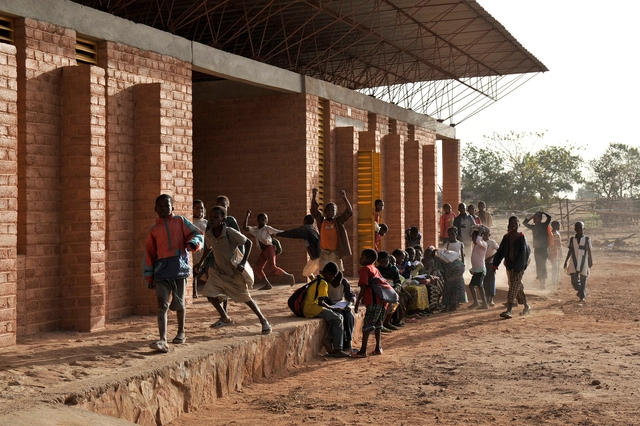
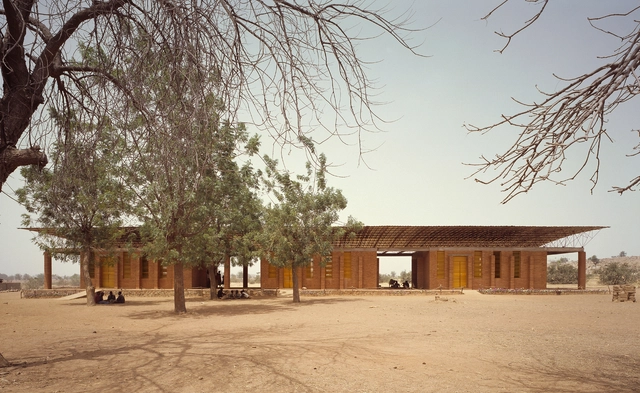
Diébédo Francis Kéré founded his architecture practice Kéré Architecture, in Berlin, Germany in 2005, after a journey in which he started advocating for the building of quality educational architecture in his home country of Burkina Faso. Deprived of proper classrooms and learning conditions as a child, and having faced the same reality as the majority of children in his country, his first works aimed at bringing tangible solutions to the issues faced by the community.

Francis Kéré: Get to Know the 2022 Pritzker Winner's Built Work - Image 1 of 4Francis Kéré: Get to Know the 2022 Pritzker Winner's Built Work - Image 2 of 4Francis Kéré: Get to Know the 2022 Pritzker Winner's Built Work - Image 3 of 4Francis Kéré: Get to Know the 2022 Pritzker Winner's Built Work - Image 4 of 4Francis Kéré: Get to Know the 2022 Pritzker Winner's Built Work - More Images+ 51

"Mad About Dugnad" Exhibition at Aedes Reflects on Achieving a Sustainable Architecture Future

In a new exhibition at AEDES Architecture Forum in Berlin, Norwegian architecture firm Mad arkitekter showcases four examples of sustainable architecture, stressing the importance of collaboration and cross-disciplinary for achieving climate goals. On view through until March 10, Mad About Dugnad – Work Together, Build Better echoes the Norwegian tradition of "dugnad", which refers to community solidarity towards achieving a common goal, a key concept in creating solutions for a sustainable future.

Mad About Dugnad Exhibition at Aedes Reflects on Achieving a Sustainable Architecture Future - More Images+ 12

Local Expertise Versus Local Extraction: African Vernacular Architecture and a More Holistic Sustainability

Subscriber Access | 

Every year, in the hot, dry town of Djenné in Central Mali, something special takes place – La Fête de Crépissage. Roughly translated to the “Day of Plastering”, this day sees the entire community of Djenné collaborate to reinforce the mud walls of the Great Mosque of Djenné – a UNESCO World Heritage Site and one of the African continent’s most distinctive architectural landmarks.

Local Expertise Versus Local Extraction: African Vernacular Architecture and a More Holistic Sustainability  - More Images+ 5

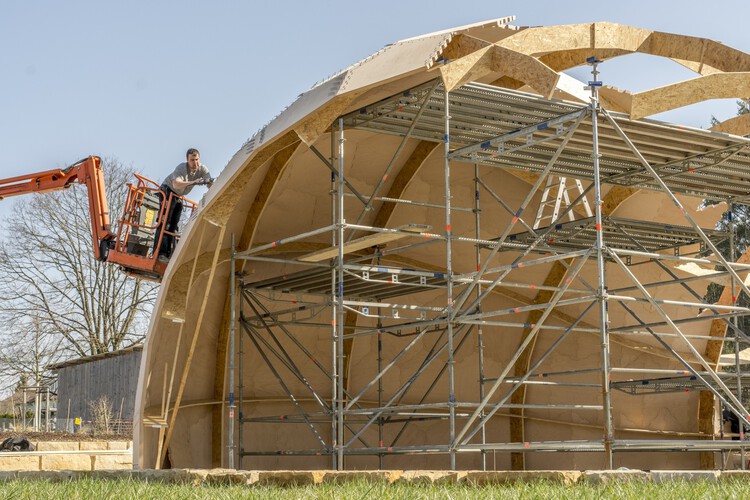
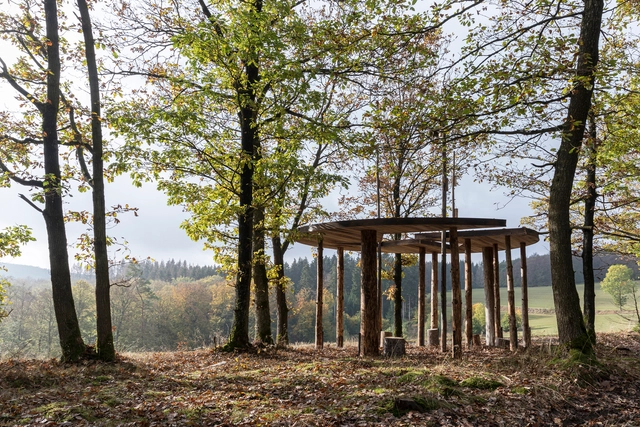
Heidentempel Pavilion / Christoph Hesse Architects

Heidentempel Pavilion / Christoph Hesse Architects - More Images+ 12

Francis Kéré Receives the 2021 Thomas Jefferson Foundation Medal in Architecture

Founder of the Berlin-based firm Kéré Architecture, Francis Kéré, has won the 2021 Thomas Jefferson Foundation Medal in Architecture. Presented by the University of Virginia and the Thomas Jefferson Foundation at Monticello, the award is one of four honors recognizing achievements in architecture, citizen leaderships, global innovation, and law. The Thomas Jefferson Foundation Medals recognize the exemplary contributions of recipients to the endeavors in which Jefferson excelled and held in high regard.

Francis Kéré Receives the 2021 Thomas Jefferson Foundation Medal in Architecture  - Image 1 of 4Francis Kéré Receives the 2021 Thomas Jefferson Foundation Medal in Architecture  - Image 2 of 4Francis Kéré Receives the 2021 Thomas Jefferson Foundation Medal in Architecture  - Image 3 of 4Francis Kéré Receives the 2021 Thomas Jefferson Foundation Medal in Architecture  - Image 4 of 4Francis Kéré Receives the 2021 Thomas Jefferson Foundation Medal in Architecture  - More Images+ 7