

-
Architects: Ian MacDonald Architect Inc.
- Area: 3200 ft²
- Year: 2023
-
Manufacturers: Kebony, Bioroof Systems Inc., Sterling


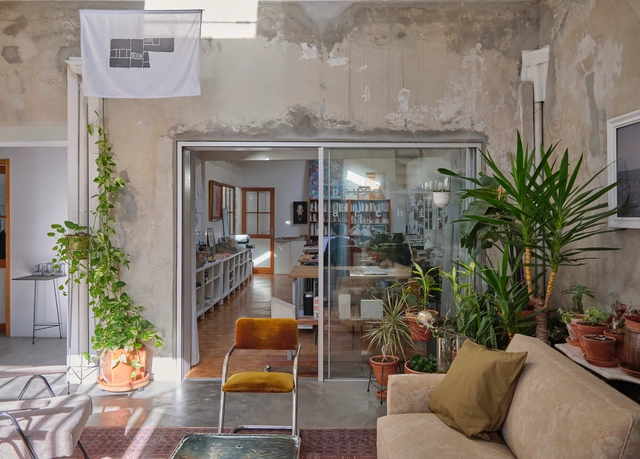
Porto's architectural legacy has long been shaped by the weight of history and the clarity of form. From the work of Álvaro Siza to the dense network of studios emerging from the city's schools, Porto offers a unique blend of continuity and reinvention. Here, architecture is not only a matter of design but often one of endurance — of working within constraints, of drawing with precision, and of navigating a built environment marked by permanence and resistance to spectacle.
Yet within this persistent context, a new generation of architects has been reshaping the field with quiet determination. Often formed in shared spaces, these practices balance autonomy with collaboration and meticulous detailing with broader urban concerns. Their studios tend to reflect this ethos: modest in scale, defined by adaptive reuse, and rooted in the material reality of the city. In these workspaces, architecture unfolds as a process — sometimes speculative, sometimes grounded — but always reflective of a practice that is deeply local and increasingly global.
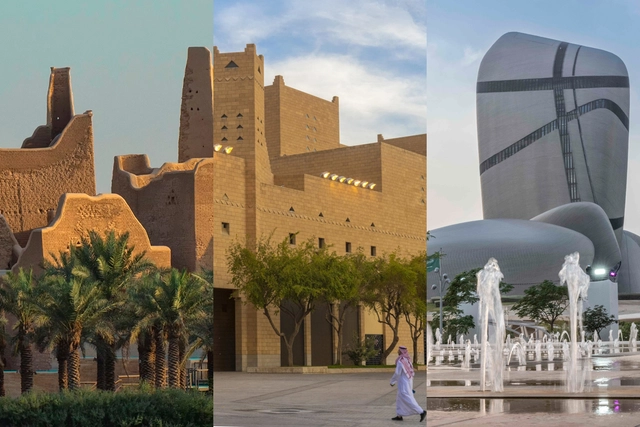
For centuries, the heart of the Arabian Peninsula was a land of vast deserts and settlements shaped by their environment. This relationship with the landscape, materiality, and knowledge of the place has not only endured but now translates into a landscape gaining recognition on the global creative scene. From projects that emerge with a profound sensitivity to context to global exhibitions and awards that drive its evolution, the region is consolidating its architectural language—rooted in its history while oriented toward new explorations. Far from halting, this momentum continues to chart the path for its development, establishing the region as a platform in contemporary architectural discourse.
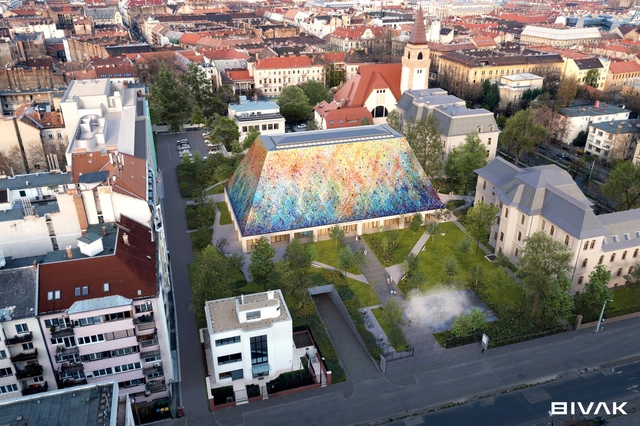
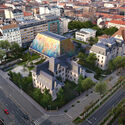
The Hungarian Architecture Center and Museum, designed by BIVAK Studio in collaboration with Tér és Forma Szeged Építéstervező Ltd., has received its building permit, paving the way for construction to begin. Located at the corner of Városligeti Fasor and Bajza Street in Budapest, Hungary, the project aims to establish a cultural and professional hub within an urban context. The proposal was selected as the winning entry in an international two-round open design competition, organized by the Hungarian Academy of Arts, held in December 2023.
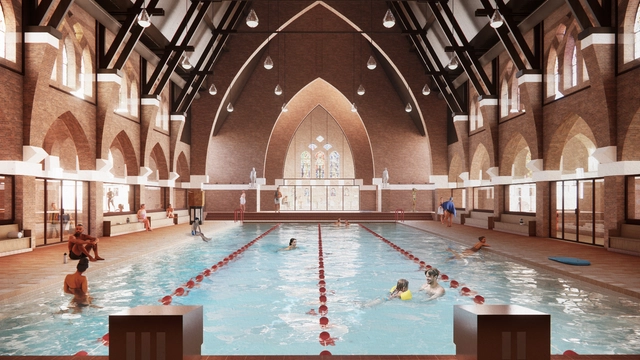
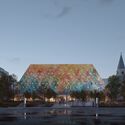
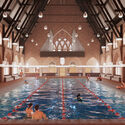
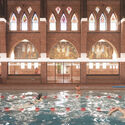
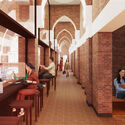
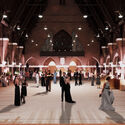
MVRDV and Zecc Architecten have won the competition to transform the St. Francis of Assisi Church in Heerlen into a public swimming pool. Originally built over 100 years ago, the church stopped hosting services in 2023, presenting the municipality with the opportunity to repurpose the building for community use. Nicknamed Holy Water, the adaptive reuse project is meant to give this listed national monument, with its recognizable silhouette, a new social function while preserving its historic elements. The design was created through a collaboration between MVRDV, Zecc Architecten, IMd Raadgevende Ingenieurs, Nelissen Ingenieursbureau, and construction economics consultancy SkaaL, and is expected to be completed at the end of 2027.
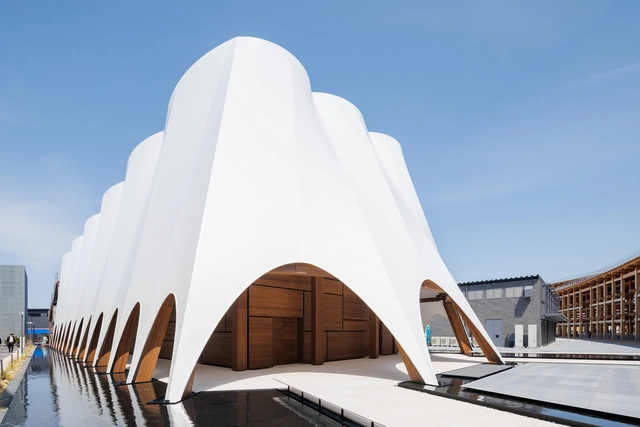
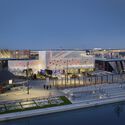
The State of Qatar has just opened its national pavilion's doors at Expo Osaka 2025. Designed by Kengo Kuma & Associates in collaboration with Qatar Museums, the pavilion blends traditional craftsmanship from Qatar and Japan while highlighting the two countries' connection to the sea, which is understood as a hub of resources and a medium for trade and knowledge exchange. The exhibition will be on view until October 13, 2025, aiming to showcase Qatar's innovations across diverse fields.
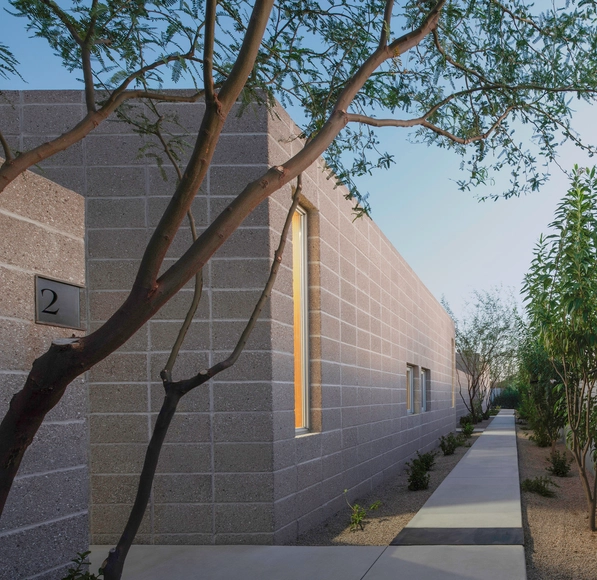
Once seen as purely utilitarian, bare concrete blocks have increasingly become part of an architectural transformation. In regions where warm climates make insulation unnecessary, this material can be left exposed, free of cladding, finishes, or embellishment. In doing so, texture, bond, and form can define the building's character and simplify construction while creating new opportunities for expression and identity. This also creates a platform to explore the concept of material honesty. Beyond its aesthetic value, using a material "as is" can significantly reduce construction costs and minimize maintenance during the building's lifespan.
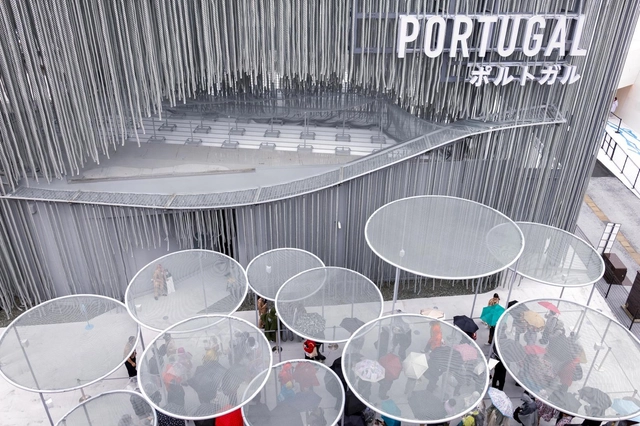
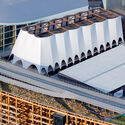
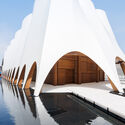
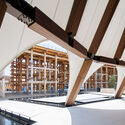
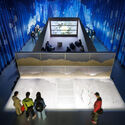
The Portugal Pavilion at Expo 2025 in Osaka embraces the theme "Ocean, The Blue Dialogue", offering visitors an immersive exploration of the ocean as a life-giving resource and a cornerstone of sustainability. Designed by Japanese architect Kengo Kuma, the Pavilion aims to reflect Portugal's deep historical, cultural, and economic connections to the sea, creating an architectural and narrative journey that bridges past, present, and future. The pavilion has recently been inaugurated in the in the "Empowering Lives" zone, next to the Bahrain Pavilion, designed by Lina Ghotmeh Architecture and the Austrian Pavilion by BWM Architects.