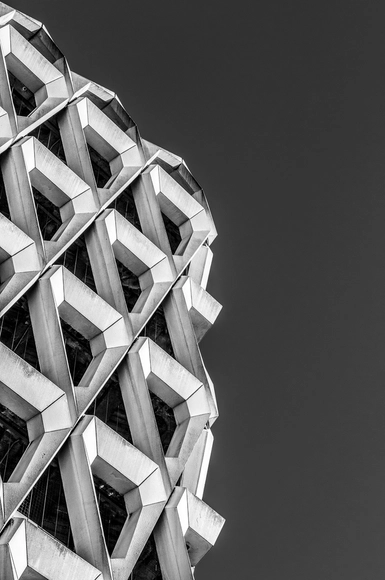
Rarely does one see brutalist architecture in the city of London. Primarily, these buildings were perceived as rebellious and grotesque, only to become the "go-to" style for commercial and governmental buildings after the Second World War. Nowadays, with the real estate market demands and dominance of contemporary architecture, these monumental grey structures are gradually fading away.
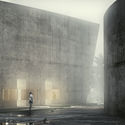
Santiago-based architect and photographer Grégoire Dorthe developed the passion of photography during his military service, when he realized that through his images, he is able to freeze moments and preserve what will be lost with time. In his photographic series titled "Brutal London", the Swiss photographer captures the raw forms and graphic qualities of the city's brutalist architecture, before these buildings meet their end.
Students on the balustrade of the canteen terrace, around 1931 (photographer unknown). Image Courtesy of Stiftung Bauhaus Dessau
Women are imperative members of the design community, creating innovative and inspiring work in the fields of architecture, design, and urban planning. However, even with the rise of the women's movement, their contributions are still being questioned, compared, or taken for granted.
Metropolis Magazine looked back at the history of feminism in architecture, shedding the light on the times when the advocates witnessed unprecedented progress, and times when they lost their advantage.
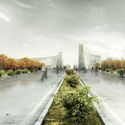
Hajizadeh & Associates elaborated a proposal for the entrance of the Gilan University in Rasht in Iran. Basing their conceptual approach on the Iranian notion of access, they created not only a passage or a connection space but a social and cultural area.















_Center_court_(children's_play_area).jpg?1567010482 "Center court (children's play area). Image © Threeimages")