-
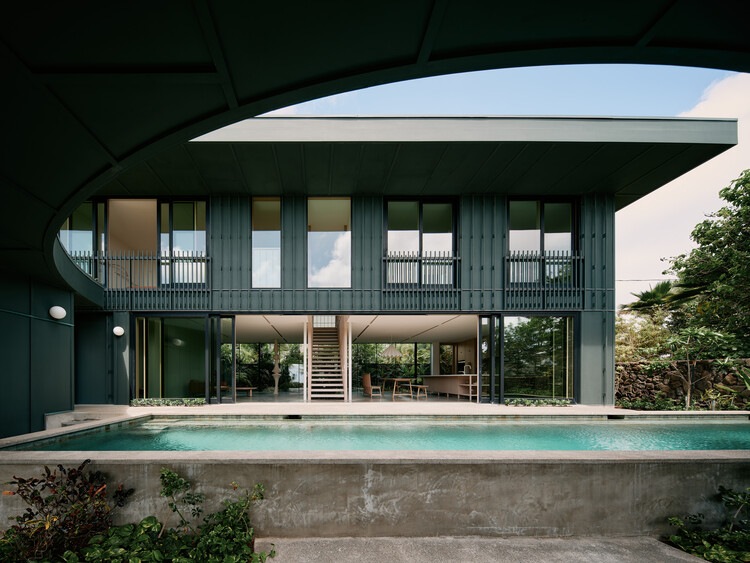
Architects: ZAV Architects
- Area: 450 m²
- Year: 2025



This week's stories reveal a growing focus on reconnecting design with physical reality, whether through construction, landscape, public space, or collective participation. From the curatorial direction of the upcoming Venice Architecture Biennale 2027 to internationally recognized projects addressing flood resilience, affordable housing, and ecological restoration, many of the week's discussions challenged architecture's increasing detachment from material, environmental, and social conditions. At the same time, major cultural interventions, temporary structures, and public forums explored how institutions and civic spaces can become more accessible, adaptable, and engaged with everyday urban life.


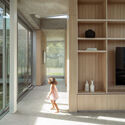
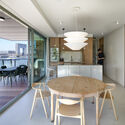
Bi-folding doors flood a room with light, offering the spatial flexibility to establish a dialogue with the surroundings. The Woodline series by Solarlux integrates manufacturing quality and technical expertise with architectural freedom, providing transparent facade solutions for versatile, sustainable architecture. The natural surfaces further enhance the building envelope with a distinct tactile quality.


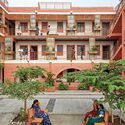
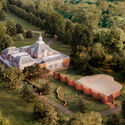
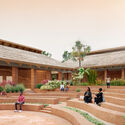
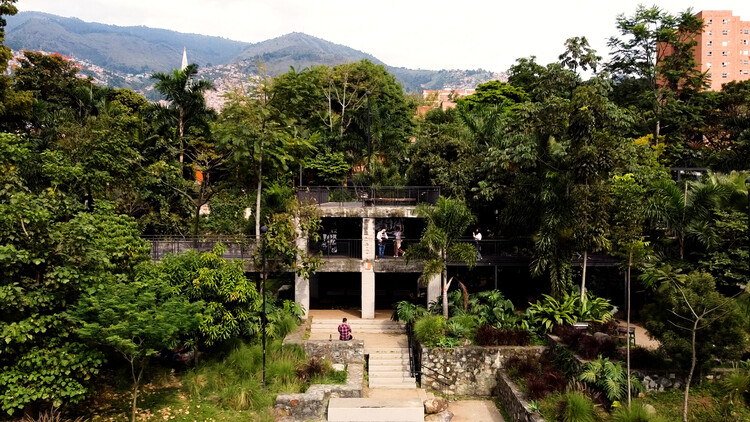
During a ceremony held at the World Urban Forum (WUF) in Baku, Azerbaijan, on May 20, 2026, the International Union of Architects (UIA) and UN-Habitat announced the winners of the third cycle of the UIA 2030 Award. The biennial award recognizes built projects that make meaningful contributions to achieving the United Nations Sustainable Development Goals (SDGs). Architects were invited to submit architecture, landscape, and urban design projects addressing pressing environmental, social, and economic challenges across six categories: sustainable water management, the promotion of safe working environments, adequate and affordable housing, efficient and inclusive planning, access to green and public space, and climate resilience.
The third cycle launched in July 2025, and regional finalists from the UIA's five global regions were announced in January. In the final stage, the jury selected winning, highly commended, and commended projects in each category, recognizing works in China, Bangladesh, India, Thailand, Mexico, Peru, Colombia, Spain, Kenya, Morocco, and the United States.

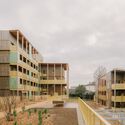
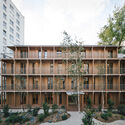
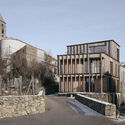
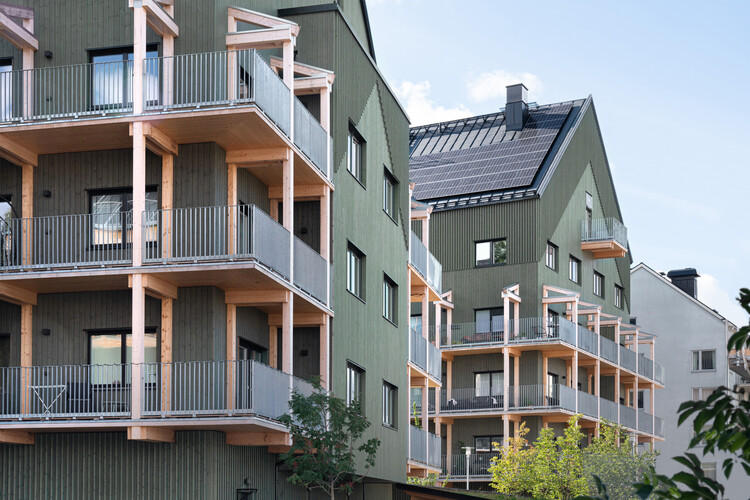
Recent years have seen a shifting paradigm in multi-family residential architecture, as more and more new projects are being built with engineered wood, specifically Cross-Laminated Timber (CLT) and glued-laminated timber (glulam). Because timber is lightweight, these systems can reduce dead load and ease foundation demands, which is especially useful on sites with limited bearing capacity or over existing infrastructure. From a sustainability standpoint, timber can store carbon over the life of the building and often reduces embodied carbon compared with conventional concrete-and-steel systems. In fire design, large timber members can be engineered to char at a predictable rate, allowing the structural core to remain protected for a defined period when detailed appropriately.


Buildner has announced the results of its competition, the Last Nuclear Bomb Memorial No.6. This competition is held each year to support the universal ban on nuclear weapons. In 2017, on the 75th anniversary of the 1945 bombings of Nagasaki and Hiroshima, which claimed the lives of over 100,000 people, the United Nations adopted the Treaty on the Prohibition of Nuclear Weapons.

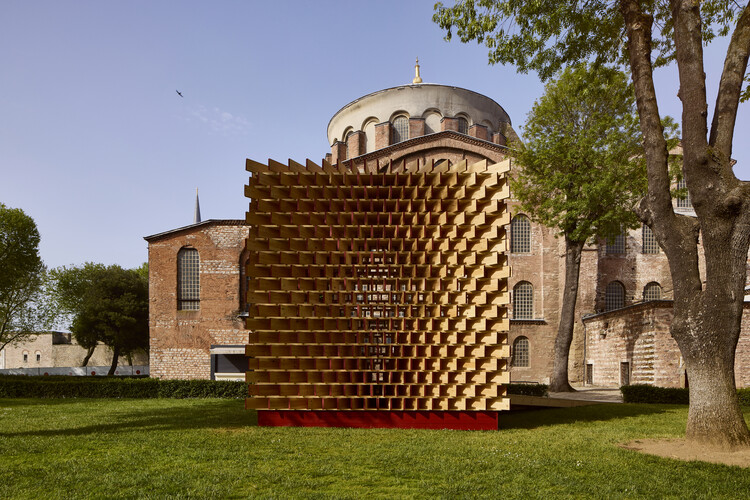
Global Design Forum Istanbul concluded its inaugural edition between May 13 and 16, 2026, bringing together architects, designers, urbanists, and cultural practitioners through a city-wide programme of installations, talks, screenings, and public events. Presented by London Design Festival in collaboration with People Places Ideas, the forum was developed and curated by Artistic Director Melek Zeynep Bulut and Forum Content Advisor Beatrice Galilee. Organized around the theme "Worlds in Contact," the programme featured contributions from figures including Lina Ghotmeh, Marina Tabassum, Liam Young, Tom Dixon, Lesley Lokko, Ma Yansong, Andrew Waugh, and Olaf Grawer, positioning Istanbul as a platform for interdisciplinary discussions on design and the built environment.
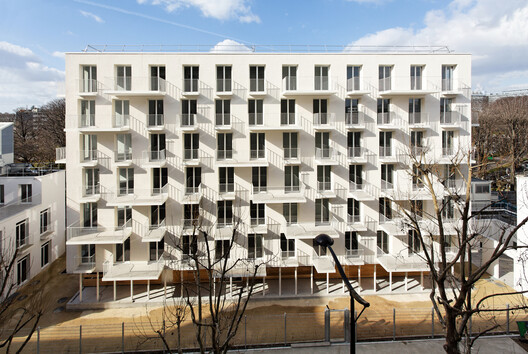
On UNESCO's International Day of Light, celebrated annually on May 16, the Daylight Award announced its 2026 laureates. Established to support research into the scientific understanding of daylight and its significance for health, well-being, ecosystems, and architectural design, the award recognizes achievements in two categories: Daylight in Architecture and Daylight Research. This year, Japanese architects Momoyo Kaijima and Yoshiharu Tsukamoto of Atelier Bow-Wow were honored for demonstrating how daylight can shape shared spaces and everyday life, while marine biologists Brittany N. Zepernick, Steven W. Wilhelm, and R. Michael McKay of the United States and Canada were recognized for their research on aquatic microorganisms and their implications for planetary health and biodiversity.