


-
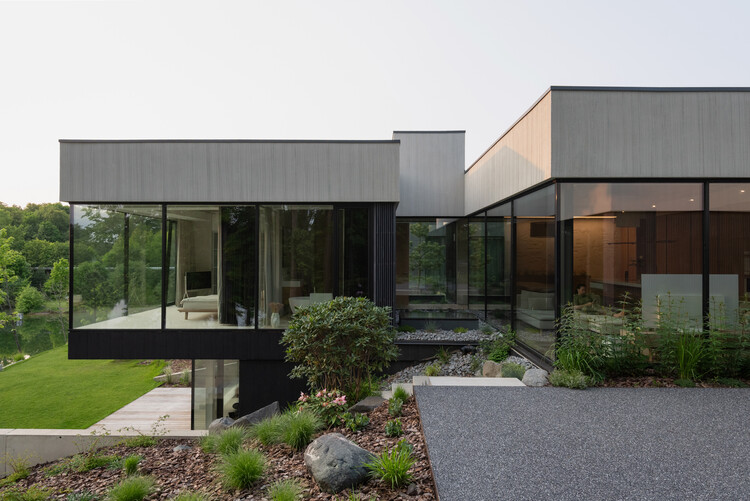
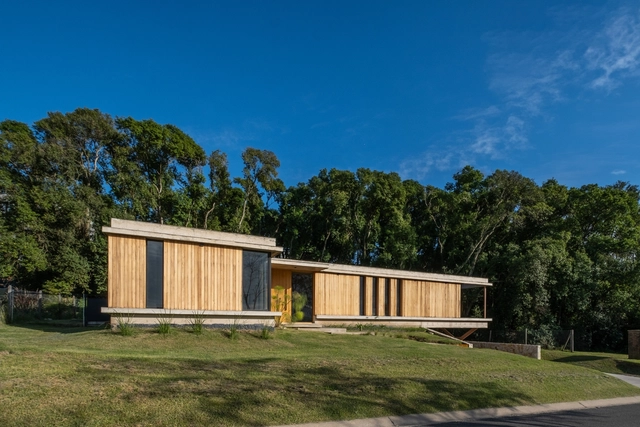
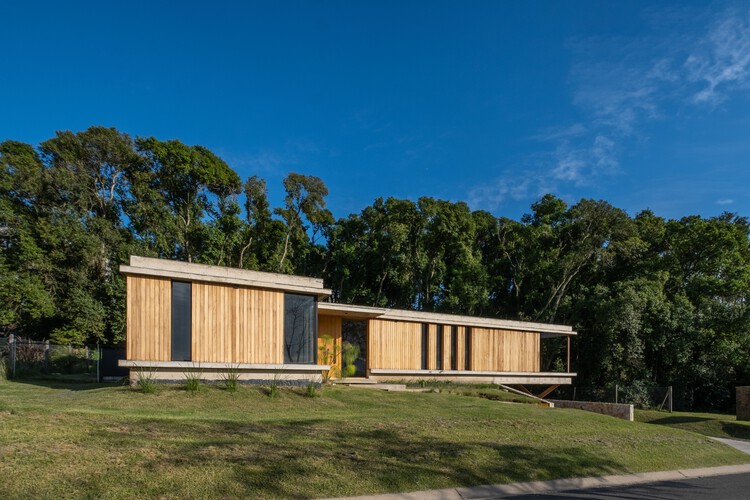
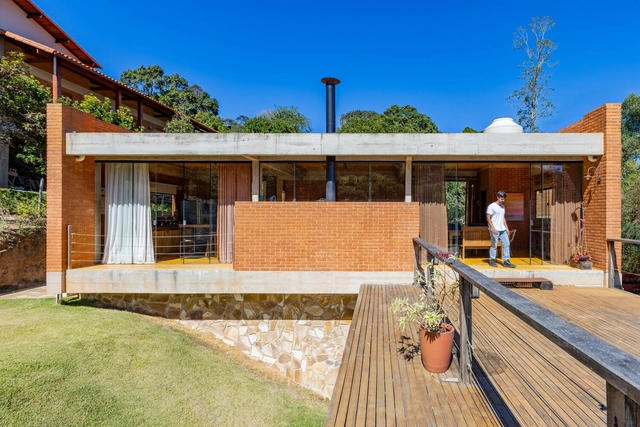
Architects: Cheli-de Felipe Arquitectos
- Area: 250 m²
- Year: 2024


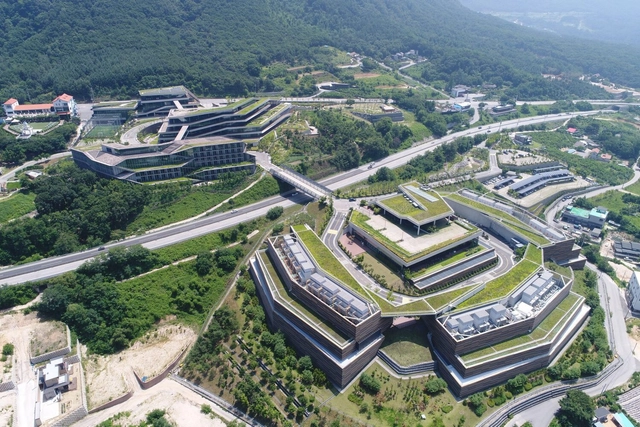
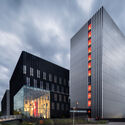
As the AI fervor continues to reshape how people see the world, 2025 looms as yet another year in the march toward technological advancement. While some worry about the dominance of technology in society, architects are shifting their attention to the foundations of a digital future: data centers. The design of data centers challenges designers to reconcile the demands of technological functionality with the principles of architectural excellence. As the dependence on cloud computing, IoT ecosystems, and big data analytics deepens, data center architecture demands more attention. As data consumption skyrockets, data center consumption rates match the demand. These structures were once relegated to nondescript industrial zones, but are now becoming integral components of urban and suburban environments. While some community members are upset about the encroachment of data centers in their localities, others see them as indicators of economic development.

The Graham Foundation for Advanced Studies in the Fine Arts has announced $573,300 in grants to 39 organizations worldwide. Chosen from more than 200 submissions, the 2025 awards support a broad range of initiatives, including exhibitions, installations, publications, podcasts, student-led journals, international architecture events, and public programs that contribute to advancing architectural discourse and design experimentation. Over nearly seven decades, the Graham Foundation has provided more than $45 million in direct support to over 5,200 projects. With the addition of the 2025 grantees, the Foundation aims to continue to strengthen its international network of individuals and organizations advancing architectural ideas and public engagement around the world.
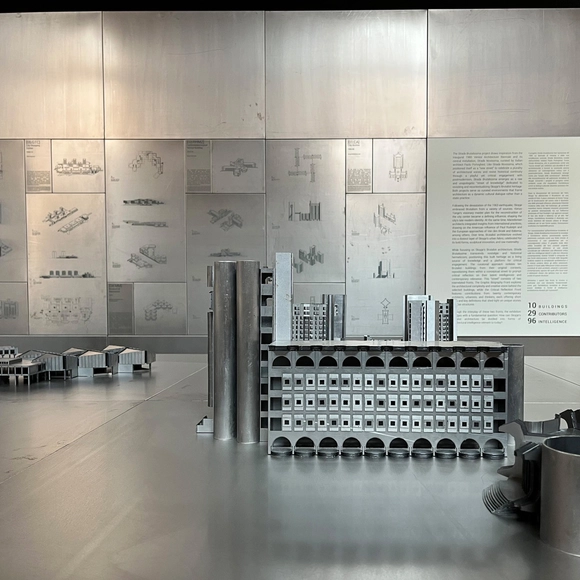
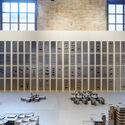
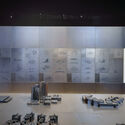
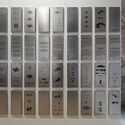
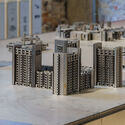
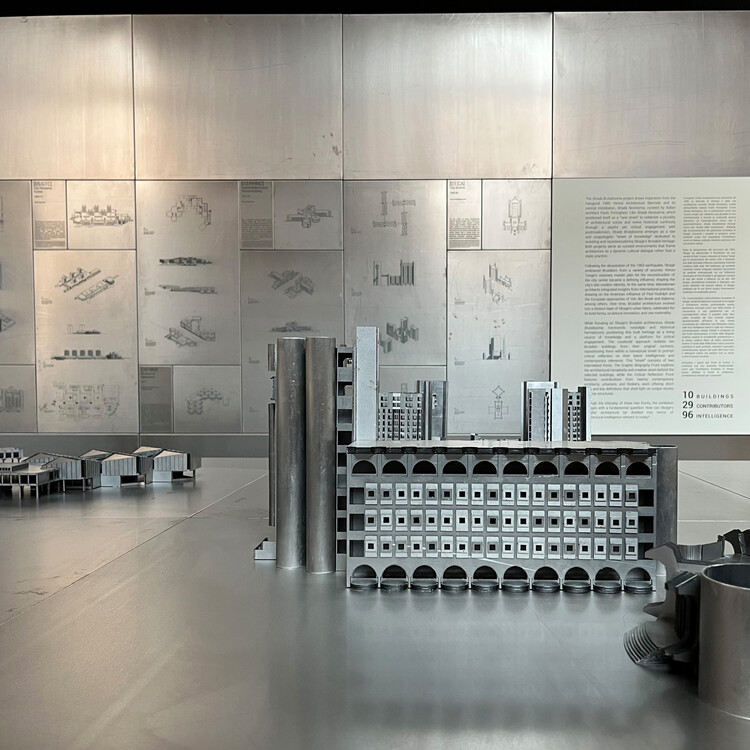
The Republic of North Macedonia Pavilion at the 19th Venice Architecture Biennale is dedicated to the Brutalist architecture of its capital city, Skopje. This architectural movement has given the city a distinctive identity following the earthquake that struck in 1963. According to pavilion curator, architect Blagoja Bajkovski, in the aftermath of the disaster, Skopje embraced Brutalism from a variety of sources. One of the most prominent of these was Kenzo Tange's reconstruction plan, developed after an international competition organized by the United Nations in 1965. The exhibition, titled Strada Brutalissima, recounts this identity, the events that shaped it, and the buildings that continue to represent it through a series of architectural models. Inspired by the 1980 Venice Architecture Biennale's Strada Novissima, the project reinterprets the concept of a curated "street," this time centered on Skopje's Brutalist heritage.
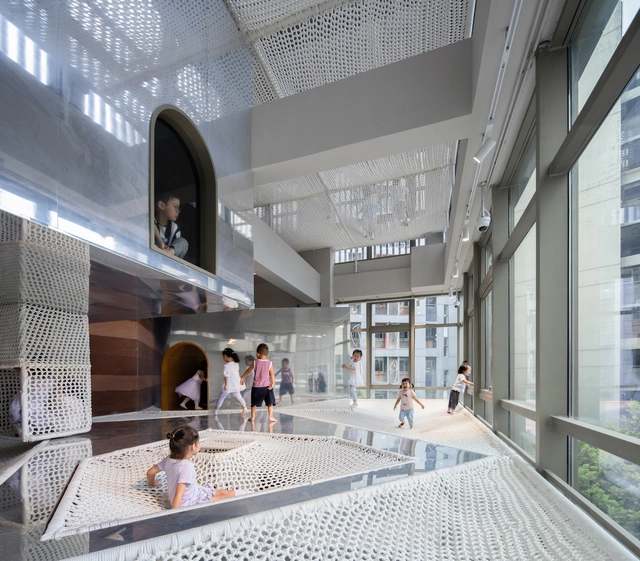
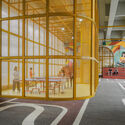
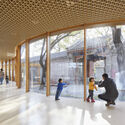
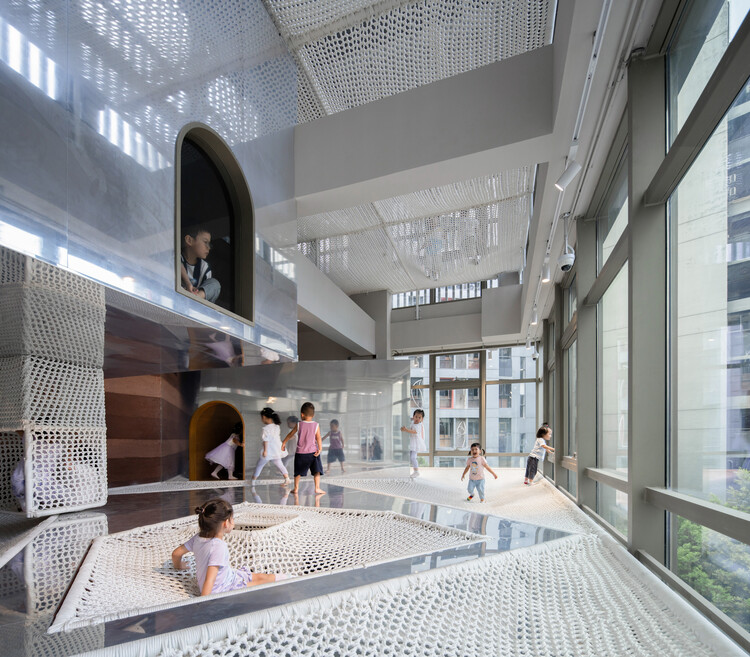
In contemporary Japanese and Chinese kindergarten design, architects are transforming the interior spaces from a simple container into an active, multi-sensory environment. This shift seems to follow Studies in developmental psychology that suggest that a child's experience of space begins with a sensorimotor engagement through touch and manipulation. Thus, they place a strong emphasis on the use of materials and the approach of learning through play. Architects seem to be moving beyond traditional classrooms, into environments that are tactile, stimulating, and rooted in their specific contexts. The buildings themselves become tools for education, encouraging children to learn and explore through direct physical engagement.