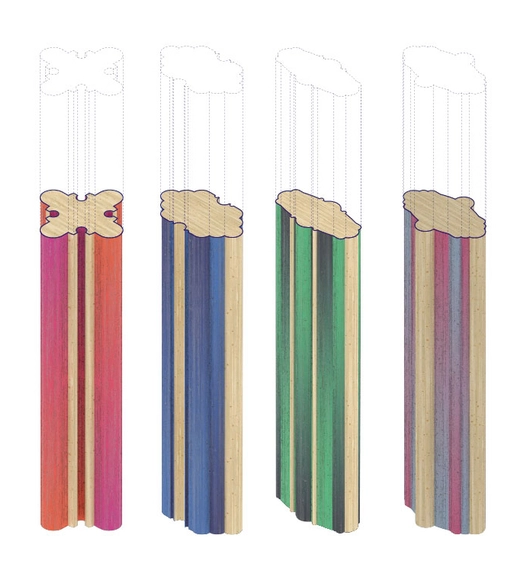
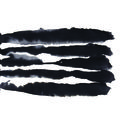
DailyDose—one of ArchDaily'sfive favorite daily newsletters of 2017—have published a collection of drawings submitted as part of an open competition to sketch a composition of just five lines. To celebrate the milestone of their 1000th newsletter which has, over the course of the last five years, delivered 34,297 collected images to inboxes around the globe, one work (by Roberto de Oliveira Castro) will be made available as a limited edition framed artwork by Desplans.
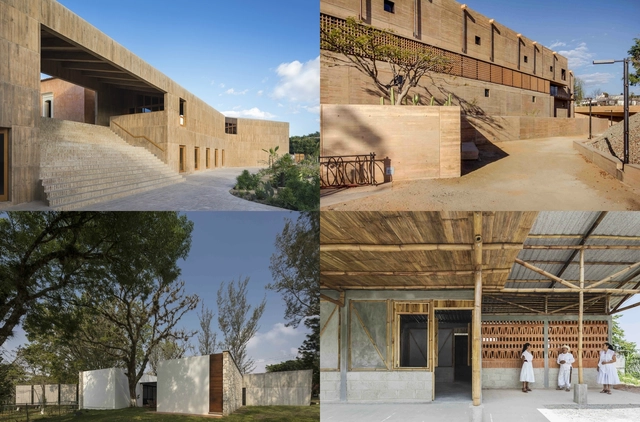
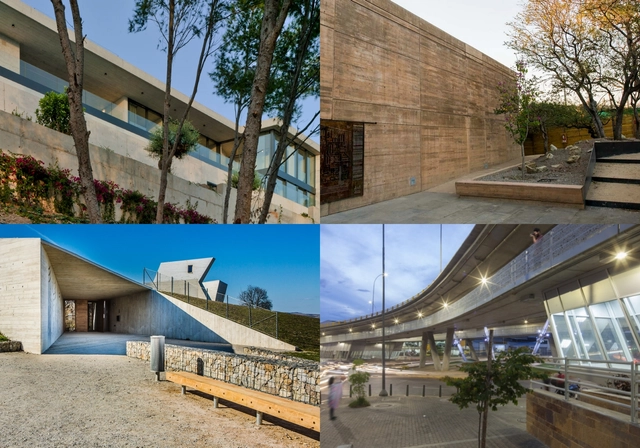
The CEMEX Building Award recognizes the best projects in Mexico and the rest of the world that use concrete in a creative and innovative way, with a focus on sustainability and social welfare. This year, the award received 545 entries in its Mexican Edition, of which 18 were awarded prizes.
The awards ceremony took place on November 9th in Mexico City, with finalists attending from the Czech Republic, France, the United States, the United Arab Emirates and various countries from South America.
Humans are adaptable animals; we have evolved to adjust to, and survive in, many difficult and extreme conditions. In some cases, these extremes are natural, while in other modern cities extreme living situations are created by us, and we are forced to accept and adjust. Here is a list of extreme settlement conditions: some challenging, some wonderful and all of them offering a fascinating insight into how we occupy the planet in 2017.
This week, the Portuguese center for architecture Casa da Arquitectura (House of Architecture) celebrates the opening of its new premises in Matosinhos, Porto. In order to mark the occasion, the architecture museum has planned three days full of activities from the 17th to the 19th of November, with guided tours, performance, talks, music and films.
Within the new gallery spaces, Casa da Arquitectura will hold two exhibitions open to the public, including their inaugural exhibition Poder Arquitectura. Organised by the architects Jorge Carvalho, Pedro Bandeira and Ricardo Carvalho, the exhibition will be open until March 2018, with several talks and debates by national and international figures that have been involved in the exhibition scheduled to take place during this time.
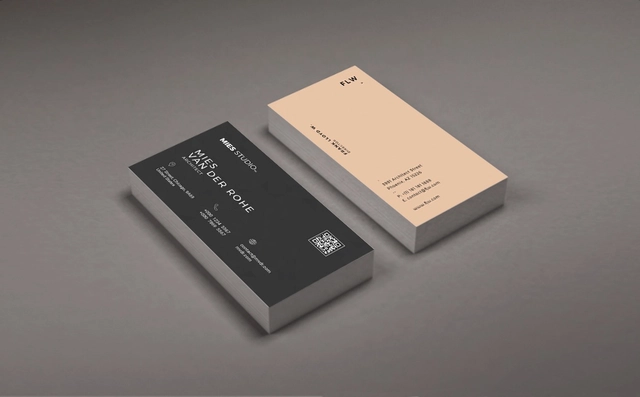
Designing a business card might seem to be a straightforward endeavor but if you've ever tried your hand at designing one from scratch, you've probably wished there was a graphic design consultant around. With this in mind, we've rounded up some classy minimalist templates that will help you take the guesswork out of what to include on your calling card. From ace border spacing and text placement to snazzy (and free!) font recommendations, these downloadable business card templates are ready for you to plug in your information. These templates also serve as an invaluable jumping off point if you're looking for some inspiration for your own designs.
https://www.archdaily.com/883208/free-business-card-templates-for-architectsAD Editorial Team
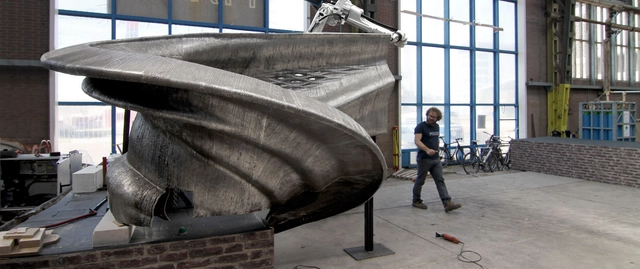
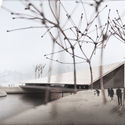
Originally slated to be built in place, further research concluded that the design would have placed too much stress of the canal walls. So it was back to the drawing board, and the studio, where the updated design is now under construction. Featuring complex curves and a 12-meter-span, the bridge is now being constructed by MX3D’s sophisticated 3D-printed robot. And with about one-third of the structure already completed, it is back on schedule for a late 2018 installation on Amsterdam’s Oudezijds Achterburgwal canal.
This short essay was written by Elizabeth Darling and Lynne Walker, the curators of AA XX 100– a multi-media project celebrating the centenary of women in London's Architectural Association (1917-2017).
Established in 2013, the AA XX 100 project was initiated to tell the story of women at the AA, with the aim of commemorating the centenary (this year) of their admission to the school with an exhibition, book, and international conference. When the project began we didn't know the names of the first students but, four years on, we do, and in telling their story—and that of the generations of women who followed them—we see that their history is at once a history of the AA and architectural education, as well as a history of British and world architecture across the 20th and 21st Centuries.
https://www.archdaily.com/883572/paving-the-way-celebrating-a-centenary-of-women-at-londons-architectural-associationArchitectural Association (AA)
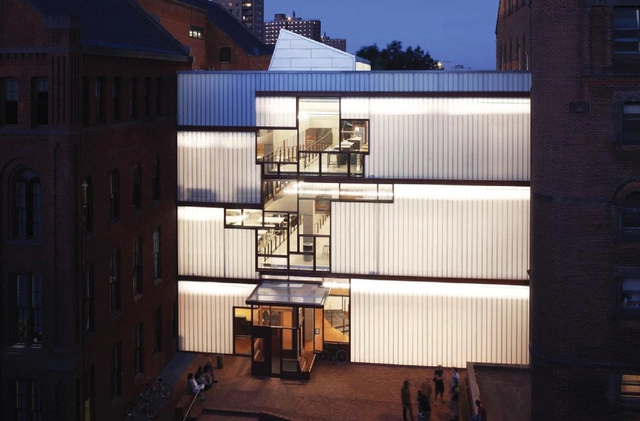
Pratt Institute School of Architecture - Designed by Steven Holl Architects
Since 1887, Pratt Institute has been at the forefront of creative activity in Brooklyn. As part of a leading design institute, the Graduate Architecture and Urban Design (GAUD) is committed to balancing knowledge with understanding. The curriculum is oriented towards integrative learning methodologies, immersing students in a combination of coursework in Design, Technology, Media, and History-Theory, before deepening their study with Directed Research-based Advanced Studios and Electives. The three programs (M.Arch, MS.Arch and MS. Architecture and Urban Design) offer access to some of the field’s leading design thinkers and practitioners and are amplified by a robust lecture series and events.
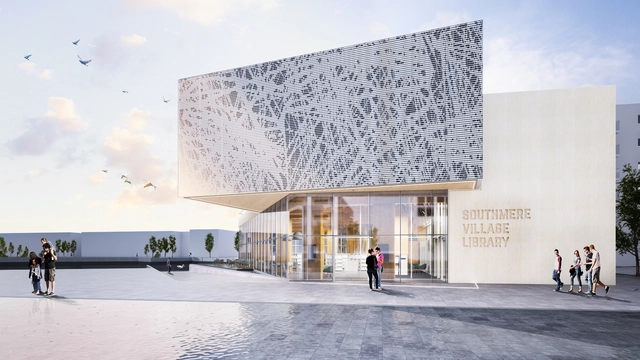
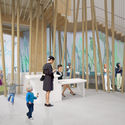
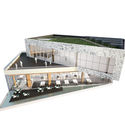
The Royal Institute of British Architects has announced London-based firm Bisset Adams as the winners of the RIBA Competition to design a new state-of-the-art library and civic space in the southeast London suburb of Thamesmead.
Selected from a shortlist that included Architecture 00, Adam Khan Architects, Keith Williams Architects and Reiulf Ramstad Arkitekter, the winning proposal was lauded for its flexibility and iconic design, as well as its connection to the adjacent Southmere Lake and surrounding neighborhood. The new facility will accommodate a contemporary library, learning space, and civic spaces such as health and wellbeing programs.
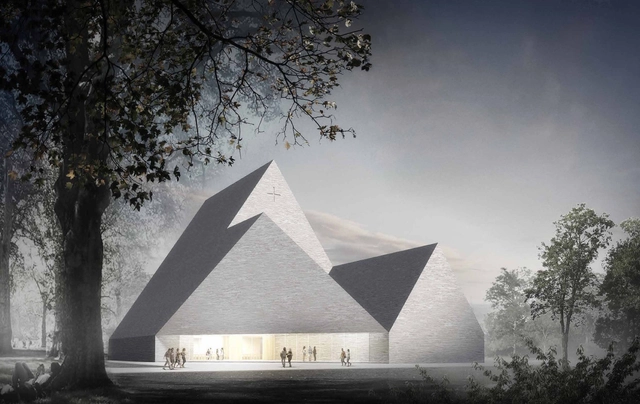
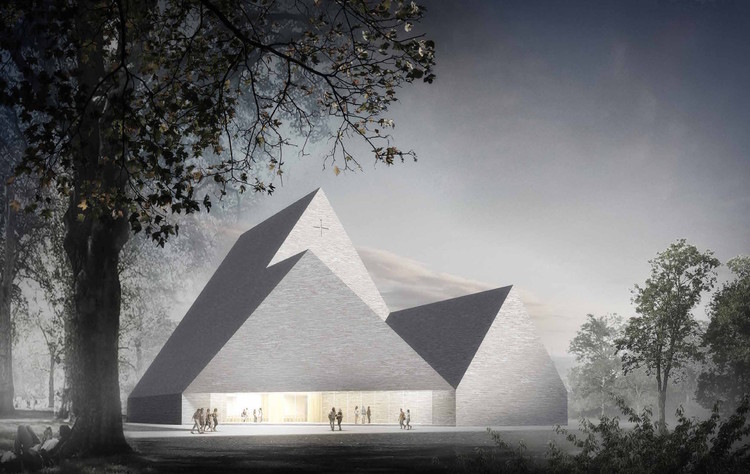
Now, the community is set to start fresh with a brand new church designed by K2S Architects, after the Finnish firm was selected as the winners of a competition for the new Ylivieska Church.
The CEMEX Building Award recognizes the best projects in Mexico and the rest of the world that use concrete in a creative and innovative way, with a focus on sustainability and social welfare. This year, the award received 70 entries in the 5 categories and 4 special awards of its International Edition.
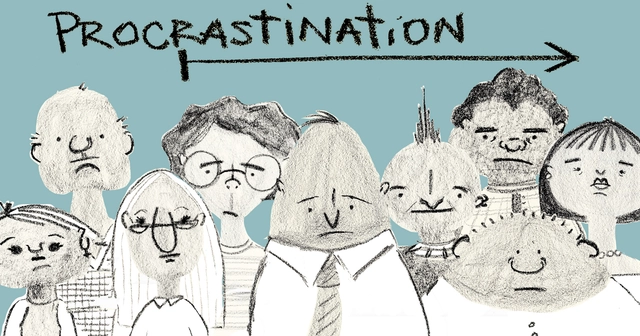
In a hilarious TED talk by world-famous blogger Tim Urban, the procrastinating brain is explained using three squiggly characters: Rational Decision Maker, Instant Gratification Monkey, and Panic Monster. For most of us who procrastinate without fail, the Monkey dominates while the Decision Maker suffers. Panic Monster enters the moment a deadline looms dangerously close—and that’s when all the actual work is done, amid much grumbling, self-loathing and lofty promises of never procrastinating again. But of course, we fail to keep our promises and the wheel keeps turning!
While the internet is full of lists and guides on how to stop procrastinating, for quite a lot of people, those somehow just don’t help at all. And while deadlines, as Urban points out, work for some in terms of getting the work done sooner or later, “long-term procrastination” affects those who must set their own deadlines—think business owners, PhD students, or freelancers. So, how do you get yourself to stop? You don’t! What you need to master is John Perry’s concept of “structured procrastination”—the same concept that Piers Steel earlier explained as “productive procrastination.” Read on for some advice gleaned from pro-procrastination literature.
https://www.archdaily.com/883297/how-to-use-structured-procrastination-to-get-the-best-out-of-your-bad-habitsZoya Gul Hasan
What better way to demonstrate America’s diverse architectural styles than through the country’s most infamous family — The Simpsons? HomeAdvisor has us covered by re-imagining one of TV's most recognizable family homes.
The Simpson family residence is instantly familiar to all, yet their dwelling could have been completely different if they’d embraced one of these popular housing styles.
Christian Weber, a 20-plus year veteran of the Burning Man festival has learned a few tricks on the Playa. Shelter from the harsh Black Rock Desert winds, heat, dust and cold nights are attributes of an experienced camp. “Every year we unload our camp out of the container and use our container as our kitchen. It literally has fold-down tables [and] air conditioning… and when we’re all done, we throw it back in the container and it’s ready to go for next year.”
In this essay British architect and academic Dr. Timothy Brittain-Catlin presents the work of Space Popular, an emerging practice exploring the meaning of and methods behind deploying virtual reality techniques in the architectural design process.
Architectural practice, especially in the UK, is moving fast into a realm where history plays as much a part as medium. But the ways in which architects work have been transformed entirely from those of the past, generating a fundamental conflict: how in practice does design through virtual reality use history? In the earliest days of fly-throughs we all realised that we could show our work to clients in a way that even the least plan-literate could understand. We could develop details three-dimensionally and from different angles, even representing different times of day. But what next? How do we engage historical knowledge and experience of buildings?
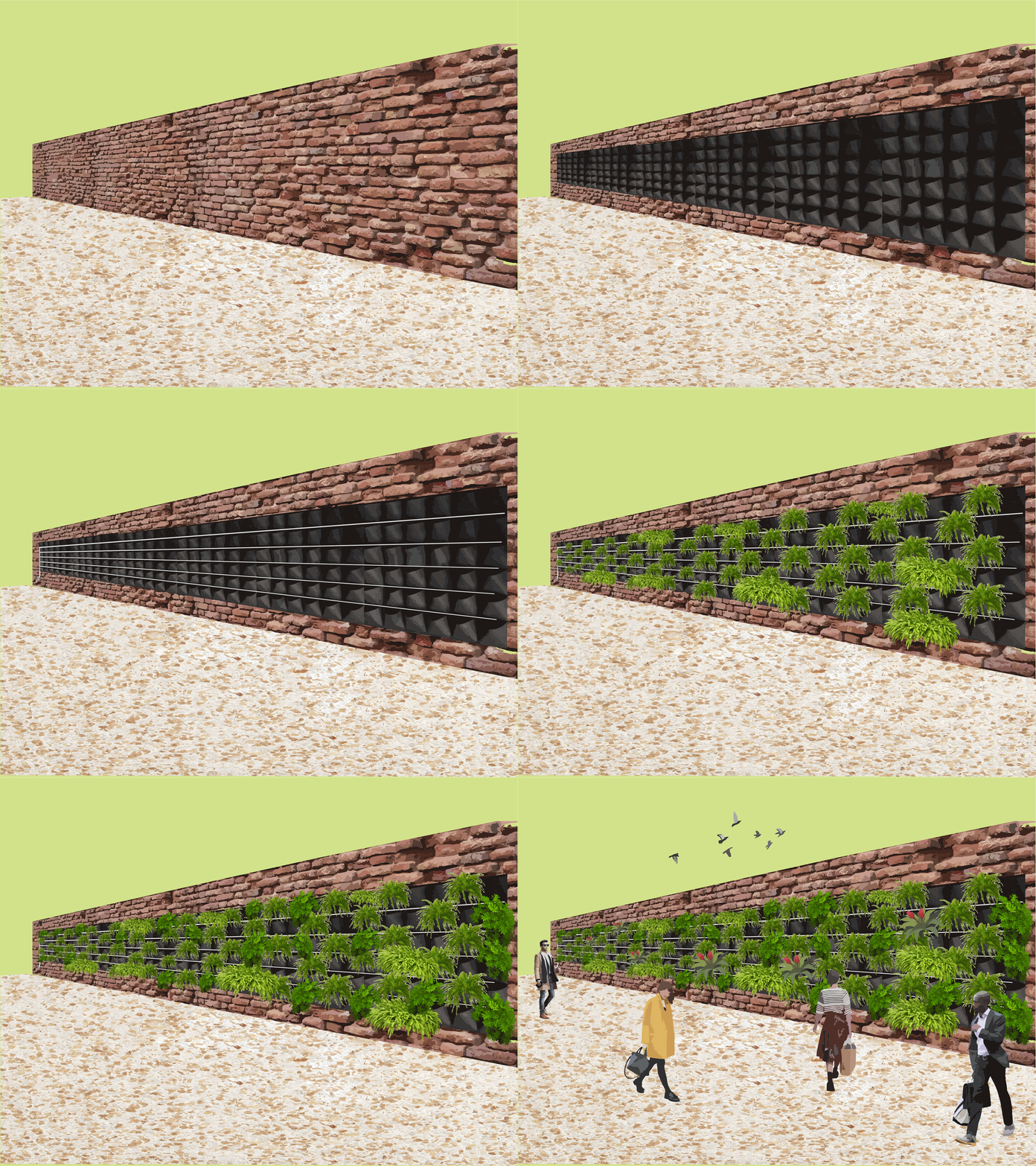
About thirty years ago, French landscape architect Patrick Blanc became a pioneer in the implementation of vertical gardens in Paris, and later in other cities around the world. Through the creation of vertical structures capable nourishing plant species, these systems allow species to grow on the facades of buildings, considerably reducing a structure's internal temperature and allowing the expansion of green areas to new (vertical) territories within the city.
Blanc's creation was part of a series of developments in understanding what nature adds to the city, recognizing the value of green spaces and their contribution to social, environmental and urban policies.
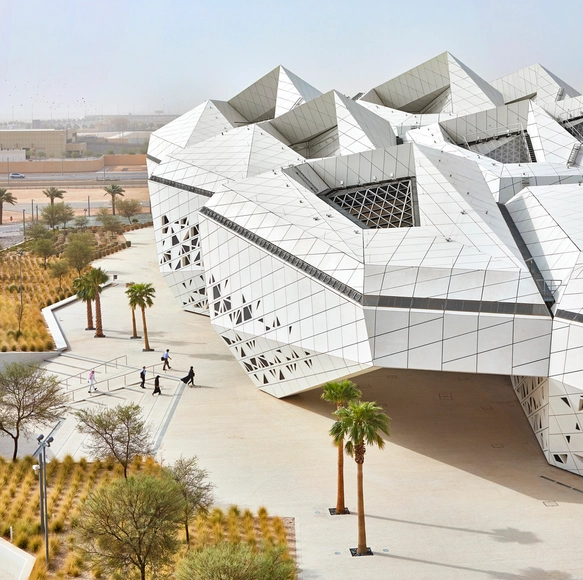
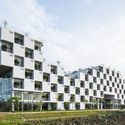
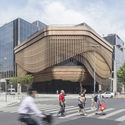
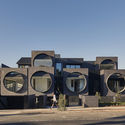
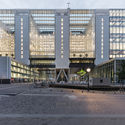
New technological developments in construction have given architects great freedom when designing. Innovations in construction materials and their properties allow for the creation of increasingly original and surprising facades. The buildings constructed as a result can even inspire people to travel thousands of kilometers just to see these masterpieces. This week, we present 15 of most ground-breaking facades through photos by prominent photographers such as Paul Ott, Peter Bennetts and Laurian Ghinitoiu.
Videos
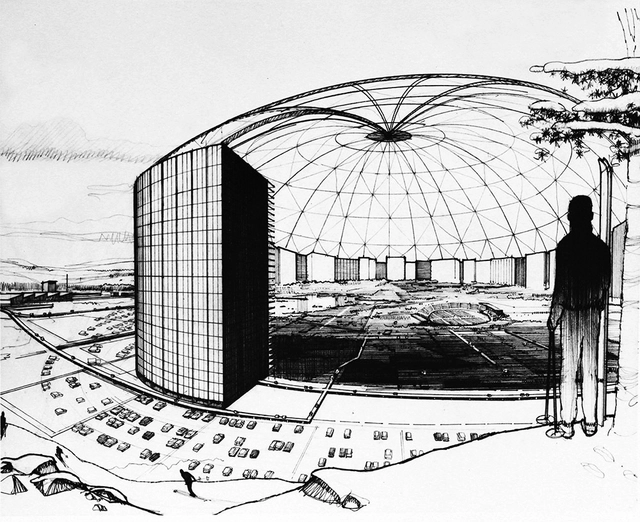
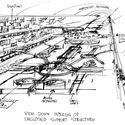
Conceptual drawing of MXC’s primary domed enclosure, proposed to be a mile wide in early discussions, but eventually scaled back. Image Courtesy of The Experimental City Documentary
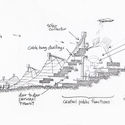
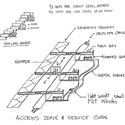
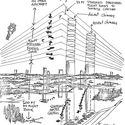
The Minnesota Experimental City (MXC)—a utopian plan for the city of the future that was decades ahead of its time, and yet is surprisingly little-known—was the brainchild of the urban planner and technocrat Athelstan Spilhaus. Spilhaus was a man who saw science as the solution to the problems of the world, and became a public figure presenting his ideas of utopia in everyday life through his comic strip "Our New Age." During the mid-1960s, he conceived an ambitious plan to condense his ideas into a prototype for future cities that would be both noiseless and fumeless, accommodating America's growing population and their by-products.
A new documentary,The Experimental City, explores the development, and ultimately, failure of the MXC's vision for future settlements. Using retro film clips, it takes us back in time to a period where Spilhaus' predictions of computers that can fit into your home and remote banking appeared more of a fantasy than reality. The film is directed by Chad Freidrichs (known also for his 2011 film The Pruitt-Igoe Myth) and was premiered at the Chicago Film Festival, in conjunction with the Chicago Architecture Biennial. Several further screenings will be taking place across the country, including at DOC NYC on November 16th.
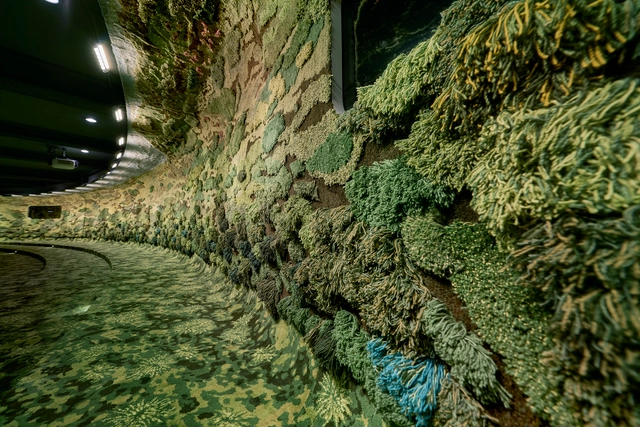
The JUT Foundation in Taipei has recently had its 240-square-meter lecture hall by MVRDV transformed into a mossy art installation with a textile artwork that spans not just edge to edge, but up the walls, by Argentinian artist, Alexandra Kehayoglou. The lecture hall hosts a number of talks and events and requires versatility. The custom moss-inspired carpet adds a level of comfort and interest to what otherwise could have been a monotonous space.
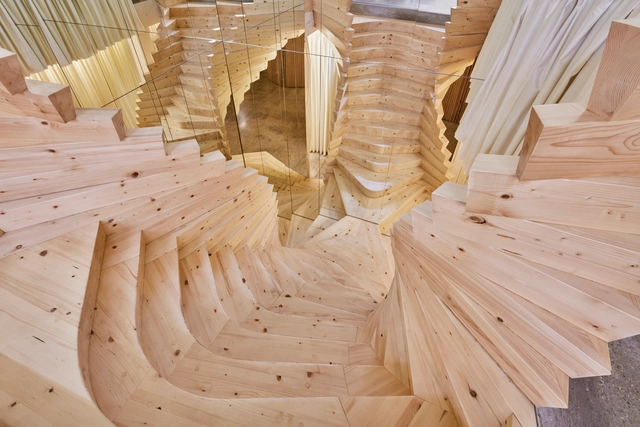
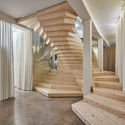
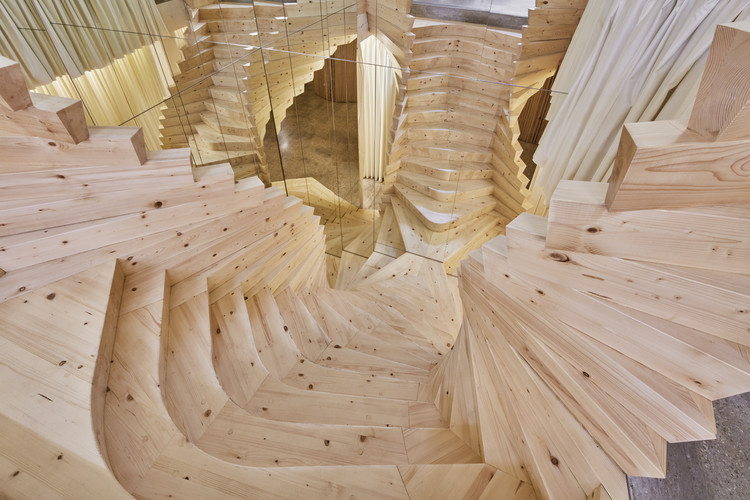
Conventional, straight-forward staircases can step aside to make room for these upgraded twisting and dynamic steps that make going upstairs a fun and enjoyable experience. London based studio, ACME has developed a staircase prototype with modern construction methods and an adaptive design approach.
The massive twin spiral staircase was installed at ACME's own office, which previously, had no usable stair between floors. The project takes inspiration from Coco Chanel’s mirror stair in her Parisian apartment, 31 Rue Cambon. Here, the two sides of the stair were cladded with mirrors and anyone perched at the top can observe the comings and goings on all levels of the atelier.
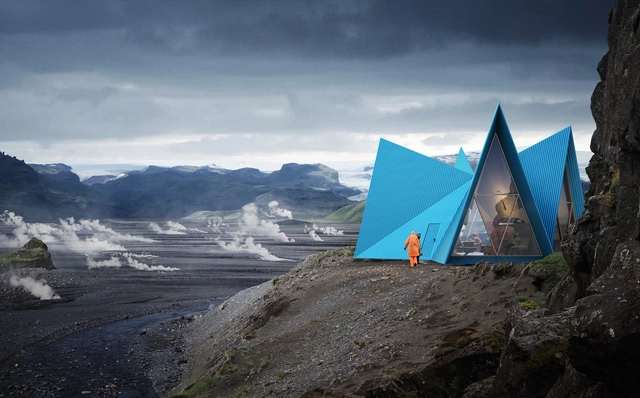
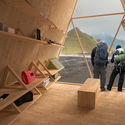
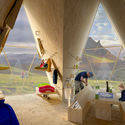
Stockholm-based architecture firm Utopia Arkitekter has designed Skýli, they are bright blue cabins that are popping up in one of the world's most beautiful landscape. The idea came from a desire to develop a structure which could be easily placed along some of the most famous trekking trails in Iceland. Not only are the lodges striking and beautiful in itself, they can be easily constructed and are built to withstand the harshest weather conditions.
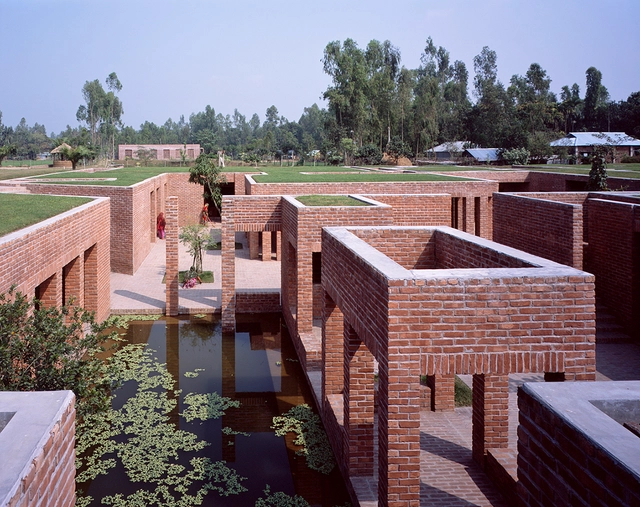
Simplicity is the intent, monastic is the feel. – Kashef Chowdhury
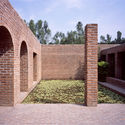
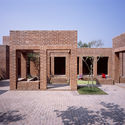
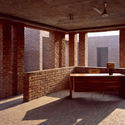
Kashef Mahboob Chowdhury/URBANA’s Friendship Centre in Gaibandha, Bangladesh, seems like a project that is not so much built up in the landscape, but carved out of it. A labyrinth of arches, courtyards, pavilions, and pools, all carefully crafted from handmade bricks, define the space of a facility for a charitable organization—Friendship NGO—who work with remote communities with limited opportunities.









_(2).jpg?1510571993&format=webp&width=640&height=580)



.jpg?1510247252)