The global climate crisis is not only forcing us to rethink architectural design and the way we live, but also the materials and products that shape our built environment, starting from its origins and manufacture. Toward this end, wood has become an efficient alternative to steel and concrete – materials with high levels of embodied energy – and has led to some important architectural innovations that may culminate in its more widespread use worldwide.
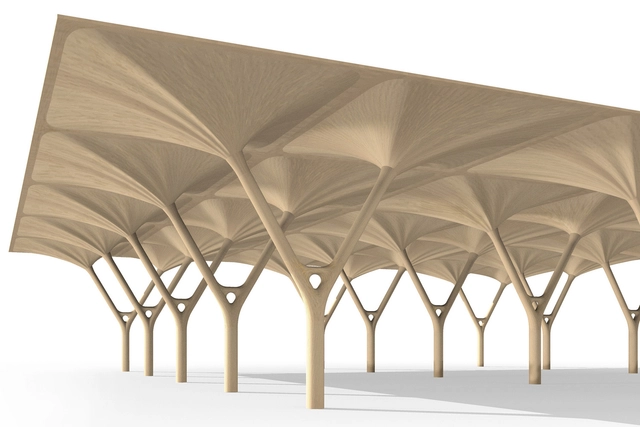
Inspired by the efficiency of nature, Strong By Form has developed Woodflow, a technology that generates wood panels of high structural performance, "combining the optimization of their shape, the orientation of their fibers in relation to the direction of stressors, and the variation in their density for better compression or traction," as explained by its creators. In addition, all of their products are developed in a controlled process through parametric software, integrated into BIM platforms and CNC manufacturing systems.
We talked with Jorge Christie, CTO of Strong By Form, to learn more about this new technology.
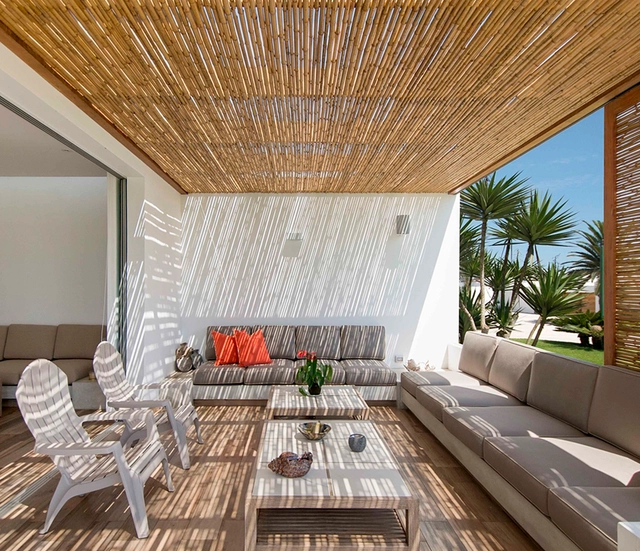
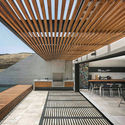
Occupying a substantial chunk of South America's central western landmass, Peru is a treasure trove of both landscapes and natural resources. Within its three regions--coastal, mountain, and rain forest--there is little variation in summer and winter temperatures and, except for its high mountain areas, its climate stays between tropical and subtropical. Thanks to the lack of weather extremes, outdoor activities--and the spaces in which to do them--are a principal factor in designing homes and other buildings. Pergolas and other semi-coverings make it possible to create or expand shaded areas, allowing you to enjoy the outdoors in the comfort of your home.
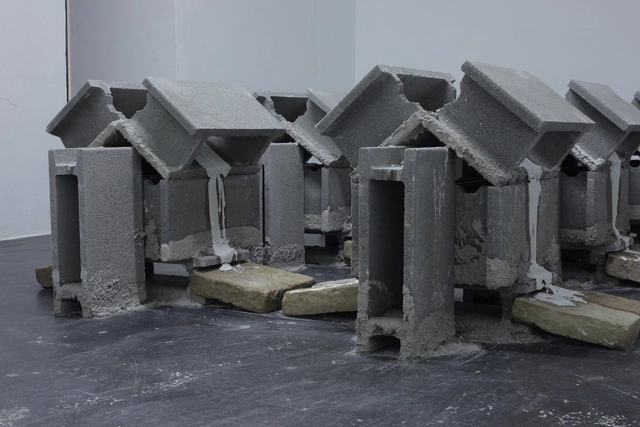
As the world of construction becomes more automated, driven by economy, speed, and bureaucracy, architect and professor Marc Leschelier has created an exhibition at the Architektur Im Magazin Vienna, Austria, which inverts this trend. Titled “Cold Cream” the exhibition creates a secluded space, dissociated from the world, where the practice of construction is reduced to the struggle between soft and hard matters as well as spontaneous rises. The exhibition is therefore not an act of architecture, but rather approaching a form of pre-architecture.
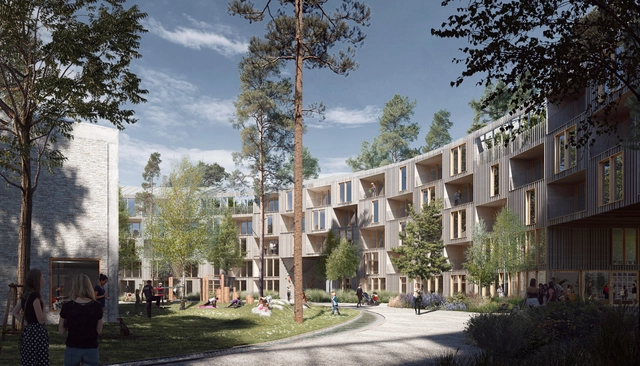
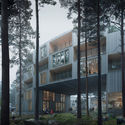
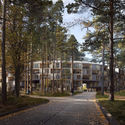
Schauman & Nordgren Architects, a Copenhagen and Helsinki based architecture and urban planning studio, was selected as the winner of the two-stage competition, organized by the city of Turku in Finland, to transform a former elderly home site into a new 15.000 m2 housing neighborhood.
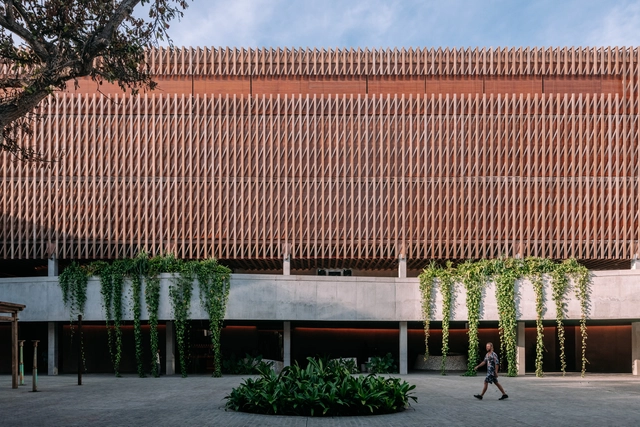
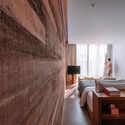
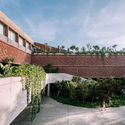
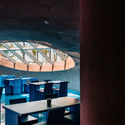
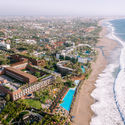
OMA has just finalized Potato Head Studios, a hotel, first of its kind, dedicated to both guests and the local community. Located in Seminyak, Bali, the building’s design, led by David Gianotten and project architect Ken Fung, opens the ground floor for public cultural events and activities.
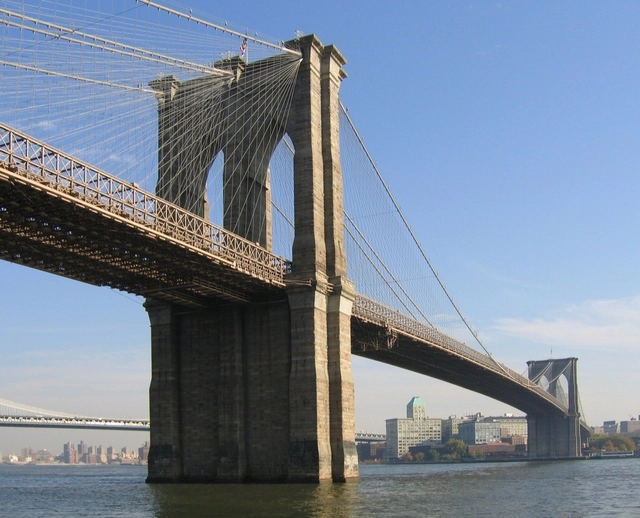
New York City Council and the Van Alen Institute have announced a new design competition to reimagine the Brooklyn Bridge. The international competition seeks creative, unconventional designs that respect and enhance the bridge’s landmark status, think inclusively about mobility and access, and accommodate commuters, visitors, and vendors.
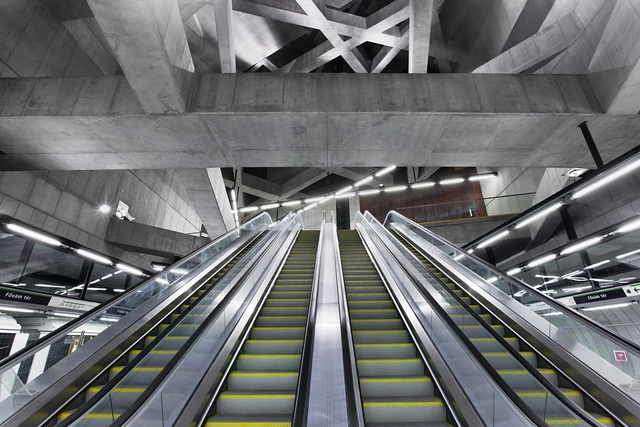
This time last year, Hungarian Prime Minister Victor Orbán stood at a podium in a pristine new subway station. Raw concrete beams criss-crossed above him; state-of-the art, driverless trains stood silently beside him. It was the opening ceremony for Line 4, a subway line that due to delays, corruption, and disputes had been 40 years in the making.
“The people of Budapest began to accept the thought that only their grandchildren would use Budapest’s new Metro line, or not even them.” Orbán told the crowd. He recounted an old joke that embodied the cynicism that once surrounded the project: Chuck Norris had been on Metro Line 4.
Orbán credited the line’s completion, which occurred only a few weeks before the 2014 parliamentary elections, to “the solidarity and unity that was established in 2010 [when Orbán’s government took power] and has since been maintained.” He didn’t mention how, under his first government (1998 to 2002), he had withheld funds from the project, contributing significantly to its delay. Nor did he mention that his party had fought against the idea that the line, an expensive infrastructural project, needed architecture at all.
Today, though, the line’s stunning architecture is its most noticeable feature. Line 4 is not just a watershed achievement in Hungary’s history, but also a symbol of what it takes to make contemporary architecture in Hungary today. Both literally and figuratively, contemporary architecture had to go underground.
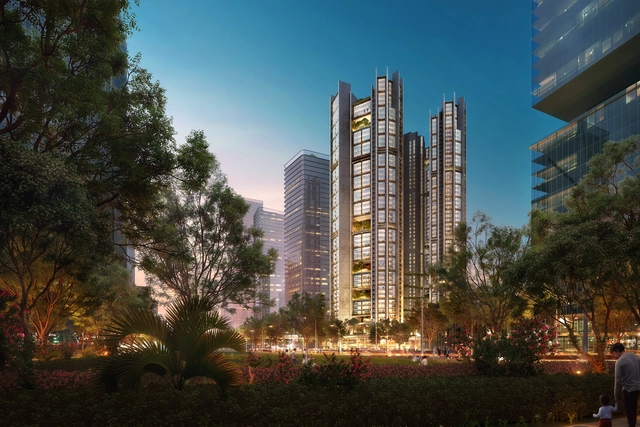
Talent's Apartment. Image Courtesy of Foster + Partners
Foster + Partners have designed a new residential tower project for the Qianhai Talents’ Apartments in Shenzhen. The winning competition design takes aim at the city's rental market, formed as a building exclusively for ‘talents’ – professionals who would have an intensive work-centered lifestyle. Exploring themes of privacy and exclusivity, the project aspires to create modern layouts that redefine the residents’ living experience.
For the first time, the World Architecture Festival will take place in Lisbon, form the 2-4 December 2020. The annual global awards program is now open for entries to all international architects and designers. WAF attracts more than 1000 entries each year to compete in Completed Building, Future Project and Interior categories.
World Architecture Festival is the only architecture awards where all shortlisted practices present their projects live, in front of festival delegates and the judging panels at the festival in Lisbon.
Asif khan studio has unveiled images of his first intervention for the public realm of Expo 2020 Dubai. Running from the 20th of October 2020 till the 10th of April 2021, The World Expo will have three majestic Entry Portals to welcome visitors from all over the world.
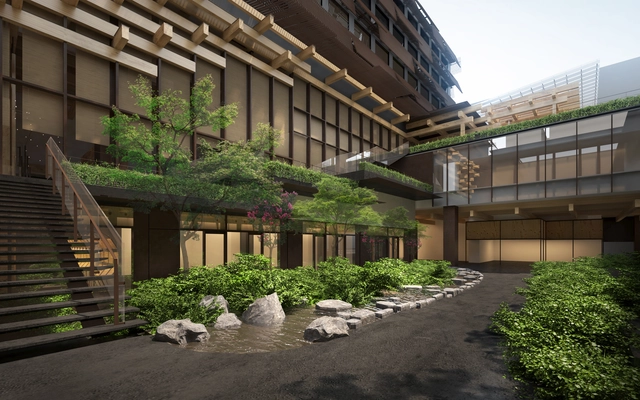
Set to officially open by Spring of 2020, Ace HotelKyoto, designed by Kengo Kuma, is a 213- room hotel in Japan. With a program that stretches over a newly built part and an existing historical fragment, that once hosted the Kyoto Central Telephone Company created by Tetsuro Yoshida, the structure is envisioned as a "Cultural Catalyst".
Following an exciting week of nominations, ArchDaily’s readers have evaluated over 4,000 projects and selected 5 finalists in each category of the Building of the Year Award.
Over 50,000 architects and enthusiasts participated in the nomination process, choosing projects that exemplify what it means to push architecture forward. These finalists are the buildings that have most inspired ArchDaily readers.
But before we get to shortlisted nominees, we want to emphasize the values embodied by this awards process. As the world’s largest platform for architecture we are acutely aware of our responsibility to the profession, and to the advancement of architecture as a discipline. Since our mission is directly related to the architecture of the future—in inspiring and educating the people who will design the urban fabric of the future—the trust placed in us by our readers to reflect architectural trends from regions around the whole world creates challenges that we are eager to rise to. The democratically-voted, user-centered Building of the Year Awards is one of the key pillars of our response to these challenges, aiming to tear down established hierarchies and geographical barriers.
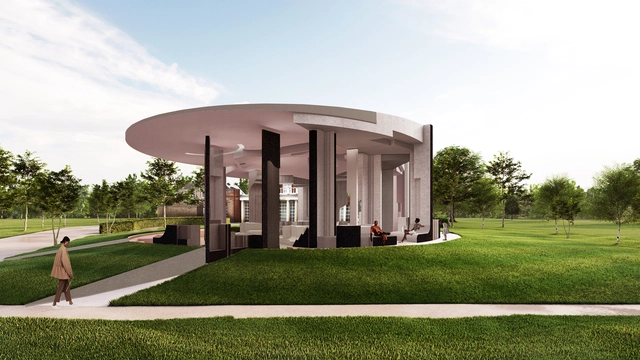
Counterspace, a practice based in Johannesburg, South Africa, has been selected to design the Serpentine Pavilion 2020. The youngest architects to be commissioned this internationally renowned program, Sumayya Vally, Sarah de Villiers, and Amina Kaskar, are an all-women team leading the collaborative architectural studio.
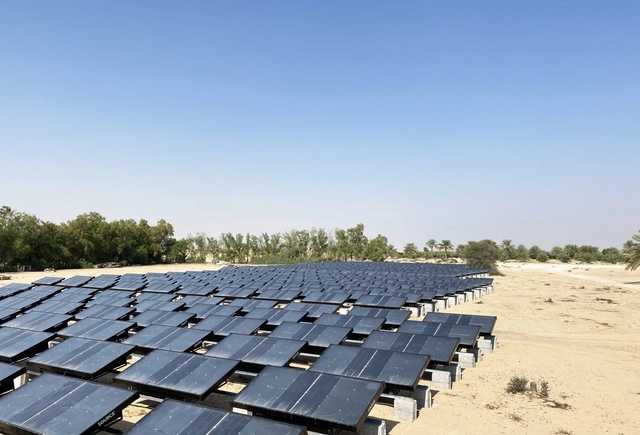
As the climate crisis continues to unfold, professionals in architecture, engineering, and sustainable design have relentlessly searched for new ways to mitigate the negative effects of modern industrial production. One group of such innovators, Zero Mass Water, have contributed to this effort through their creation of ‘the world’s first and only hydropanel’ - an apparatus called SOURCE.
https://www.archdaily.com/932519/generating-water-from-air-humidity-to-face-global-droughtLilly Cao
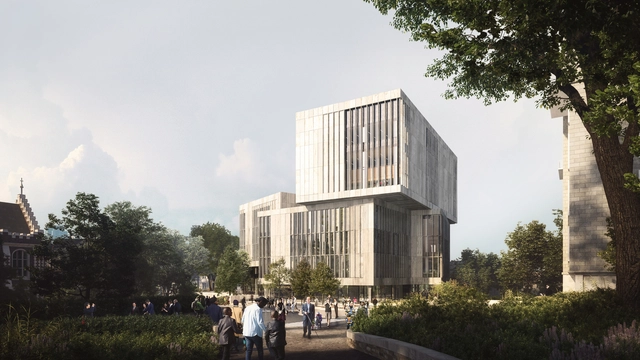
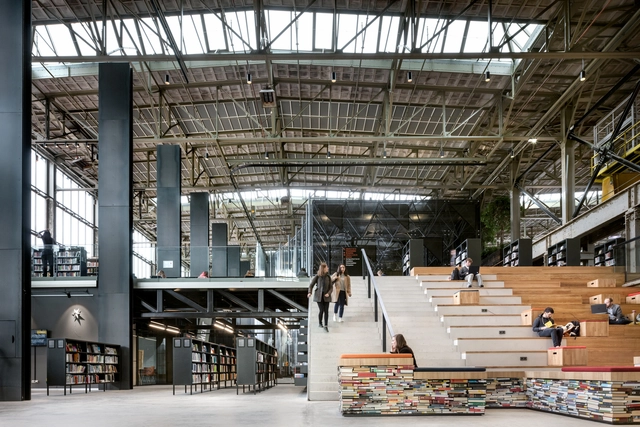
Planning application has just been submitted for a new landmark library, for the University of Bristol. The latest addition, designed by a collaborative team formed by Schmidt Hammer Lassen, Hawkins\Brown and BuroHappold, is set to transform the heart of the campus.
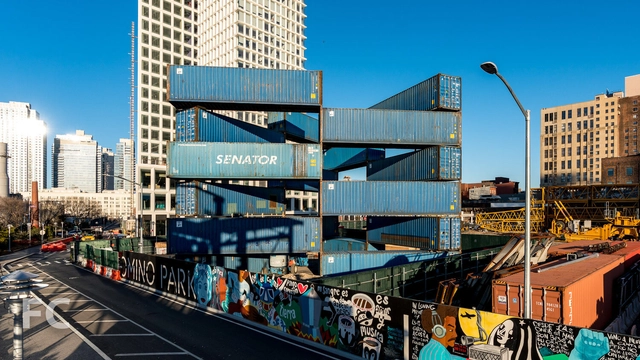
Architecture practice LOT-EK's Triangle Stack #2 project is now open at Domino Park in Brooklyn. Designed for the Brooklyn Museum to support an urban-scale mural by the artist JR, and create an instant public space, the 60-foot tall triangular courtyard opens to the city and the sky. These "STACKS" are temporary large-scale installations that aim at creating sudden and powerful experiences in public space.
Around the world today, the "Climate Emergency" continues to embody a renewed worldwide focus on tackling climate change. With 36% of global energy devoted to buildings and 8% of global emissions caused by cement alone, the architectural community is deeply entwined with the flows of materials, energy, and ideas that relate to climate change, both causes and solutions.
https://www.archdaily.com/933459/the-carbon-cost-of-key-raw-materials-in-architectureNiall Patrick Walsh
Videos
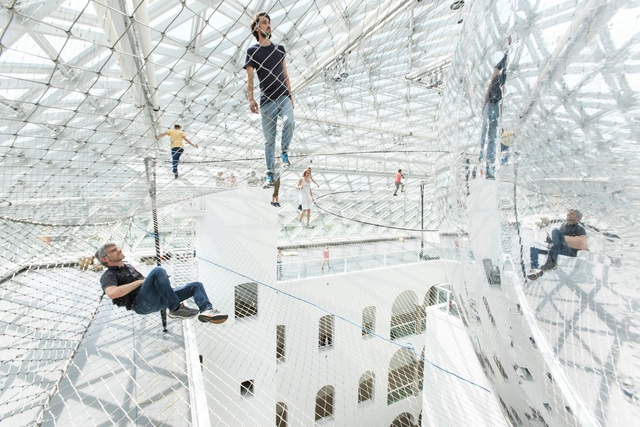
'In Orbit' Installation. Image Courtesy of Studio Tomás Saraceno
Tomás Saraceno takes us around his Berlin studio, in a short segment video, shot during his recent exhibition 'Algo-r(h)i(y)thms' at Esther Schipper gallery. The Argentinian artist’s atelier, “a space for experimentation and testing out intricate ideas”, contains a room dedicated to his recent studies around spiders.
Chilean architecture has a strong relation to the unique geography and climate of the country. Germán del Sol is recognized as one of the most prolific Chilean architects working with these demanding conditions, with projects across the country that enhance and rediscover the natural landscape, through architecture that uses natural materials, local techniques, and a profound sense of the place.
Photographer and filmmaker Pablo Casals-Aguirre revisits the Remota Lodge in Patagonia, one of the most celebrated projects by Germán del Sol, in a video that is able to transmit not only the static relationship with nature, but also the experience of inhabiting the landscape from the building.
The wild landscape of the Patagonian plains covers also the roofs of the buildings. The roofs concrete slabs are coated with the same synthetic asphalt membrane and a carpet of wild grasses 2 feet high [...] The ever changing light of Patagonia enters the building through the sequence of vertical cuts of the windowpanes. Then it surrounds big concrete or wooden pillars, and slides along the ceilings wooden trellises that hang well under the concrete slab. - Germán del Sol
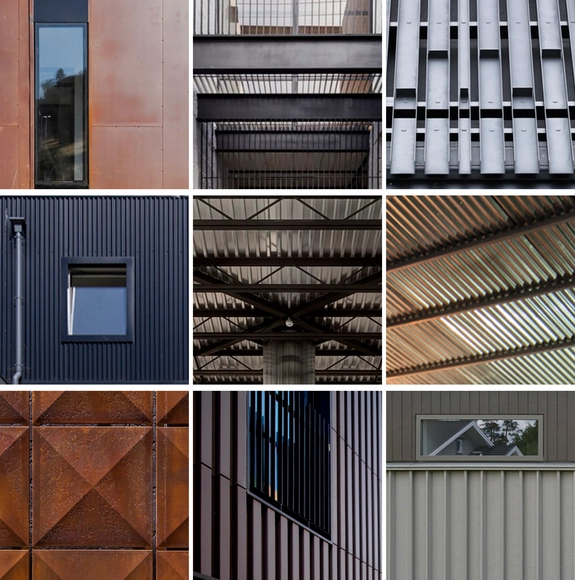
The use of steel in both the past and present is mainly associated with the success of grand industrial and civic structures. But due to the commercialization and standardization of steel profiles, its use in residential projects (thanks to its mechanical properties and fast installation) has resulted in complex and interesting solutions on a domestic scale.
Dive into these 15 construction details from residential projects that have made use of steel structures and cladding.
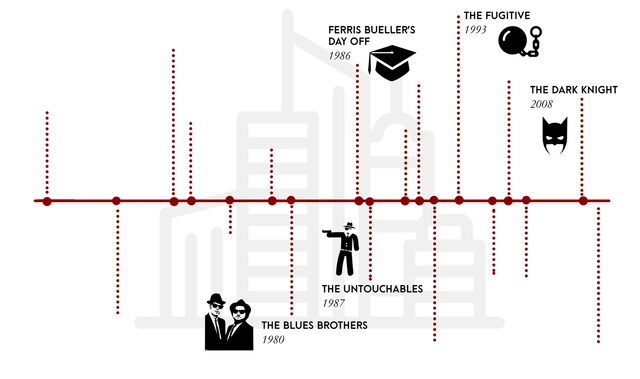
Timeline showing iconic films set in Chicago. Created by the authors. Image Courtesy of Kathryn H. Anthony, Fernando Nebot Gómez, and Yashasvini Rao
Chicago is one of the most photogenic cities in the world. Its sparkling lakefront, dramatic skyline, diverse ethnic neighborhoods, and gritty industrial sites have long captured the attention of locals and visitors alike, including Hollywood movie producers. Here the city often serves as not only a backdrop, but also as a starring role--almost as important as the characters themselves.
https://www.archdaily.com/930654/from-gangster-city-to-gotham-city-the-changing-image-of-chicago-in-hollywood-filmsKathryn H. Anthony, Fernando Nebot Gómez, Yashasvini Rao
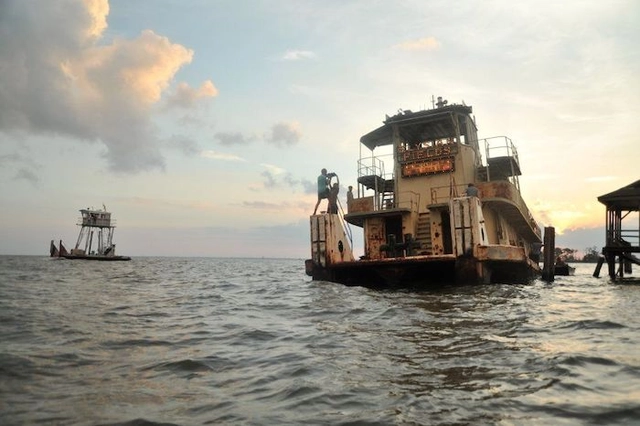
Beasts of the Southern Wild. Image: screenshot do filme
Architecture enjoys a close connection with moving picture, perhaps because of the limitless imagination it allows. Our mind can be taken far away to utopian worlds where we live different realities with our eyes and skin; movies can carry us to new and distant places, where we face new unusual realities.
However, besides carrying us to distant places, movies can also be a vehicle of social criticism. This is not news, as it has been done for almost as long as cinema has existed. The evolution of this role is relative to the topic of critique that has developed over time, as have our habits and ways of living. In this sense, one of the most emerging problematic of nowadays is climate change.from architecture to arts and, clearly, the movies.
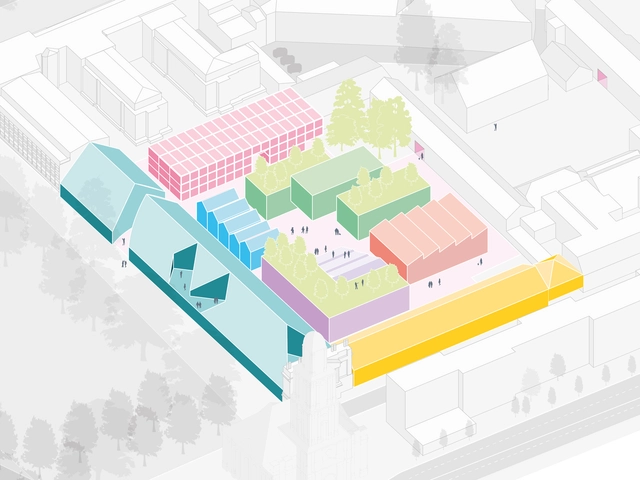
MVRDV has won a competition to create a master plan for a new cultural and creative quarter in the heart of Potsdam, Germany. The project designed for developer Glockenweiß was acclaimed for its particular approach in creating considerably more space than required in the initial brief.



















.jpg?1581411207&format=webp&width=640&height=580)
.jpg?1581410964 "© Helene Binet")
.jpg?1581411372 "© Helene Binet")
.jpg?1581410853 "© Helene Binet")
.jpg?1581410986 "© Helene Binet")
.jpg?1581411207)