Fotografía base via Wikipedia. Autor: AngMoKio. Licencia bajo CC BY-SA 2.5 . Image Cortesía de 90Grados Arquitectura-Renderings
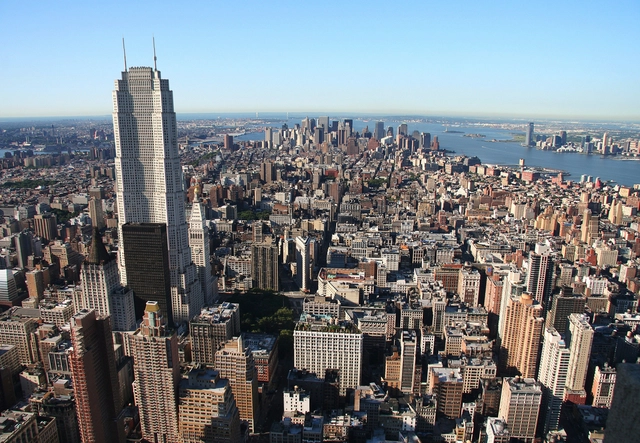
90Grados specialises in creating high-quality architectural renderings - and this time they present the virtual construction of a skyscraper that was left unfinished in New York after the Great Depression of 1929: the Metropolitan Life North Building.
https://www.archdaily.com/975817/what-would-the-unfinished-metlife-north-building-in-new-york-have-looked-likeArchDaily Team
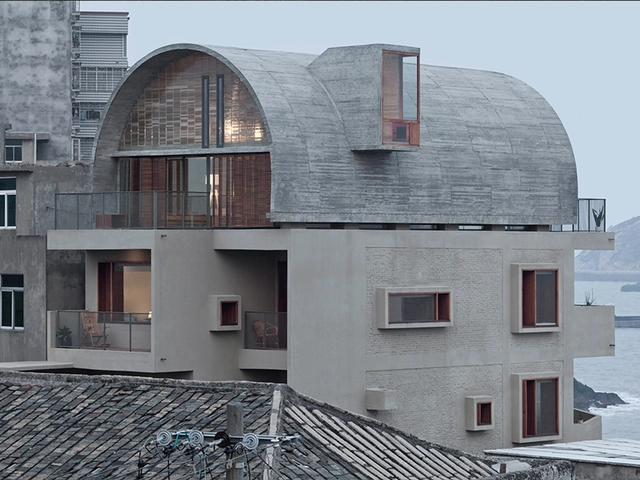
Captain's House. Image Courtesy of Vector Architects
In 2014, a home reconstruction program called "Dream home" was launched in China, inviting architects and interior designers to redesign some old houses that have problems. Some of these homes are oddly shaped, some are tiny, and yet others have extremely inadequate lighting. The design concepts conveyed by the designers together in this program are respect for people, understanding human relationships, and the definition of home. These renovations or reconstructions are not just home updates for clients, but a reinterpretation of "home" that gives them a new life with dignity.
In terms of Covid, 2022 is more likely to be like 1920 than like 2020 or 2021. “Change or die” is a cliché, but often a true one. The past two years under the pandemic have forced many kinds of changes across society that may have helped prevent a lot of deaths. But many other aspects of our culture had already been changing in ways that predated the pandemic, gradual shifts that, once Covid hit, became instant and ubiquitous: remote work, remote learning, the dominance of online shopping and the death of brick-and-mortar retail, the obsessive focus on health and well-being. All of this, and more, is now a fundamental aspect of our daily lives.
Looking back at 2021, two pivotal developments exerted a transformative influence on the architectural design community.
The first was the passing of High-Tech pioneer Richard Rogers (Richard Rogers). German art historian Hans Belting once remarked: "When people call for a new art, it is architecture and design that step forward as a symbol of a new society, carrying the hope of changing living space. And as people envision changes to their living space, they themselves change as well." Rogers was among the first to step forward at the close of the 20th century. His bold, rebellious, and iconoclastic design approach unlocked a new paradigm for the urban landscape. Having practiced continuously until his retirement last year, his career was a constant testament to the critical importance of design direction. In turn, one cannot help but ask: as the giants of our era gradually depart, are we prepared to shoulder the true mission of architecture?
The second was the controversy surrounding architect Tao Lei's design on the television show Dream Home. A 1.32-million-yuan red-brick house designed for an elderly client was met with widespread online backlash, laying bare the deep friction between architectural aesthetics and daily life. It prompts us to ask: Is the aesthetic pursued by architects truly aligned with the expectations of everyday people? Can architectural design reshape public aesthetic perception? Does social class dictate design outcomes? And should a project be dismissed based on sensationalized, fragmented headlines by those who have never actually experienced the space?
"Despair, like hope, is but vanity." ArchDaily’s keyword for this year is: Cultivating internal strength and external reach.Internally (Platform Responsibility): Providing tools, inspiration, and knowledge gathered from all directions to continuously overcome, triumph, and transform, building a broader "design universe." Externally (Communication Responsibility): Stepping outside the architectural "comfort zone" to center public needs, delivering clearer insights and evidence-based processes, and crafting more creative architectural content.
https://www.archdaily.com/1132314/2022-cultivating-inside-and-out-archdailys-new-years-resolution韩爽 - HAN Shuang
The public architectural design competition for the Velodrome in Gibraltar Metropolitan Park in Bogotá, D.C., was organized by the District Institute for Recreation and Sport (IDRD). Located in the Kennedy locality, the competition—with advisory support from the Colombian Society of Architects (SCA)—aimed to select a preliminary architectural proposal for the design, technical studies, architectural and technical coordination, and related design tasks.
The jury comprised architects Leonardo Álvarez Yepes (representing SCA Bogotá D.C. and Cundinamarca), María Elvira Madriñan Saa and Fernando Montenegro Lizarralde (representing the SCA National Presidency), and Nelson Yovany Jiménez and Felipe Alberto Morales Sánchez (representing the District Institute of Recreation and Sport). Out of 17 submissions, three prizes and several honorable mentions were awarded. Read on to learn more about the winning projects.
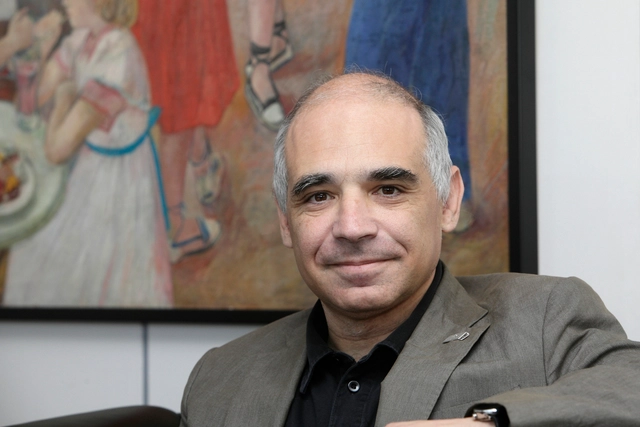
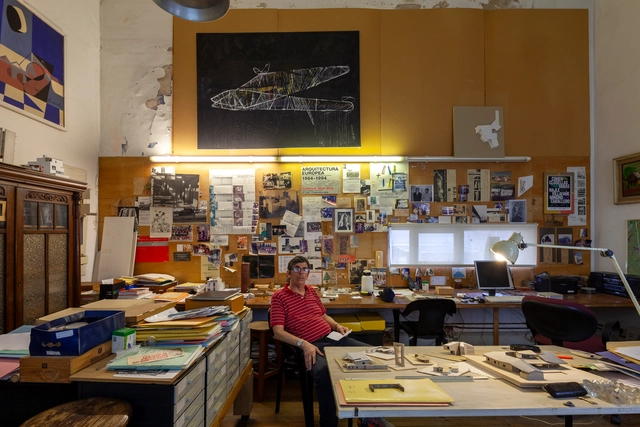
Marcelo Villafañe (1951), an architect from Rosario, passed away on Wednesday, January 26, as announced on social media by the Colegio de Arquitectos Distrito 2.
Whether or not architecture is an art, buildings and spaces shape daily life. Pushing the boundaries of architecture and the categorization of art, contemporary investigations between disciplines are rethinking tradition. As transformations grounded in human experience, these installations and structures share qualities of purpose, function and creative expression. At the same time, they reorient the limitations and possibilities of each profession.
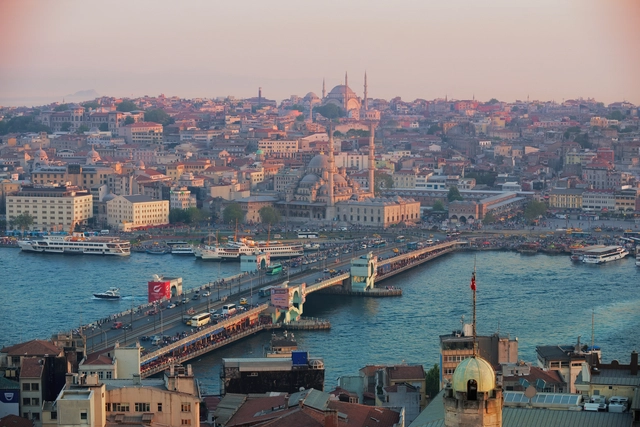
Istanbul, Turkey. Image via Shutterstock by kukuruxa
Bloomberg Philanthropies has announced the 15 winning innovations of its 2021-2022 Global Mayors Challenge. Hailing from six continents, the chosen projects "seek improvements in the areas of economic recovery and inclusive growth, health and well-being, climate and environment, and gender and equality". The winning cities include Istanbul, Rotterdam, Butuan, and Wellington, and will all receive $1 million and external support to develop their programs.
Earlier this month, a series of cities worldwide have revealed various initiatives that would help them better understand the effects of climate change and shape a more environmentally conscious environment. From several American cities creating digital twins to help curb carbon emissions to the city of Brighton mandating bee bricks to foster biodiversity and Central Park becoming a laboratory for studying climate change adaptation in urban parks, cities take on a multidisciplinary and multi-scalar approach to environmental issues.
Designing houses in tropical climates, as is the case in Brazil, means paying special attention to openings, both in relation to the functioning and conviviality of the house, as well as in relation to issues of environmental comfort. In this article we bring you 16 Brazilian homes that take advantage of their strategic openings to create cozy, stunning, well-lit and ventilated environments.
The United States Artists Fellowship Award is an annual grant that recognizes the "most compelling artists working and living in the United States, in all disciplines, at every stage of their career". Every year, individual artists are anonymously nominated to apply by a diverse group of scholars, critics, producers, and other arts professionals. Among the 63 recipients of 2022, 5 were selected from the fields of architecture and design with the aim of strengthening and enriching the industry and their communities.
Latrinas medievais. Image Cortesia de Geopizza, usada sob os termos de "fair use"
The bathrooms that we usually have in our homes are legacies of European colonization around the world. Its current form, however, dates back millennia and would not have been possible without investments and the evolution of basic sanitation.
The health of a population is directly related to the physical environment it inhabits, as stated by Hippocrates in his text “Airs, waters and places”, written during the 5th century BC, in which the Greek thinker known as the 'father of medicine', states that in order to properly investigate health and the cause of disease it is necessary to observe and understand the inhabited environment from the seasons, the wind, the water, its geographical position, the land and the landscape and also the habits of the people who live there. Each civilization has developed a way of dealing with what we understand by sanitation today, depending on its time and also on its geographical, cultural, political and economic context.
Michael Beneville opened his studio in the Flatiron district of New York City a decade ago. The renovated two-floor office has 20-foot-high ceilings, custom furniture, and a wall of arched windows that look out onto 19th Street. Beneville and his team haven’t been inside the studio together on a regular basis for months—at least not physically. The employees of the small creative studio, known for its design work on immersive experiences like Las Vegas’s mega–entertainment complex AREA15, are scattered across the country due to the pandemic, but they regularly gather in a virtual replica of the studio for meetings, sitting around a digital table, their avatars carrying digital cups of coffee.
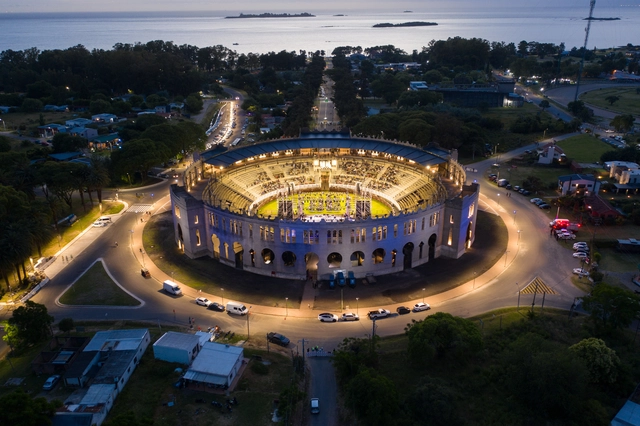
Recently opened in December 2021, the Plaza de Toros Real de San Carlos has been restored and repurposed to become a multi-purpose performance venue with a capacity for around 2,500 spectators in the stands and over 2,000 in the arena. Located in Colonia del Sacramento, Uruguay, this work, originally built by architect Josip Marković and engineer Dupuy, adopted a Neo-Mudéjar style, echoing the Spanish bullrings of that era.
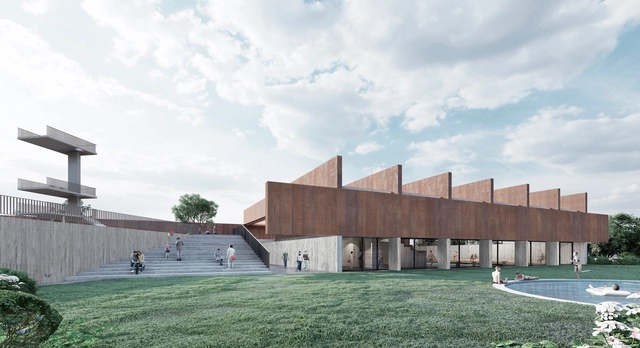
The New Municipal Swimming Pool of La Calera project in the Valparaíso Region is about to begin construction, as announced by the firm Gubbins Polidura Arquitectos on social media.
Focused on 3 main titles, "the European city: a model for the sustainable smart city", "defining common European culture while reflecting the diversity of expression" and "an architecture that has social impact and transmits a cultural message", we have grouped the selected projects, nominated by a jury formed by Tatiana Bilbao, Francesca Ferguson, Mia Hägg, Triin Ojari, Georg Pendl, Spiros Pengas and Marcel Smets to give a better understanding of the selection criteria and the architectural situation in Europe.
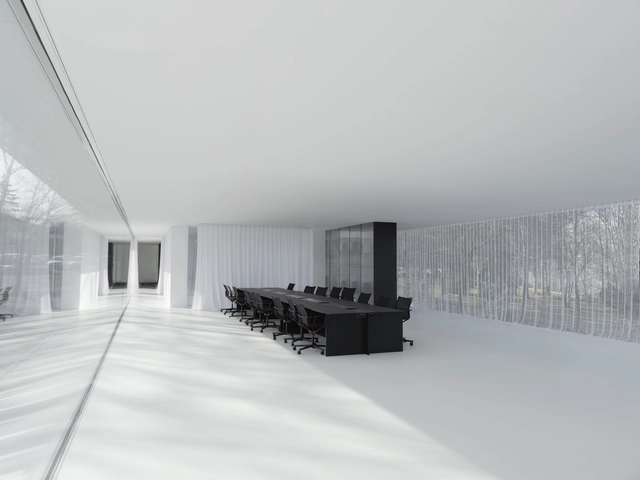
As we continue to navigate the ongoing pandemic, the future of offices and workspaces has been widely debated. However, some immediate effects are clear: the rigid, primarily in-office model has been quickly replaced by hybrid work, with adaptability and comfort becoming the top priorities. Therefore, even as long-term consequences might be unclear, businesses will certainly have to strive for the right balance between traditional and remote methods in order to promote efficiency and employee well-being. From a design and architecture perspective, demand will focus on flexible working environments that foster creativity, productivity, and comfort – as well as addressing the associated technological, economic, and sustainability challenges.
Continuing its long-lasting collaboration with Prada, OMA’S research and design branch AMO created a cinematic scenography for the brand’s 2022 Fall Winter Menswear show. Yellow carpeting envelops the hall of Deposito at Fondazione Prada, reimagined as a theatrical setting with olive-green theatre chairs and stage lighting. In juxtaposition, sci-fi looking metal-clad tunnels bathed in neon lights emphasize “the uncanny relationship between the theatrical and technological atmospheres”.
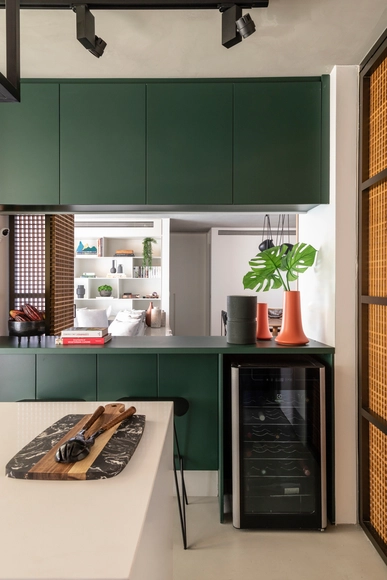
Although they are not considered long-stay areas in a home, kitchens and bathrooms are spaces where functionality is essential for the daily lives of residents and visitors. Of all the elements in wet areas, the ones that need special attention are the worktops. In this text we will point out some tips for designing functional wet area countertops, easy to maintain and appropriate for their uses.
The Royal Institute of British Architects (RIBA) has named Friendship Hospital in Bangladesh, designed by Kashef Chowdhury/URBANA as the winner of the 2021 RIBA International Prize, the biennial award highlighting worldwide projects that "demonstrate design excellence and social impact". The remote community hospital set within a riverine landscape translates the site's conditions prone to flooding into the central theme of the design, crafting a serene environment around the water element. The jury commended the project's thoughtful and innovative design within a modest budget, its use of local craftsmanship, and its climate-resilient response.
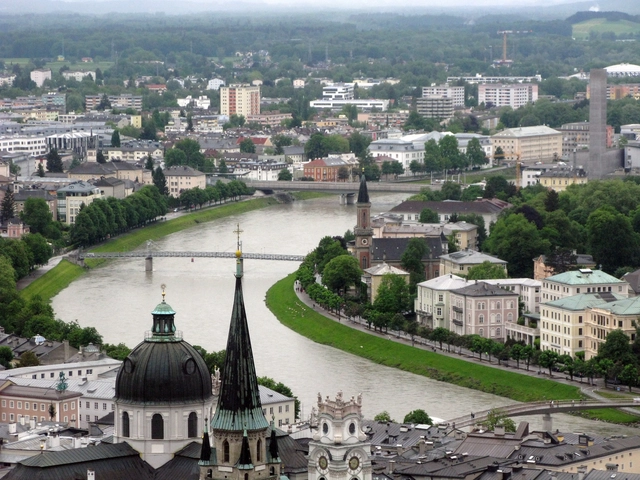
Salzburg seen from the Festung Hohensalzburg (Hohensalzburg Fortress). Image via Flickr User Janusz Sliwinski
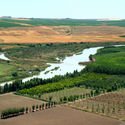
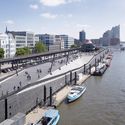
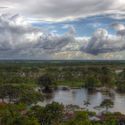
Rivers have long been considered as Earth’s arteries, serving as the essence of urban communities as human settlements developed their shelters and crop beds around them. Centuries later, riverside architecture remained vital as these areas expanded beyond residential typologies, and harnessed dynamic mixed-use developments and public functions. As valuable as they may seem though, these landscapes come with the risk of unexpected floods, increased water levels, or complete droughts, which has forced architects to design built environments that are able to respond to these abrupt changes. So how were these settlements built in the past, and how has today’s urban densification and technological advancements influence the way they are built?
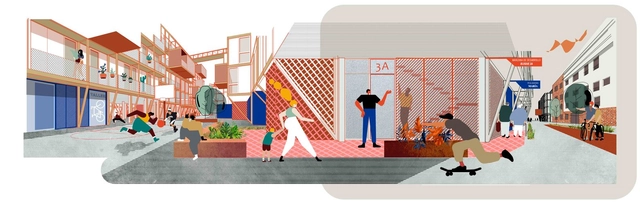
Europan 16 - Vista 2. Image Cortesía de MONOCHROME Estudio
The 16th edition of the Europan awards, launched in the spring of 2021 under the theme "Living Cities: Metabolic and Inclusive Vitalities," has announced its results. “The Incredible Story of the Seasonal Worker Who Found His Home in Almendralejo” is a Spanish project selected as one of the seven winners within Spain.
It has been said that we are living through a trans-apocalyptic era. Not pre-or post-apocalyptic, but something in between: a series of interconnected crises that demand action, at a time when it’s too late to prevent the world from changing, but not late enough that all hope has been lost for a (changed, yet positive) world. Architecture is deeply involved in this process, as the transformation of the built environment and the construction industry are key to the way we live.
For ArchDaily, this means our mission rings truer than ever. After a record-breaking 2021, with over 22 million monthly visits across the ArchDaily network, we continue to ask ourselves and our readers: how can we continue to provide inspiration and tools to a new and evolving generation of architects, designers, and - increasingly - architecture enthusiasts, home-owners and anyone who is interested in how we live, where we live and how to move forward? One of the most important ways that we have of doing this is through the Building of the Year Awards.
ArchDaily exists thanks to our readers - you - and so it makes sense that you are also the ones that continue to pick the best of the year in architecture, this time for the 13th consecutive year of the Building of the Year Awards. It is your turn to recognize and reward the outstanding projects that are making a difference, as part of an unbiased, distributed network of jurors and peers that has elevated the most relevant projects over the past decade. Over the next two weeks, your collective intelligence will filter over 4,500 projects down to just 15 stand-outs for the best in each category on ArchDaily.
The 2022 Building of the Year Awards is brought to you thanks to Dornbracht, renowned for leading designs for architecture, which can be found internationally in bathrooms and kitchens.


 .
.




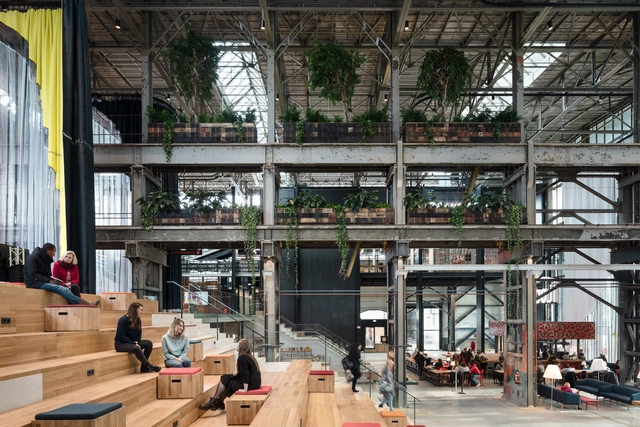
.jpg?1643280352 "The World’s First Fully Accessible Art Depot Museum is Opening to the Public. Image © Ossip van Duivenbode / MVRDV")