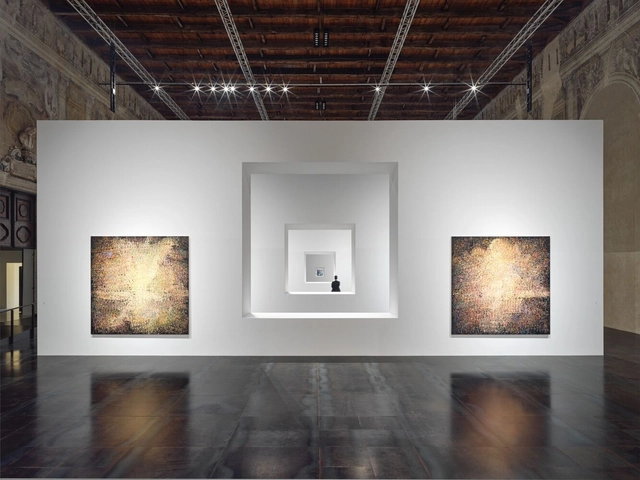
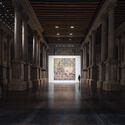
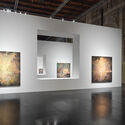
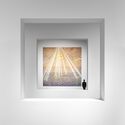
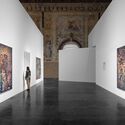
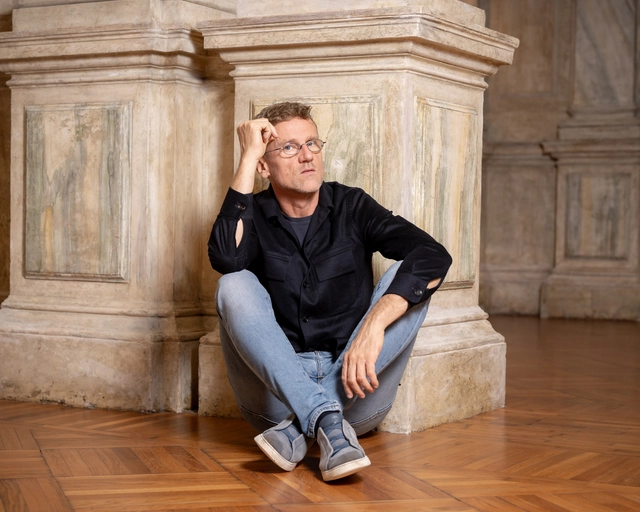
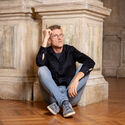
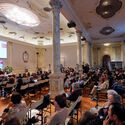
A new exhibition presenting the works of artist Zeng Fanzhi has opened in the historic Scuola Grande della Misericordia in Venice, Italy. Running from April 17 to September 30, 2024, concurrent with this year’s edition of the Venice Arts Biennale, the “Zeng Fanzhi: Near and Far/Now and Then” exhibition showcases the latest breakthroughs in the artist’s practice in a space adapted by architect Tadao Ando.
Carlo Ratti, the curator of the 19th International Architecture Exhibition - La Biennale di Venezia, along with The President of La Biennale di Venezia, Pietrangelo Buttafuocco, have just revealed highly anticipated details for the upcoming edition. Titled "Intelligens," the exhibition will be running from May 24th to November 23rd, 2025 in Giardini, the Arsenale, and various landmark locations throughout Venice.
The 3rd edition of Shaping the City, a forum on sustainable urban development, took place in Venice between November 24-25, following successful events in Chicago and New Orleans. Organized by the European Cultural Centre, this forum was running in parallel to the 2023 Venice Architecture Biennial exhibition, Time Space Existence. The event, hosted at Palazzo Michiel del Brusà in Cannaregio, brings together global urban planners, architects, academics, and politicians. Notably, Japanese architect Kengo Kuma was among the experts invited to explore the intersection of nature and the built environment in Japanese architecture.
Over two days, the conference set out to explore crucial themes such as education, urban commons, displacement, nature integration, and the future of architecture media, a subject discussed during a panel talk attended by ArchDaily’s managing editor, Christele Harrouk. While on-site in Venice, the ArchDaily team sat down with Kengo Kuma to discuss his unique approach to nature-inspired and site-specific designs.
Italian architect and industrial designer Gaetano Pesce has passed away at the age of 84, as announced today on the creator's official Instagram page. Known for the famous UP5 Chair (2000) by B&B Italia which can be compressed like a sponge, and the Organic Building in Osaka, Japan (1993), with a vertical garden irrigated by a complex, computer-controlled hydration system, Pesce dedicated over six decades to his craft, accumulating a portfolio that spanned architecture, product design, and art.
During Milan Design Week 2024, a monographic exhibition titled "Nice to See You" showing at Biblioteca Ambrosiana, is set to feature unreleased works of Gaetano Pesce. Additionally, Gaetano was presenting "L’Uomo Stanco" an outdoor installation in Piazza San Pio XI.
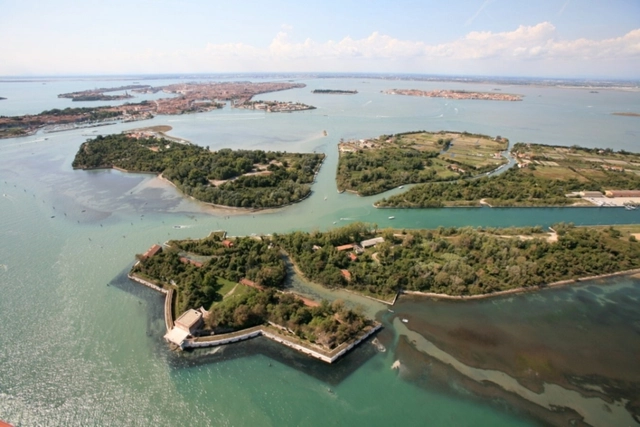
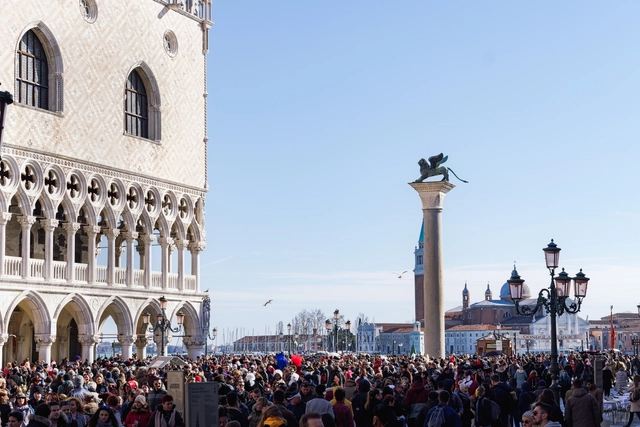
Venice authorities have launched a pilot program for their long-term discussed plan to introduce fees for day-trippers visiting the city. The program, which has been delayed several times citing logistical issues, was officially launched on January 16th, when the online payment platform became operational. While the scope of the program is expected to expand, for now, it will be applied only on certain days during the most crowded season, between April 25 and July 14.
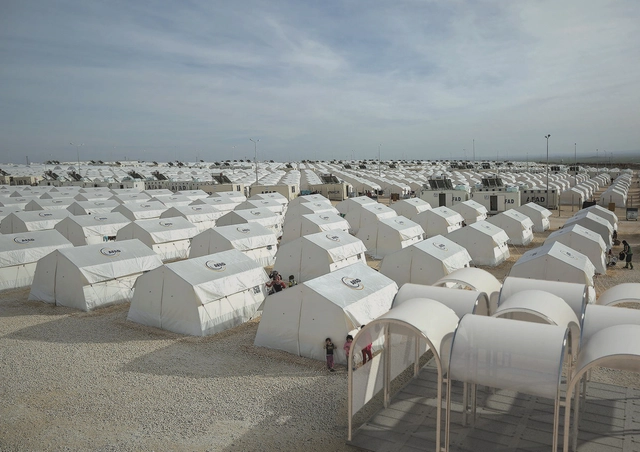
As we reflect on the tumultuous events of 2023, it becomes evident that the challenges posed by changing environmental conditions have left an indelible mark on communities worldwide. In response, architects and urban planners have set out, searching for the ways in which their actions can help create safer environments for communities worldwide, responding with both fast-to-deploy emergency architectures and long-term strategies to build resilience and mitigate risks.
Beyond merely responding to events like the devastating earthquakes in Turkey, Syria, and Morocco, or the widespread flooding in Libya or Pakistan, professionals are attempting to take proactive approaches, developing strategies that extend from predictive modeling to the application of re-naturalizing techniques or the ongoing research into the physics of safer and resilient structures.
The 18th International Architecture Exhibition of La Biennale di Venezia closed on November 26th. A total of 285,000 people visited the exhibition, making it the second most highly attended Architecture Biennale in its history. Named "The Laboratory of the Future," this edition led by curator Lesley Lokko, has been the first to focus on Africa and its diaspora, exploring the “fluid and enmeshed culture of people of African descent that now straddles the globe,” in the words of the curator, with themes of decolonization and decarbonization.
This edition has attracted a wide array of visitors, 38% of whom are represented by students and young people. Visitors organized in groups represented 23% of the overall public, with a large majority of groups coming from schools and universities. The numbers denote an event centered on the transmission of knowledge and circulation of ideas.
While exploring the 18th International Architecture Exhibition, the ArchDaily team had a chance to engage in conversation with several curators of the national pavilions, along with Lesley Lokko, the curator of the entire exhibition. The discussions delved into the unique character of this year’s edition focused on an understanding of Africa as a “Laboratory of the Future.” Through this lens, the biennale became “a healing experience,” in the words of Lesley Lokko, reinterpreting and deconstructing the meaning behind ideas such as decolonization, decarbonization, resource management, or finding the hidden potential in vernacular forms of practice.
Following Lokko’s curatorial direction, the exhibitions presented at the national pavilions explored the specific conditions of their territories, striving to uncover and highlight the unique challenges and opportunities faced by their local cultural landscapes. During the interviews, the curators opened up in regard to their personal inspirations and the drive behind the choice of program, the messages embedded in the displays, and their hopes for the future of the profession.
In light of the looming climate crisis and the pursuit of sustainability, the concepts of revival and reuse have emerged as crucial strategies in the quest for decarbonization in the architecture industry. These principles preach that creating new structures may be sustainable but encourage architects to minimize their ecological footprint by reactivating and recycling existing resources. This year specifically, innovative projects in line with these themes were displayed as part of the 18th International Architecture Exhibition – La Biennale di Venezia. This world-renowned event’s core purpose is to serve as a platform for architects, designers, and thinkers to collectively reimagine sustainability, decarbonization, resource conservation, and the industry's future.
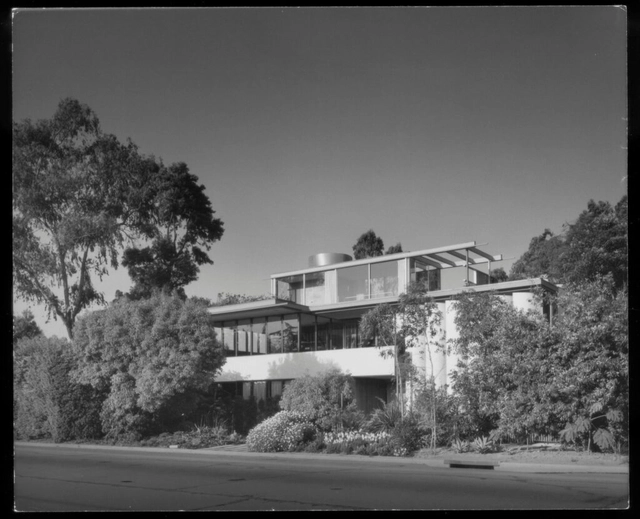
Courtesy of Raymond Neutra and the Neutra Institute, Photo by Julius Shulman | VDL Research House
It was, of course, Frank Lloyd Wright who set up the ground for modern architecture to happen in Los Angeles. Then came the Viennese, Rudolph Schindler in 1920 and Richard Neutra in 1925 at the invitation of Schindler. Both worked for Wright choosing to learn from him what they saw as essential—by focusing on spatial and formal clarity, transformability, restrained materiality, and the living environment to achieve a desirable quality of life within. Neutra and Schindler collaborated at first, and then each built a rich portfolio, mainly comprising houses and apartment blocks. Universal in principle, these abstract robust structures defined and led the development of a local building vernacular. These buildings, of which there are several hundred, are now strongly associated with the two architects’ adopted city.
During this year’s edition of the Venice Architecture Biennale, ArchDaily had the chance to discuss with Giacomo Ardesio and Claudia Mainardi of Fosbury Architecture, the curators of the Italian Pavilion together with Alessandro Bonizzoni, Nicola Campri and Veronica Caprino. The curatorial project, titled “Spaziale: Everyone Belongs to Everyone Else,” aims to provide a distinctive and original portrait of Italian architecture within the international context. The curators discussed the origins of their office, their sources of inspiration and the thinking behind the design decisions that led to the creation of the curatorial project for the Italian Pavilion.
At the 18th International Architecture Exhibition – La Biennale di Venezia, Karin Sander, and Philip Ursprung curated the Swiss Pavilion “Neighbors”. In her interview with Louisiana Channel, Karin Sander talks about expanding the understanding of the pavilion, reimagining the connected role of architecture and art, and explaining her artistic process. “Neighbors” was focused on spatial proximity between the Swiss Pavilion and its Venezuelan neighbor. Sander highlights also the conversation between the two structures, that became possible after the removal of a separating wall.
During their visit to the 18th International Architecture Exhibition in Venice, ArchDaily had the opportunity to engage in a conversation with Sevince Bayrak and Oral Göktaş, founders of the Istanbul-based studio SO? Architecture and Ideas, curators for the Pavilion of Türkiye. Their exhibition, titled Ghost Stories: Carrier Bag Theory of Architecture, explores the status and hidden potential of abandoned buildings across Türkiye to discover more hopeful proposals for the future. The conversations opened with an exploration of the status of these forgotten structures and their hidden potential, leading into the intentions behind the exhibition in Venice and the curator’s message for the wider audience.