


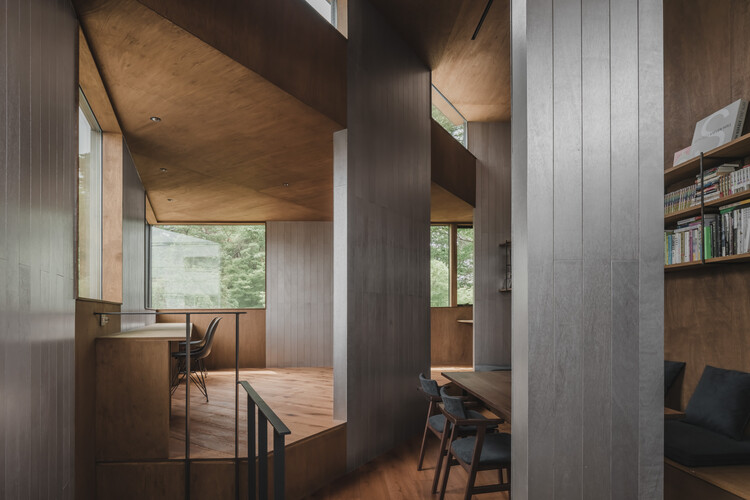
-
Architects: IGArchitects
- Area: 79 m²
- Year: 2026


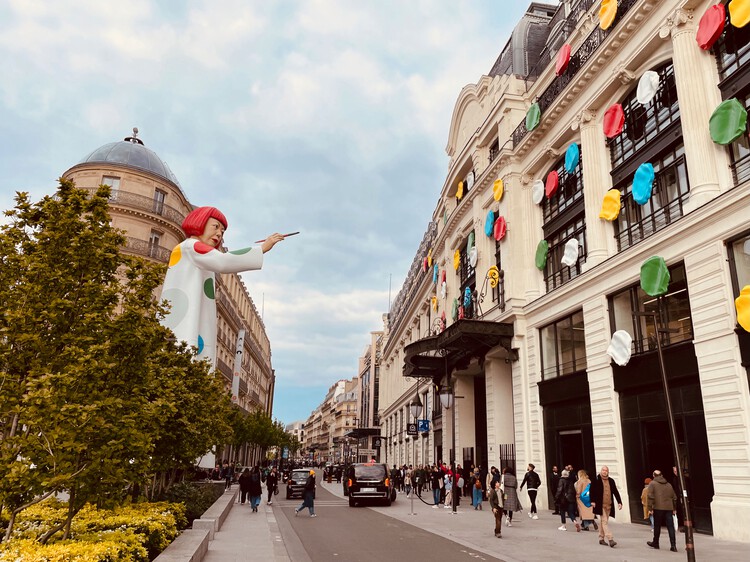
Japanese artist Yayoi Kusama, whose seven-decade career encompassed painting, sculpture, installation, performance, literature and film, has died at the age of 97. Kusama died at a hospital in Tokyo on August 14, 2026, according to a statement from Yayoi Kusama Inc. and Yayoi Kusama Studio Inc. Known internationally for her polka dots, pumpkins and Infinity Mirror Rooms, Kusama developed a distinctive artistic language around repetition, infinity, self-obliteration and the relationship between the individual and the world.

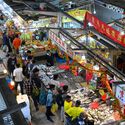
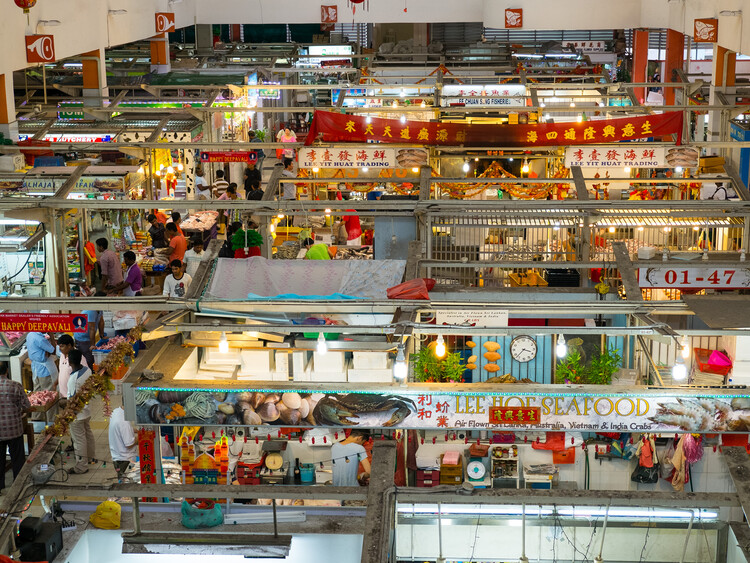
In many Asian cities, eating has never belonged entirely to the private home. It spills into markets, hawker centers, street stalls, and wholesale districts embedded within larger buildings or areas. These are places where the city exchanges information and watches other people pass through. They are not restaurants in the conventional sense, nor are they simply markets. In some way, their vibrancy and usage reflect the society's conditions at that moment. They are public kitchens: shared infrastructures where domestic routines are partially transferred into collective space.
Hong Kong's Municipal Services Buildings and curbside dining are where food is understood not only as culture, but as urban organization. The cooked-food center in the city folds eating into a larger civic machine of wet markets, libraries, and sports halls. The dai pai dong and street-side table, meanwhile, transform the curb into a temporary dining room. Looking beyond Hong Kong, similar questions emerge across the region. How do cities make room for social eating? Where does cooking happen when domestic space is limited? What kind of architecture supports the mess and heat of everyday food?

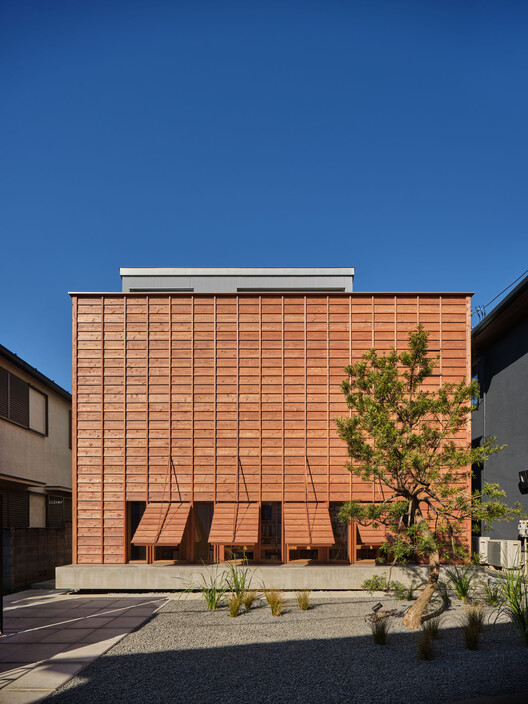


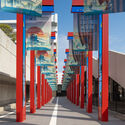
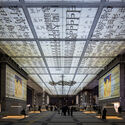
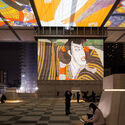
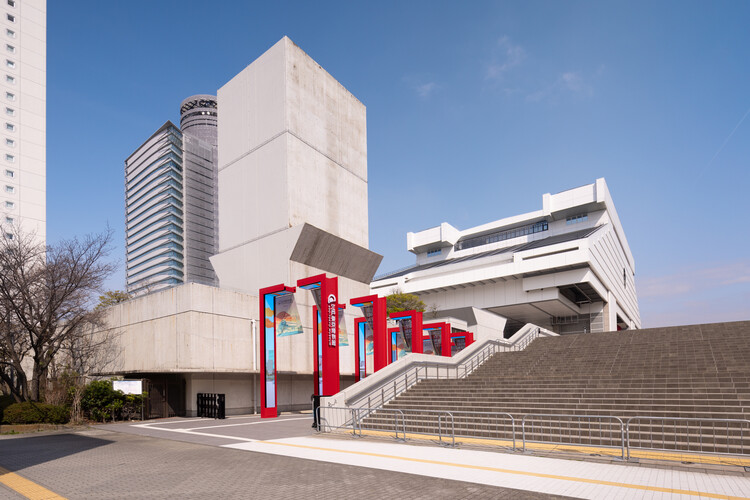
The Edo-Tokyo Museum has reopened to the public following a multi-year renovation, unveiling a series of scenographic interventions and installations designed by OMA under the direction of Shohei Shigematsu. Marking the firm's first public project in Japan, the commission forms part of the broader renewal of the museum's iconic building by Metabolist architect Kiyonori Kikutake. Originally opened in 1993 as the first museum dedicated to the history of Tokyo, the institution traces the city's evolution from the Edo period to the present day, and the new interventions aim to strengthen its relationship with contemporary audiences while preserving the identity of Kikutake's architecture.