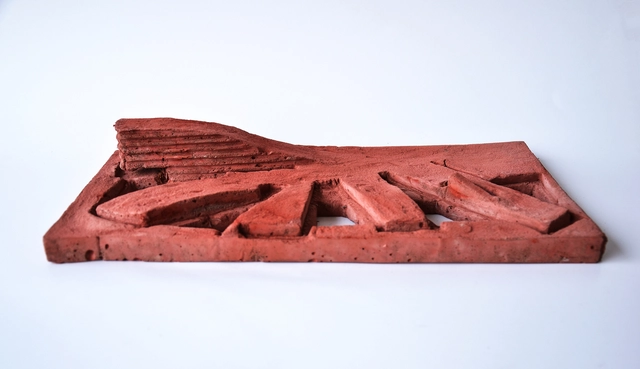
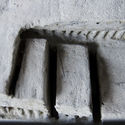
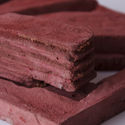
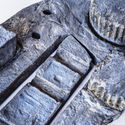
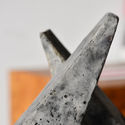
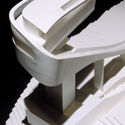
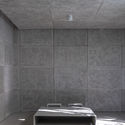
The contact between hands and models should never be lost. Going into this experience provokes silence, forcing us to think about the care that goes into concrete models. Few words are needed, as models often tell us everything we need to know through the beauty and simplicity that goes into their creation and the importance of the manual process in an architect's work.
This article was originally published on May 9, 2016. To read the stories behind other celebrated architecture projects, visit our AD Classics section.
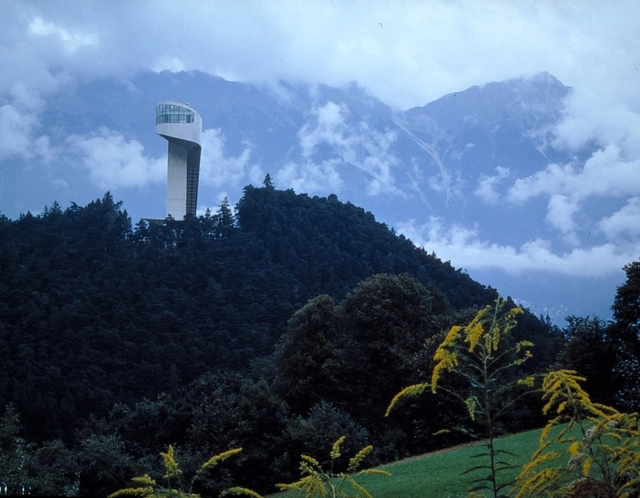
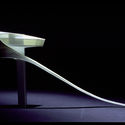
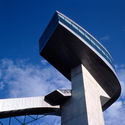
Situated on the peak of Bergisel Mountain above the picturesque alpine city of Innsbruck, Austria, the Bergisel Ski Jump represents the contemporary incarnation of a historic landmark. Designed by Zaha Hadid between 1999 and 2002, the Ski Jump is a study in formal expression: its sweeping lines and minimalist aesthetic create a sense of graceful, high-speed motion, reflecting the dynamic sensation of a ski jump in a monumental structure that stands above the historic center of Innsbruck and the mountain slopes around.
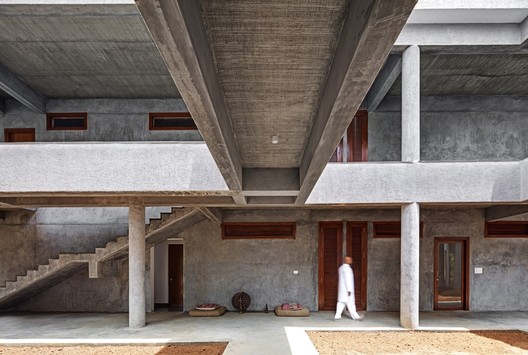
Greatly influenced by the modern movement--and in particular the presence of Le Corbusier--contemporary Indian architecture reflects a mixture of traditional and western references. Using mainly local materials such as brick, concrete and stone, Indian buildings stand out with their high visual impact and a assertive heaviness.
Because of its scarcity, wood is mostly used in details and finishes rather than as main structures. Some of the most successful architects in India have managed to gracefully balance the use of concrete and wood in a gentle gesture that evokes elegance and rough textures.
Here we present some of the best examples of contemporary Indian architecture that have used both concrete and wood in a harmonious and attractive way.
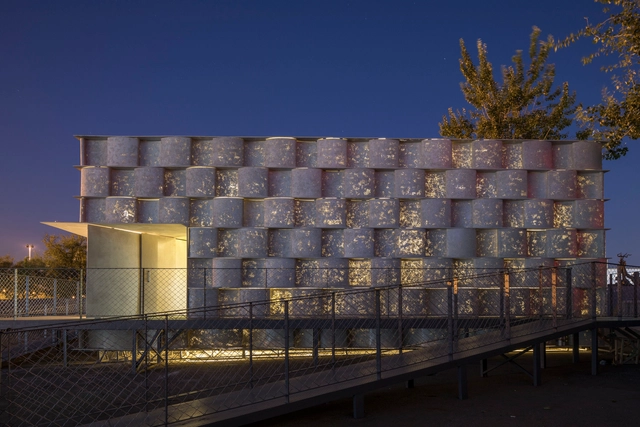
An installation at the Karolinska Institutet in Sweden is made entirely of translucent concrete panels. Composed of concrete and bubble wrap, the site blends both high and low technology processes. This high-tech lecture hall is an amorphous space with unique acoustic qualities.
The panels were created by compressing High-Performance Concrete between two layers of Bubble-Wrap. With 262,500 cavities and 1,000,000 membrane-perforations, the material creates a diffused echo-free ambiance.
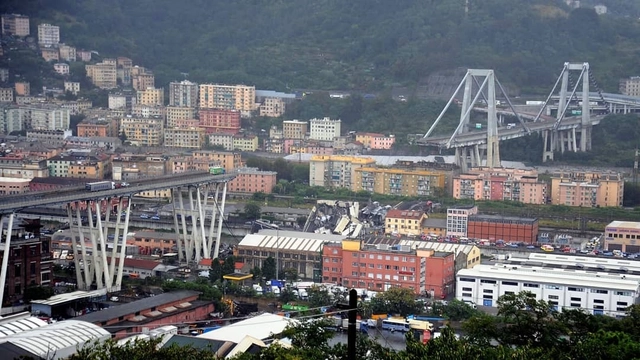
39 people are now reported to have died following the collapse of the Morandi motorway bridge in Genoa, Italy. The incident happened on Tuesday 14th August, when one of the bridge’s structural components, comprising of pre-stressed concrete stays and trestles, collapsed onto a railway line and warehouse 150 feet (45 meters) below.
The cause of the collapse is not yet known, however, attention is now turning to the bridge’s maintenance record, concerns of its integrity stretching back decades, and how the collapse sits within the broader context of aging Italian infrastructure.
https://www.archdaily.com/900260/the-deadly-genoa-bridge-collapse-was-predicted-and-avoidableNiall Patrick Walsh
Videos
via flickr user conchur licenced under CC BY 2.0
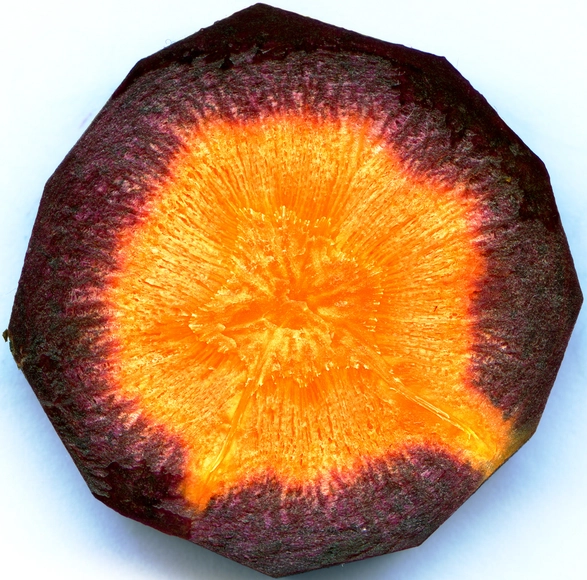
Carrots cannot help you see in the dark, but they could make your buildings stronger, and more environmentally friendly. Engineers at Lancaster University in the UK have worked in collaboration with Cellucomp Ltd UK to study the effects of adding “nano platelets” extracted from the fibers of root vegetables to enhance the performance of concrete mixtures.
The vegetable-composite concretes, made from vegetables such as sugar beet or carrot, have structurally and environmentally out-performed all commercially-available cement additives, such as graphene and carbon nanotubes, doing so at a much lower cost.
https://www.archdaily.com/900003/could-carrots-make-concrete-stronger-and-greenerNiall Patrick Walsh
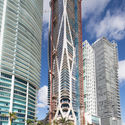
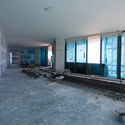
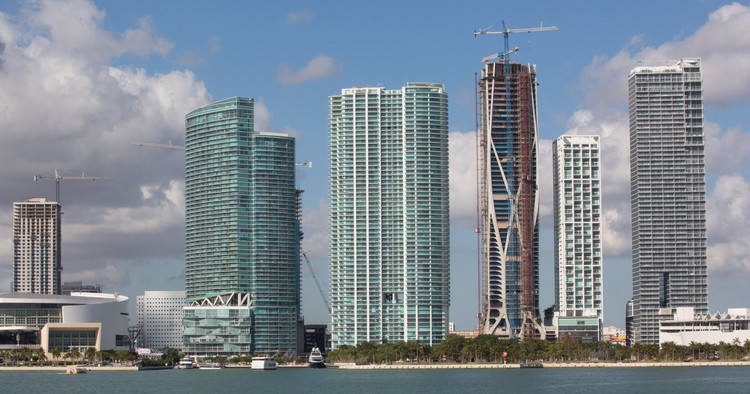
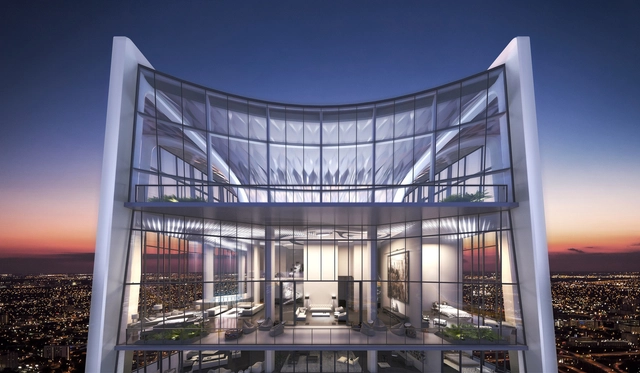
The new imagery showcases the 700-foot-high (210-meter-high) tower’s curved structural exoskeleton, comprising 5,000 pieces of glass-fiber-reinforced concrete. The photo gallery also offers some of the first images of the scheme’s interior spaces, still under construction, showing the influence of the exoskeleton on the internal environment.
Courtesy of Zaha Hadid Architects. ImageOne Thousand Museum high-rise residential building in Miami, Florida, will feature a curving exoskeleton finished with glass fiber-reinforced concrete.
When it comes to building a bridge, what prevents it from having the most enduring and sustainable life span? What is its worst enemy? The answer is, simply, the bridge itself—its own weight.
Built with today’s construction processes, bridges and buildings are so overly massed with energy and material that they’re inherently unsustainable. While concrete is quite literally one of the foundations of modern construction, it’s not the best building material. It’s sensitive to pollution. It cracks, stains, and collapses in reaction to rain and carbon dioxide. It’s a dead weight: Take San Francisco’s sinking, leaning Millennium Tower as an example.
Modern, smart construction can and will do better. A convergent set of technologies will soon radically change how the construction industry builds and what it builds with.
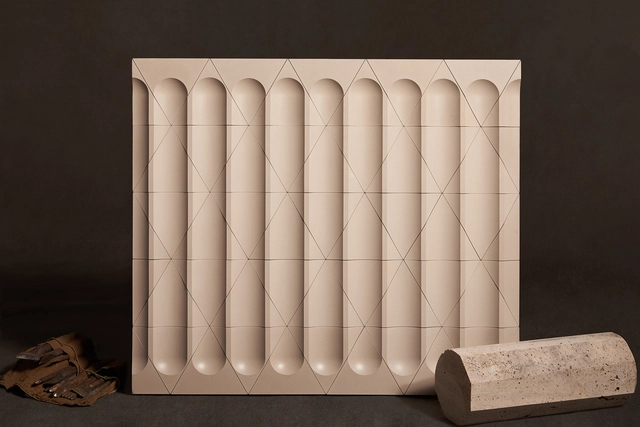
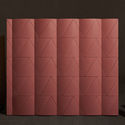
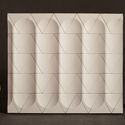
Inspired by two of the oldest techniques in architecture, fluting, and reeding, Brooklyn-based GRT Architects have developed a series of modular concrete pieces that update the Greek tradition, varying its classic composition.
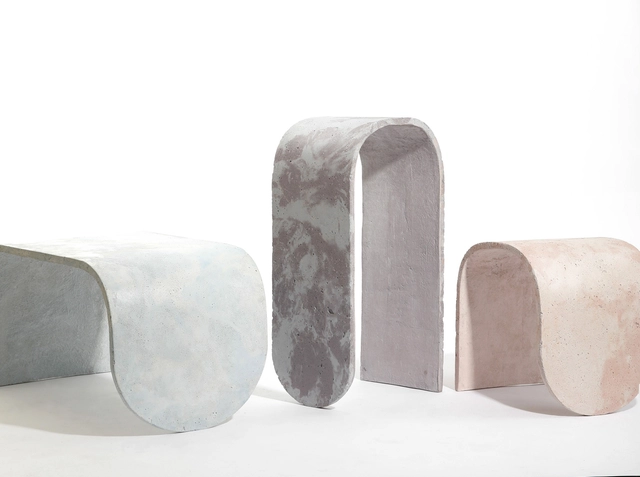
Architects and designers are turning into their very own version of Midas, everything they touch turns into concrete. With products like concrete coffee machines, concrete garden gnomes, and even concrete jewelry, designers are finding remarkable ways of experimenting with the material, proving that concrete is a lot more than just a bulky, building component.
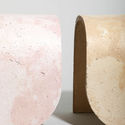
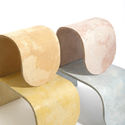
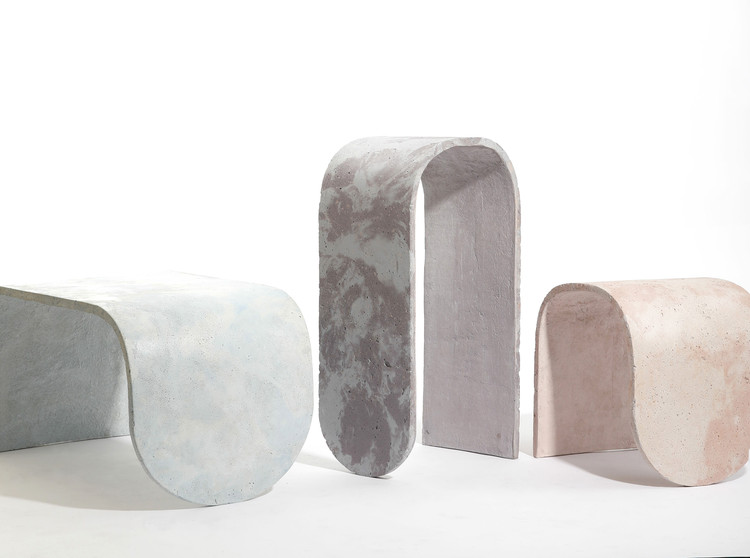
Los Angeles based architect-designer J.Byron-H, known for his playfulness with material and unexpected forms, have experimented with concrete and glass-fiber and created contemporary, light-weight pieces of furniture, inspired by skateboards and architectural brutalism.
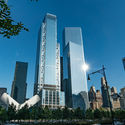
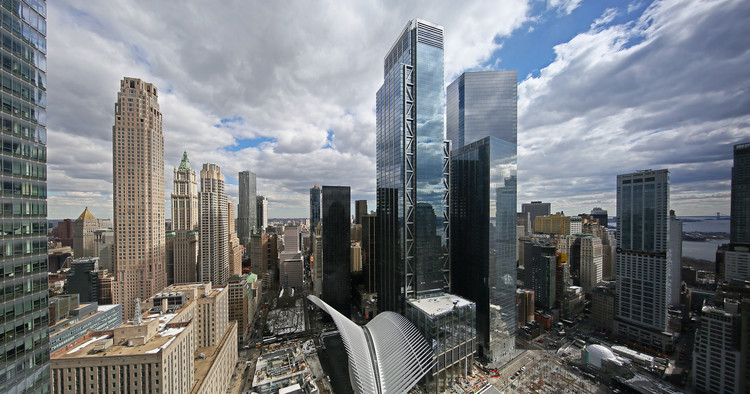
3 World Trade Center, designed by Rogers Stirk Harbour + Partners, has opened for business in Lower Manhattan, New York City. At 1079 feet tall, and 80 floors, the scheme is the fifth-highest in New York, and the penultimate tower to be opened on the World Trade Center site. Construction of the tower saw over 4,000 union workers apply millions of hours.
Videos
Courtesy of Houben & Van Mierlo Architecten
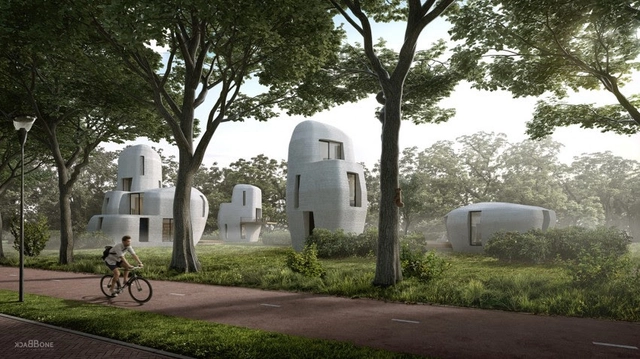
The Dutch city of Eindhoven is to host the world’s first commercial housing project based on 3D-concrete printing, with the first of five planned houses due to start construction this year. The units were developed by a collaborative team including local firm Houben & Van Mierlo Architecten, and the Eindhoven University of Technology. The pods will be purchased and let out by a real estate company upon completion.
The first house will be a single-floor, three-room house measuring 1000 square feet (95 square meters), to be followed by four multi-story units. The irregular shape of the buildings is based on “erratic blocks in the green landscape,” made possible due to the flexibility of form permitted by 3D-printing.
https://www.archdaily.com/895597/worlds-first-3d-printed-concrete-housing-project-to-be-built-in-eindhovenNiall Patrick Walsh
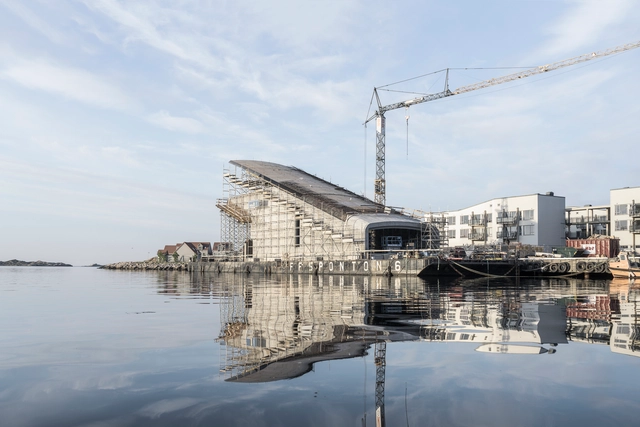
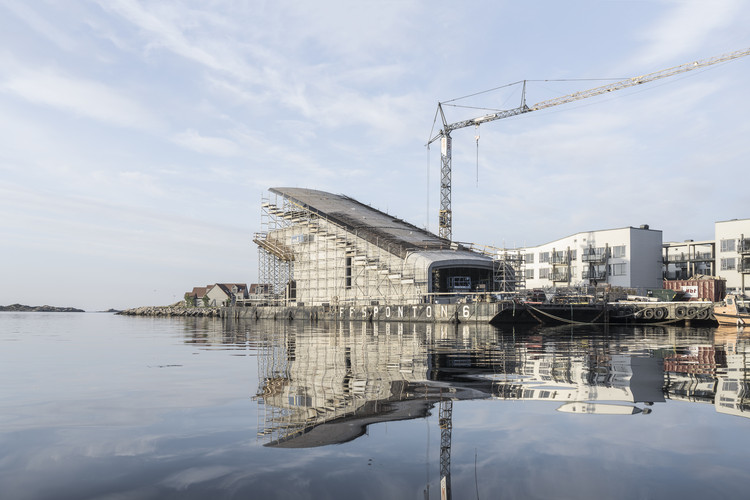
Aldo Amoretti has released new photographs as construction continues on Europe's first underwater restaurant in Norway, designed by Snøhetta. The structure is currently being built on a floating barge in close proximity to its final location. Upon completion, the scheme will also house a marine life research center, teetering over the edge of a rocky outcrop, semi-submerged in the ocean.
Built from concrete, the monolithic structure will come to rest on the seabed 16 feet (five meters) below the water's surface, fusing with the ecosystem of the concealed shoreline. Below the waterline, the restaurant’s enormous acrylic windows will frame a view of the seabed.
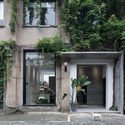
Polished concrete is a versatile material that is easily customizable in its appearance, using stunning aggregates, quartz, and colors to create a sense of industrial sophistication in both homes and commercial buildings. Its reflective surface creates an evocative quality under light, which can be suitable for a variety of programs.





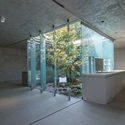
-%E4%B8%AD%E5%BA%AD%E5%8F%8A%E7%BB%BF%E6%A4%8D.jpg?1538737025 "Atrium and Green Plant. Image © Fangfang Tian")










_(003).jpg?1528735177 "© Joe Woolhead")




.jpg?1525869515 "Urban Man Cave / Inhouse Brand Architects. Image © Riaan West")