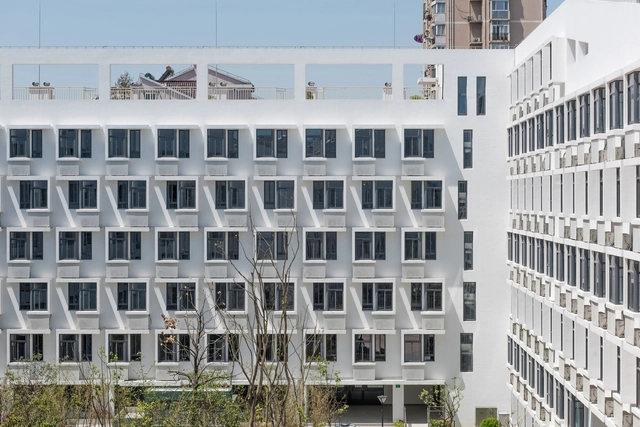
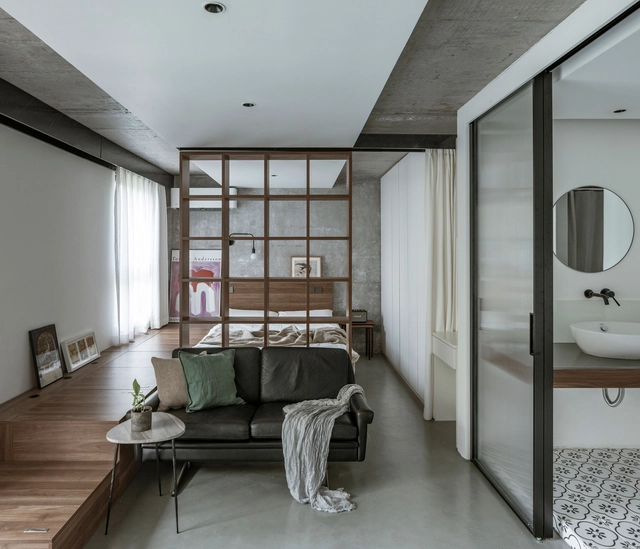
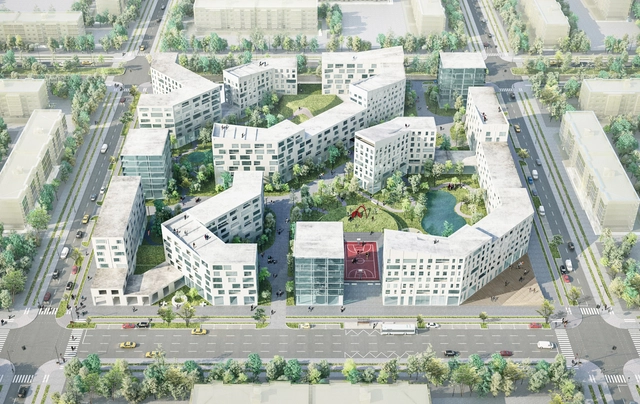
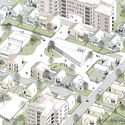
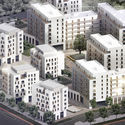
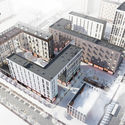
Longnan Garden Social Housing Estate / Atelier GOM. Image Courtesy of Atelier GOM
Saskia Sassen, the Robert S. Lynd Professor of Sociology at Columbia University, predicts in her co-authored book “The Quito Papers and the New Urban Agenda” that, in the future cities will become our crucial battlefield as we continue to fight against gentrification and growing degree of isolation in our communities. Sassen argues that, “Cities should be an inclusive space for both the affluent and the poor. Nevertheless, in reality our cities never achieved equality for all, because our cities were never designed that way. Still cities ought not to be a place that tolerates inequality or injustice”.
One of the big economic factors of the COVID-19 pandemic has been the issue of tenant evictions and rent moratoriums. As millions of people quickly lost their jobs, it meant that they began to struggle to pay their rents. Now, as the economy slowly begins to recover and some return to work, there’s been pushback on the moratoriums, with landlords and tenants being split on how to move forward with the future payments. Tenants still can’t pay their rent and landlords themselves are burdened by the lack of income. But what this tug of war really sheds light on is how out of reach the costs of living have become in some of the densest cities, and how housing in some ways has been seen as an amenity, not a necessity or a basic right- even in a global pandemic.
In the world of design and urban planning, aesthetics and functionality seem to take the spotlight, especially in how large-scale housing projects are developed. While this can be a good thing that continuously pushes the modern boundary of what we consider to be a dwelling, in some aspects, it has shined a negative light on how we perceive and stigmatize “bad design” in public and affordable housing, the socioeconomic factors that have created the need for it, and the types of residents who benefit most from these types of housing policies.
Rooftop water tanks are a familiar part of the New York City skyline, persisting through generations of the city's rapid growth. Yet despite their nostalgic affect and somehow endearing states of relative decay, their decrepit outward appearances may belie their water's quality. In 2014, it was found that many of these weathered containers had actually built up layers of grime and that some even contained E. coli. In 2019, the city finally passed legislation mandating annual inspection reports for all drinking water tanks, though these changes are still nascent.
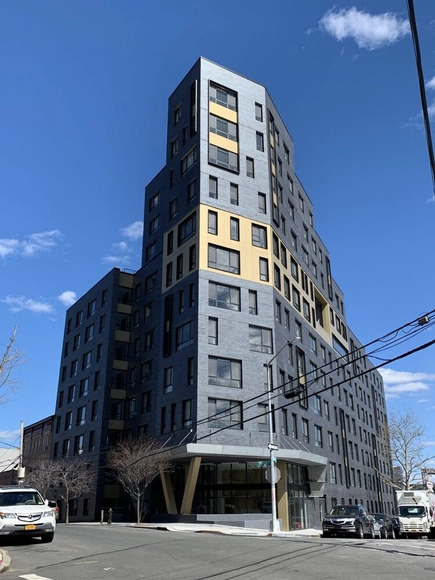
https://www.archdaily.com/964000/new-affordable-living-in-the-bronx-chooses-a-luxury-hot-water-systemLilly Cao
The average age of a home in Cuba is just over 75 years old, and three of them collapse every day.Cuba’s housing crisis is perhaps one of the most unique examples of urban inequity in the world. While the island nation’s extensive history of waves of foreign influence has largely shaped their government, and in turn their public policies and urban planning strategies, they yet have been able to stabilize their long-standing housing crisis- forcing thousands of Cubans to live in derelict homes or public shelters. Now, many questions are being raised about how they will build new housing, repair the existing structures, and revise laws that allow Cubans to have more autonomy in the homeownership process.
The viability of 3D Printing in architecture – has, at the very least – seen a seismic shift over the past few years. Usually relegated to prototypes or conceptual models, 3D Printed building designs are increasingly being actualised as physical projects. In 2013, WinSun, a Chinese company – was able to print 10 houses in a 24-hour period, becoming one of the first companies to achieve this feat using 3D Printing technology. More recently, in 2018, a family in France became the first in the world to live in a 3D Printed house. The city of Dubai is also seeking to have a quarter of its buildings be 3D Printed by 2025. These examples display the upwards category of this technology, and how it is very likely, as the years go by, this automation of building fabrication is even more integrated into the construction process than it is right now.
According to the United Nation’s “The World’s Cities in 2018”, it is estimated that, “by 2030, urban areas are projected to house 60 percent of people globally and one in every three people will live in cities with at least half a million inhabitants.” Also, between 2018 and 2030, it is estimated that the number of cities with 500,000 inhabitants or more is expected to grow by 23 percent in Asia. China, as the largest economy in Asia, with a GDP (PPP) of $25.27 trillion, is expanding rapidly, both economically and demographically.
With more and more migrant workers coming into the bigger cities in China, it has become increasingly difficult for workers to find an affordable place to live. Some people decide to move away from urban centers and bear with the lengthy commute time, while others are seeking creative design solutions to transform their home into a tiny, functional space to meet their daily needs.
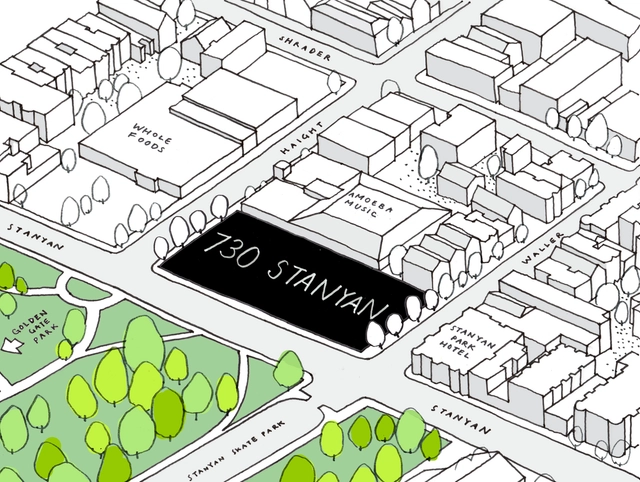
OMA / Jason Long and Y.A. Studio have been selected to design an 150 unit affordable housing project in San Francisco's historic Haight Ashbury neighborhood. Dubbed 730 Stanyan, the project aims to provide a high-quality living environment for families and seniors. The housing will be situated at the entry to Golden Gate Park and aspires to address the city’s desperate need for permanent housing options.
Disruptive Design is a three-part design competition that seeks to address the challenges associated with designing and building affordable, owner-occupied housing.
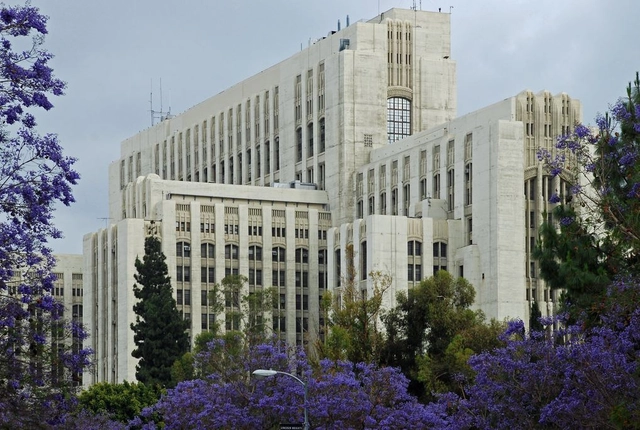
LA General Hospital. Image Courtesy of Los Angeles County
Los Angeles County Board of Supervisors have decided to move forward with a plan to reuse L.A. General Hospital as affordable housing for high-need populations. The plan aims to provide homeless residents and low-income tenants with new living units inside the 1930s-era hospital. The board approved a motion to study the feasibility of reusing the structure and to craft a strategic plan that would bring the project to life. As the “birthplace of emergency medicine,” the Art Deco–style building includes 1.5-million-square-feet of space that could be used for the housing project.
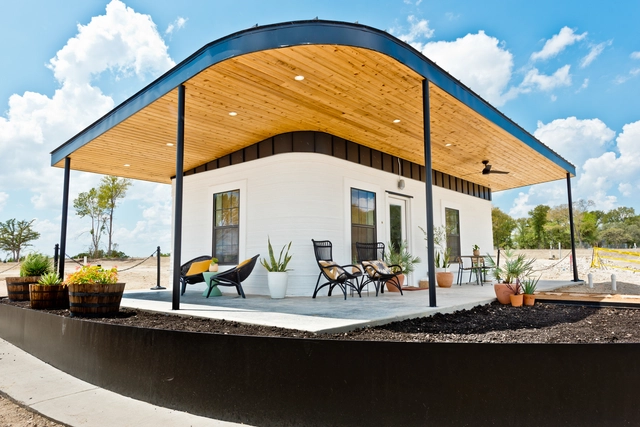
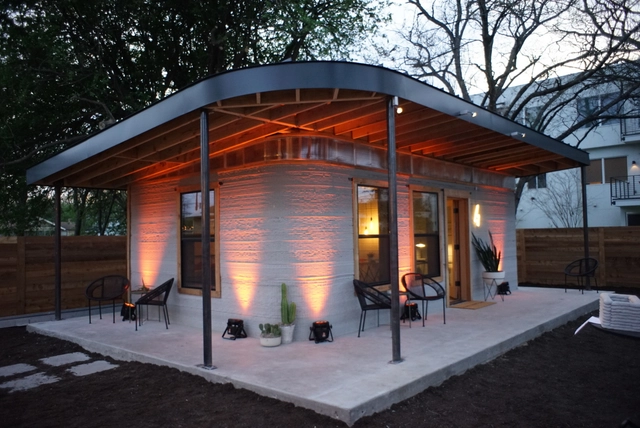
Editor's Note: This story was originally published 27 March 2018. It was recently announced that ICON, the construction company leading the project, has successfully raised $9 million in seed funding for the project. A new video of the project is included below.
Tech gets a bad rap for serving developed economies in the interest of money-making. It often takes a few cycles for the technologies that are truly helpful to reach the developing world, hence the unfortunate, slow-draining term called the “trickle effect.”
Plans for a memorial commemorating the life and career of Mr. Michael Wright, architect, surveyor, and civil servant, have been released. Mr. Wright’s dedication to the architecture of public housing in Hong Kong and the principals on which he designed are encapsulated in the memorial’s proposed scheme. Wright died in January 2018 at the age of 105 and is considered the "father of public housing in Hong Kong" for redefining the city's standards for public living quarters.
OOPEAA, working in collaboration with Lundén Architecture Company, has won a design and build competition for a timber housing development in Kivistö, Vantaa in the Helsinki metropolitan area of Finland. Organized by the City of Vantaa, the competition asked entrants to design a district of wooden housing, part of a commitment “to provide climate-conscious development in housing.”
Titled “Upstairs – Downstairs, Living Together on Three Levels,” the OOPEAA and Lundén scheme will form part of the broader sustainable district, creating a link between natural forest, active streets, and railway infrastructure.
https://www.archdaily.com/902353/oopeaa-plus-lunden-architecture-company-design-charred-timber-housing-district-in-helsinkiNiall Patrick Walsh
Building Trust International has announced the winner of the organization’s 2018 Affordable Housing Design Challenge. Over 3,000 architects, designers, and engineers entered the competition and 400 design proposals were submitted. Each design sought to provide sustainable, safe, and secure affordable housing schemes that specifically target the needs of low income workers in Phnom Penh, Cambodia.
A jury composed of representatives from Building Trust International, The United Nations Development Program, and the Phnom Penh Special Economic Zone selected ‘atArchitecture’ as the challenge winner. Citing the feasibility of the architectural design and the scheme’s careful consideration of Cambodia’s natural environment, the jury saw the design as an optimal solution to a complex, local problem. With over 17,000 factory workers in the region, there are few options for high quality affordable homes. This forces many of these workers and their families to settle for short term rentals with less than adequate conditions and minimal security. These options are often shared spaces that only increase in demand as the number of workers continues to rise in the area.
The dream of universal affordable housing has been an idea tried and tested by architects throughout history. From the wacky Dymaxion House by Buckminster Fuller, an imagining of how we would live in the future, to mail-order houses able to be assembled like IKEA furniture, many proposals have tackled the challenge of creating affordable housing or dwellings which could be replicated no matter the time and place. However, although their use of techniques such as pre-fabrication and cheap materials seemed, in theory, to be able to solve pressing issues of homelessness and the global housing crisis, time and time again these proposals have simply failed to take off. But why?
IKEA’s research lab SPACE10 is attempting to find an answer to this question through open-source collaboration. By releasing their design of a micro-house that used only one material and one machine to make it and an accompanying website that catalogs the process and invites feedback, they are inviting architects, designers, and aspiring home-owners to work together in creating a solution which could improve the lives of millions. “The vision,” they say, “is that by leveraging the world’s collective creativity and expertise, we can make low-cost, sustainable and modular houses available to anyone and, as a result, democratize the homes of tomorrow.”
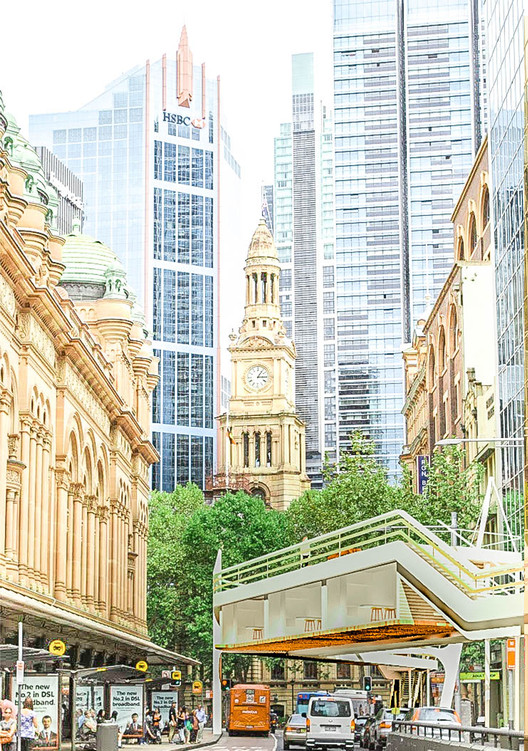
Bee Breeders has announced the winners of the recent Sydney Affordable Housing Challenge. The international architecture competition asked entrants to address the growing affordable housing crisis in Sydney. The challenge aimed at "garnering global attention to the important issue of housing in Sydney, Australia, where the economy is strong but the residential market is among the least affordable, according to surveys of major metropolitan markets."
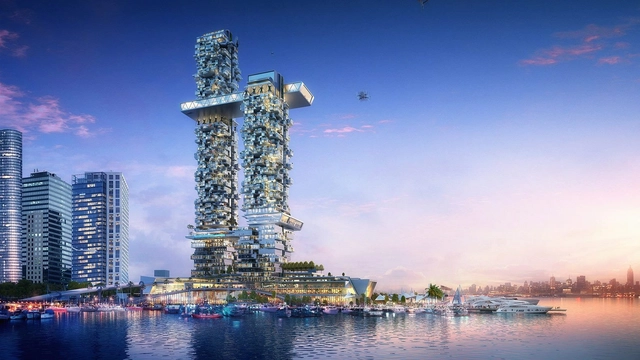
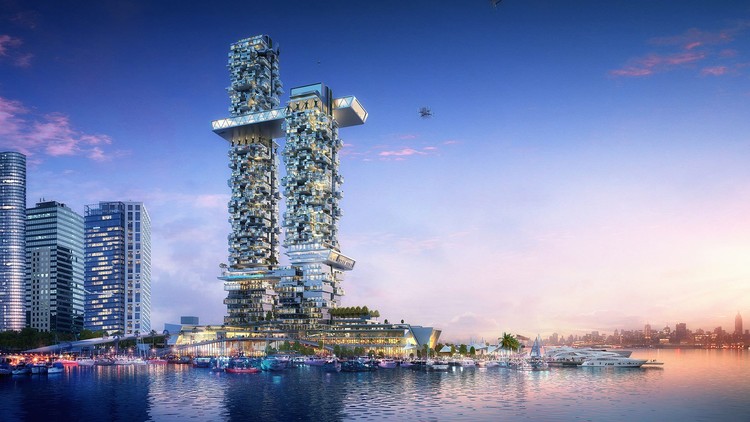
Humphreys and Partners, a Dallas-based architecture firm, presented a vision of future residential living at the 2018 International Builders’ Show earlier this year. Tackling current issues of affordable housing, sustainable design and how technology is changing the way we live, their futuristic vision Pier 2: Apartment of the Future consists of two soaring skyscrapers on the Manhattan waterfront.
20 finalists have been announced for the Open International Competition for Standard Housing in Russia. With the plan to provide 30 million Russian residents with new homes by 2025, the competition aims to discover new innovative solutions to improve residential design and planning for the new developments. The competition was organized by the Government of Russian Federation, the National Institute for Housing Development Foundation, and the Russian Ministry of Construction working together to create a new standard for affordable housing.