Cuban Architecture

  1. ArchDaily
  2. Countries
  3. Cuba

Latest news in Cuba

7 Latin American Architecture Firms that Achieve More with Less

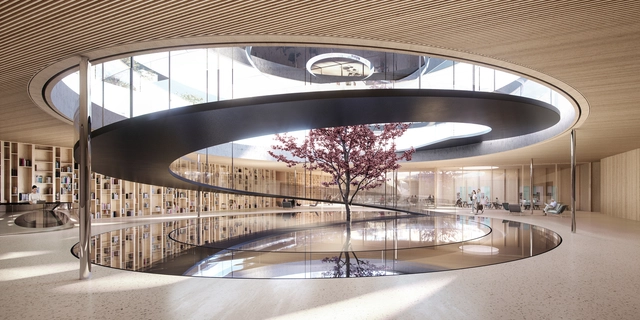
Young Latin American architecture firms are changing paradigms in the field by promoting a new approach to the profession's role in society. Their innovative explorations, driven by risk-taking, emerge from a deep emotional connection and thorough understanding of their context. They draw inspiration from local elements like geography, materials and available resources. With their unique identities, these firms move away from the still-prevalent modernist legacy, presenting authentic and innovative solutions to tackle contemporary challenges.

The Standardized Planning of Latin American Cities: Tracing the Blueprint of the Laws of the Indies

A look at most of the cities within Latin America reveals striking commonalities across countries, from Mexico down to Argentina: most cities have a well-defined area known as "El Centro" (The Center), anchored by a main plaza (Plaza Mayor), flanked by a church on one side and key buildings like the city hall on another. This is no coincidence, as it can be traced back to an urban planning system established during the Spanish colonization of the Americas in the 17th and 18th centuries. It gave standardized guidelines for city design across its viceroyalties. Unlike French and English colonies, Spanish settlements adhered to regulations that contributed to the emergence of a shared urban identity, with cities displaying similar spatial logic and architectural cohesion despite differing scales and contexts.

Grupo Finca in Cuba: "We Found in the Informality of Our City a Legal Void Where We Can Operate"

Subscriber Access | 

Resisting an adverse context and navigating its restrictions, Grupo Finca emerges, a collective that explores the practice of architecture from an artistic and pedagogical dimension in Havana, Cuba. Given the complexity of the country's political and social situation, informal architecture is common: low resources, difficulty in obtaining materials, high costs, and a lack of skilled labor, among other challenges, are some of the obstacles faced by independent architecture professionals. Coupled with the absence of a regulatory legal framework that would allow them to work formally in the labor market or acquire materials and supplies, the construction of contemporary architecture in Cuba is relegated to independent processes that can somehow overcome these barriers.

Albor Arquitectos: "Building in Cuba is a challenge"

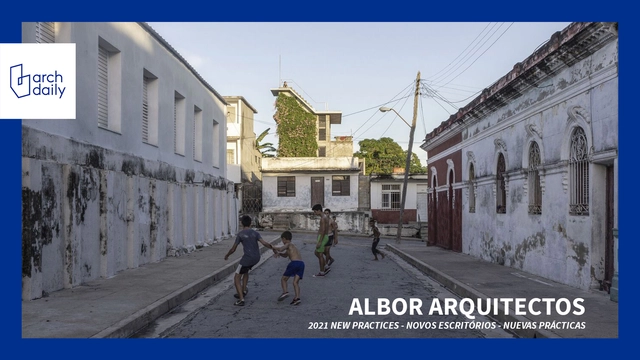
Albor Arquitectos is a Cuban architecture studio founded in 2016 by Carlos Manuel González Baute, Alain Rodríguez Sosa, Camilo José Cabrera Pérez and Merlyn González García. They say that building in Cuba is a complex task, a growing challenge due to the lack of materials, high costs and restrictions on the independent practice of the profession.

RIBA Announces Winners of 2021 President’s Medal and Awards for Research

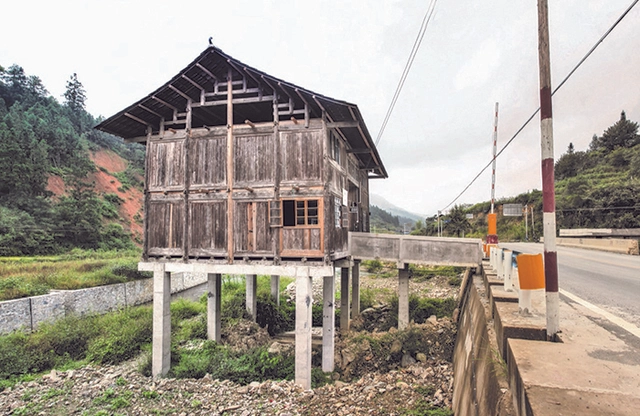
The Royal Institute of British Architects (RIBA) has announced the winners of the 2021 President's Medal and Awards for Research, highlighting the best research concerning architecture and the built environment. The President's Medal was awarded to John Lin and Sony Devabhaktuni from the University of Hong Kong for their research project As Found Houses, which explores vernacular practices in rural China. Two more awards were granted to the development of an ethics guide for architectural practitioners and a study of thin-tile vaulting in Cuba.