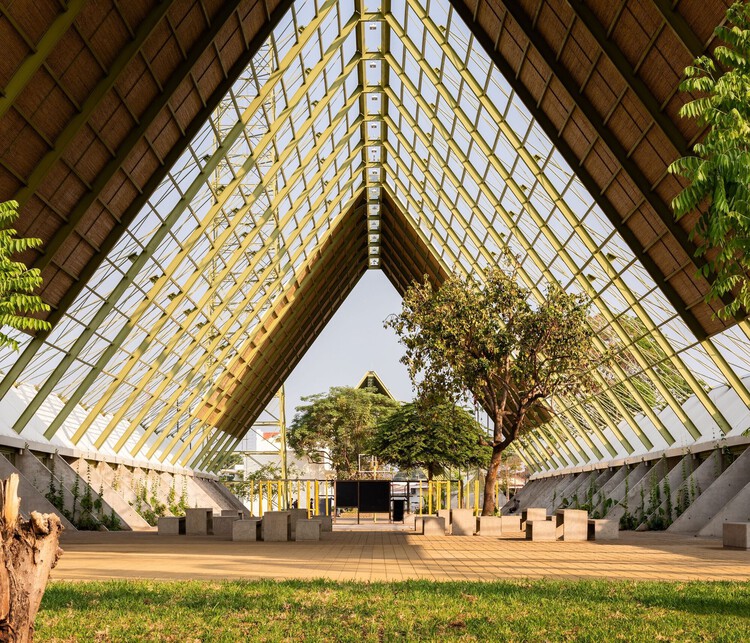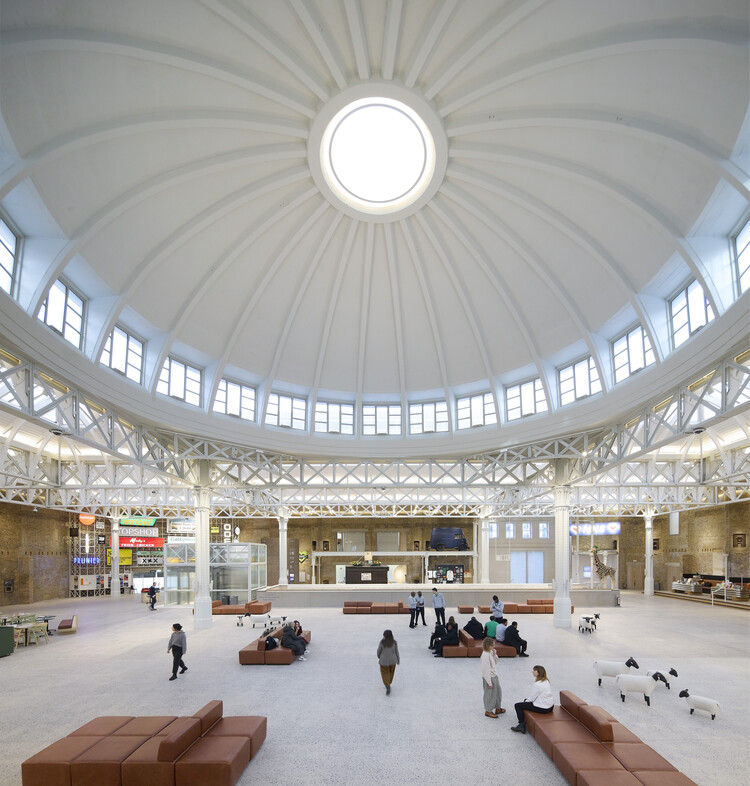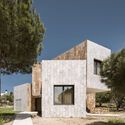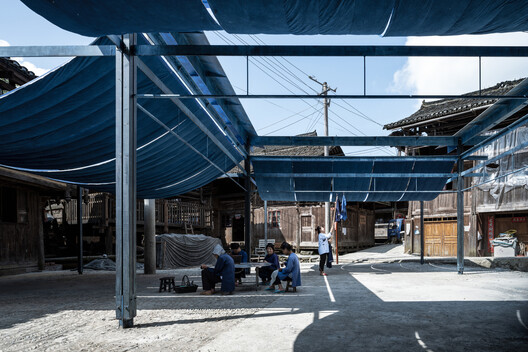
An architectural intervention is not simply a question of how much or how little to introduce, but of understanding precisely where and how to act. This precision begins with a careful reading of the existing context, including the recognition of the spatial, material, and environmental conditions that shape a place. It extends into the process of design and construction, where complex considerations are distilled into deliberate, coherent decisions. Rather than pursuing formal complexity or reduction for its own sake, a measured intervention seeks to establish a meaningful relationship between what already exists and what architecture can contribute.
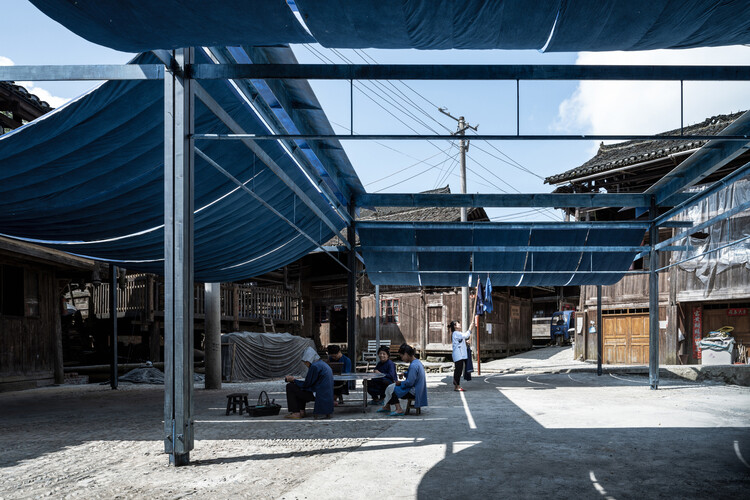
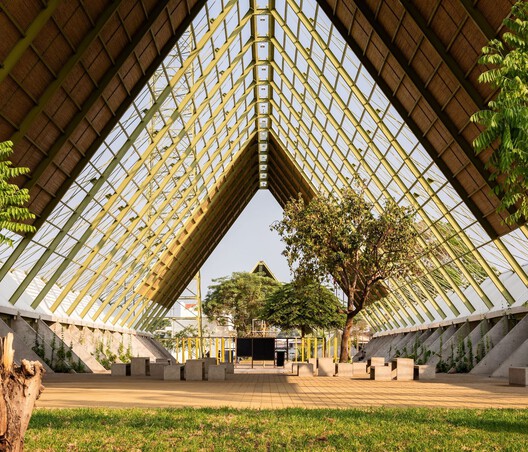
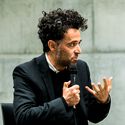
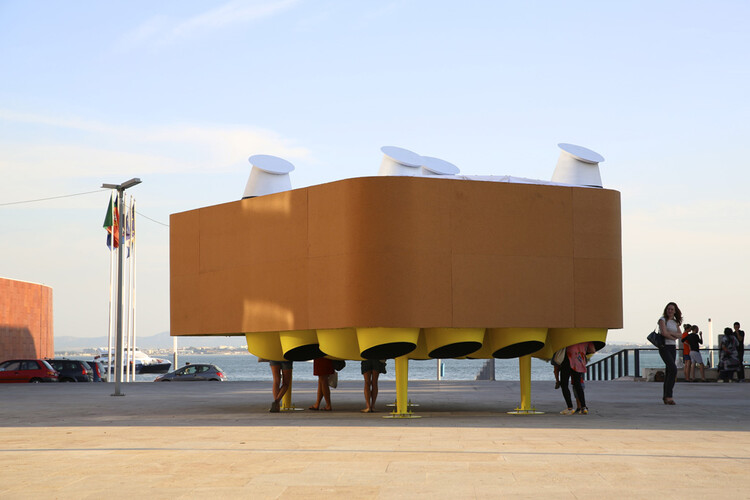
For Shanghai-based Atelier Guo, architecture appears to operate through this considered approach to intervention. Founded in 2020 by architect Liaohui Guo, the ArchDaily Next Practices Awards 2026-winning practice spans temporary installations, cultural pavilions, hospitality projects, and adaptive reuse. Across these varied scales, its work demonstrates a sustained interest in the fundamental relationships between structure, material, and place. Having previously worked with Peter Zumthor, Caruso St John, and Francesca Torzo, Guo brings an architectural sensibility informed by construction and material expression, while remaining attentive to the cultural and environmental contexts of contemporary China.