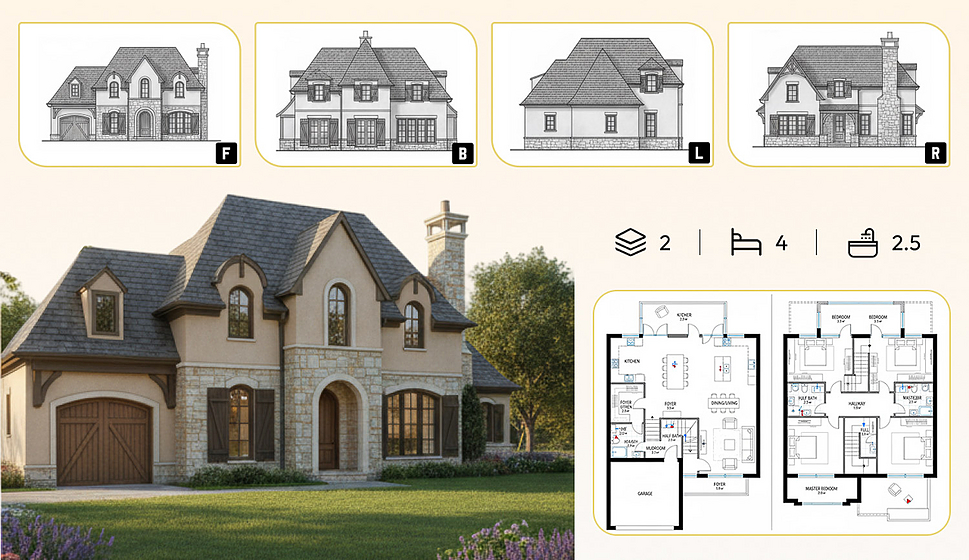
This guide covers a workflow that moves from project parameters to generated floor plans, 3D perspective views, exterior design exploration, and site context visualization, using AI tools in place of preliminary CAD and rendering work.
This guide covers a workflow that moves from project parameters to generated floor plans, 3D perspective views, exterior design exploration, and site context visualization, using AI tools in place of preliminary CAD and rendering work.

The Integrated Permanent Site Construction Project of the Shenzhen Medical Academy of Research and Translation (SMART) and Shenzhen Bay Laboratory (SZBL) is located in the northeastern sector of the Science and Education Integration Cluster in Guangming Science City, Guangming District, Shenzhen. Tasked with the core mission of establishing a comprehensive national science center in the Greater Bay Area, the project will establish a strategic scientific and technological institution integrating basic research, clinical research, full-chain industrial translation, and technical innovation in the biomedical field, supporting Shenzhen's development into a pioneering demonstration hub for medical and life sciences innovation.
The Integrated Permanent Site Construction Project of the Shenzhen Medical Academy of Research and Translation (SMART) & Shenzhen Bay Laboratory (SZBL) is located in the northeastern sector of the Science and Education Integration Cluster within Guangming Science City, Guangming District, Shenzhen. Carrying the core mission of establishing a comprehensive national science center in the Greater Bay Area, the project aims to develop strategic scientific and technological institutions that integrate basic research, clinical research, full-chain industrial translation, and technical innovation in the biomedical and life sciences fields, supporting Shenzhen's development into a pioneering demonstration hub for medical and life sciences innovation.
The tender for the schematic design and preliminary architectural design of Bid Section II of the Integrated Permanent Site Construction Project of the Shenzhen Medical Academy of Research and Translation and Shenzhen Bay Laboratory is about to commence, with the official tender announcement to be released shortly. The tenderee is the Engineering Design Management Center of the Bureau of Public Works of Shenzhen Municipality. Pre-registration and expressions of interest are now open to design teams worldwide.
Tenders for the schematic design and preliminary architectural design of the Integrated Permanent Site Construction Project of the Shenzhen Medical Academy of Research and Translation & Shenzhen Bay Laboratory (Bid Section II) will launch soon, with the official tender announcements to be released shortly. The tenderee is the Engineering Design Management Center of the Bureau of Public Works of Shenzhen Municipality. Pre-registration is now open to design teams from around the globe.
Tender Project: Shenzhen Medical Academy of Research and Translation and Shenzhen Bay Laboratory Integrated Permanent Site Construction Project Design Bid Section II
Project Name: Design for the Integrated Permanent Site Construction of the Shenzhen Medical Academy of Research and Translation & Shenzhen Bay Laboratory (Bid Section II)
Project Location: Northeastern sector of the Science and Education Integration Cluster in Guangming Science City; situated at the northeastern gateway of Shenzhen, adjacent to Sun Yat-sen University (Shenzhen Campus) and Shenzhen Institute of Advanced Technology.
Project Location: Northeastern sector of the Science and Education Integration Cluster in Guangming Science City; at the northeastern gateway of Shenzhen; adjacent to Sun Yat-sen University (Shenzhen Campus) and Shenzhen Institute of Advanced Technology
Pre-registration Deadline: June 4, 2023, 17:00 (Beijing Time)
Pre-registration Deadline: 17:00, June 4, 2023
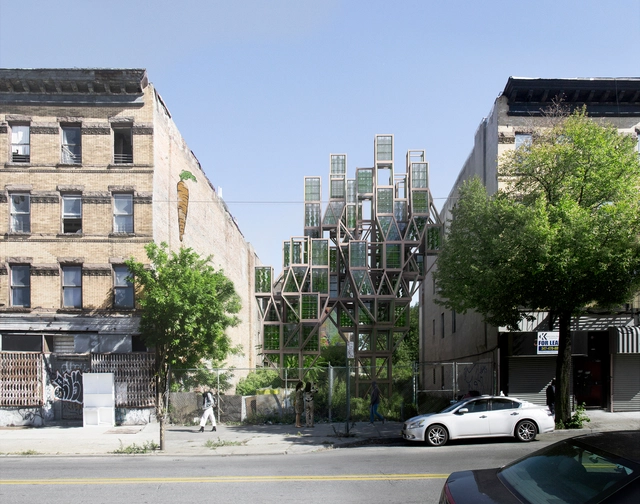
We are living in a state of emergency. Since the dawn of industrialization, we have rushed through our planet's finite resources as if they were limitless, depleting and destabilizing the very ecosystems we depend on for our sustenance, economy, food, health, and quality of life.
In just 50 years, we have lost more than half of the world's wildlife. Currently, the Earth is on track to warm beyond 1.5 degrees Celsius, which scientists warn is a hard planetary boundary for existing ecosystems. This is a “code red for humanity,” as described in the IPCC Sixth Assessment Report. Continuing on our current path will mean irreversibly damaging the very conditions that sustain life on this planet.


Today, the kitchen has evolved into an architectural hub for gathering and socializing, displacing the living or dining room as the home's primary social center. Similarly, in contemporary design, the bathroom has taken on a central role. Design concepts now reflect the user's personality, whether in small or spacious layouts, by combining wall and floor coverings, materials, and decorative elements.
Bathroom and kitchen renovation has become a booming sector within architecture, driven by a vast range of product options and projects that are increasingly accessible to execute. These spaces are no longer merely utilitarian; they can also be designed to reflect the overall character of the home.
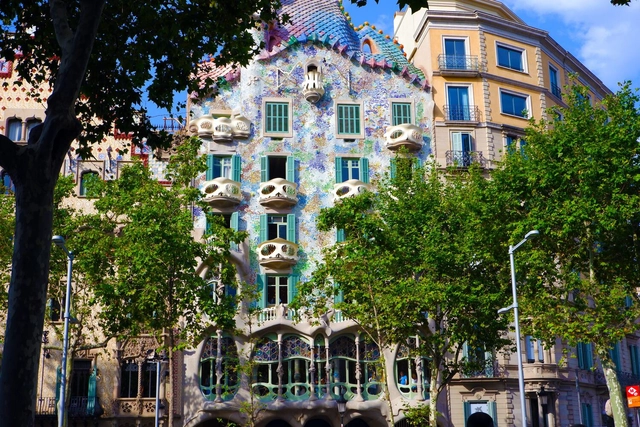
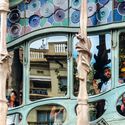
Casa Batlló, located on the iconic Passeig de Gràcia in Barcelona, Spain, is an architectural masterpiece that embodies a synthesis of creativity, innovation, and architect Antoni Gaudí's deep connection with nature. Built between 1904 and 1906, this residence is a major tourist attraction in the city and an important contribution to architectural history. Here, we analyze Casa Batlló through concepts central to the field of neuroarchitecture.
Much has been said about the dangers that humanity as a whole will face from the effects of the climate crisis. More intense floods, prolonged droughts, hotter summers, and freezing winters are some of the immediate consequences we can already feel.
The cause of these local disasters is a global and historical problem: the growing and systematic emission of greenhouse gases (GHGs) from anthropogenic activities since the Industrial Revolution. These gases intensify our atmosphere's greenhouse effect, a natural phenomenon that sustains life on the planet. This heightened greenhouse effect disrupts natural cycles, now putting at risk not only our future, but our present as well.

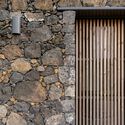
As part of a new collaboration between Mexican firms Dellekamp Arquitectos and Rojkind Arquitectos, Casa Roca is presented in Puerto Los Cabos, San José del Cabo, Mexico. Inspired by the rock formations at the site's summit, the project features a radial layout carefully organized in response to its topography. Sited on a 5,000 m² lot, the 1,200 m² house organizes its program along the natural landscape, minimizing its footprint and establishing a close relationship with nature as the core living experience.

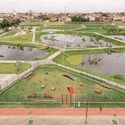
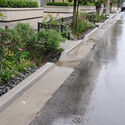
Facing the challenges of aligning development demands with sustainability policies, researchers from FGV EAESP (São Paulo School of Business Administration), alongside the international non-governmental organization ICLEI (Local Governments for Sustainability) and other partners, have created the Green and Blue Infrastructure Guide. The objective is to provide a step-by-step guide on how to make cities sustainable, focusing on improving local governance across three key factors: food, water, and energy.



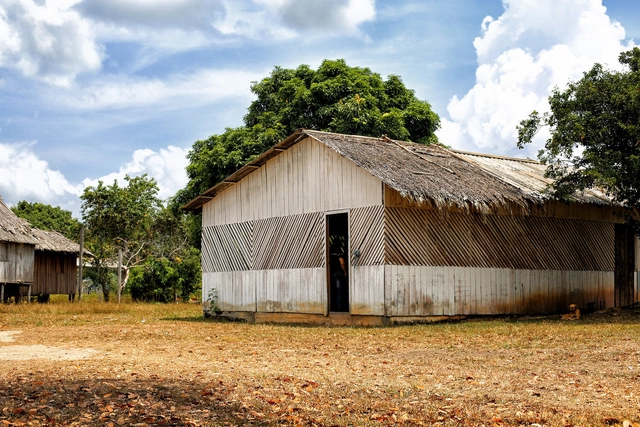
Applications are now open for the Heritage Education Projects call launched by the National Institute of Historic and Artistic Heritage (Iphan). The initiative will provide R$ 2 million to establish partnerships between Iphan, civil society organizations, and public entities at all levels of government, which can submit proposals ranging from R$ 200,000 to R$ 250,000. Applications are open until September 25.

Chile is looking to reactivate and add new cable car projects to address urban mobility in its cities. At the end of January 2023, economist and politician Carlos Montes, the current Minister of Housing and Urban Development, alongside Carlos Ponce, director of the Santiago Metropolitan Park, officially presented the new Pío Nono Cable Car project. Currently under construction, this one-kilometer, three-station line—to be named Zoológico Nacional, Chile Nativo, and Plaza México—aims to provide an alternative transport option to the summit of San Cristóbal Hill.
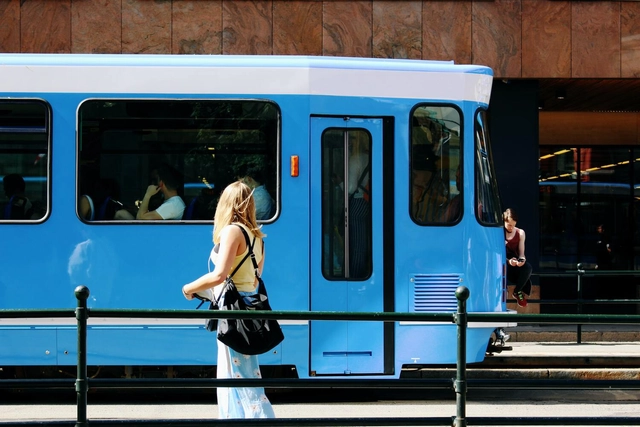
As the urgency to replace fossil fuels increases, new electric vehicle models are announced with growing frequency. From urban cars to models equipped with solar panels, the focus is on prioritizing electric mobility, with automakers shifting production lines and countries and cities passing laws to accelerate the energy transition.

The São Paulo Association of Art Critics (APCA) announced yesterday evening the winners of the 2022 APCA Awards. The accolade is divided into ten categories, covering Architecture, Visual Arts, Cinema, Dance, Literature, Popular Music, Radio, Theater, Children's and Youth Theater, and Television. After two years of virtual meetings, the jurors for each category met in person to debate the nominations.
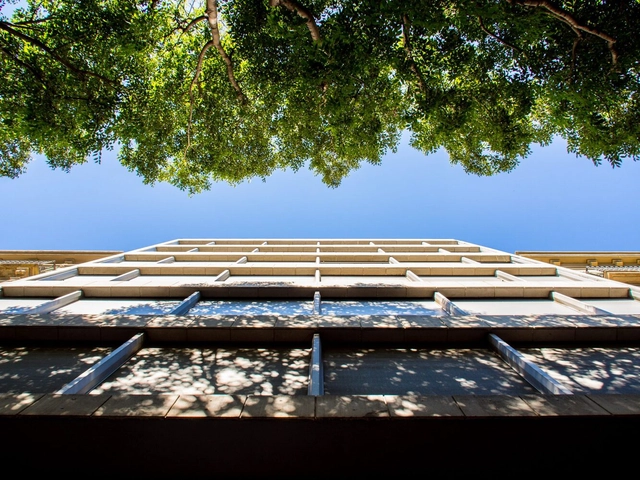
Over 4% of deaths in European cities during the summer months are due to urban heat islands, and one-third of these deaths could be prevented if tree canopy cover reached 30%. These are the main findings of a study recently published in the journal The Lancet and conducted by the Barcelona Institute for Global Health (ISGlobal).
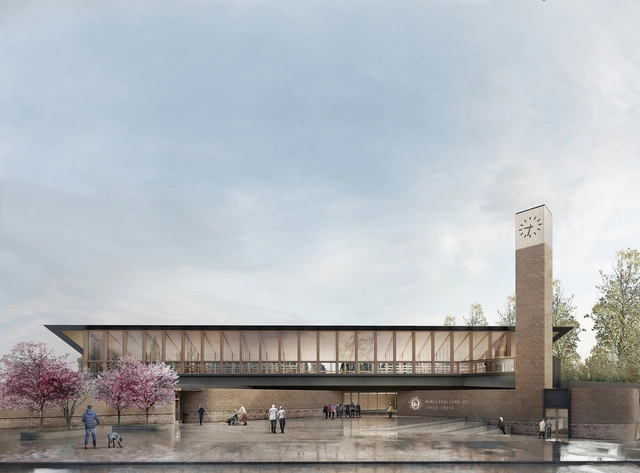
Cristóbal Tirado and Doering Pardo were awarded first place in the public competition “Architectural Design and Profile of the Chile Chico Town Hall.” Organized by the local municipality's Secretariat of Communal Planning in the Aysén Region, the competition aimed to select a distinctive and iconic architecture for this extreme region, while incorporating energy efficiency criteria, openness toward General Carrera Lake, and outdoor spaces for civic gatherings.
The selected project proposes “to articulate a dialogue between the present day and its technologies, and the historical past and foundational building traditions of Chile Chico.” With this in mind, the materials—brick, wood, and glass—were adapted to current technical and spatial requirements to create a modern civic building.
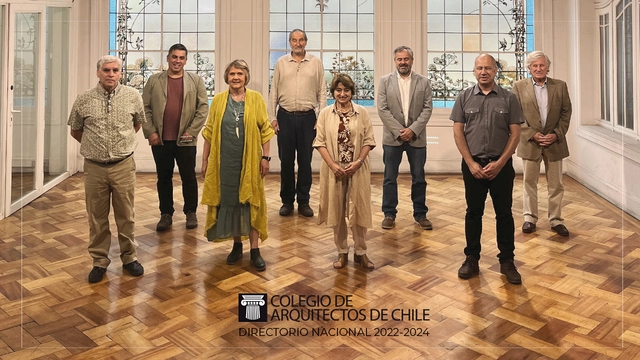
On Friday, January 20, 2023, during the Constitutive Session of the new National Board elected by our members in the 2022 CA Elections, the new Executive Board and officers of the Colegio de Arquitectos de Chile were chosen for the 2022–2024 term.
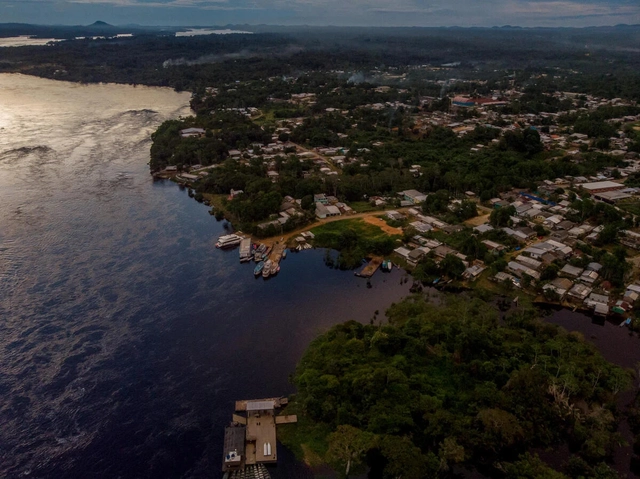
São Gabriel da Cachoeira (AM) is considered the most Indigenous city in Brazil, home to 23 peoples belonging to five language families — Eastern Tukano, Arawak, Yanomami, Japurá-Uaupés, and Tupi. There, at two small excavation sites, archaeologists have found evidence proving a dense, continuous, and ancient settlement dating back at least two thousand years.
The findings challenge the common narrative that characterizes the region by depopulation, isolation, and disconnection from the rest of the Amazon. The area is one of the best-preserved in the Amazon and has been studied since 2019 by Parinã (Intercultural Archaeological Program of the Northwest Amazon), which has just compiled its first reports on the recovered archaeological fragments.
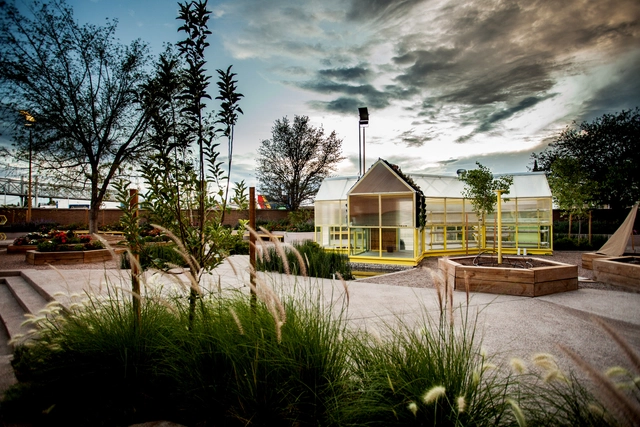
Various experts in the design, construction, and monitoring of sustainable buildings in Latin America come together on Emisor Cero, the new podcast from Proyecto CEELA produced by podcastera.mx. The show aims to highlight the concrete challenges and actions capable of mitigating the climate crisis affecting us all, while simultaneously exposing and debunking various myths about green architecture.
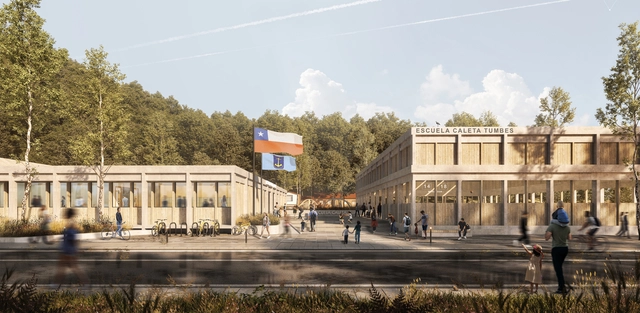
The community of Caleta Tumbes in the commune of Talcahuano, a few kilometers from Concepción, suffered severe damage from the 2010 Chile earthquake and tsunami. Nearly a decade later, the local municipality launched a public tender for the opportunity to rebuild one of the most affected structures, the F-495 School.
The winning project was designed by the firm 6280 Arquitectos, led by Pablo Arellano and Patricio Lopetegui. Below, the team describes the proposal in their own words.
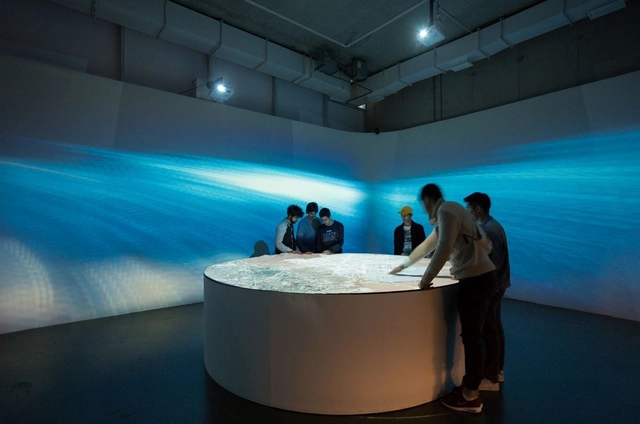
In a context where cultural expressions are increasingly valued, and their presentation and representation are vital to conveying diverse content, the design of exhibition spaces becomes particularly relevant when projecting and establishing different perceptions and narratives, both in daily life and during specific events.
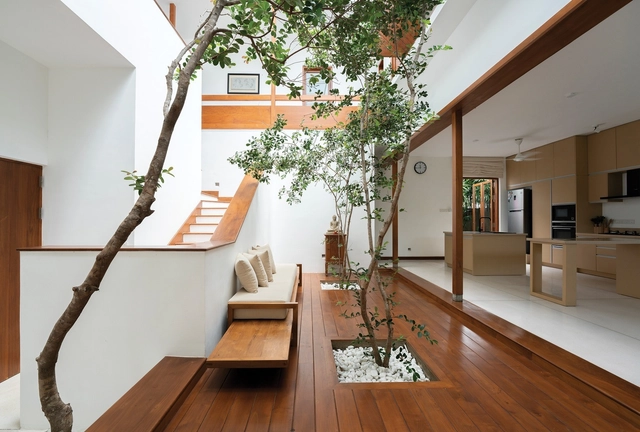
Residential architecture plays a vital role in people's lives, influencing their quality of life and well-being. To design environments that are truly tailored to the biopsychosocial needs of each user, it is essential to incorporate the principles of neuroscience applied to architecture. In this regard, Rudolf Steiner's Seven-Year Cycles theory offers a valuable conceptual framework for understanding the different phases of life and their implications for home design. This article addresses the stages of the architectural project, from briefing to execution, highlighting the relevance of cognitive and behavioral neuroscience concepts—such as priming, framing, nudging, wayfinding, salutogenic design, and biophilic design—in light of the Seven-Year Cycles theory.
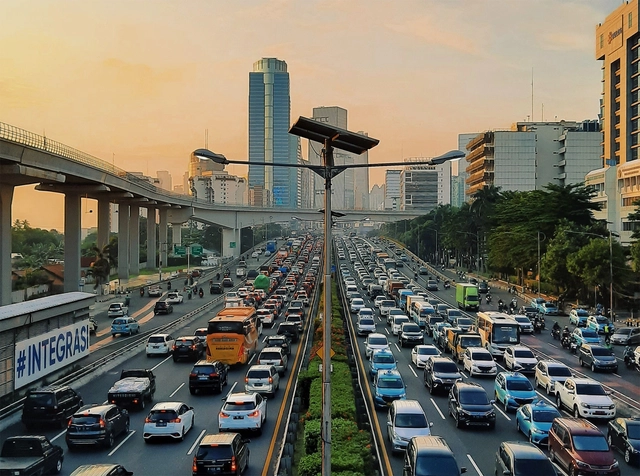
There is a stereotype that in poor countries, where few people own cars, alternatives to the automobile are flourishing. I saw a Mastodon post making this claim, and I pointed out in the comments that this is not quite true. This is a more detailed version of what I said in 500 characters. In short, across most of the Third World, public transit is poor, and almost all passengers who use vans and buses do so out of poverty, as do most people who walk.

During the summer months, very hot days followed by intense, high-precipitation rainfall are common. As a result, urban flooding is a frequent occurrence in large cities. However, certain architectural and urban planning solutions can help improve people's quality of life, particularly through green infrastructure interventions and the application of biophilia.
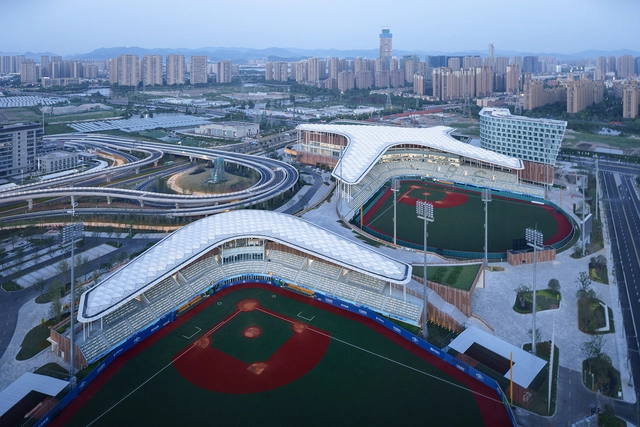
At the recently concluded Asian Games, the Architectural Design and Research Institute of Zhejiang University (UAD) participated in the design of numerous competition venues. Among them, the Hangzhou Asian Games Baseball and Softball Sports Cultural Center is the largest newly built venue for this edition of the Games, as well as the largest, most advanced, and highest-standard baseball and softball sports center in China to date. For this edition of Spotlight, we interviewed UAD's Qian Xidong to discuss his design philosophy shaped by years of professional practice.
One of the greatest difficulties when studying is understanding how to apply the concepts presented to us. In structural engineering education, it is common to use symbols and abstractions to understand the forces involved in a structure and how they work. Another major challenge is translating this abstract information into something tangible: the actual building elements.
Engineer Matheus Borges has been creating illustrations on his Instagram to help decode this information. Below, we look at what these support types are and how they behave.
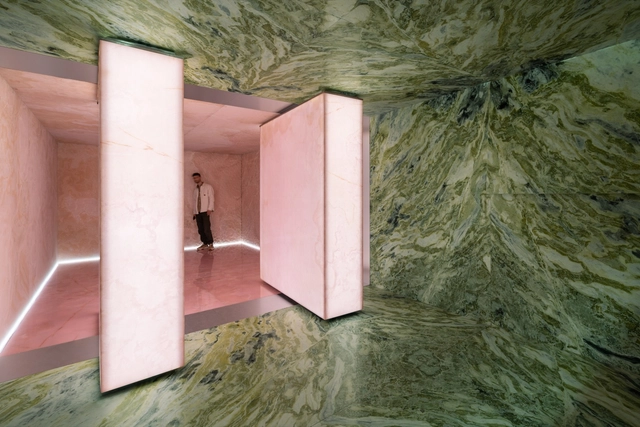
Throughout its existence, architecture has continuously reinvented itself, driven not only by the emergence of new techniques and trends, but also by a deeper understanding of the human being. In recent times, the field of neuroarchitecture has yielded valuable research into how built environments influence our brains and, consequently, our behavior and well-being. This interdisciplinary approach suggests that interior design—specifically materiality and surface design—can play a crucial role in modulating individuals' neural and behavioral responses.