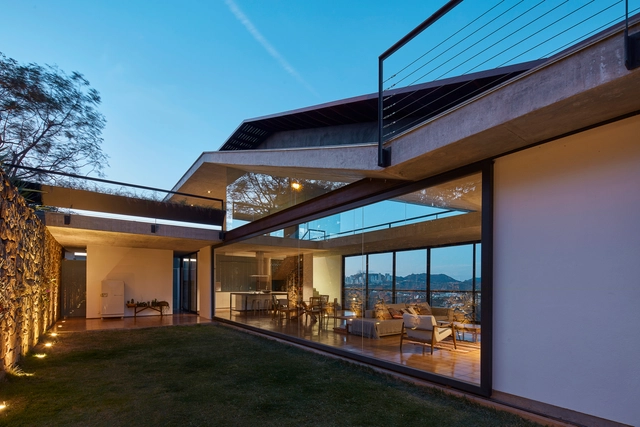
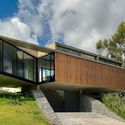
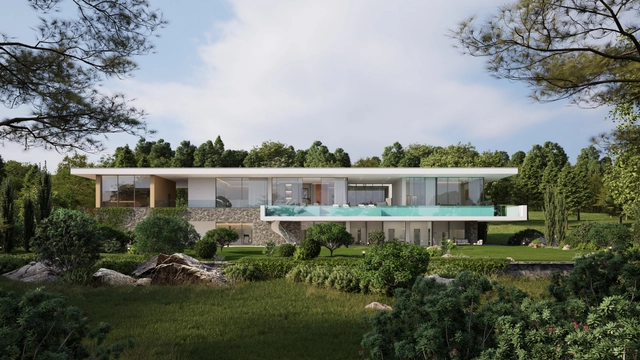
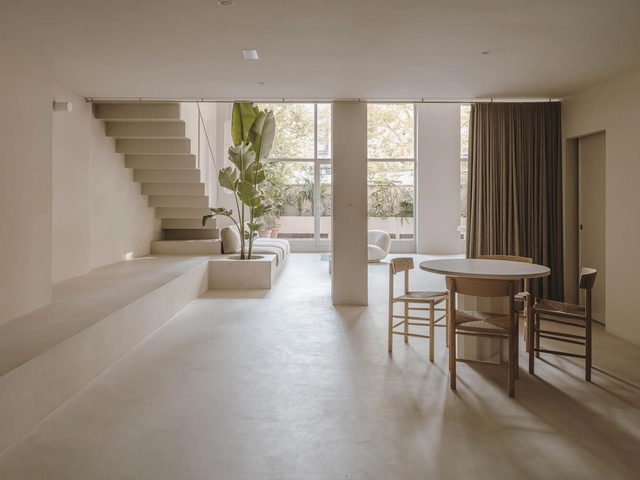
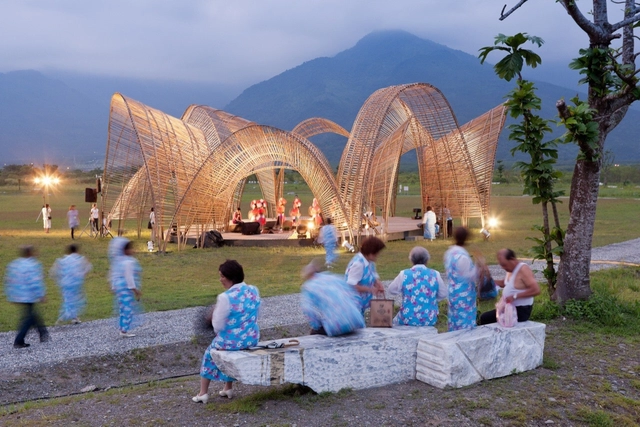
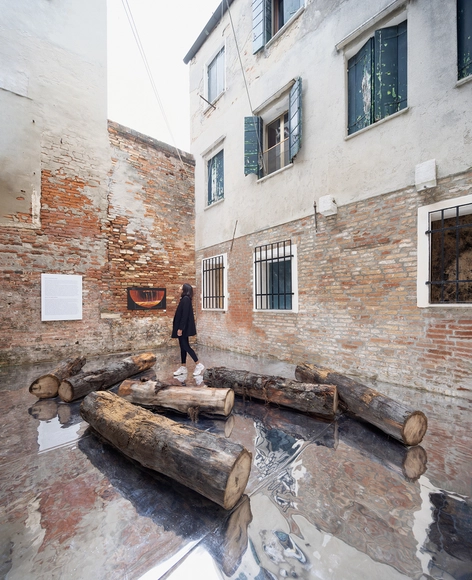
Architecture is generally understood as a positive construction—that is, tectonics, volume, an object in the world. And indeed it is. However, shifting the observer's perspective—from the distant, aerial view to the interior experience of the occupant—transforms the notion of the object in the world into a "world" in itself. Furthermore, it can also act as a frame, capturing and directing the gaze. Indeed, the view is a key element of architectural value, highlighting a specific angle of the outdoors and inviting the occupant to contemplate. The projects of TETRO Arquitetura highlight this interplay between form and frame.
Neuroarchitecture and environmental psychology are two fields based on the relationship between the physical environment and human behavior, yet they employ distinct approaches and practical applications. Learn about the differences between these fields and their practical applications in architectural and design projects.
blōma project by SPBR Arquitetos in Curitiba. Courtesy of SPBR Arquitetos
The "Kilometer Zero" concept has been gaining popularity in contemporary architecture, promoting environmentally conscious approaches to reducing carbon emissions. One application of this concept is the blōma project by SPBR arquitetos, led by Angelo Bucci. The São Paulo-based firm's first project in Curitiba, the residential building was designed to prioritize local resources and labor.
https://www.archdaily.com/1135911/spbr-arquitetos-designs-a-residential-building-based-on-the-kilometer-zero-concept-in-curitibaArchDaily Team
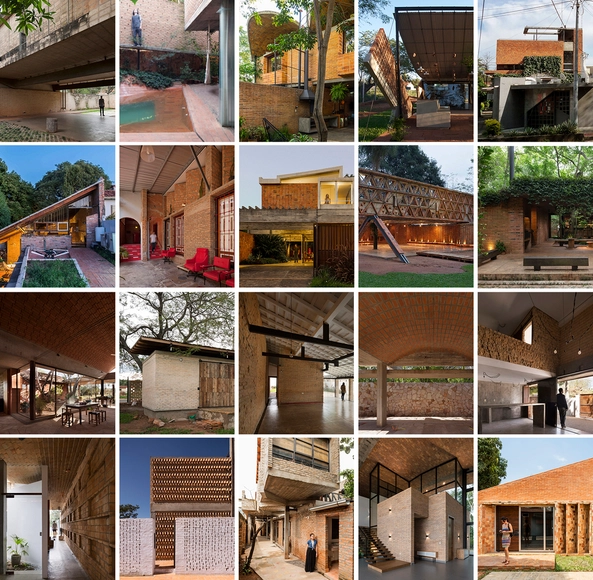
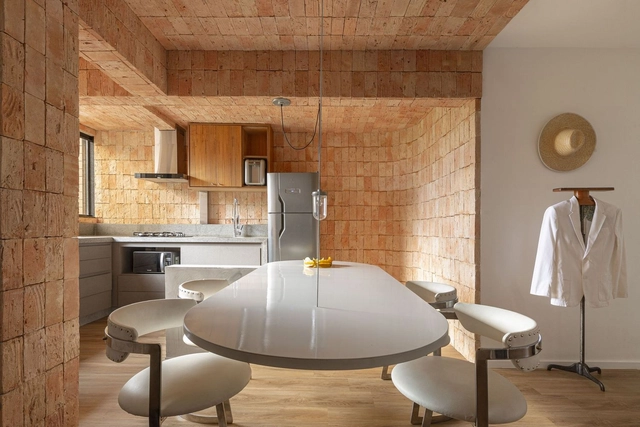
In Paraguay, brick can be many things. Walls, dividers, facades, sieves, vaults, floors, and pavement are just some of the many example that demonstrate, not only the variety of uses for brick, but the ingenuity of the architects who choose to utilize it in their projects.
Hi there! Welcome to the first Supporters Newsletter, created exclusively for you. To kick off this first edition, we are dedicating this issue to the concept of START. We will delve into insights on how to get started with Artificial Intelligence, and how it influences the shift in architectural creativity. In addition, we are offering our Supporters a free course onEvolutionary Computational Design, information on a job opportunity at OMA, and a new room visualization tool.
https://www.archdaily.com/1005666/the-supporters-newsletter-issue-number-1ArchDaily Team
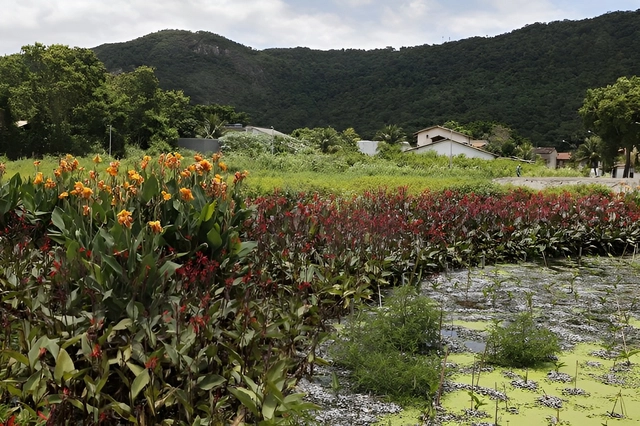
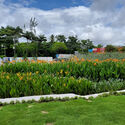
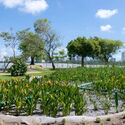
Filtering Garden at the Piratininga Coastline Park, Niterói (RJ) | Photo: Phytorestore Archive
A recent study in Nature warns that water pollution could cause a water supply crisis by the end of the 21st century. Water quality will deteriorate particularly in parts of South America, sub-Saharan Africa, and Southeast Asia—regions that are already vulnerable. Reversing this scenario will require governments to prioritize sustainable development. To this end, nature-based solutions, such as filtering gardens, may become increasingly common.
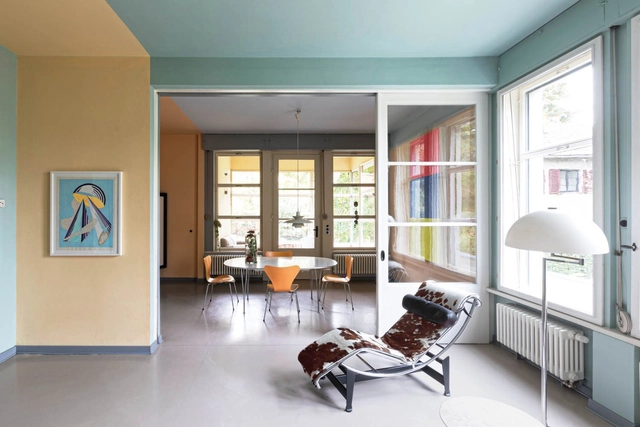
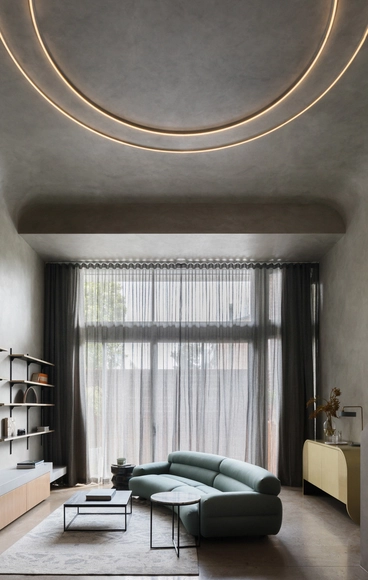
Art has always been a means for people to connect with space, and art movements have served as a platform for exploring new relationships with architecture. By incorporating art into buildings and interior spaces, they have been transformed, resulting in a fusion that creates beautiful, inspiring, and spiritually uplifting environments. Throughout history, various art movements, such as the Renaissance in the 17th century, Baroque in the 18th century, and Art Nouveau, Art Déco, and Bauhaus in the early 20th century, have had a significant impact on architecture. Architects drew inspiration from the ideals, concepts, stylistic approaches, and techniques of these movements, using them to create large-scale habitable structures. As the home is a fundamental expression of an architectural movement and the simplest canvas to exhibit the artistic ethos of any particular era, studying the interior spaces of houses provides a detailed picture of art's influence on spatial organization, furniture design, product patterns, and user interaction.
Interactive virtual game environment- SCI-Arc summer BS Design Workshop. Image Courtesy of SCI-Arc
The Bachelor of Science in Design* (BS Design) program at SCI-Arc is a 4-year degree preparing students for interdisciplinary creative careers in cinematic design, gaming, and data-based urban planning and design, using architecture as a platform for exploration.
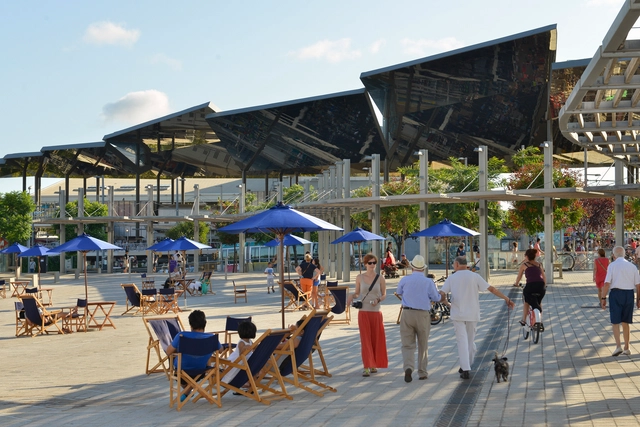
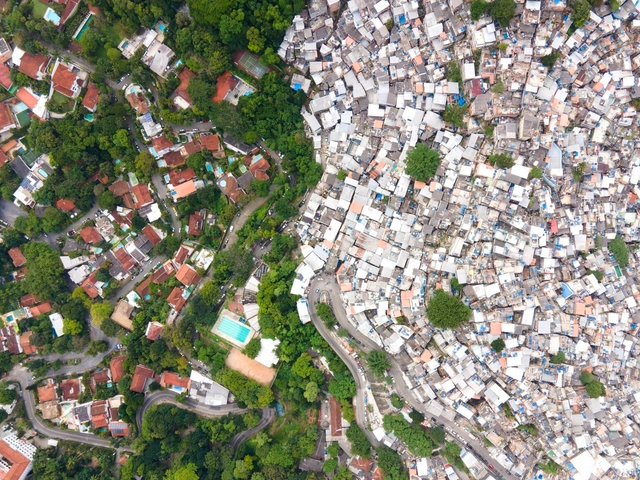
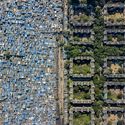
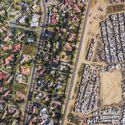
Cities frequently have an unequal presence and distribution of green spaces, and their residents do not use and enjoy them in the same way. Aerial views of various urban areas show that the color green appears to be more prominent and concentrated in economically valuable locations, illustrative of the complicated and multifaceted relationship between vegetation and wealth concentration in urban environments. This relationship, which has been the focus of discussion and contemplation on a global scale, is crucial to understanding how socioeconomic differences materialize geographically and impact urban residents' quality of life.
What we build can be metaphoric—often intentionally, sometimes subliminally. But architecture is seldom the intentional commentary of architects, crafting symbolism; more often it is a direct reflection of its time and the culture that made it.
From the top floor of the Hilton Hotel at Tucherpark in Munich, you could see the skyline of the city dotted with construction cranes, a reflection of its current state of development. With this backdrop of old meets new, this year’s edition of the Architecture Matters conference started its program under the title “Second City: The New in the Old.” While the title could have been fitting for a preservation conference, Architecture Matters actually brought together a diverse group of architects, urbanists, engineers, city planners, government officials, developers and technologists to discuss forward looking ideas for the built environment. Reduce, reuse, recycle, and the circular construction dominated the discussion across different scales, from city planning to new materials, and tech startups.
As we stand at the dawn of a new technological era, architects and designers are witnessing a paradigm shift in the industry. The advent of Artificial Intelligence (AI) and collaborative design solutions are transforming the professional landscape, redefining the boundaries between creativity and technology. This article delves into these emerging trends and introduces cutting-edge tools designed to address the challenges inherent in this sweeping wave of innovation, relieving architects from the anxiety of navigating the unknown.
IKEA’s research and design lab SPACE10 has published The Healthy Home report, the second release in its Future Home report series. The report explores three main themes concerning domestic environments: how our homes protect us from harm, restore our bodies and minds, and enable us to grow through life’s stages. The research aims to evaluate the ways in which homes can positively contribute to and support the rhythms and flows of life. It was developed in collaboration with Morph to develop the visuals supporting the findings.
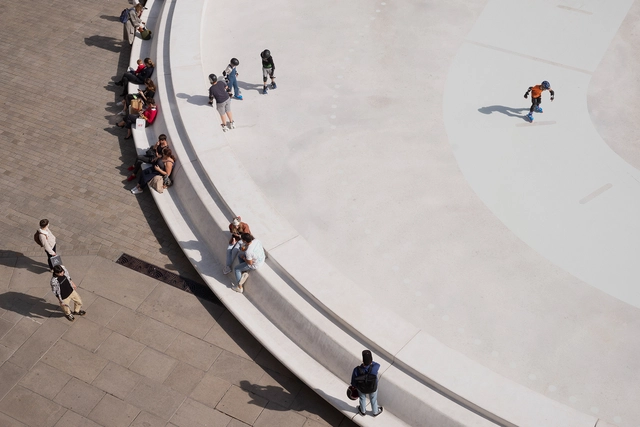
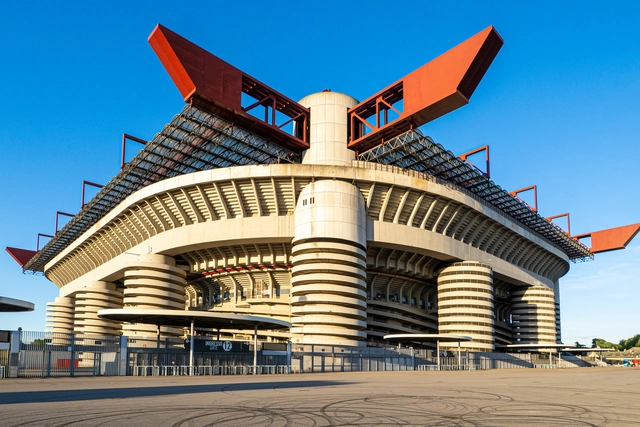
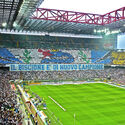
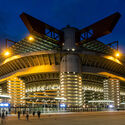
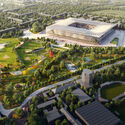
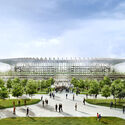
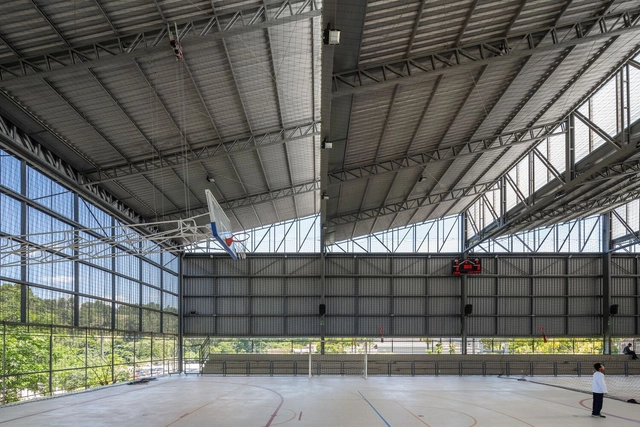
Sports arenas hold significant relevance in society as they serve as vital meeting places for sports and cultural activities. They play a role in enhancing overall well-being, encouraging an active lifestyle, and fostering social inclusion. Within these projects, architects assume the responsibility of designing spaces that seamlessly accommodate athletes and the community. Moreover, architects must actively engage with the surroundings to create a harmonious dialogue and establish a distinct identity for the arena.
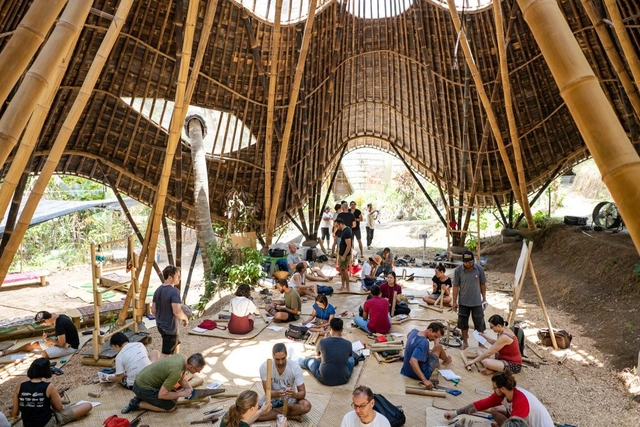
As the world increasingly recognizes the importance of adopting sustainable construction practices, bamboo’s versatility, strength, and renewable qualities are generating significant momentum in the transition toward a circular material economy. From initial idea to completion, this article will provide you with valuable insights to begin your bamboo building project, from the perspective of Bamboo U.
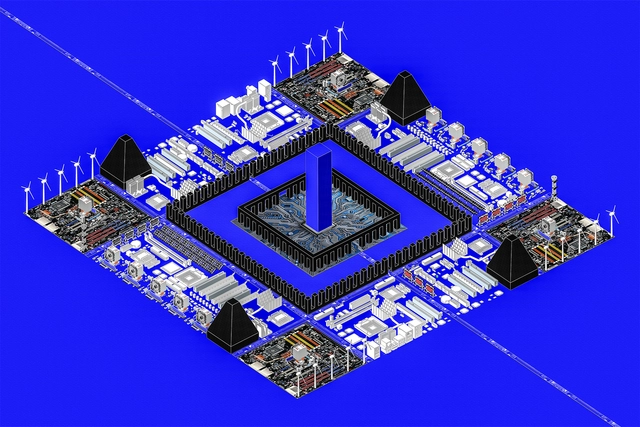
In recent years, we have experienced the rapid growth of Digital Age data, which is deeply affecting the physical environment and whose unchecked proliferation will continue to reshape and alter the landscape. However, these impacts may not be immediately apparent. As our dependence on digital technologies increases, it becomes critical to consider the consequences associated with data generation.
There is no material more diverse and timeless than brick - which can be seen as a staple in both ancient and modern architecture. In many cases, stripping away the drywall of a historical building can reveal beautiful brick walls, which bring a great deal of texture, warmth, and character into a living space. Whether left raw or painted, the look lends itself to a range of styles from rustic to industrial.
Matt Woods takes pride in "designing for deconstruction," which involves creating spaces and buildings that can easily be broken down at the end of a project. This philosophy is influenced by the high turnover rate in the hospitality industry, where Woods frequently works. He considers factors such as materials and functional elements that can be easily dismantled, such as using screws instead of nails or glues. Woods also focuses on reusing materials from past projects and collaborating with recycling companies to minimize waste.
The city of Osaka, Japan, has won the bid to organize the 2025 World Expo, an international event expected to draw in millions of visitors. Set to commence on April 13, 2025, and conclude on October 13, 2025, this marks Japan's second occasion as host, the prior instance being in 1970. Throughout their history, World Expos have been the place where new technologies and products are showcased and popularized, leading to technological advancements and innovative designs. For this event, Osaka has chosen the overarching theme of "Designing Future Society for Our Lives," with three subthemes further developing the concept: Saving Lives, Empowering Lives, and Connecting Lives. Architect Sou Fujimoto was selected as the Expo Site Design Producer, taking on the responsibility of creating the master plan and providing guidance to designers from participating countries.
The Chicago Architecture Biennial has unveiled a phased opening plan for its fifth edition, CAB 5: This is a Rehearsal. The inauguration of CAB 5 will be on September 21, 2023, with installations and programs held all over city sites. This will build up to a citywide opening celebration on November 1st when all exhibitions will be unveiled at the Chicago Cultural Center and the Graham Foundation. CAB 5 is curated by the collective Floating Museum, a group of artists, designers, poets, and educators focused on building connections between art, community, architecture, infrastructure, and public institutions.
Panama presented its pavilion on "Stories Beneath the Water" at the 18th International Architecture Exhibition – La Biennale di Venezia. Curated by Aimée Lam Tunon, the exhibition explored themes of division and integration, with a focus on three different areas within the former Panama Canal Zone. It is an analysis that addresses issues of division and integration: Divisive architectural structures and systems; erased identities of submerged communities; and Barro Colorado Island, critically examining and questioning the overlaps between notions of protection and control.