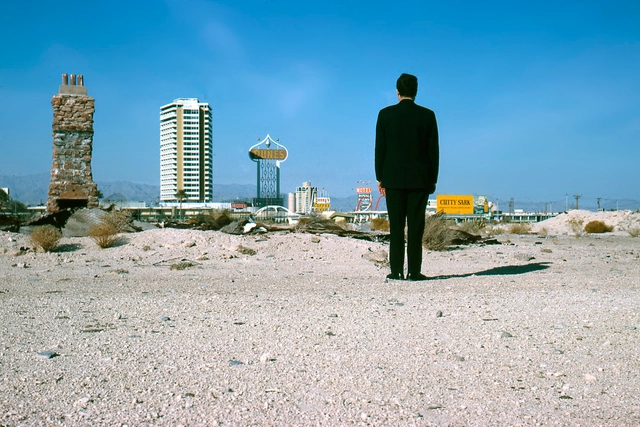
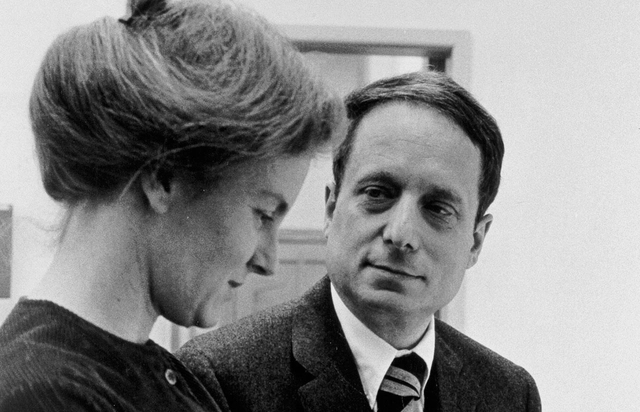
Robert Venturi - and the postmodernist movement he helped to form - was occasionally a divisive figure. For hardcore modernists, the referencing of prior styles was an affront to the future-facing architecture they had tried to promote. For traditionalists, the ebullient and kitschy take on classicism was an insult to the elegance of the past.
https://www.archdaily.com/902446/this-week-in-architecture-complexity-and-contradictionKatherine Allen
Architecture is all about context, either as a way to find harmony with it's surroundings or as a reaction against them. But what happens when you take context out of the picture entirely?
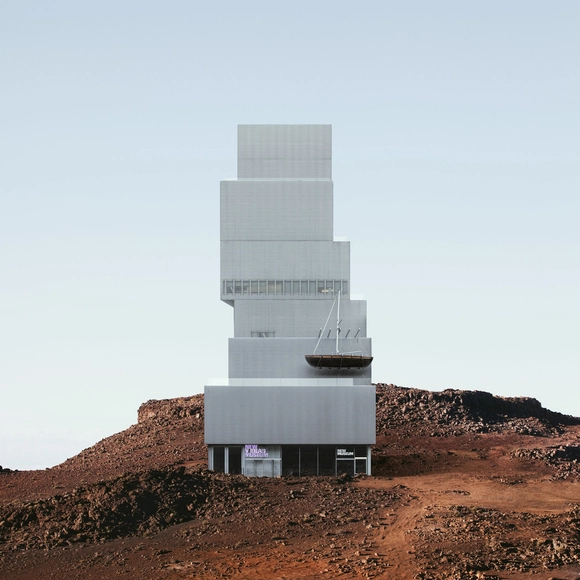
Designer Anton Reponnen, in his Misplaced photo series, has taken 11 of New York's most iconic landmarks, ranging from the Empire State Building to Renzo Piano's Whitney, and transplanted them in deserts, tundras, and plains. With the buildings placed in a "wrong" condition, viewers are challenged to evaluate the architecture in a different way. In Reponnen's eyes (and in the stories that accompany the images), each structure is as alive as we are, and their new location is mystery with motives to uncover.
Try as we might to inure ourselves to the opinions of others, recognition is a powerful thing. It brings with it a captive (and expectant) audience, not just of admirers but of kingmakers - or, cynically, those who see an opportunity to capitalize. For architects, this can be both a blessing and a curse. Many practices start with the motivation to pursue an idea or concept; as recognition becomes diluted to labels it becomes harder to understand what was distinguishing in the first place. This week saw the announcements of a numerous significant awards - and an interview with a practice determined to shake off the labels that come with recognition. Read on for this week’s review.
https://www.archdaily.com/902136/this-week-in-architecture-being-recognizedKatherine Allen
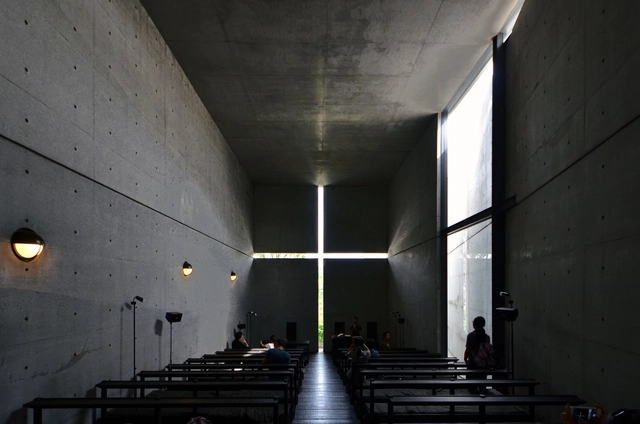
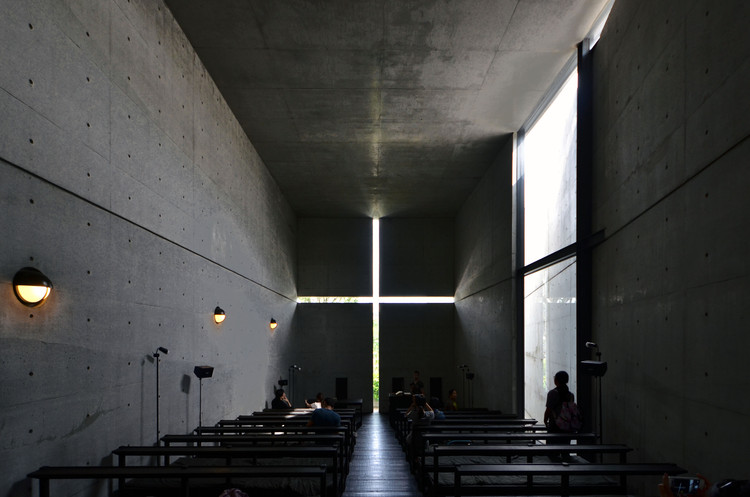
As the recipient of the 1995 Pritzker Prize, Tadao Ando (born 13 September 1941) is highly regarded for his unparalleled work with concrete, sensitive treatment of natural light, and strong engagement with nature. Based in Osaka, Japan, Ando's ascetic yet rich version of modernism resonates with the traditional Japanese conception of architecture, and has caused him to be regularly referred to as a "critical regionalist."
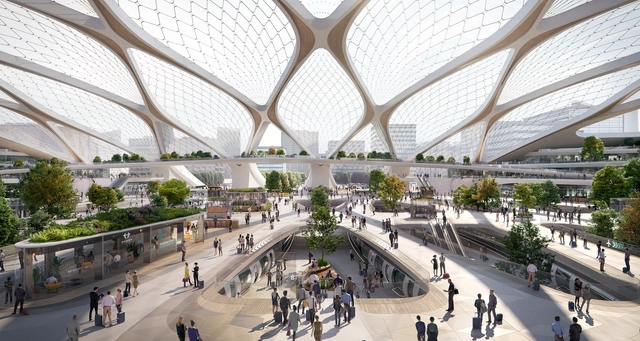
UNStudio has shared a prototype vision for a hyperloop transfer hub, intended to ultimately connect cities such as Amsterdam and Frankfurt in less than an hour. The project, done in collaboration with Hardt Hyperloop, was announced at a summit in Utrecht dedicated to exploring future transit in Europe.
https://www.archdaily.com/902085/unstudio-shares-vision-for-tessellated-hyperloop-hubsKatherine Allen
Chilean architect Alejandro Aravena and founder of ELEMENTAL has been named the 2018 laureate of Royal Institute of British Architect's (RIBA) Charles Jencks Award. The prize is given in recognition of an individual's exceptional contributions to the field of architecture, both in built and theoretical works. Aravena will receive the prize and give a lecture at RIBA's London headquarters on 15 October.
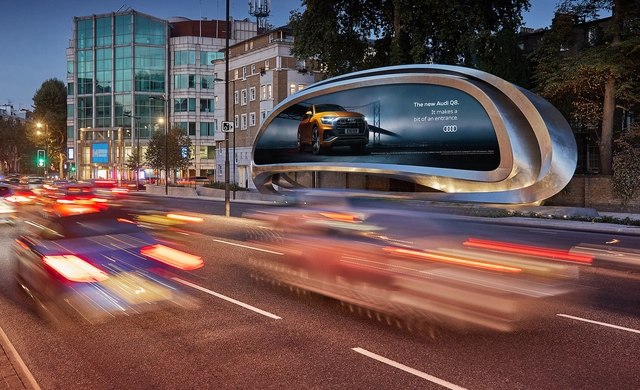
Zaha Hadid Architects have released images of their latest project, a sculptural billboard named for its location in Kensington, London. The project, a collaboration between the late Zaha Hadid and partner Patrik Schumacher, marks the firm’s first direct foray into advertising.
https://www.archdaily.com/901776/zaha-hadid-architects-reveal-twisting-steel-billboard-in-west-londonKatherine Allen
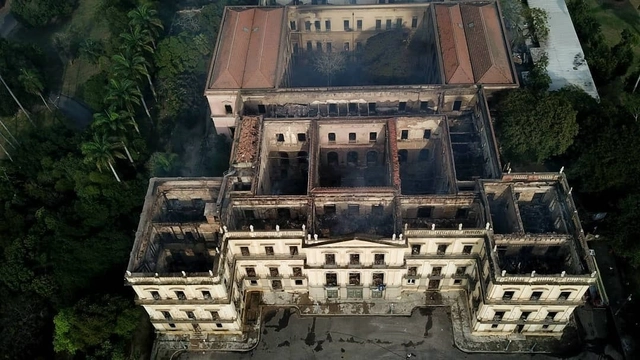
It is in moments of disaster - natural, military, or otherwise - that the value of our built environment as a form of cultural identity comes most noticeably and tragically to light. The fire that ripped through Brazil’s Museo Nacional on Monday night destroyed not just invaluable historic artefacts, but a building that stood as a symbol for both a country and a people. The erasure of the urban landscape is the erasure of identity, culture, and people.
https://www.archdaily.com/901663/this-week-in-architecture-buildings-as-identity-lost-and-foundKatherine Allen
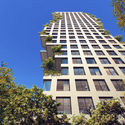
Safdie Architects have released their design for ‘Quorner’, a new residential tower to be built in Quito, Ecuador. The 24-storey structure, a collaboration with Ecuadorean construction firm Uribe & Schwarzkopf, is to be one of Quito’s tallest buildings and Safdie’s first in Ecuador.
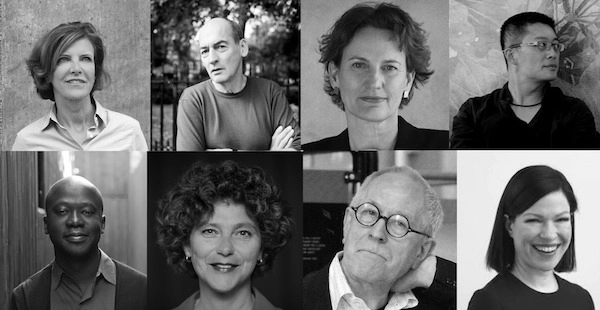
Confirmed speakers at the 2018 World Architecture Festival.. Image Courtesy of World Architecture Festival
Rem Koolhaas, Dutch architect and founder of the Rotterdam-based firm OMA, has been announced as the closing keynote speaker at the World Architecture Festival. The event will take place in Amsterdam at the RAI Exhibition and Convention Centre on from 28-30 November.
https://www.archdaily.com/901662/rem-koolhaas-to-give-closing-keynote-at-2018-world-architecture-festival-in-amsterdamKatherine Allen
R. Buckminster Fuller remains, 35 years after his passing, one of architecture’s preeminent minds. His proposals in construction, housing, mapping, and even transportation have a continued influence in the fields of architecture and engineering today, despite many of them having been designed nearly a century ago.
https://www.archdaily.com/901424/celebrate-buckminster-fullers-legacy-with-never-before-seen-postersKatherine Allen
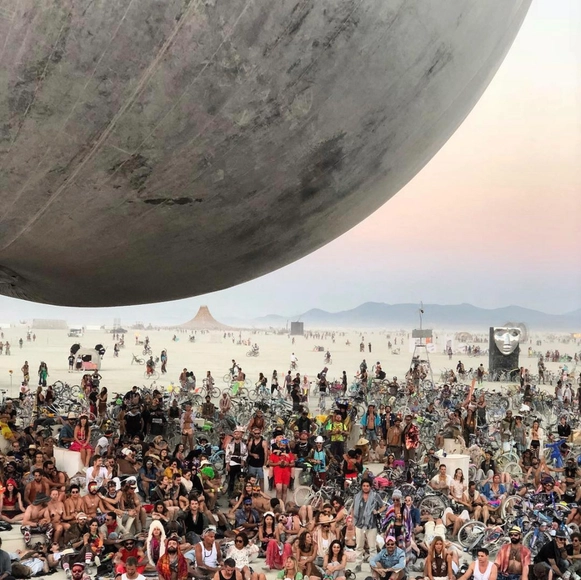
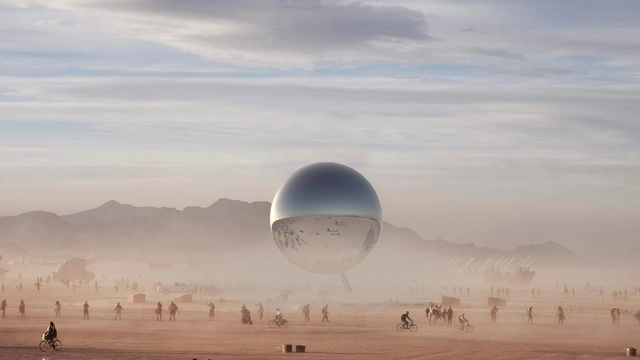
As Burning Man 2018 comes to a close, snapshots and glimpses of the event have begun to emerge in the mediasphere. The most recognizable among these is, perhaps, BIG's Orb, a hovering sphere representing a scaled version of the earth itself.
https://www.archdaily.com/901298/the-best-structures-of-burning-man-2018Katherine Allen
Working life as an architect is notoriously difficult. Unreasonable demands from clients, be they about budget, deadlines, or design (not to mention uncompromising personal standards) make the job tough, particularly as architecture continues to be seen as a product. And while it's no reason to accept low (or unequal) pay, troubling mental health, or any of the myriad issues architecture seems beset with, architects anywhere will tell you: you do it because you love it.
https://www.archdaily.com/901160/this-week-in-architecture-labors-of-love-from-the-hedonistic-to-the-homegrownKatherine Allen
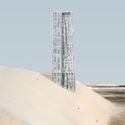
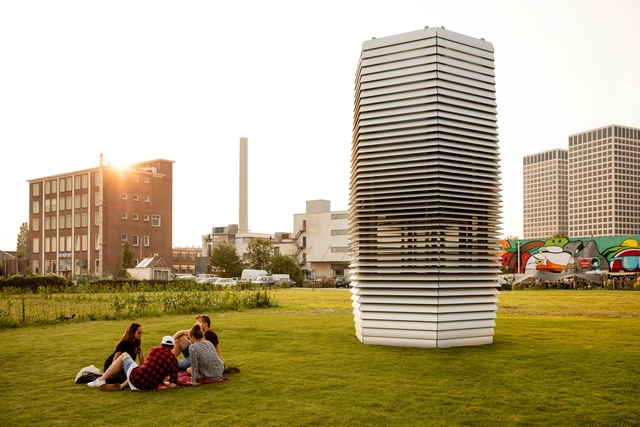
Courtesy of Studio Roosegaarde. ImageStudio Roosegaarde's Smog Free Tower
In Metropolis Magazine's latest - and last - installment in their annual design cities review, the focus is not on output or culture but on cities themselves as the point of inspiration. For the designers surveyed, these were the cities that made their hearts beat a little faster; the ones that remained in their minds and wormed their way into their work.
https://www.archdaily.com/901153/the-top-10-inspirational-design-cities-of-2018-as-revealed-by-metropolis-magazineKatherine Allen
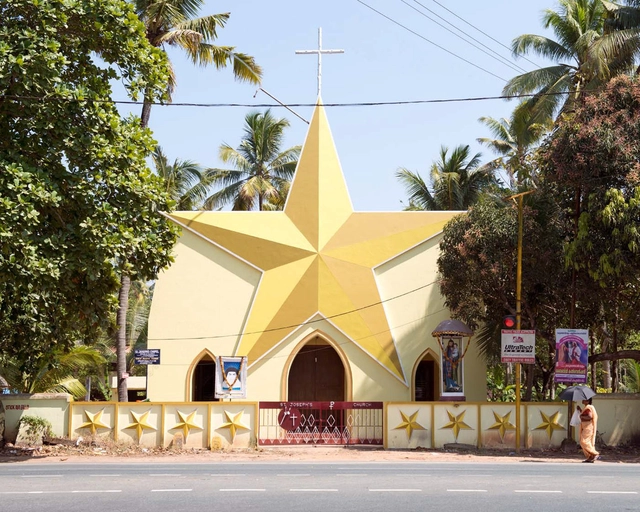
As August draws to a close and our holidays - be they from work or school - already start to feel like distant memories, perhaps it's a good moment to reflect on our faith in what we do. Sometimes design affords us the ability to oversee massive and exciting change. Sometimes projects don't work out, despite our best efforts. And sometimes, design isn't as capable of making change as we believe it to be. This week's stories touched on our faith in design in a range of ways, from the literal (such as the bright churches of Kerala) to the more abstract (how much good taste in fast food design actually equates to good tastes.) Read on for this week's review.
In a follow-up to their 10 Powerhouse Design Cities, Metropolis Magazine also reveals their choices for the "buzziest" design cities of 2018. Unlike the big-hitters of the Powerhouse category, these are a bit smaller - even scrappier - but punch far above their expected weight.
https://www.archdaily.com/900450/the-10-buzzing-design-cities-of-2018-as-selected-by-metropolis-magazineKatherine Allen