
Katherine Allen
BROWSE ALL FROM THIS AUTHOR HERE
↓
Call for Entries: Utzon UNBUILT
https://www.archdaily.com/908632/call-for-entries-utzon-unbuiltKatherine Allen
Renzo Piano’s Renovation of the Harvard Art Museums is, Years On, a Quiet, Neighbourly Triumph
.jpg?1545830119&format=webp&width=640&height=580)
On the surface, designing a new art museum for Harvard University is a brief so straightforward that it sounds like part of university curriculum itself. The program lends itself to the type of light and airy spaces architects dream of creating; the campus site promises both steady and engaged traffic. But, for all the apparent advantages, the road to realizing Harvard’s Art Museums was a deceptively complex one - one that ultimately took six years to see realized.
.jpg?1545830295 "© Laurian Ghinitoiu")
.jpg?1545830180 "© Laurian Ghinitoiu")
.jpg?1545830625 "© Laurian Ghinitoiu")
.jpg?1545830360 "© Laurian Ghinitoiu")
.jpg?1545830119)
https://www.archdaily.com/908418/renzo-pianos-renovation-of-the-harvard-art-museums-is-years-on-a-quiet-neighbourly-triumphKatherine Allen
Zaha Hadid Architects’ London Skyscraper Duo Gets the Greenlight
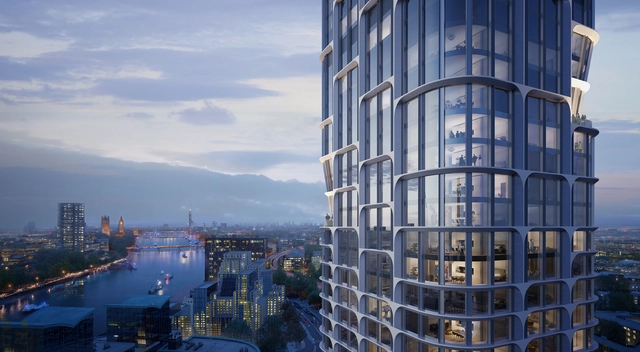
Zaha Hadid Architects have received the go-ahead for their Vauxhall Cross Island towers, a duo of skyscrapers sited adjacent to Vauxhall Station. The scheme, which was publicly announced nearly a year ago (19 January 2018), would be the first project undertaken by the office in the UK for a private client.



https://www.archdaily.com/908285/zaha-hadid-architects-london-skyscraper-duo-gets-the-greenlightKatherine Allen
Oslo Architecture Triennale Releases 'Being Tectonic' Publication
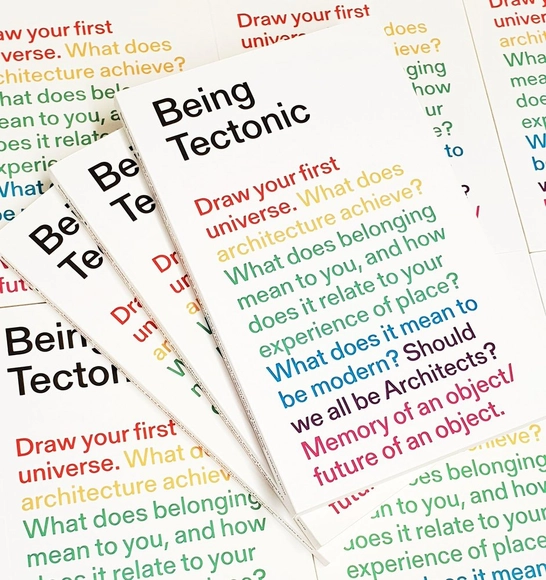
As part of the programming ahead of the 2019 Oslo Architecture Triennale, the “Degrowth” curatorial team have released a book in association with Oslo School of Architecture and Design (AHO.) The book, titled “Being Tectonic” was developed with students as part of a course focusing on domestic architecture.
https://www.archdaily.com/907896/oslo-architecture-triennale-releases-being-tectonic-publicationKatherine Allen
Architecture on Stage: Amin Taha
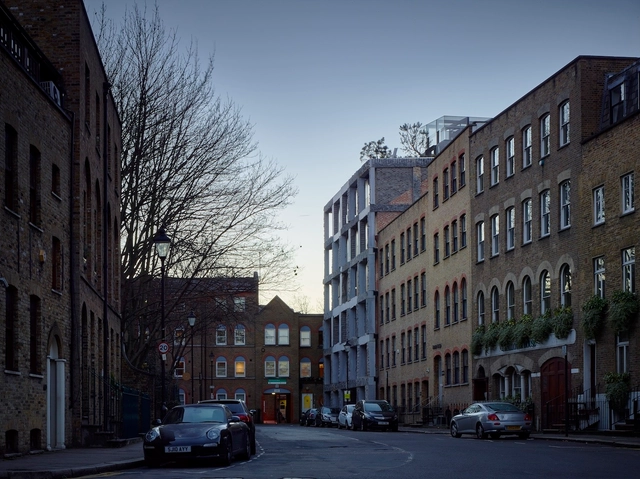
Amin Taha, alumni of the office of Zaha Hadid, will speak at the Barbican to discuss his practice, Groupwork+Amin Taha.
https://www.archdaily.com/907138/architecture-on-stage-amin-tahaKatherine Allen
383 Projects Nominated for the EU Mies Prize for Contemporary Architecture
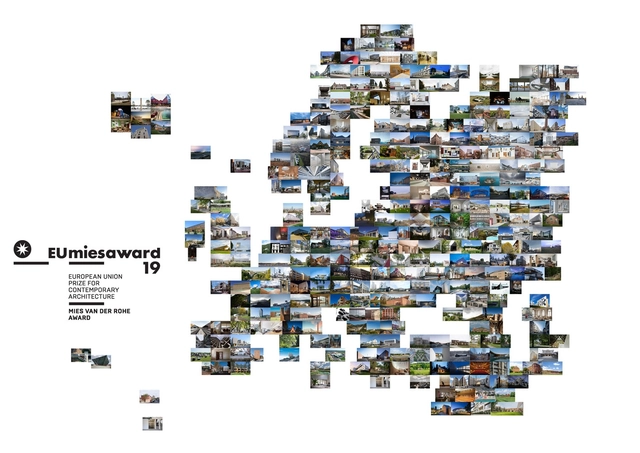
The Fundació Mies van der Rohe and European Commission have revealed the 383 projects nominated for the 2019 European Union Prize for Contemporary Architecture – Mies van der Rohe Award. The projects, which hail from 38 countries across the European Continent represent a wide range of typologies and office types. Of the countries included, the most projects come are located in Spain and Belgium (27 and 21 nominees, respectively.) London, home to 12 nominees, boasts the most nominated projects of any single city followed by Vilnius (9) and Paris (8).
https://www.archdaily.com/907481/383-projects-nominated-for-the-eu-mies-prize-for-contemporary-architectureKatherine Allen
Harvard Announces the 2019 Richard Rogers Fellows
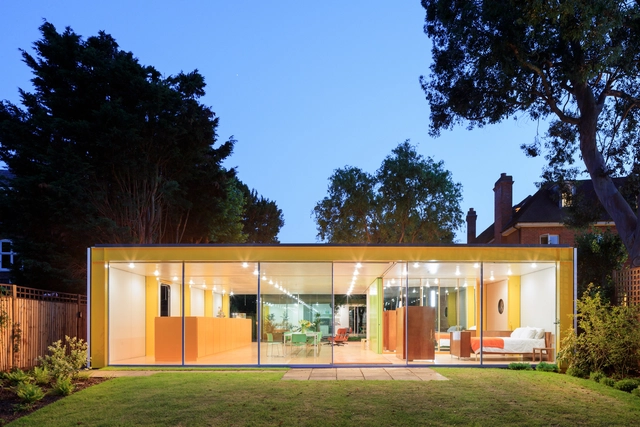
Harvard Graduate School of Design (GSD) has announced the six recipients of the 2019 cycle of the six recipients of their Richard Rogers Fellowship program. Inspired by Lord Richard Rogers’ “commitment to cross-disciplinary investigation and engagement,” the Fellowship established last year to support individuals “whose research will be enhanced by access to London’s extraordinary institutions, libraries, practices, professionals, and other unique resources.”
The 2019 winners were chosen from a pool of more than 140 applicants hailing from around the world. As in previous years, the fellowship allows the winners to spend a three-and-a-half month residency at the Rogers' Wimbledon House in London. The recipients also receive funding to cover their travel to London and $100,000 cash.
https://www.archdaily.com/907431/harvard-announces-the-2019-richard-rogers-fellowsKatherine Allen
Peter Barber's Adventurously Eccentric London Architecture

London architecture today, for all the big-hitters that dominate the headlines (Foster, Rogers, Heatherwick), finds its richness in small studios. Peter Barber leads one such studio, where for the past 30 years he has led the development of some of the city’s most sensitive housing and housing developments.

https://www.archdaily.com/907299/peter-barbers-adventurously-eccentric-london-architectureKatherine Allen
Zaha Hadid Architects and A-Lab Share Designs for Norway's Fornebubanen Metro Line
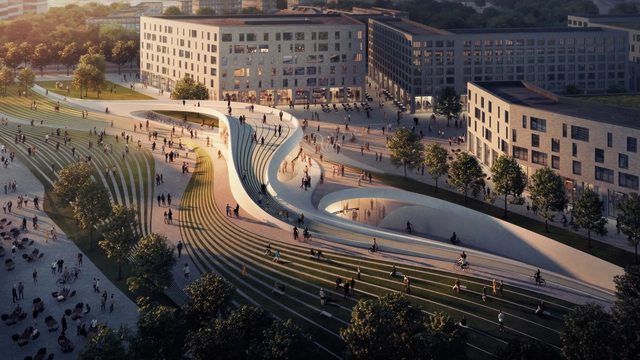
Zaha Hadid Architects and A-Lab have been announced the winner of a competition to design two new metro stations in Oslo. The stations, Fornebu Senter and Fornbuporten, are to be part of Oslo's new Fornebubanen line, connecting a major existing rail interchange to the Fornebu Senter, a major shopping center in the city.


https://www.archdaily.com/907222/zaha-hadid-architects-and-a-lab-share-designs-for-norways-fornebubanen-metro-lineKatherine Allen
Jury Announced for 2019 Aga Khan Award for Architecture
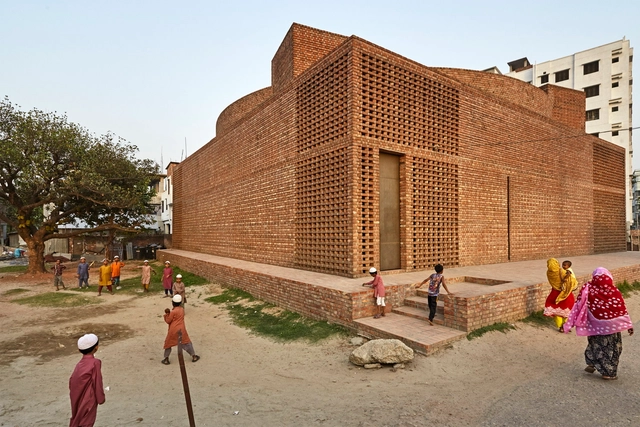
The Aga Khan Award for Architecture has announced the master jury for the 2017-2019 award cycle. The jury, a diverse and global group comprising architects, academics, and theorists, will select the recipients of the award, each of whom will, in turn, receive a USD $I million prize for their winning work.
https://www.archdaily.com/907212/jury-announced-for-2019-aga-khan-award-for-architectureKatherine Allen
Architecture on Stage: Éric Lapierre
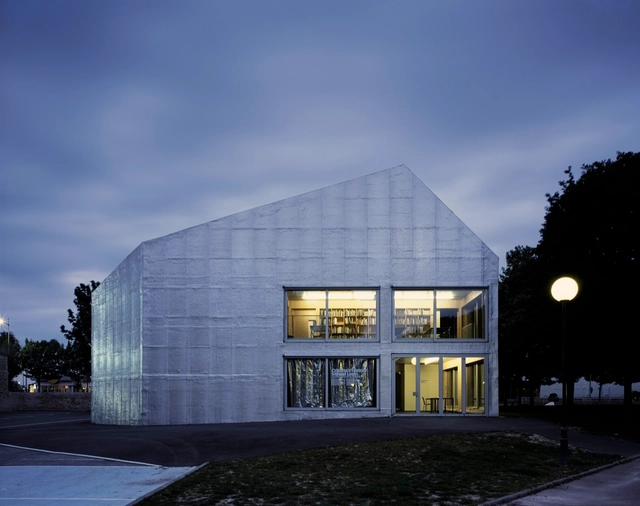
Éric Lapierre will speak at the Barbican to discuss ELEx, his organisation coordinating architectural practice and writing.
https://www.archdaily.com/907051/architecture-on-stage-eric-lapierreKatherine Allen
WOHA's Kampung Admiralty Singapore Named 2018 Building of the Year at World Architecture Festival
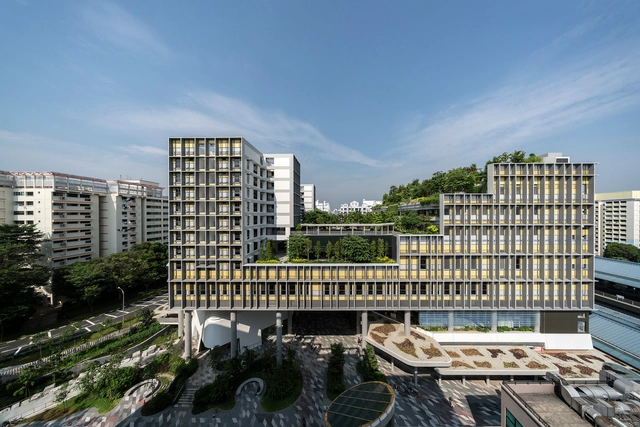
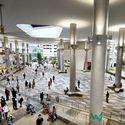
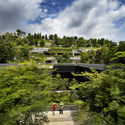
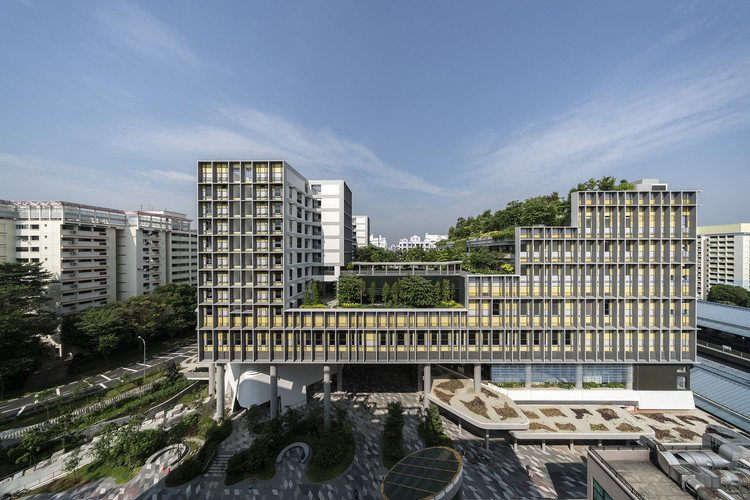
WOHA's Kampung Admiralty Singapore in Singapore has been named the 2018 World Building of the Year at the World Architecture Festival, concluding this year's three-day event in Amsterdam. The building, which combines dedicated senior-housing facilities with a broad mixed-use program and a lush green roof, was selected from a strikingly broad shortlist that included works from offices such as Sanjay Puri Architects, Koffi & Diabate Architectes, Heatherwick Studio, Spheron Architects, and INNOCAD.

https://www.archdaily.com/906940/wohas-kampung-admiralty-singapore-named-2018-building-of-the-year-at-world-architecture-festivalKatherine Allen
Revolutionary Nature: the Architecture of Hiroshi Sambuichi

Our world revolves. Not just literally, as it does around the sun, but in nature’s every aspect. Seasons cycle into each other (though more erratically each year), waves trace and retrace the beaches with the shifting tide, flowers open, close, and turn to follow the path of the sun. Even we are governed by these circular natural systems. Maintenance of our circadian rhythms, a human connection to light, is so essential to our health that it is a required element in many contemporary building codes.
https://www.archdaily.com/905578/revolutionary-nature-the-architecture-of-hiroshi-sambuichiKatherine Allen
The World Architecture Festival Announces Day Two Winners
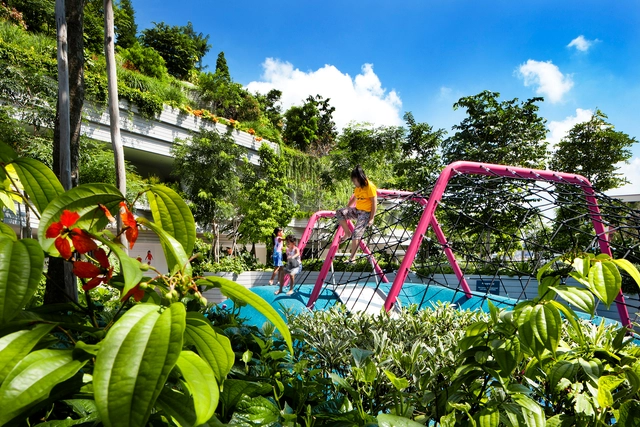
The 2018 World Architecture Festival has announced the second-day winners of this year’s edition, featuring works from such diverse firms as SeARCH, Sordo Madaleno, NextOffice, and Grimshaw.
The second day’s judging categories spanned a wide area, from future masterplanning visions to completed religious structures. The festival, held this year in Amsterdam, will culminate Friday 30 November with the World Building of the Year and Future Project of the Year Awards. These awards, selected from the festival’s list of category winners, will be selected by the festival’s “super jury”: Nathalie de Vries, Frederick Cooper Llosa, Lesley Lokko,Li Xiaodong, and Manuelle Gautrand.


https://www.archdaily.com/906744/the-world-architecture-festival-announces-day-two-winnersKatherine Allen
What Will Urban Planning be in 2052?
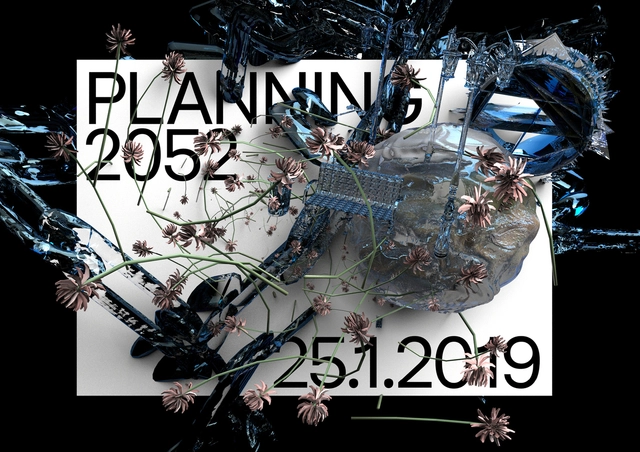
Planning can, on occasion, feel Sisyphean. Emerging technologies, shifting economies, and changing governments can all enact dramatic and unpredictable change in short order. So what’s the use of planning for the future, let alone planning for a future nearly half a century away?
https://www.archdaily.com/906672/what-will-urban-planning-be-in-2052Katherine Allen
The Project in a Small Japanese Village Setting the Standard for Zero-Waste Architecture
_(1).jpg?1543159550&format=webp&width=640&height=580)
Nestled in the steep gorges and river valleys of Japan’s Tokushima prefecture is Kamikatsu - a small town seemingly like any other. But Kamikatsu, unlike its neighbors (or indeed, most towns in the world), is nearly entirely waste-free.
Since 2003 - years before the movement gained widespread popularity - the town has committed to a zero-waste policy. The requirements are demanding: waste must be sorted in more than 30 categories, broken or obsolete items are donated or stripped for parts, unwanted items are left in a store for community exchange. But the residents’ efforts over the years have paid off- nearly 80% of all the village’s waste is recycled.
.jpg?1542631996 "© Laurian Ghinitoiu")
.jpg?1542632034 "© Laurian Ghinitoiu")
.jpg?1542631779 "© Laurian Ghinitoiu")
.jpg?1542631887 "© Laurian Ghinitoiu")
_(1).jpg?1543159550)
https://www.archdaily.com/906114/the-project-in-a-small-japanese-village-setting-the-standard-for-zero-waste-architectureKatherine Allen
This Week in Architecture: Reduce, Reuse, Rethink
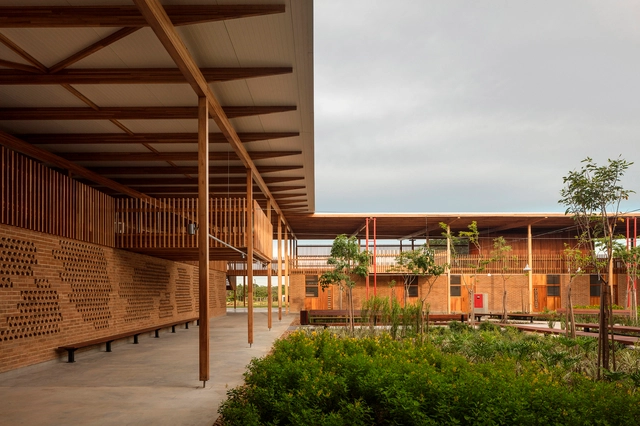
It's easy to feel overwhelmed by the massive production of architecture today. Scroll through ArchDaily for more than a minute and even we'd forgive you for losing track of it all. But what seems like an endless scroll of architectural production doesn't quite fit with the popular movements surrounding resource sharing and community.
Hidden among the mass production that has defined architecture in the last century is a germ - one that seems to be marching to the forefront of practice today. More and more designers seem to be taking on locally-focused and/or adaptive reuse works. Award shortlists today highlight not icons by recognizable names, but sensitive international works that are notable for their process as much as their product.
The common image of the architect may be of one obsessed with ego and newness, but practice today doesn't bear that out as much as it used to. This week's news touched on issues of reduction, reuse, and a radical rethink what architecture is in the 21st century.
https://www.archdaily.com/906505/this-week-in-architecture-reduce-reuse-rethinkKatherine Allen
Johnston Marklee's Menil Institute is a Quiet Triumph for a Quiet Art
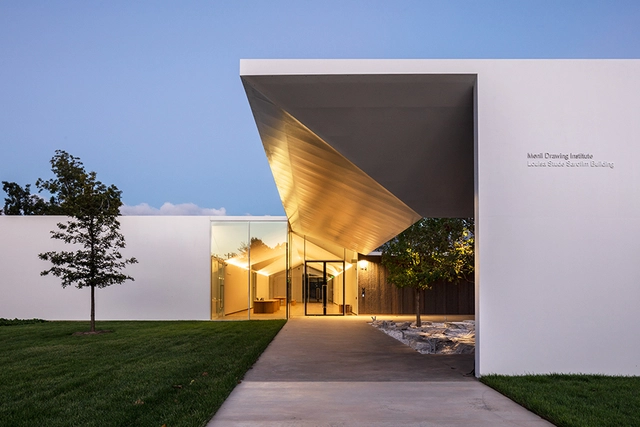
Johnston Marklee has rapidly become one of the US’ most exciting practices. After years of completing sensitive and complex domestic-scaled works in Los Angeles, the office vaulted to prominence after being selected to curate Chicago’s 2017 architecture biennial. Since then they’ve completed and embarked on numerous significant projects - none more so than the Menil Drawing Institute.
https://www.archdaily.com/906058/johnston-marklees-menil-institute-is-a-quiet-triumph-for-a-quiet-artKatherine Allen