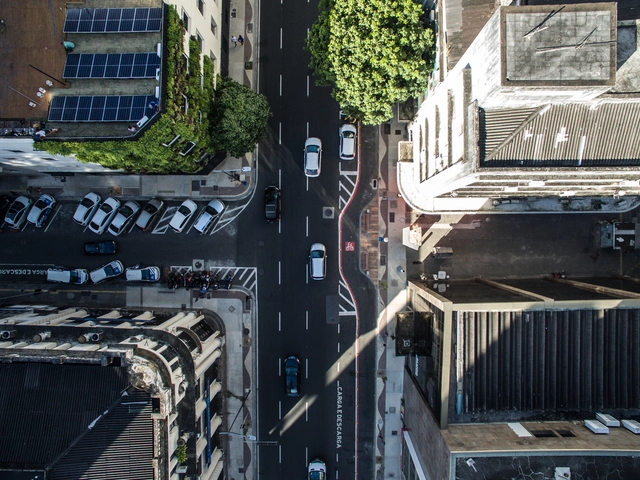
Downtown Rio de Janeiro. Image: Petr Dvorak/Flickr. Via Caos Planejado
The minimum size of housing units has become a controversial issue. Several neighborhood associations oppose allowing the construction of highly compact units. This opposition runs counter to contemporary needs, as this type of apartment would cater to a large population of young singles, divorcees, and seniors who require smaller homes with lower maintenance costs.
https://www.archdaily.com/1121565/the-minimum-area-of-residential-unitsRogerio Goldfeld Cardeman e David Cardeman
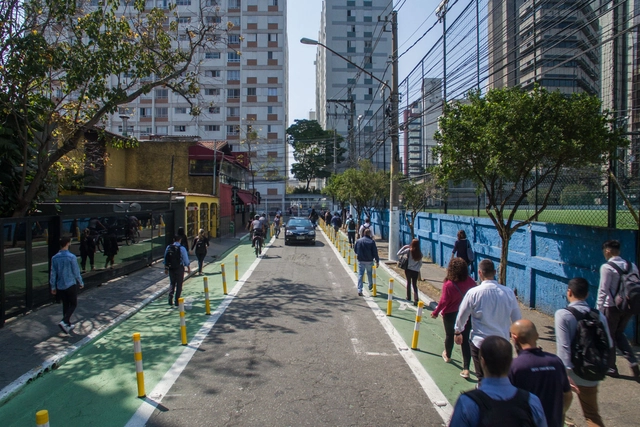
Rua Miguel Calmon has been the stage for significant transformations in Salvador. Until the early 20th century, before the land reclamation that created the left side of the street and a new port for the city, it was called Rua do Cais and was bordered by the sea. A century later, this street in the Comércio neighborhood has become the first Complete Street in the capital of Bahia, standing as a symbol of the interventions revitalizing its historic center.
https://www.archdaily.com/1121568/from-wharf-street-to-complete-street-intervention-in-salvador-restores-vitality-to-miguel-calmon-streetFernando Corrêa e Bruno Batista
Pedestrian-only area in Copenhagen. Photo: City Clock Magazine/Flickr
Walking is more than just a mechanical movement: it is a daily reclaiming of urban space. It is being active in the urban environment, noticing the city and the details that shape it. However, this choice does not always depend solely on individual willpower; it is also tied to external factors, such as people's physical and social conditions and the presence of infrastructure that enables this choice.
https://www.archdaily.com/1121570/5-cities-that-are-examples-of-walkabilityLara Caccia e Priscila Pacheco
The debate over materiality and how it shapes the spaces housing our entire social dimension lies at the core of architectural discourse. Although architects define a concept, a *parti*, and adhere to a program that can even influence urban life, ultimately it is everyday life and each individual's cultural repertoire that dictate how a place is experienced. The understanding that there are multiple layers in society capable of building invisible walls—which dissolve architectural poetics and unfold into other issues crucial to understanding the system in which we are embedded—is one of the reflections proposed by Nova República, a project created by anthropologist Hélio Menezes and the architects of Cape Town-based Wolff Architects for the São Paulo International Architecture Biennial.
The notion of authenticity is inseparable from theoretical discussions and actions in the field of Conservation and Restoration, and is directly related to the perception of values associated with a given cultural asset—whether tangible or intangible. Authenticity constitutes a foundational and structuring principle of the ethics that sustain and align criteria, concepts, and justifications within the realm of preservation. Like any process of cultural construction, authenticity cannot be understood or defined in absolute, pre-established terms, and its recognition is intrinsically linked to the context to which it refers—at a given time and in a given place.
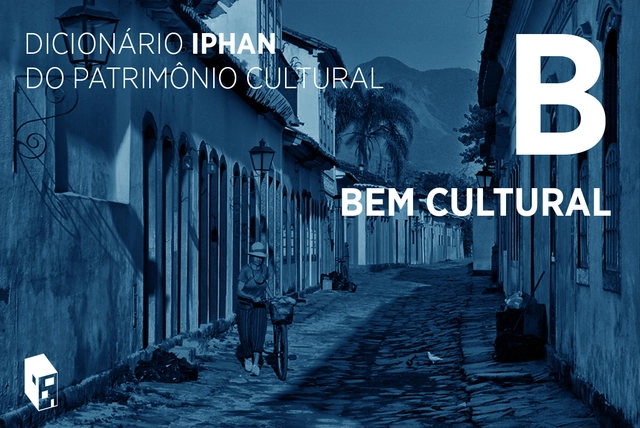
Photo: Chaval Brasil on Visual hunt / CC BY-NC-ND. Collage: ArchDaily
The terminology cultural property has several definitions. Found across various spheres and historical periods, the term has been gradually reshaped, with its application and meaning expanding and becoming more clearly defined over time.
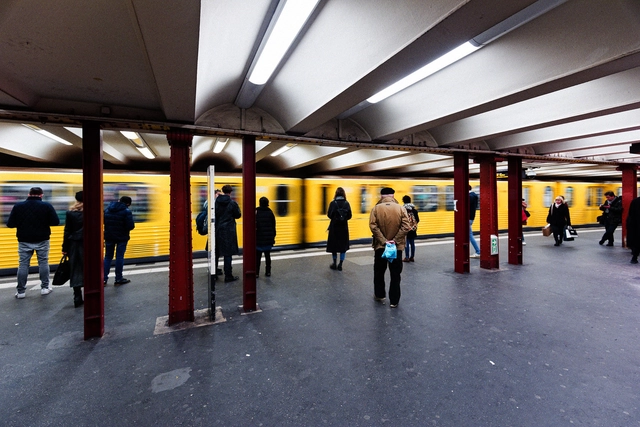
Berlin subway station. Image: Tuomo Lindfors on Visual Hunt / CC BY-NC-SA
Berlin is a global leader in urban mobility, according to the Mobility Futures study by data and consulting firm Kantar, which evaluated major world cities. The German capital topped the mobility ranking due to several factors, most notably more cost-effective travel and easy access to a broad public transit infrastructure network and shared mobility services.
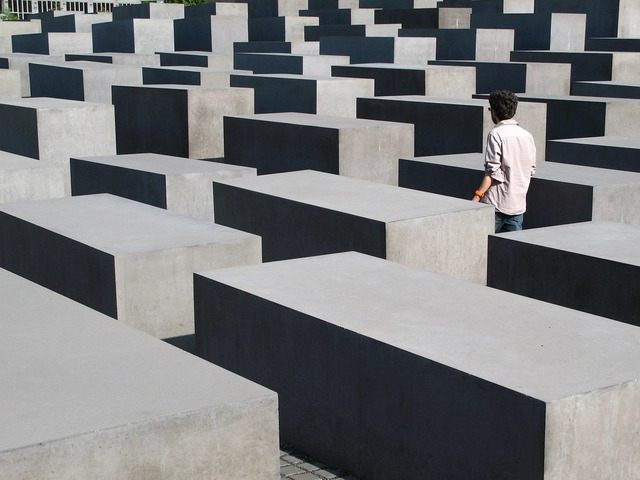
Memorial to the Murdered Jews of Europe. Photo: paula soler-moya, via Flickr. License CC BY-NC-ND 2.0
The steady escalation of complexity attributed to architecture and other fields of art over the past century—driven by a long process of disciplinary redefinition since the Modern era, coupled with an effervescence of experimentation and hybridization—has fostered the creation of innovative solutions designed for the human environment, while simultaneously giving rise to new challenges of categorization.
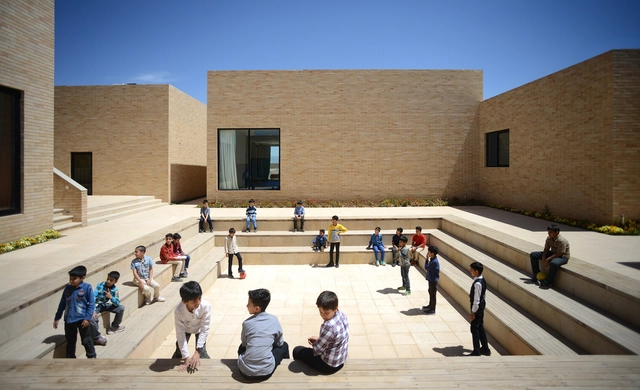
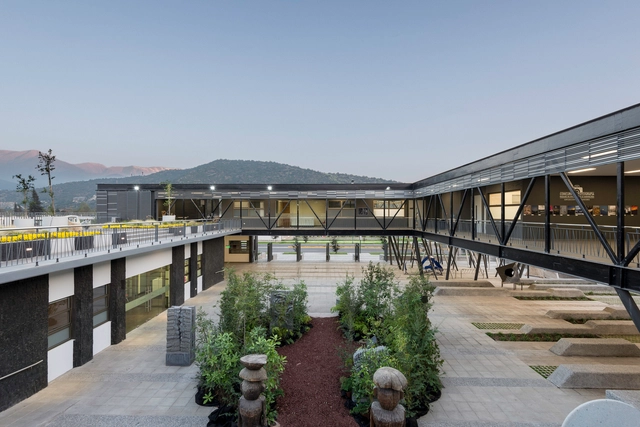
The design of educational spaces is perhaps one of the most compelling areas of architecture. It is also one of the fields in greatest need of development. Designing a school goes far beyond sizing classrooms and administrative areas; it involves conceiving spaces for gathering and exchange, connecting (or separating) specific areas, defining lighting and ventilation strategies, and studying color theory, to name just a few of the complexities involved.
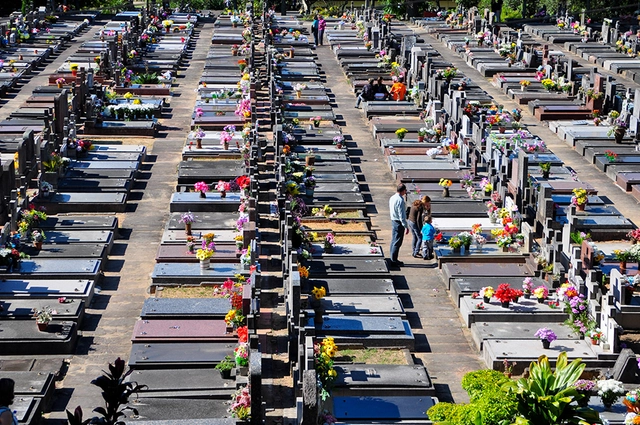
São João Cemetery, Porto Alegre-RS. Image: Lívia Stumpf/Flickr. Via Caos Planejado
“The following day, no one died.” Thus begins the novel Death with Interruptions, by Nobel laureate José Saramago. In it, death suspends its services and, for a time, everyone remains alive in an imaginary country. This masterly metaphor conceived by the Portuguese author, already in his final pairs of shoes, serves as the foundation for discussing the dilemmas and conflicts of the end of life.
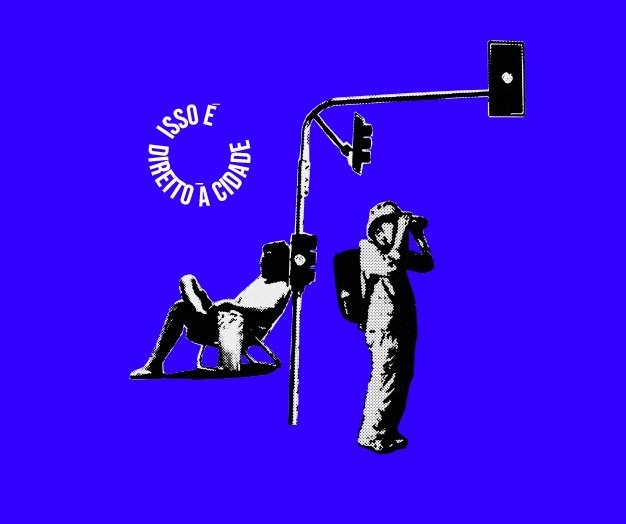
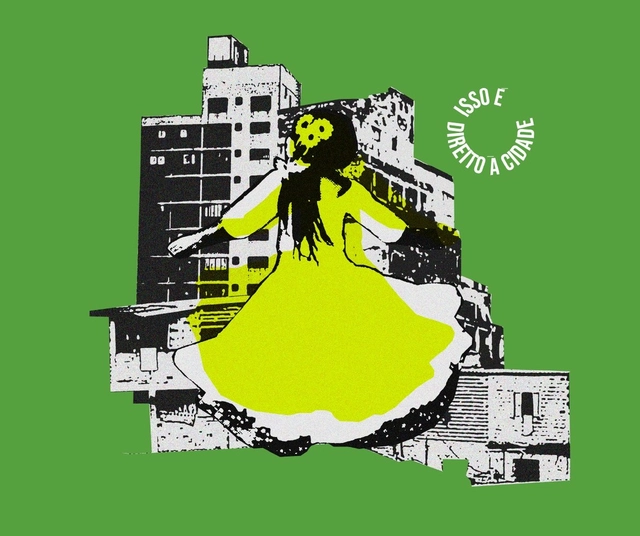
In a recent analytical exercise, we examined the main narratives surrounding Brazilian inequality for an internal training program at the Pólis Institute. It came as no surprise that income occupies the center of the debate, whether in media outlets or academic studies. Our goal with this study was to understand how the Right to the City [1] can contribute to analyses of inequalities and serve as a tool of struggle to close the gap between citizens.
https://www.archdaily.com/1121448/a-gauge-of-inequality-november-20-can-also-displace-youFelipe Moreira e Jéssica Tavares
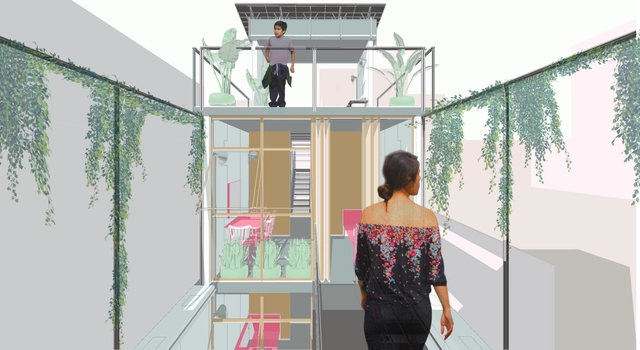
Cortesia de Luiza de Souza Santos, Marcus Barbosa e Gabriel Thomé de Oliveira
The Brazilian student team, comprising Luiza de Souza Santos, Marcus Barbosa, and Gabriel Thomé de Oliveira from UFMG, was awarded an honorable mention in the SkyCity Challenge 2019 international competition, which aimed to "explore sustainable ways of living, working collectively, and having fun." Learn more about their proposal below.
Brazil currently has 167,060 active, registered architects and urban planners with the Council of Architecture and Urbanism. The majority, 63.10% (105,420), are women, while 36.90% (61,640) are men (61,400). In 2018, these percentages were 62% and 38%, respectively. This predominance is expected to grow in the coming years, as the share of female students is significantly higher: 67%.
Paraisópolis. Credit: Fernando Stankuns on Visual Hunt / CC BY-NC-SA
In 2018, anyone who passed by an empty lot in the heart of Paraisópolis—São Paulo's second-largest community—on Mondays and Thursdays encountered children with dirt-dusted knees, playing with objects like tires, paper boats, and twigs in endless games. This was the Brincreto project, an initiative by the Coletivo LUB – Laboratório de Urbano de Brincadeiras.
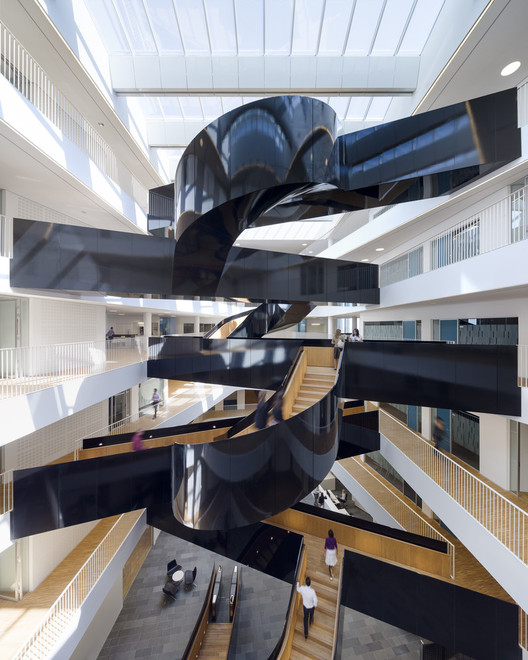
Sculptural, elegant, and striking. Numerous adjectives can describe the stairs designed by Danish firm 3XN. With bold designs that challenge conventional vertical circulation, they add layers of inventiveness to the spatial experience, turning movement into a journey.
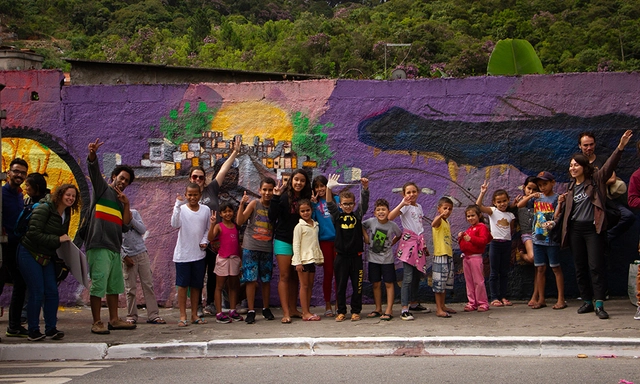
The Passeia, Jardim Nakamura project is a pilot initiative focused on citizen legibility. By leveraging community engagement to build local connections, the project co-created and implemented a neighborhood signage system alongside residents of Jardim Nakamura, located in Jardim Ângela, São Paulo. The project was developed by Instituto COURB and SampaPé!, with financial support from Fundo Casa Cidades. With this proposal, the objective was to foster residents' sense of recognition of their neighborhood, while also ensuring greater comfort and safety for pedestrian mobility, encouraging spatial connection, and promoting the appropriation of local history. In this light, the initiative sought to make the territory easier to read, fostering appreciation for local history and neighborhood actors, while also mapping key locations, walking distances, and the local boundary.
https://www.archdaily.com/1121407/civic-legibility-and-community-engagement-the-passeia-jardim-nakamura-projectCOURB Brasil
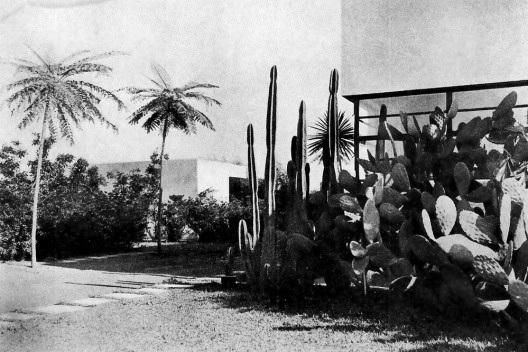
House on Santa Cruz Street, Mina Klabin's garden. Gregori Warchavchik Collection
The life story of São Paulo-born landscape architect Mina Klabin Warchavchik is deeply intertwined with the history of modern art and architecture in Brazil, especially in São Paulo. Her father, Maurício Freeman Klabin, a Lithuanian immigrant, had left Russia due to a decree prohibiting Jewish land ownership. Upon arriving in Brazil in the late 19th century, he began working in a workshop producing blank books for the typography market, a business he would acquire within a few years.
Venice is undoubtedly one of the most sought-after destinations in Europe for travelers from around the world. The city boasts attractions in many areas, from gastronomy to art, and naturally, architecture—an art form deeply woven into the city's fabric, most prominently showcased at the Architecture Biennales, held since 1980. Beyond the Biennale, the island has much to offer those interested in exploring places that epitomize the relationship between past and present, the preservation of historical memory, and new technologies serving buildings in constant relation with the water.
The environment affects behavior, just as behavior affects the environment. This is one of the core propositions of environmental psychology, a field that studies the interrelationship between human behavior and the surrounding environment, whether built or natural. If the environment has the power to influence our choices and habits, then it is possible to design it to encourage more sustainable choices. And complete streets offer a way to do just that.
Carolina Maria de Jesus, 1960. Documentary collection: Correio da Manhã. Image via Wikipedia
In this doctoral dissertation, architect and urban planner Gabriela Leandro Pereira explores the accounts and contested urban narratives of the writer Carolina Maria de Jesus, from Minas Gerais, Brazil. Carolina is one of the country's pioneering and most prominent Black female writers; her best-known work is the book Quarto de Despejo: Diário de Uma Favelada—the raw account of the harsh daily reality experienced by a Black woman, waste picker, and resident of the Canindé favela in São Paulo. Defended in 2015 at the Federal University of Bahia under the advisement of Professor Ana Maria Fernandes, PhD, the dissertation received the Rodrigo Simões Doctoral Dissertation Award from the National Association of Postgraduate Studies and Research in Urban and Regional Planning (ANPUR) in 2017. Read the abstract provided by the author below.
https://www.archdaily.com/1121419/body-discourse-and-territory-the-contested-city-in-the-folds-of-carolina-maria-de-jesuss-narrativePedro Vada
Featuring varied and flexible programs, cultural centers are public buildings that play a key role in promoting, as their name suggests, local culture. Designed to encourage daily and ongoing use by residents of a specific area, their architectural programs can be highly diverse, accommodating a library, cinema, auditorium, exhibition spaces, workshop rooms, and communal areas, among other facilities.
A house, likely from the 1950s, featuring a clothesline near a three-basin laundry sink, a bathroom with large tiles covered in rugs, and a kitchen filled with food. A middle-class family home in Barretos, in the interior of the state of São Paulo. This house stands as the protagonist in the narrative proposed by the series "Maria, José e menino" by São Paulo-based photographer Marina Schiesari.
From nostalgic parquet flooring to more sophisticated wood species, timber is a material capable of providing a high degree of comfort when used as a floor finish in architectural projects. Beyond its obvious aesthetic appeal, its characteristics contribute to a welcoming ambiance and can also meet acoustic and thermal comfort parameters, which explains why the material is so prevalent in residential design.
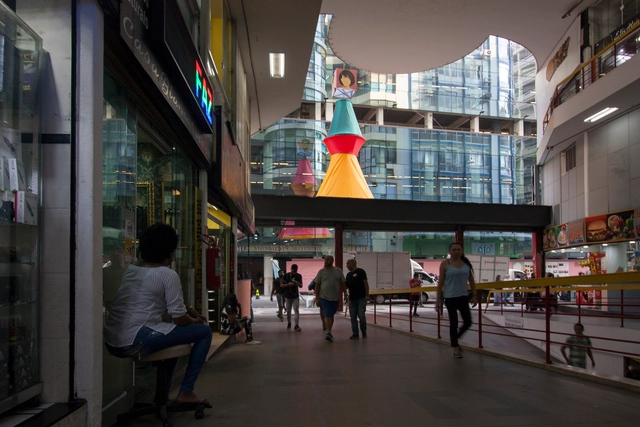
A desperate child screams in the middle of Dom José Gaspar Square in downtown São Paulo, pleading for them not to hurt her mother. She cries as she watches her being forcibly dragged by municipal agents from the cart where she sold fruit daily to the square's patrons. Her mother cries as well, trying to explain to the agents that the fruit and the cart were all she had to support her daughter. Moved, onlookers watch the scene and try to reason with the subdistrict officials, but they keep confiscating the goods—after all, “orders are orders.”
But what is the “order” that governs public spaces?
https://www.archdaily.com/1121328/toward-a-new-order-of-public-space-the-right-to-the-city-for-allRodrigo Faria G. Iacovini



.jpg?1548078349&format=webp&width=640&height=580)



.jpg?1557235204&format=webp&width=640&height=580)