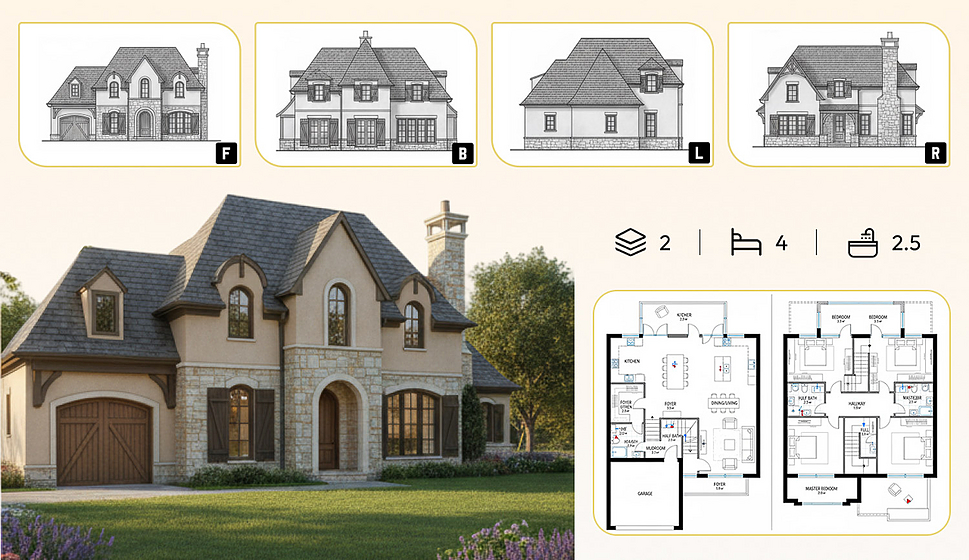
This guide covers a workflow that moves from project parameters to generated floor plans, 3D perspective views, exterior design exploration, and site context visualization, using AI tools in place of preliminary CAD and rendering work.
This guide covers a workflow that moves from project parameters to generated floor plans, 3D perspective views, exterior design exploration, and site context visualization, using AI tools in place of preliminary CAD and rendering work.
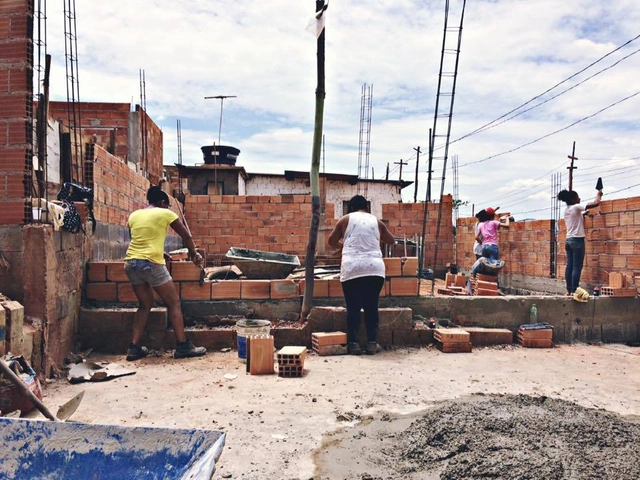
The spirit of the women participating in housing rights movements in Brazil is remarkable. Predominantly active in land occupations, they vigorously coordinate the organizational and political practices of the settlements and the construction of popular housing. It is no coincidence that many occupations of the MST (Landless Workers' Movement) or the MTST (Homeless Workers' Movement) bear the names of women, such as Dandara, a leader from the colonial period.
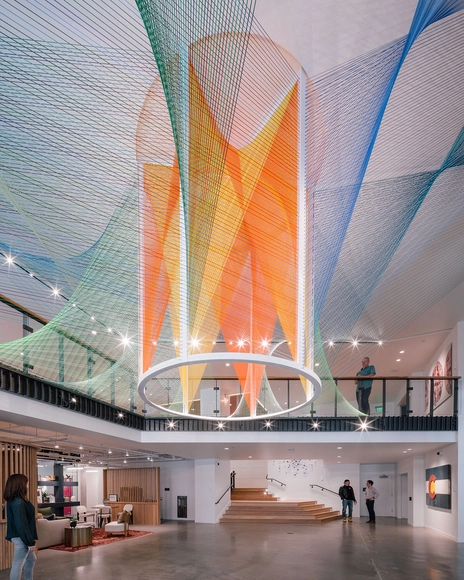
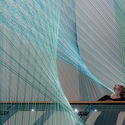
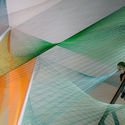
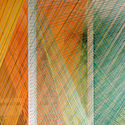
The artwork Corolla by artist Inés Esnal is inspired by the rich and vast natural landscape of Colorado, where it is currently on display at The Coloradan building in Denver. The installation interprets Colorado's state flower, “the blue columbine,” as a network of vibrantly colored cords, where warm central tones and cool hues at the outer edges evoke the flower’s pollen and petals. Viewers are invited to explore the piece through their own movement, which triggers and unfolds multiple perspectives and optical effects.
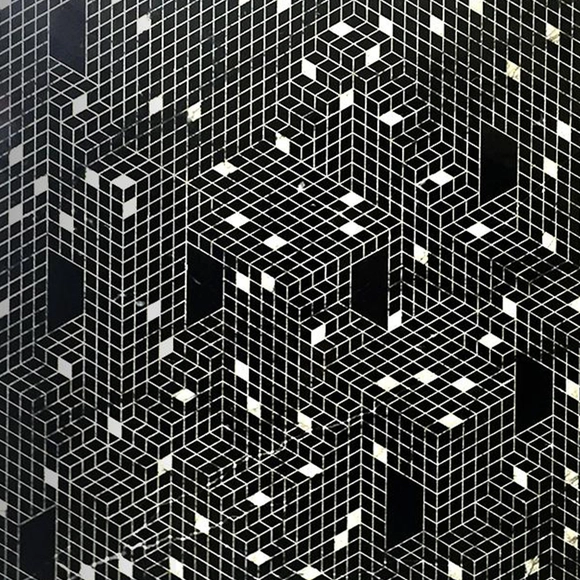
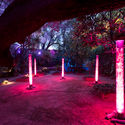
1989 is a digital illustration project founded in 2015 by Chilean architect Fabiola Morcillo. Her work has been exhibited at the Casa Gris Architecture Gallery and Galería Cima, and is also part of the group exhibition "Lights of Chile," on display until May 13 at 193 Gallery in Paris. Her projection mapping work and ephemeral architectural creations earned her a nomination for the next YAP Constructo 2020 pavilion, the results of which will be announced at the opening of the 2019 pavilion.
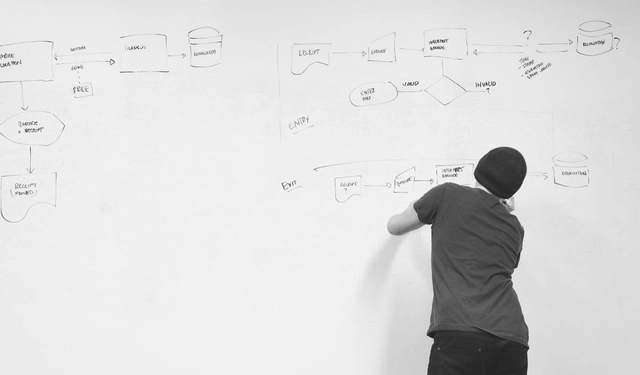
What little we know about the architectural profession is broken. It is no longer applicable to the second millennium, as evidenced by the unsustainable reality facing the vast majority. The experiences of previous generations were unique, tied to a specific historical moment. Today, we must learn to read our own historical moment and reprogram our vision to find the paths forward that currently remain hidden.

The conventional city model establishes very clear and concrete boundaries between the public and the private. Within this model, what is defined as “urban” has always corresponded to the public realm, whereas “domestic” defined the boundaries of the private. Yet societies are not immune to change and evolution, and neither is urbanism. Those traditional concepts of the urban and the domestic are becoming obsolete, transformed into expanded and more updated understandings. It is precisely around this blurred boundary—between what appears urban and what appears domestic—that the new public sphere is being constructed.
This is the leitmotiv driving the ‘Dom Project’ intervention: to establish a gradient of spaces where the urban and the domestic are not clearly demarcated, but instead colonize one another, bringing certain public uses and programs to the surface within the ‘Housing Block.’ The project was submitted to the international architecture competition ‘Open International Competition for Alternative Layout Designs in Standard Housing’, organized by the Ministry of Construction, Industry, Housing and Infrastructure of Russia alongside the Unified Development Institution in the Housing Sector and the firm Strelka KB, winning second prize.
As part of the 16th edition of the MUTEK Festival, which has been held in Mexico City since 2003, the participation of the 404.zero collective has been announced. This duo of audiovisual architects is dedicated to designing immersive experiences that blend A/V installations with live performances, driven by an uncontrollable fascination with the unknown, the cosmos, and death.
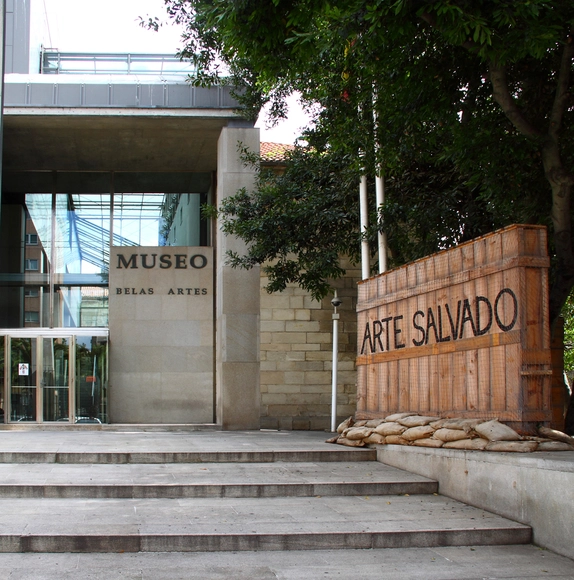
I first encountered Manuel Gallego's work in Valencia, introduced to it by José María Lozano. There, at the school where I was studying, they had organized a symposium on Galician architecture.
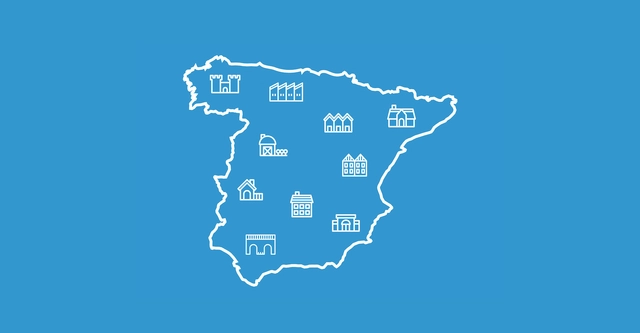
Beyond its vast and diverse geography, the Iberian Peninsula is a map of architectural examples that have successfully adapted by reinterpreting materials, technical methods, and human needs.
In this regard, vernacular architecture in Spain—referring specifically to traditional dwellings—might not be as robust today as in its heyday; nevertheless, numerous examples still stand, some even continuing to serve as viable living spaces.
Below is a selection of the most representative traditional houses across Spain's diverse regions, offering a journey through the territory to inspire new architectural perspectives.
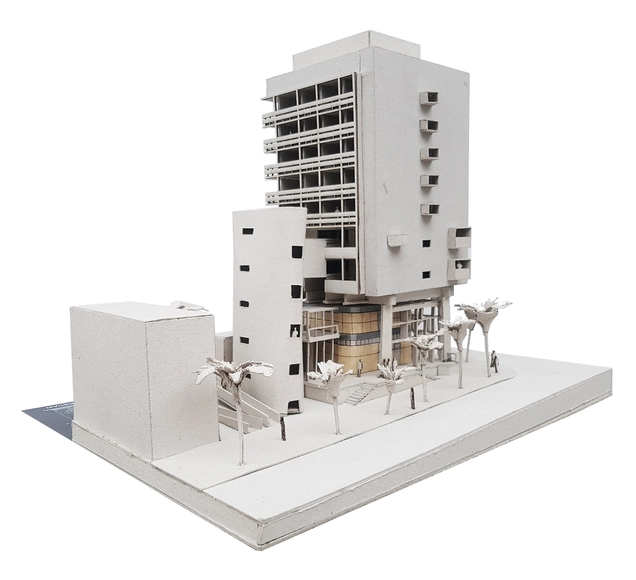
We often think of heritage as a collection of valuable assets inherited by an individual or a group. While we sometimes identify fully with its meaning and the legacy passed down to us, we all too often squander its benefits.
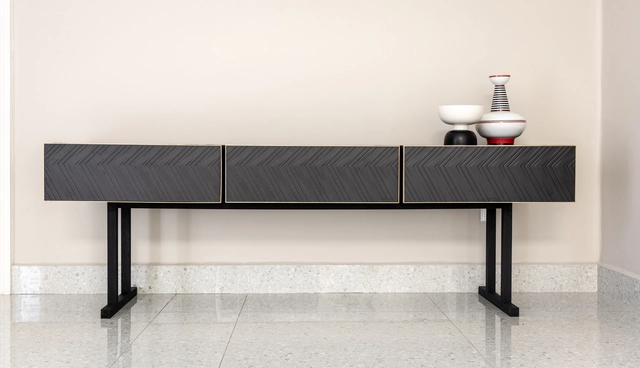
On August 8, as part of Expo Arte-Objeto—an exhibition commemorating the 60th anniversary of Llano de la Torre— Firenze invited architect Ricardo Casas to reinterpret the use of porcelain tiles with playful, exclusive designs.
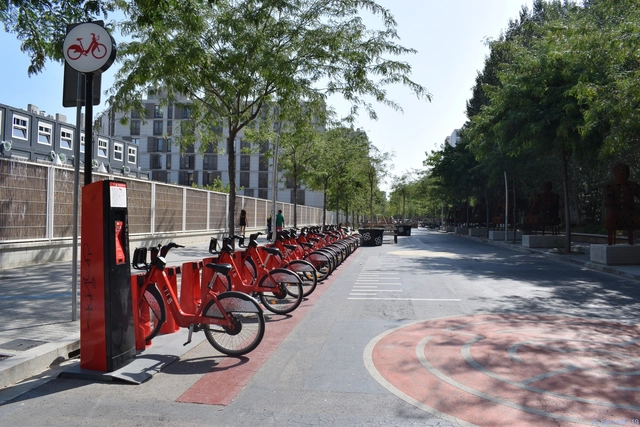
CityMakers is working with ArchDaily to publish a series of articles, conversations, and interviews with the different actors in the co-production of cities behind the Barcelona CityMakers Lab 2019, an event taking place from October 14 to 20.
On this occasion, we feature Salvador Rueda, director of the Urban Ecology Agency of Barcelona, who will give a Masterclass at the Barcelona CityMakers Lab 2019, addressing the challenges of implementing Barcelona's Sustainable Urban Mobility Plan based on "Superblocks".

Dear readers, with your invaluable companionship, 2019 has flown by here at ArchDaily. Throughout the year, we have continued our daily mission of sharing and celebrating global architecture; along the way, we have grown, earned the recognition of architects, and enjoyed the unwavering support of our readers. Having received heartwarming holiday wishes from hundreds of design practices around the globe, we are excited to share their creative holiday cards with you here!
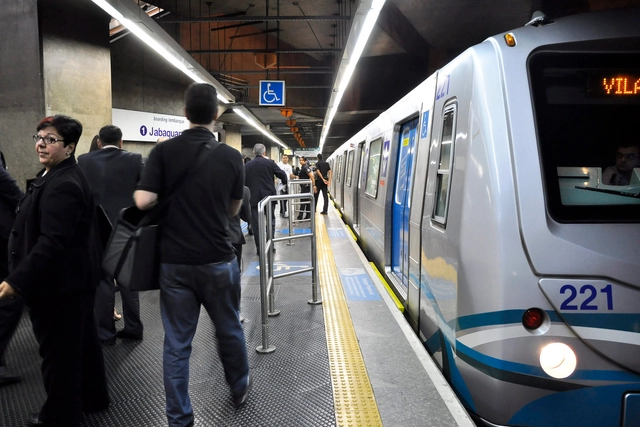
“How much does a subway line cost?” is a question frequently asked when discussing high-capacity rapid transit solutions for Brazilian cities. However, the cost of implementing rail projects varies enormously across different global geographies.
For example, a rail line in New York costs about twenty times more per kilometer than one in Seoul, reaching a budget of $6.4 billion for a segment of just 2.6 kilometers in the second phase of the Second Avenue Subway in northern Manhattan. Geographical factors, or even the high built density of the American metropolis, are insufficient to explain such a massive disparity in construction costs.




Choosing high-performance BIM software is key to developing efficient projects by automating tasks that traditionally consumed time in conventional design workflows—such as documentation, calculations, analyses, and other repetitive processes.
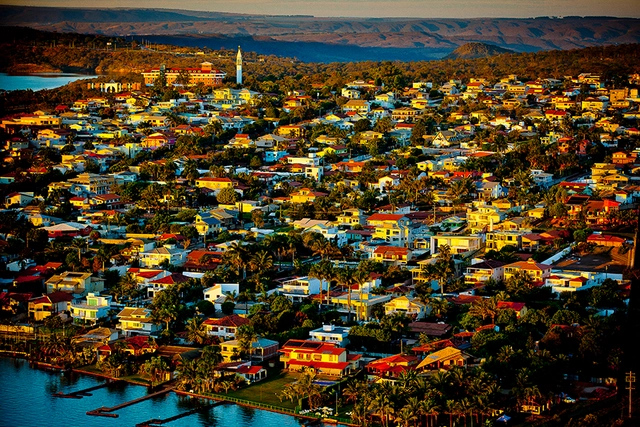
At the time of writing this article, Brazil is facing the most severe humanitarian crisis in its history—not merely a “health crisis,” as is commonly described. By April 30, 2021, the COVID-19 pandemic had claimed 411,854 lives in the country, and only in recent days has the moving average of deaths begun to cool down once again—after reaching a peak of 3,125 in April.
Epidemiologists, microbiologists, and infectious disease specialists note that the impact of the pandemic on Brazilian cities is highly idiosyncratic: each has unique conditions to consider before we can attempt any generalizations. Furthermore, underreporting is estimated to be high (with actual cases potentially being ten times higher), a figure that also varies from city to city. Nevertheless, with these caveats in mind, what does the overall picture reveal?
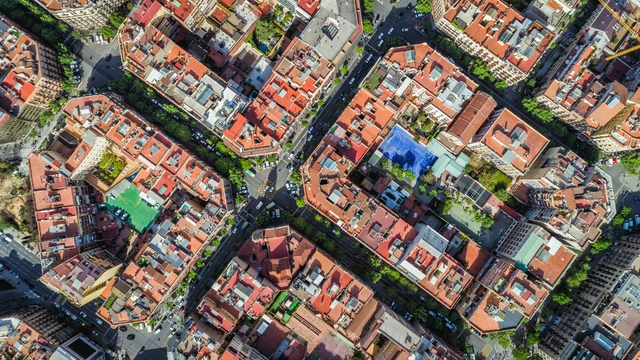
ArchDaily is working with CityMakers to publish a series of articles, conversations, and interviews with the various actors in urban co-production behind the Barcelona CityMakers Lab 2021, an event taking place from November 8 to 12.

This week, we feature job openings at two Shanghai-based design firms: ARIZON Design and atelier tao+c. Specializing in different scales and themes, both practices are active across various architectural sectors and are looking to recruit like-minded architects to join their teams.

Since ArchDaily launched its recruitment services, we have received job postings from architectural practices of various scales across China, from Beijing to Shenzhen and Hangzhou. Highly active across diverse architectural fields with their distinct styles, these firms are looking for talented architects to join their teams. Below are six curated openings for May, along with a showcase of their representative projects. Interested candidates are warmly invited to apply.
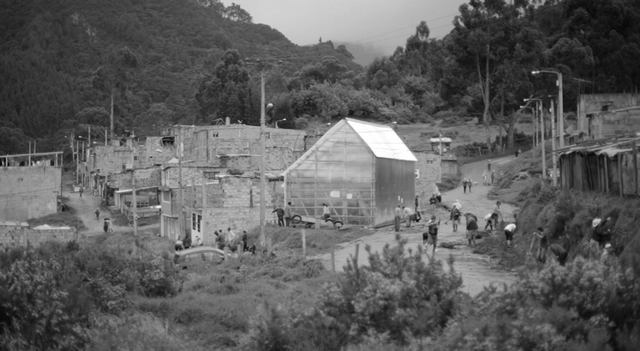
This article by Ana López Ortego (Colectivo Arquitectura Expandida) is a collaboration with Colectivo RE and was originally published on August 2, 2020, in the second edition of Huevo de pato, a publication that aims to share thoughts and experiences as a strategy toward democratizing knowledge and action.
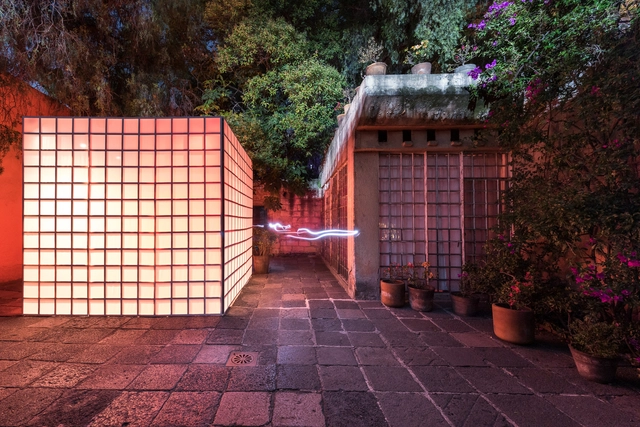
While the work of Mexican architect Luis Barragán is globally recognized and studied for its invaluable commitment to the architecture of his time and context—and, above all, built upon deeply harmonious and poetic foundations that connect with a deeply personal quest in "cosmic solitude, with Mexico as the temporary home he lovingly accepts," as the Pritzker Prize Jury described it when honoring him in 1980—until recently (and even before the launch of the Barragan Foundation website), understanding the full spectrum of Barragán's place in architectural history was somewhat difficult, as several of his works have remained private (or difficult to access) for years.
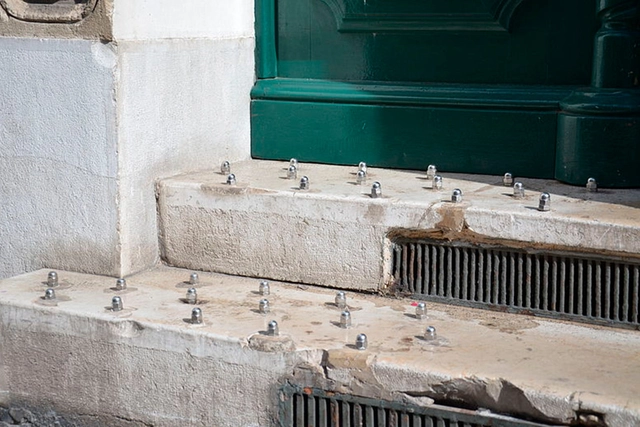
Benches with dividers and uncomfortable shapes, sharp stones under overpasses, fences surrounding plazas and gardens, walls with metal spikes, buildings without awnings or with timed water drippers, electric fences, and barbed wire. The elements and materials used to deter people from public spaces are numerous, ultimately shaping how individuals experience cities and interact with one another. Hostile architecture—a term encompassing all barriers and urban designs that seem to say “don’t make yourself at home,” as reporter Winnie Hu of The New York Times defines it—is part of the reality in most cities worldwide, sparking growing debate over the impact of these measures, particularly on social media.

In April 2021, the A8 Design Center at Luxe Lakes in Chengdu presented the exhibition "2 Kilometers of Lakeshore: Southwest Independent Architects 2021 Luxe Lakes Cross-Disciplinary Joint Exhibition." **Thirty-one independent architects** were invited to create installations along the Luxe Lakes waterfront. Working within a **budget of 30,000 RMB**, and drawing on self-reflection and their understanding of public space, they built **experimental, interactive, and experiential micro-spaces, presenting 31 unique perspectives on the world.** Through dialogue among the architects and with the public, the exhibition sought to further stimulate public engagement in design.
Following the exhibition visit, the A8 Design Center organized a hotpot gathering under a bridge with Chengdu's independent architects, sparking this dialogue. **We wanted to delve deeper into what this new generation of independent firms in non-first-tier cities is doing, how they are growing, and what they are thinking.**
Interviewer: Shuangyu Han
Part 1 Interviewees: Yun Lu (MUDA Architects), Youcai Pan (Wray Architecture), Hongduo Jin (Xd-Architects)
Part 2 Interviewees: Kefei Cai (Menkou Architects), Xiang Wang (TeKtonn Architecture), Yuejiu Li (a9a rchitects), Tang Zhang (YI JIE Atelier)
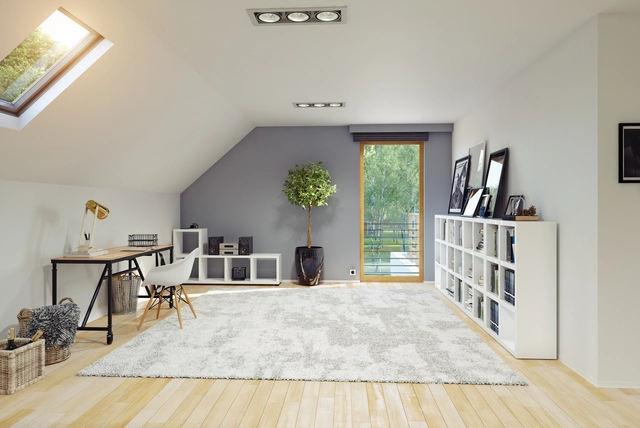
Inadequate living conditions in a building trigger discomfort and even physical pathologies in humans. Scientific experiments have shown that a lack of concentration and even everyday accidents are influenced by both high and low indoor temperatures. And while thermal sensitivity varies from person to person—depending on their clothing, gender, habits, and age—the basic principles behind thermal comfort are universal. Thermal comfort is primarily determined by air temperature and humidity. In this regard, the human body seeks to maintain a near-constant core temperature of 37°C, continuously exchanging heat with the environment.