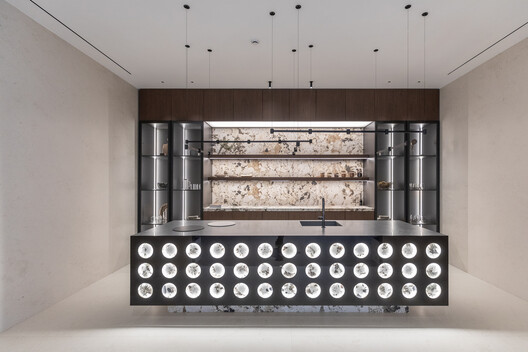
Recognizing the contemporary role of the kitchen as a social, leisure, and experimental hub within the home, the dialogue between technology and architecture becomes increasingly relevant by bringing movement, adaptability, and flexibility to domestic spaces. While kitchens embody the essence of diverse cultures, preserving everything from ancient recipes and techniques to heritage and tradition, their architectural design increasingly integrates innovative material finishes and invisible technologies, seamlessly combining durability, energy efficiency, and design.



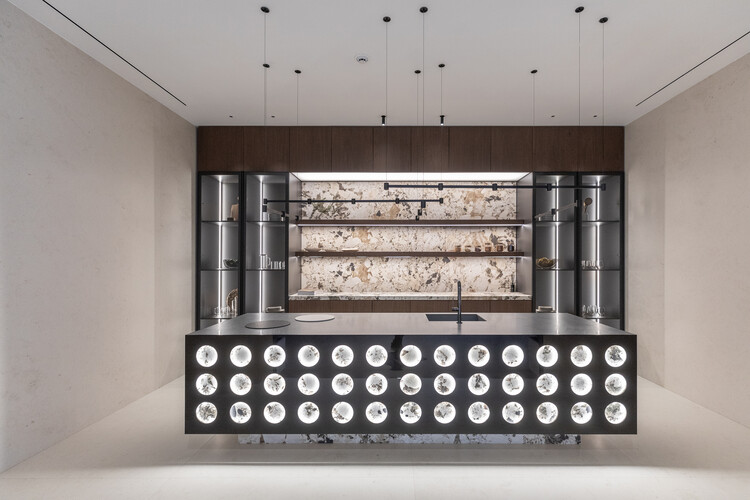
Driven by the constant pursuit to optimize domestic workspaces, the vision of architects such as Schütte-Lihotzky paved the way for new ways of integrating efficiency and design into the kitchen. Today, innovations continue to expand how homes adapt to the needs of their inhabitants, not only functionally but also in terms of aesthetics and sustainability. Mindful of this evolution, Porcelanosa has created Smart Kitchen: a solution that combines advanced technology with modularity for a versatile and efficient space. Just as Schütte-Lihotzky's Frankfurt kitchen focused on optimizing domestic tasks, Smart Kitchen takes this concept a step further by incorporating a hidden induction system and an adaptable design, all without compromising aesthetics.


