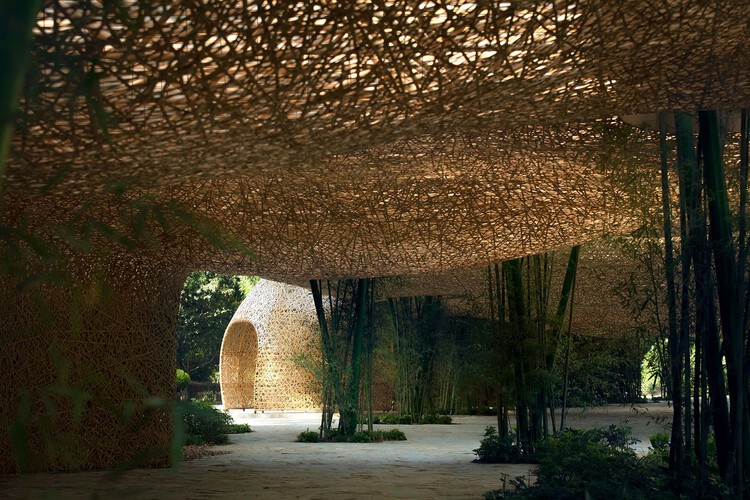
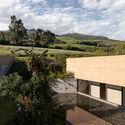
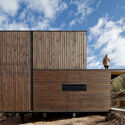
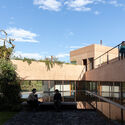
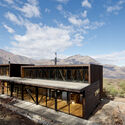
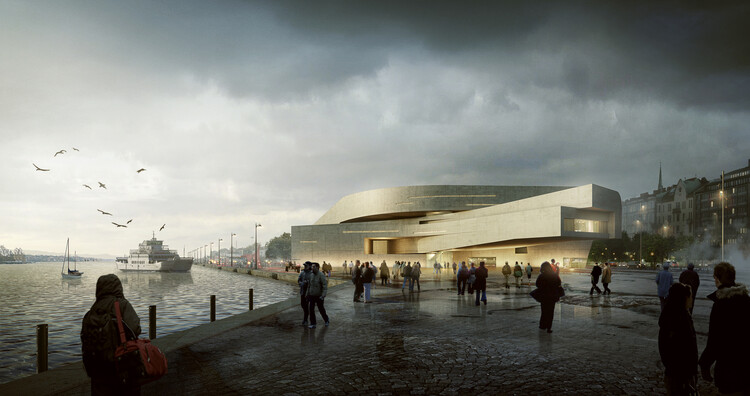
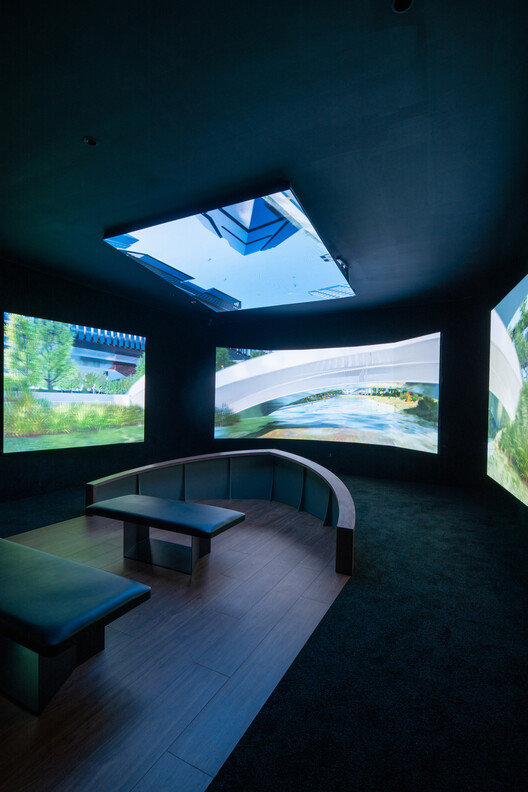
There is a big difference between looking at an image of a building and experiencing the space it represents. The atmosphere of a place, shaped by its light, sounds, materiality, and relationship with the surrounding landscape, has long belonged to the realm of physical experience. Today, real-time rendering technologies are beginning to narrow that gap, allowing projects to be explored and experienced before they are ever built.
Long before a building is constructed, it exists as drawings, physical models, perspectives, photographs, and, more recently, photorealistic renderings. Each new representational tool in history has sought to communicate not only the appearance of a project, but also the experience of inhabiting it.