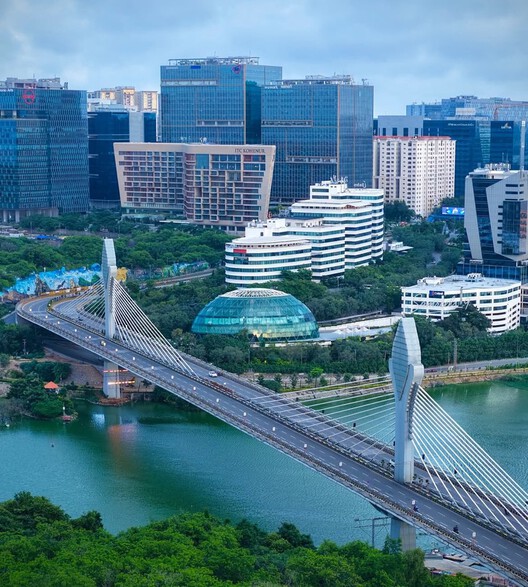
Architecture has treated water either as a backdrop or a problem: a view to be framed, a hazard to be drained, or a utility to be connected. In contemporary India, a more consequential relationship takes shape. Water remains a shared ecological resource, yet the land and infrastructure around it are increasingly financed and defended as economic assets. Coastlines are extended to carry traffic and lake edges become lucrative development zones. The decision to do so passes through multiple institutions with different vocabularies, thereby challenging who determines how water and its surroundings are used, and who faces the consequences.

Manufacturing Land: Mumbai's Coastal Road
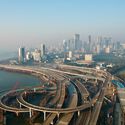
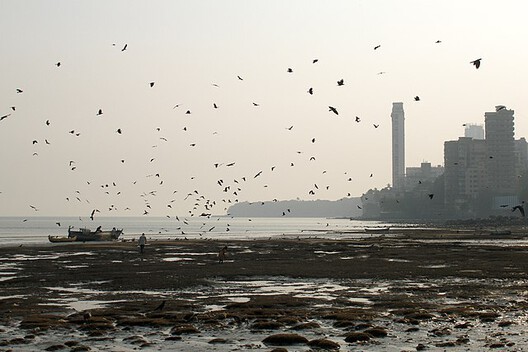
Mumbai has historically been built by displacing water, and the Coastal Road continues that tradition at infrastructural scale. According to the municipal corporation (BMC), the 10.6-kilometer southern section has created approximately 111 hectares of reclaimed land, which contains roads, bridges, interchanges, and lots reserved for public amenities. The BMC's case rests on mobility and public benefit. The road was expected to cut travel time in the city, and the open space sought to bring in roughly 1.24 square meters per person in one of the densest and most populous megacities in the world.
In 2019 the Bombay (Mumbai) High Court cancelled the coastal clearances, citing a lack of proper scientific study. However, it upheld the rule change allowing land reclamation for roads, and the Supreme Court stayed the order, allowing work to continue. Whether the reclamation damages coastal ecosystems, and how the sea wall will perform, remain debated rather than settled.
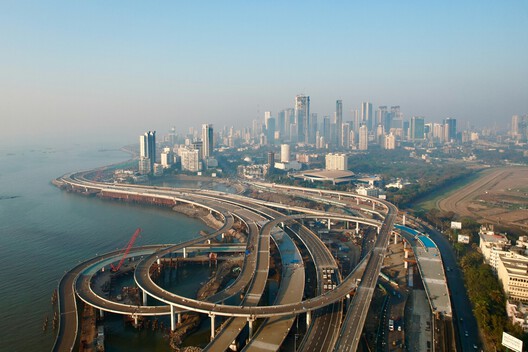
To local architect Alan Abraham, who later petitioned the court for design changes to the section on reclaimed land, the real problem is the priorities. "Roads are needed for the city, not the coast," he has argued, proposing that the road be pulled inland so that open space meets the water. The BMC's response was that the design rested on expert studies and that, with almost all of the work complete, changes were not feasible.
Erasing Boundaries: Bengaluru's Lakes and Drains
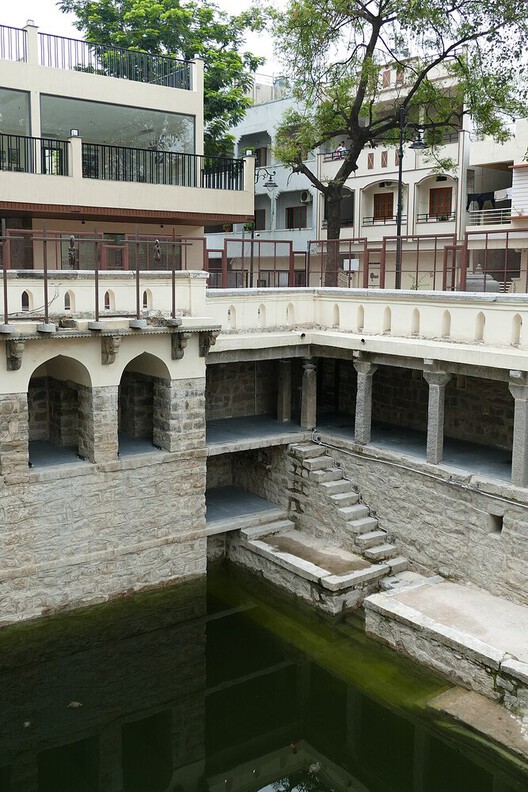
Bengaluru's lakes were originally conceived as a connected system of man-made stormwater drains known as rajakaluves. Their protection depends less on the existence of rules than on where a boundary is drawn. City authorities set a uniform 30-meter buffer around lakes in which construction is restricted. In 2025, however, the state advanced an amendment replacing it with size-based buffers - no buffer for the smallest water bodies and three meters for those up to an acre. Legal commentary notes that the earlier norms were treated as unscientific and that the bill would permit certain public-utility structures, such as roads and pump houses, within buffers.
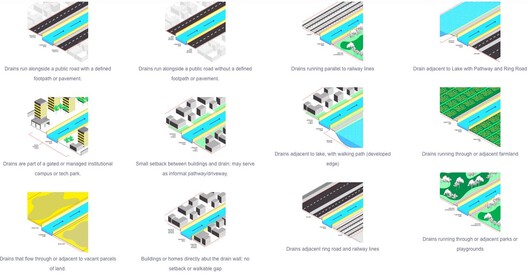
The bill returned in late 2025, noting that neither the state's expert committee nor the public had been consulted. Lakes that once absorbed monsoon runoff and recharged the aquifer now push that water into drains that have been narrowed themselves. Building within these buffers can reduce the space available for water to spread and soak into the ground during heavy rainfall, increasing runoff and pressure on already constrained drainage networks.
An analysis of flood-hit neighborhoods confirms significant encroachment on or misuse of the drains linking the lake network. One locality saw the water table fall from roughly 100 feet to 600 feet within six years of a lake being removed. In Bengaluru, a buffer is no longer a natural feature but is a legal figure, and changing it alters what classifies as buildable land.
Concealing Demand: Data Centers and Water Stress
Data centers present a different problem, since their water demand is largely invisible in a building's form and site. WRI India reported that more than half of India's data centers are in water-stressed regions, with the majority concentrated in five states: Maharashtra, Tamil Nadu, Karnataka, Telangana, and Uttar Pradesh. Uttar Pradesh's draft 2026 policy, in fact, promises uninterrupted water supply to data centers while India currently has no established disclosure requirement.
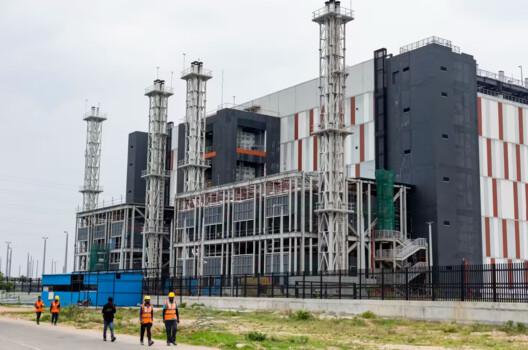
Cutting on-site water use can raise electricity demand, and because power plants also draw on water, the shortage may be relocated to the grid rather than removed. In India, recycled municipal wastewater is a supply that other users in a stressed city may need as well. In India's water-stressed regions, the location and design of a data center can affect how much water remains available for households, agriculture, and other local uses. A highly efficient facility in an over-allocated basin still draws on a shared supply, which makes site selection really a decision about who gets water.
Together, the three cases describe water as a resource: displaced, constrained, and allocated to infrastructure. In each, and in most projects, the decision precedes design. Architects always inherit conditions rather than shape them.
Individual practitioners can still push earlier in the process. They can question briefs that assume a site, request water balances and hydrological assessments before accepting or proposing a location, and suggest alternatives to a fixed alignment, as Abraham's collective did. Mumbai's architects have tried this more than once. The Mumbai Architects Collective, a group of about 120 firms, proposed reimaginations of the Coastal Road. In Chennai, design teams in the 2019 Water as Leverage program drew up closed-loop neighborhood water systems.
Sustainability cannot be assessed solely through how an individual building performs, because that performance depends on the territory the building occupies and the shared resources it draws on. If the claim on water were declared at the outset as a condition of the site, some of the buildings now defended as inevitable might never be proposed where they stand. Whether the profession, and the institutions that commission it, are willing to begin from that point remains open.
This article is part of the ArchDaily Topic: The Architecture of Water: Territories, Tensions & Transformations. Every month we explore a topic in-depth through articles, interviews, news, and architecture projects. We invite you to learn more about our ArchDaily Topics. And, as always, at ArchDaily we welcome the contributions of our readers; if you want to submit an article or project, contact us.


