Temple of Ashes and Crematorium / Juan Felipe Uribe de Bedout + Mauricio Gaviria + Hector Mejía. Image
2018 has been a special year for ArchDaily in Colombia: not only did we celebrate the first three years of our local site in Bogotá alongside prominent architects, and are now poised to set a new annual traffic record, but we also launched ArchDaily Colombia's Instagram account—which, thanks to you, has already reached 10,000 followers in just six months.
To wrap up this great year, we have selected the most popular projects—measured by total engagement, excluding reposts—on @archdailyco:
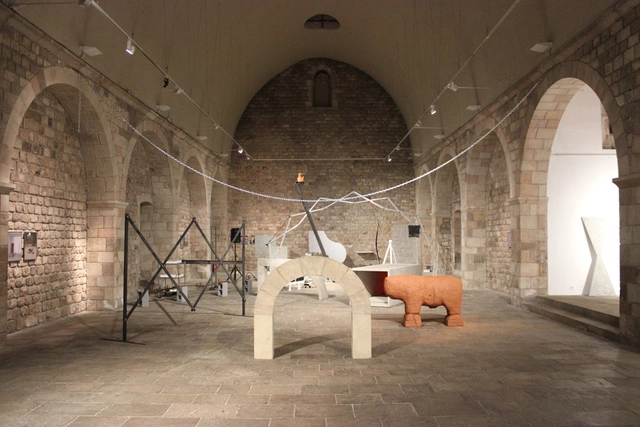
Fundación Arquia has published a new issue of its digital magazine Arquetipos, featuring an interview with sculptor and artist David Bestué, conducted by architect Moisés Puente with photography by José Hevia. The issue also includes articles on Olympic urban planning, the relationship between architecture and sculpture in the work of Chillida, Enric Miralles, Sert, Kiesler, and much more.
In the interview, titled "Language as Object," David Bestué (Barcelona, 1980) discusses how he approaches architectural space in his work, the influence of artists such as Dan Graham, Robert Smithson, Gordon Matta-Clark, and Juan Muñoz, and his interest in the formal qualities of work by architects Enric Miralles and Carme Pinós (the "local modern").
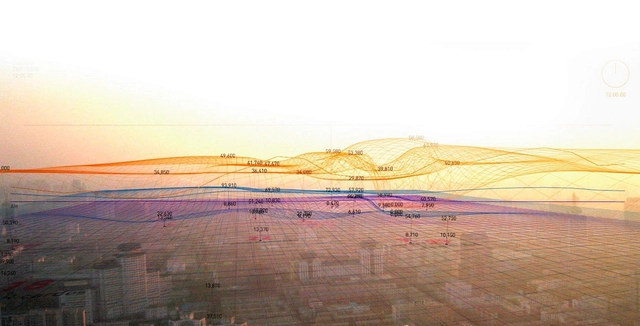
For this feature, the Fundación Arquia Blog, alongside architect Sabrina Gaudino Di Meo, brings us a conversation with architect Nerea Calvillo on how the project "In the Air" came to be. This multidisciplinary work, bridging data and ecology, visualizes urban air components to understand the behavior of microscopic agents and the implications of their concentrations for navigating the city.
https://www.archdaily.com/1114784/transforming-from-the-intangible-the-in-the-air-projectSabrina Gaudino Di Meo
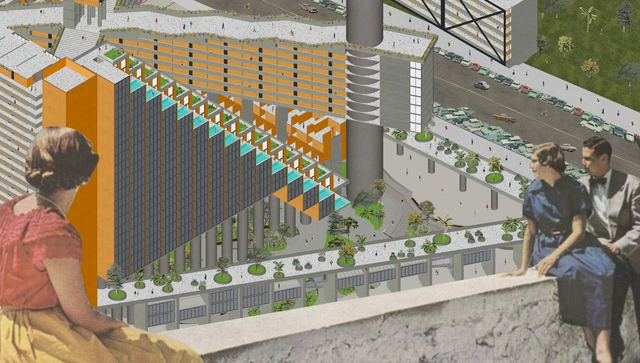
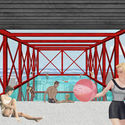
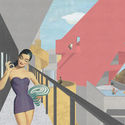
It is not common to speak extensively about these ideas in architecture, even if we have fallen back on them more than once. Diagnosis, happiness, rehabilitation, void, sadness, fear, health, patient, save... words repeated over and over, integrating ever more coherently as you read, transforming into a discourse that convinces us of these architectural utopias. It is not about who is behind this proposal, but rather about what they achieve for architecture and society through this multidisciplinary union forged from different approaches—be it philosophy, sculpture, or illustration—all of them medicine for the soul. Ultimately, they are a critique wrapped in the high spirits of the 1950s.
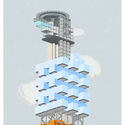
Dialogues of space and time converge in these projects: that a building can move from one place to another, that its atmosphere can evoke another era. It is a philosophy based on healing cities through detachment and happiness. No building belongs entirely to a territory; no spirit is inherent to an era in itself. Much like their sculptural projects, one is born in New York, another remains in Peru, and another ends up in Brazil. All of this is delivered with the cheerful 1950s aesthetic they seek to bring back and popularize through their contemporary illustrations. Here, we present DAD's philosophy and three projects that put their principles into practice.
Without further ado, they happily share the details with us.
A Portuguese architect from a traditional aristocratic family, Fernando Távora's education was shaped by a profound discursive shift upon coming into contact with modernism. He often said that he "entered university in love with the Venus de Milo and left in love with Picasso," reflecting his intellectual brilliance in recognizing modernist initiatives as something with which he had to establish a dialogue. In 1945, he wrote for the first time about a "third way" for Portuguese architecture, a contribution that resonated both in his teaching—closely tied to the Porto School—and in his practice, finding direct and striking expression in several of his projects.
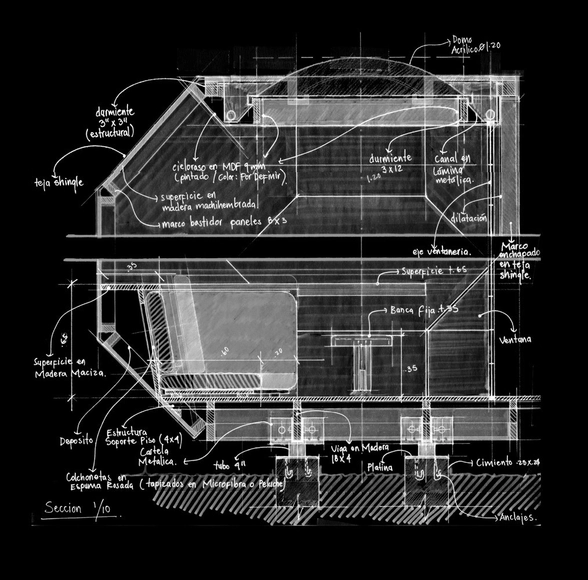
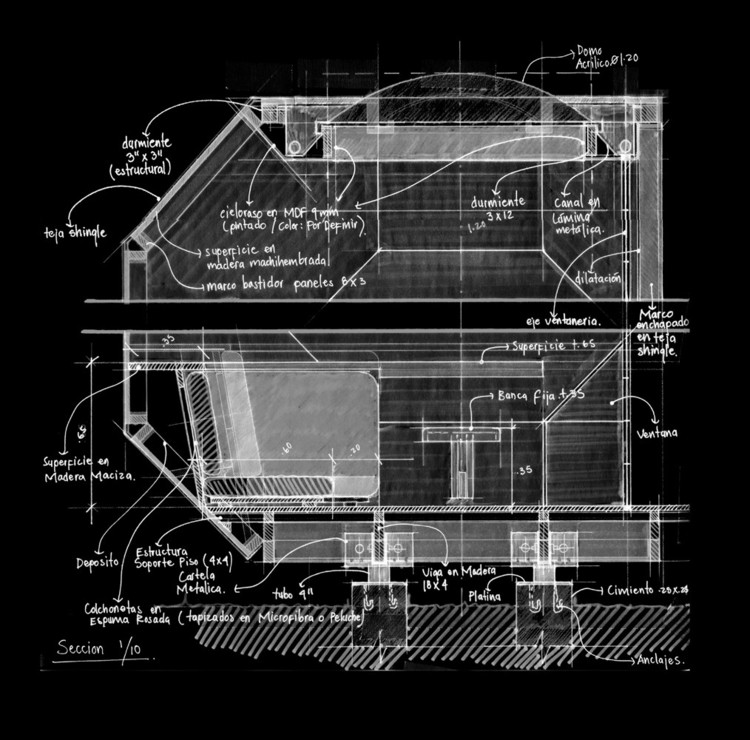
With more than 350 Colombian projects now published on ArchDaily, we celebrate this milestone with a curated selection that highlights the value of drawings in conceptualizing, designing, and constructing contemporary Colombian architecture.
While drawing is often associated with a project's earliest conceptual stages, Colombian architects continue to use sketching to explain structure, program, and even construction details in an era otherwise dominated by the efficiency of 3D modeling and rendering.
This selection ranges from single-family homes to public parks, including mixed-use facilities, kindergartens, and university buildings across Colombia.
In this piece, Daniel Morales Escudero offers a reflection on the Terminal 2 project in Valparaíso, addressing the proposal through the lens of Chile's three legal grounds for abortion.
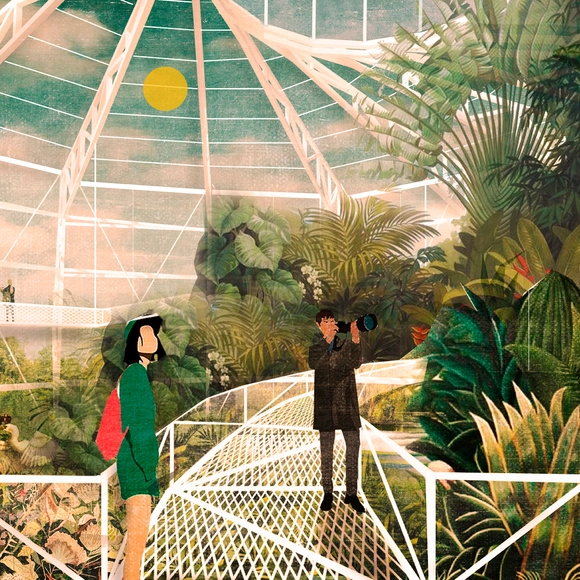
The team comprising Giovani Valeria, Nitzy Vera, Sofía Vargas, and Stefanía Ruiz (Universidad San Sebastián) has been awarded third place in the XXXII CAP Chile Competition. Designed for Teja Island in Valdivia, the competition jury praised the greenhouse system's "innovative and well-thought-out steel structure, with exterior and interior pathways that highlight the flora. It must, however, pay close attention to the scale of the structural elements in the smaller spaces."
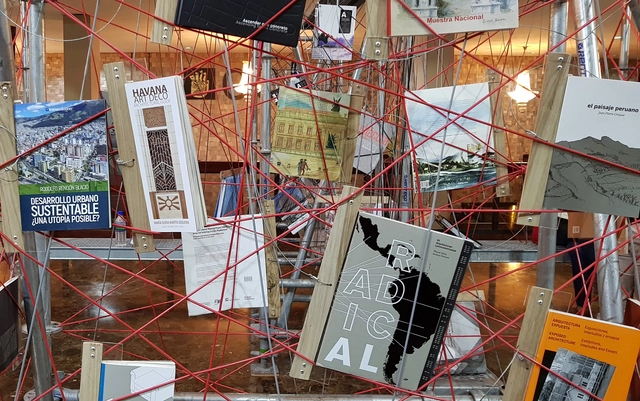
Exhibition of publications at Casa de la Cultura - BAQ2018 . Image
On Wednesday, November 21, the verdict of the competition of the XXI Pan-American Architecture Biennial of Quito - BAQ 2018 was announced.
Divided into six categories, the various juries selected projects and publications that stand out for making a significant contribution to their respective fields, offering relevant lessons for the discipline.
Below, we present the winners in Category (E) Theory, History, and Criticism of Architecture, Urbanism, and Landscape, and Category (F) Specialized Periodical Publications.
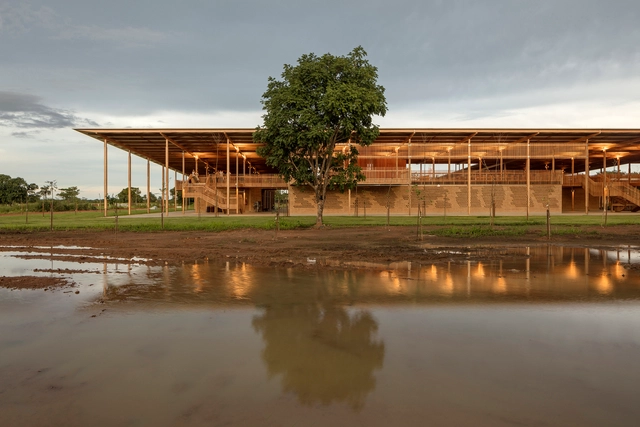
If tasked with synthesizing Brazilian architecture into just a few emblematic projects, we would find ourselves facing an exhausting and, in all likelihood, impossible task. The country's continental scale and countless local specificities result in such a vast array of architectural responses that selecting a handful of works to represent a single, assumed national architectural identity becomes reckless—or, at the very least, naive.
In order to shed light on a body of work that is frequently overlooked—knowing that media coverage almost always focuses on the architecture of the Southeast and South regions—we present here a sort of guide, or compilation of architectural projects, from Brazil's North region.
Architecture reveals the realization of a society's cultural processes at a specific moment in history, reflecting in its elements both the modus operandi of an economy and the dominant values governing its organization. The conceptualization of an architectural project sparks an intense, interdisciplinary process of formal development and technical verification for each construction component and its execution procedures. Architecture is tasked with transforming these diverse languages into a gestalt, or a formal reality that articulates and tests vital properties of reality.
Numerous factors introduce distortions into the architectural process in different regions of the globe. The state of architecture depends directly on the quality of professional training, interdisciplinarity, and available resources. A given context's culture and economy determine what architecture can do—and how it can operate.
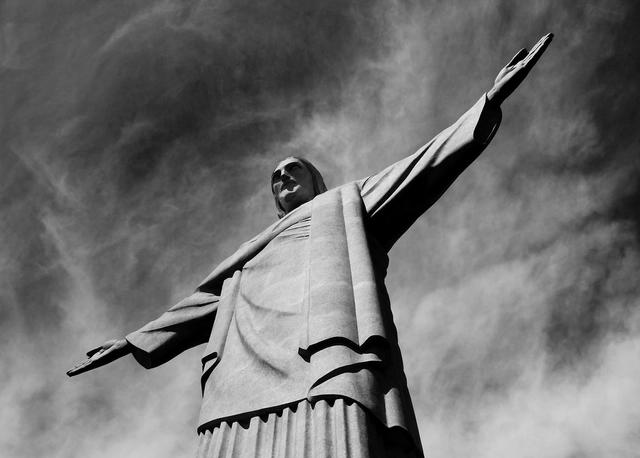
An icon of Rio de Janeiro's landscape and a must-see destination for tourists from around the world, the fascination surrounding Christ the Redeemer conceals a compelling construction history. Standing 38 meters tall atop Mount Corcovado and weighing nearly one thousand tons, the monumental project was designed by engineer Heitor da Costa Silva and took approximately five years to build (1926–1931). Based on Silva's initial drawings, the project was finalized with contributions from artist Carlos Oswald and French sculptor Paul Landowski, who was responsible for modeling all the components that make up the statue.
The concept for the project began to take shape in 1921, following discussions among Rio de Janeiro's government officials. In 1923, a design competition was held, which was won by Costa Silva. Construction did not begin until 1926, after full funding had been raised to bring the monumental project to life, which was finally completed in October 1931.
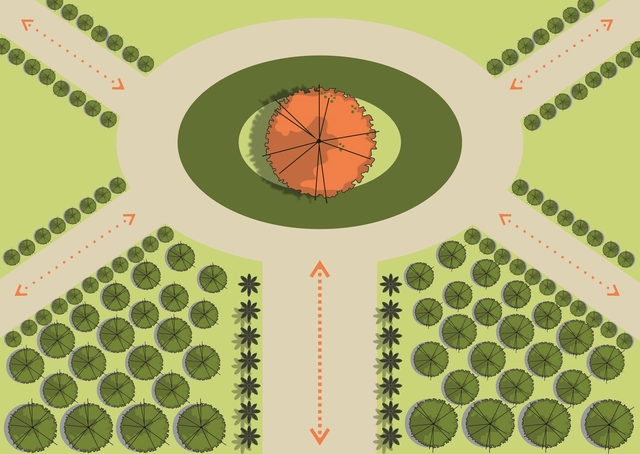
Just like the architectural elements that compose and shape built space—floors, walls, and ceilings—vegetative elements are also capable of shaping open spaces across large, medium, and small scales, from parks to residential gardens, acting as spatial organizers. According to Benedito Abbud, “Landscape design is the only artistic expression in which all five human senses participate. While architecture, painting, sculpture, and other visual arts rely heavily on sight alone, landscaping also involves smell, hearing, taste, and touch. This provides a rich sensory experience by combining the most diverse and complete perceptual experiences. The more a garden can heighten all the senses, the better it fulfills its role” [1].
In this second part of our series, we will demonstrate through practical examples how visual landmarks, axes, scales, views, and sensory experiences are conceptualized and applied in landscape design.
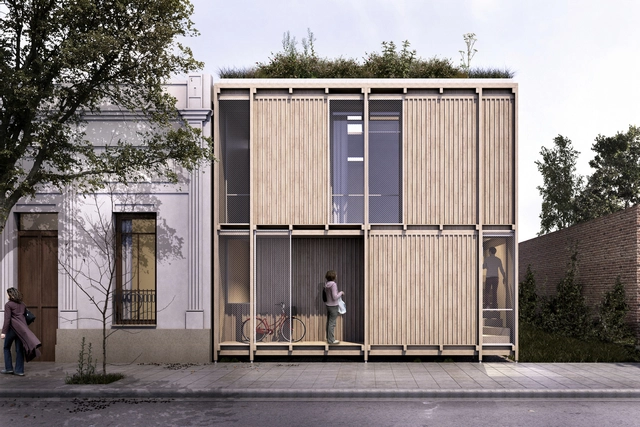
The National Ideas Competition “Sustainable Housing Prototype Built with Wood,” promoted by the Cámara de la Madera, Mueble y Equipamiento de Córdoba (CAMMEC) and organized by the Colegio de Arquitectos de la Provincia de Córdoba (CAPC), was launched with the following premise: to develop a minimal housing prototype with wood as the primary material.
The jury awarded first prize to Agustín Berzero, Valeria Jaros, María Emilia Darricades and collaborators Maximiliano Torchio and Tomás Quaglia. Below, we present the winning project in the words of its authors.
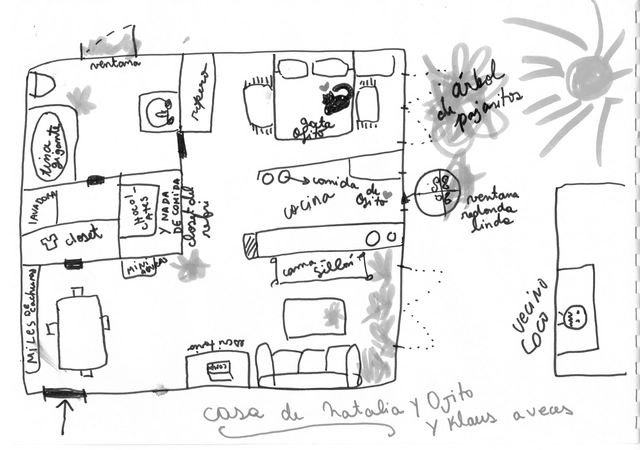
The Chilean series Proyecto Habitar dives into the intimacy of homes to explore the reality of housing in Chile. Divided into 9 episodes exploring a range of housing-related themes, directors Joaquín Mora and Verónica Wüst aim to spark a discussion. "I think it is important that we start asking ourselves how we are living and how we want to live," Mora reflects.
During the filming stage, the filmmakers explored various ways to gain the protagonists' trust and tell the story of how they inhabit their spaces. "Throughout the process of working as a team, the opportunity and curiosity to use different formats arose, allowing room for exploration," Wüst comments.
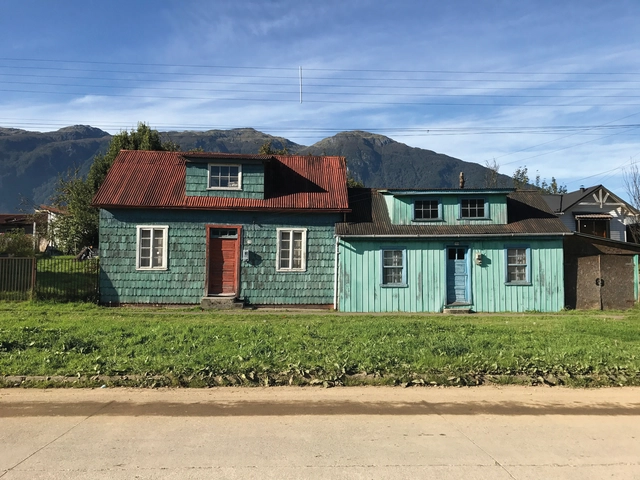
"Casas en el valle del río Simpson: el patrimonio desconocido de Aysén"by Lorena Pérez, Tomás Errázuriz, and Carlos Castillo, published by Fundación ProCultura, reclaims the vernacular architecture developed during the late colonization period in the region's residences, addressing their ways of inhabiting, transformations over time, and building systems.
The book explores a type of self-construction that does not follow blueprints or architectural models, but rather responds to the environment, traditions, locally available materials, and a myriad of other factors, resulting in a heritage unique to Chile.
Videos
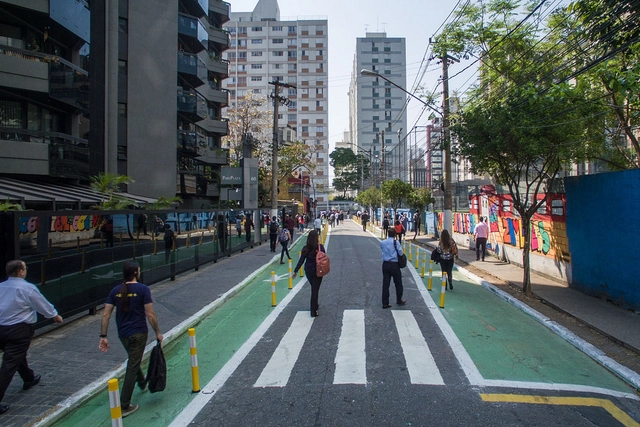
Joel Carlos Borges Complete Street, São Paulo. Photo: Pedro Mascaro/WRI Brasil, via Flickr. License CC BY-NC-SA 2.0
Shifting the street design paradigm that has been applied for decades in Brazil is challenging. Viewing every road through the eyes of someone who thinks first of people, rather than automobiles, is an increasingly necessary and urgent exercise in urban planning. Against this backdrop, the Complete Streets concept seeks to build safer, healthier, and more equitable streets.
To help professionals from various fields understand and implement the principles of Complete Streets, WRI Brasil and the National Front of Mayors (FNP) created the Complete Streets Online Seminars. Eight webinars were held throughout 2018, exploring various topics related to the stages of project development. Hundreds of people from 150 Brazilian cities attended presentations by 17 specialists representing ten different organizations.
https://www.archdaily.com/1114803/free-webinars-show-how-to-implement-complete-streetsWRI Brasil
While the founding of Spanish-American cities has always been linked to the availability of water sources, they have not always successfully integrated their urban development with the rivers that run through them. In the case of Córdoba, this is evident in its relationship with the Suquía River, which the city turned its back on during the twentieth century, treating it as an industrial boundary.
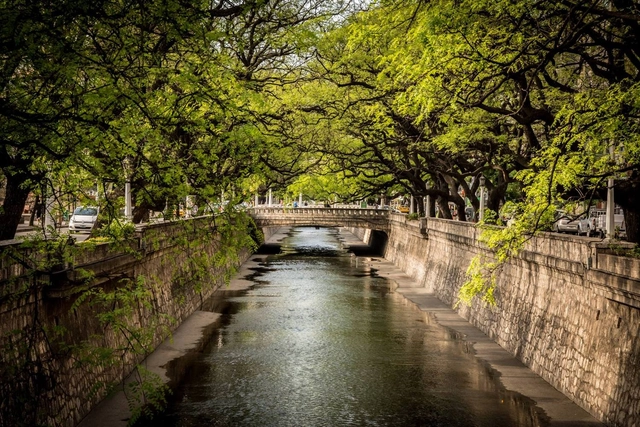
Conversely, the partial channelization of the La Cañada stream is perceived almost as an inherent element of the city, becoming a defining feature of the urban landscape both as a structuring, organizing axis and as a major scenic and tourist attraction.
We find ourselves in the Madrid of the 1980s. Specifically at the Superior Technical School of Architecture of Madrid [E.T.S.A.M.], a school in the shadow of the one in Barcelona, a city optimistic about its urban transformations. The latter was a city that trusted its architects, pushing them to participate in the reconstruction of its identity. Meanwhile, Madrid seemed to come alive through other avenues. The city championed other artistic sectors, leaving young architects with few opportunities to express their shared enthusiasm. Iñaki Ábalos and Juan Herreros belonged to this Madrilenian generation. They, like many others, had to wait and devise intellectual strategies to define the new professional and territorial boundaries that would reconstruct the Madrid of the future.
The work of Ábalos & Herreros is not only a virtuous exercise in surfaces and construction techniques; it also establishes mixtures, connections, and spatial relationships. It establishes links that foster a dialogue between all parts: the existing and the new, people and objects, building and landscape, and so on. Their architecture inherits the legacy of Modernism to translate its gestures into something that, while perhaps appearing new and innovative to a less attentive observer, is intrinsically charged with the accumulated technological experience of the 20th century. They do all of this in an illustratively modest way, seeking to solve age-old problems in a different manner. Theirs is not a revolutionary or radical architecture—understanding the latter term as a desire to dismantle a totality. There are no origins, only discoveries along their path. Established tropes are reconsidered, employing technologies, materials, gestures, and forms that, for various reasons, remain stored in the conceptual archives of many who have not yet figured out how to implement them in an ingenious and creative way.
In recent years, the term mobility has increasingly appeared in the media, likely driven by the establishment of the National Urban Mobility Policy (PNMU) in January 2012 and the requirement to develop Urban Mobility Plans. However, the term often loses its meaning when it becomes synonymous with transportation. Indeed, it does, as these two words do not share the same definition. Mobility is not limited to transportation.
https://www.archdaily.com/1114802/mobility-is-not-synonymous-with-transportationWRI Brasil
The "Amenidades Urbanas" public initiative addresses co-production based on outreach and participation, responding to the challenge of connecting "different natures" within a single system: a sector in Caracas fragmented by large-scale infrastructure projects.
The first phase of these built urban interventions consists of diverse actions aimed at reactivating civic spaces. These new dynamics seek to redefine the street as a space for dialogue and mediation, occupying neglected voids and reclaiming the city's original human scale.
Read on to learn more about the project in the words of its authors.
Córdoba is one of the pioneer cities in the implementation of landscape architecture as we know it today. Moving beyond the paved plazas of the colonial era, it was the first city in the country where the renowned French architect and landscape designer Carlos Thays designed a major urban park: Parque Sarmiento. Inaugurated in 1911 along the ravines that then marked the city's limits, the park became an integral part of the Nueva Córdoba neighborhood.
Similar initiatives followed over the years, creating highly characteristic green corridors such as the canalization and urban development of La Cañada. Later, during the 1970s and 1980s, the creation of pedestrian streets in the downtown area featured the incorporation of green pergolas, paved surface treatments, and plaza designs—such as Plaza Italia and Plaza España—led by architect Miguel Ángel Roca.
Today, this same emphasis on public and green space is no longer evident. The city currently has only 8 square meters of green space per inhabitant, falling short of the 10 to 15 square meters recommended by the WHO.
Playful experiences have long been a subject of research and experimentation for professionals across diverse fields. Interested in establishing a serious, committed dialogue around a lighthearted subject—which has yielded highly compelling initiatives across various disciplines over time—these practitioners prompt a debate on the potential of tools that foster experiences of pleasure, imagination, fun, and, in many cases, childhood.
In the field of architecture, notable projects have leveraged play as a design strategy. A key example of this approach is the Apollo Schools by Dutch architect Herman Hertzberger. These buildings, aligned with an avant-garde approach to primary education, materialize design principles from a pedagogical proposal centered on the playful and collective nature of children's learning.
.jpg?1544195309&format=webp&width=640&height=580)








_-_view_from_southwest.jpg?1517254292&format=webp&width=640&height=580)




.jpg__José_Alberto_Bastidas.jpg?1539798976)