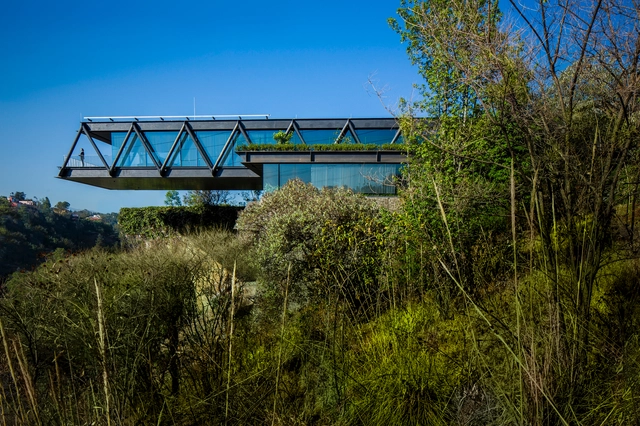
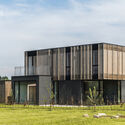
The firm LBR&A—founded by Mexican architect Benjamín Romano—has been recognized at the German Design Council's Iconic Awards: Innovative Architecture for its project Casa CH73. The residence was named “Best of the Best” in the Architecture category, which encompasses projects such as corporate buildings, museums, hotels, shopping centers, stadiums, and housing, among others.
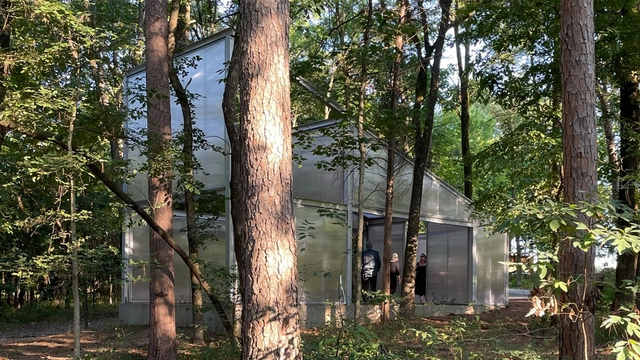
As part of the cultural programming at the Crystal Bridges Museum of American Art, the exhibition "Architecture At Home" features an outdoor space bringing together five housing prototypes that seek to spark a conversation on contemporary housing. Driven by research, five architecture firms based in the Americas designed and fabricated 500-square-foot prototypes for a contemporary home, installed along Orchard Trail on the museum grounds.
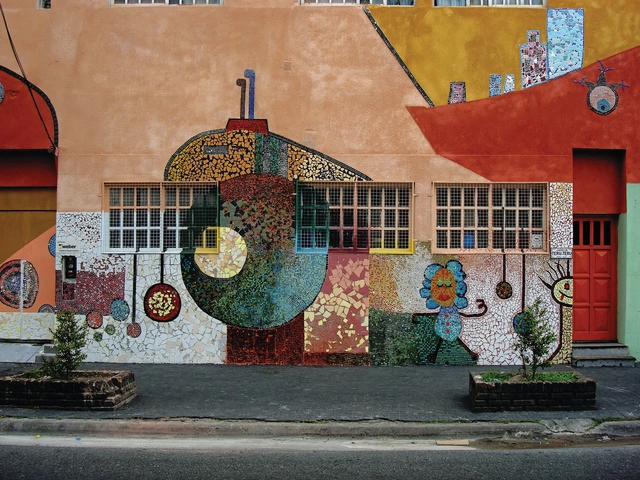
"Pequeño Infinito" de Cristina Fresca. Image Cortesía de Bisman Ediciones
What are the stories, processes, and hidden messages behind murals in urban contexts? How do they relate to the communities that live alongside them? “Urban Murals: Solidarity Infrastructure Plan (PISO)” by Bisman Ediciones compiles the work of Saint-Gobain, highlighting the urban interventions they have driven since 2005 through their Solidarity Infrastructure Plan (PISO) program across the 24 Argentine provinces.
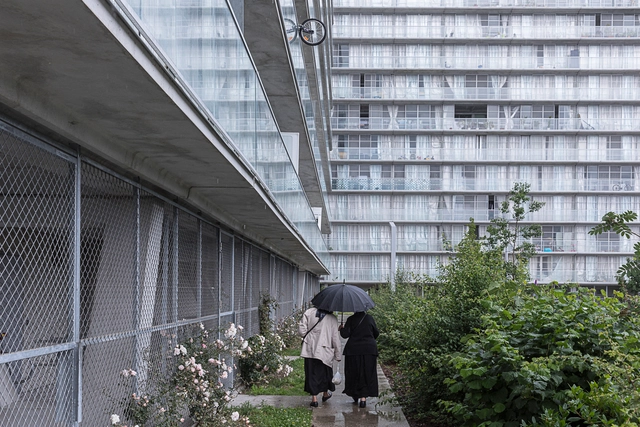
The concept of social housing in Chile began to emerge in the late 19th century, driven by population growth following rural-to-urban migration. At the time, people lived primarily in conventillos (tenements) and ranchos (shacks) under precarious living conditions. Facing a severe housing deficit, Chile took its first state measure in 1906 with the “Workers' Housing Law” (Ley de habitaciones obreras). Over the years, this policy framework evolved, leading to the creation of the Ministry of Housing and Urbanism (MINVU) in 1965, followed by the Housing and Urbanization Service (SERVIU) around 1980—institutions that continue to manage housing policy to this day.
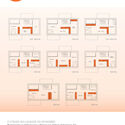
It is increasingly common to see contemporary families seeking housing options that not only meet their social, economic, and cultural conditions, but are also capable of responding to their future residential needs. At the same time, we witness the emotional, physical, and financial effort required to transform and adapt existing spaces to accommodate family changes. Consequently, designing evolutionary and adaptable housing has become one of the greatest challenges for architects today.
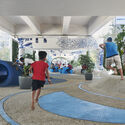
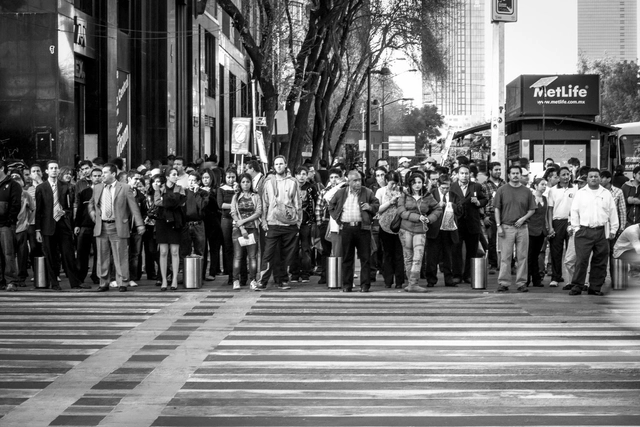
Noise, high-rises, cars, buses, subways, and a relentless flow of people coming and going. This is how large cities are portrayed in cinema. This imagery is compounded by distant personal relationships and the promise of anonymity within the crowd, shaping a vibrant, connected routine that can also feel oppressive and isolating. Today, we find ourselves in a constant search for balance between the benefits of the megacity and the challenges imposed by its scale.
The Santiago Architecture Film Festival is celebrating its first decade since its inaugural edition in October 2012. To mark this milestone, it has invited members of its community to answer the question that has guided its work: What do we talk about when we talk about film and architecture?
Videos
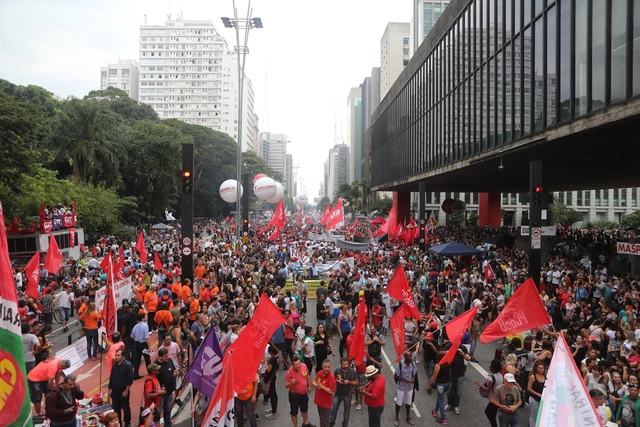
Photo by Nilton Fukuda/Estadão Conteúdo/Veja SP
The Escola da Cidade, through the event XVI International Seminar – Cities in Debate: Contemporary Perspectives and Practices, organized by Professors Silvio Oksman and Sabrina Fontenele, welcomed architect Joice Berth for a talk on citizenship.
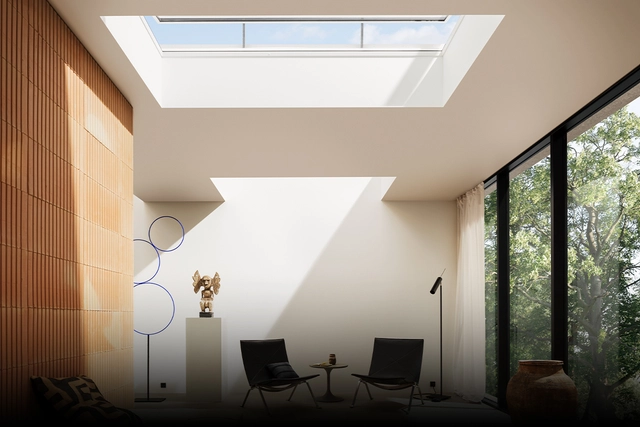
Natural light is a key design element that can improve indoor comfort in architectural projects. VELUX Academy offers courses, videos on daylighting design, and information modules featuring exclusive content on the subject. This expert-curated content challenges how architects and designers think, ensuring the best possible design outcomes for their clients.
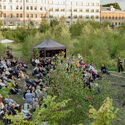
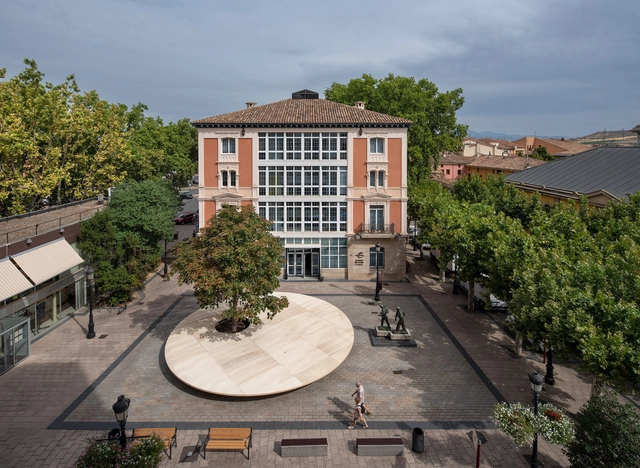
There is no need to worry about getting lost. Over its eight editions, the team behind the Concéntrico Festival has curated an extensive series of locations: new squares, interior courtyards, and hidden public spaces that speak volumes about the role of the urban fabric when discussing architecture in Logroño.
According to the National Fire Academy of Chile, a fire is defined as “fire out of control.” Once a fire starts, temperatures can reach 1000° Celsius, generating flames and smoke that endanger both human lives and buildings.
According to a report by ONEMI, the main causes of structural fires – those occurring in homes, buildings, and commercial premises – include domestic accidents, electrical failures, and gas leaks.
Shortly before commemorating another world day for walkers pedestrians, an article in Obras magazine reveals that 40% of the roads in the Xochimilco and Milpa Alta boroughs lack sidewalks. This is despite mobility laws mandating the construction of complete streets integrating universal design across all boroughs in Mexico City.
What is it like to walk past the buildings and houses on the street where you live? Or the street where you work, study, shop, or take your children to school? What relationship do these buildings and houses have with the sidewalk? How do they treat pedestrians? Do they make you want to walk past them? Do they welcome or repel?
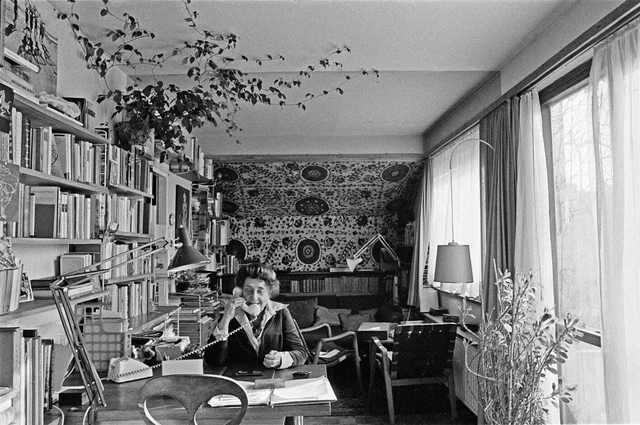
Margarete Schütte-Lihotzky in her apartment, in 1981. Photo: Margherita Spiluttini
So often overshadowed by romantic and professional partnerships with men, women architects have been, and still are, constantly tested and subjected to symbolic violence, disguised as jokes or "simple" banter. The conversation in episode 51 of the Betoneira Podcast, with professor and researcher Silvana Rubino, raised an ever-urgent debate: what is the place of women in architecture?
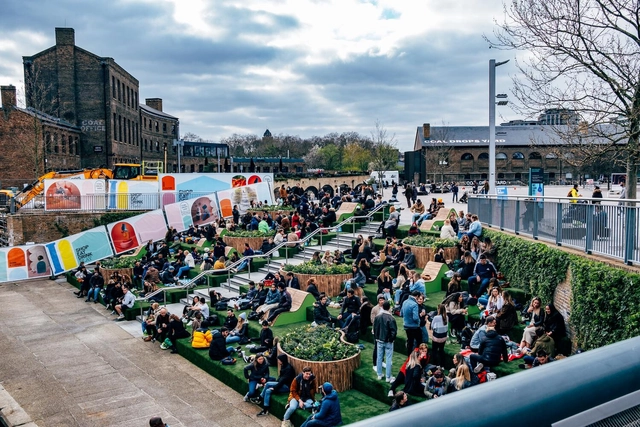
Granary Square, London. Photo by Samuel Regan-Asante via Unsplash
Privately owned public spaces, commonly known as POPS, originated in New York City in 1961 as a public policy incentive to create open, public-use areas on private property, with maintenance provided by the owners.
"Domingos Libro" is hosted by Carmelo from Enorme Studio, delving into forgotten architectural publications, books, and architecture magazines from the 1960s, 70s, and 80s that hide the most fascinating stories behind them.
After a hiatus in 2022, the series returned with episode 19, titled “Always Young,” which tells the story of Ettore Sottsass Jr. Now, it presents "No One Is a Prophet in Their Own Land," a tribute to the recently deceased master of architecture Ricardo Bofill.
Founded in 2018 and based in Argentina, LINA Plataforma (Laboratory > Intervention + Architecture) presents itself as a global research and experimentation platform linked to cultural heritage, aiming to reflect on the relationship between heritage, sustainability, and design education.
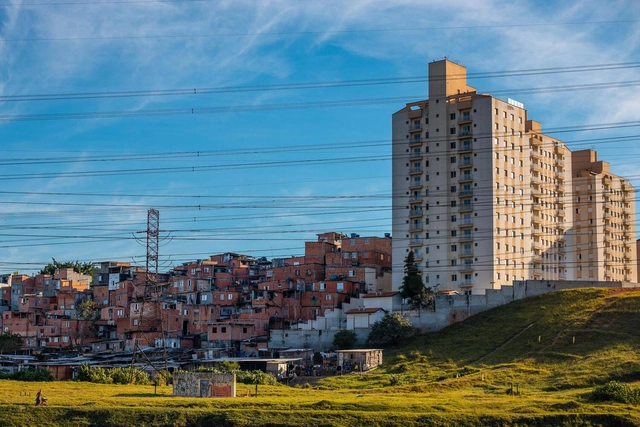
We know that Brazilian cities are exclusionary. They fail to prioritize public transit, which disproportionately harms the poorest residents. They segregate wealthier neighborhoods, driving the working class to live on the urban peripheries. And even there, a large part of the population can only afford housing in the informal market.
https://www.archdaily.com/1132104/how-many-people-can-afford-to-buy-a-property-in-brazilEnrico Costa