Kazakhstani Architecture

  1. ArchDaily
  2. Countries
  3. Kazakhstan

Latest projects in Kazakhstan

Latest news in Kazakhstan

Next Practices Awards and Baghdad’s Forested Master Plan: The Week’s Review

 | Sponsored Content

This week, architectural developments around the world highlighted the balance between continuity and change in the built environment. Conversations around sustainability, heritage, and resilience highlight how architecture adapts to shifting cultural, social, and environmental conditions, reimagining the role of design in shaping future communities. Across different contexts, projects, and initiatives, ongoing efforts to address environmental challenges, preserve cultural landmarks, and prepare new infrastructures reflecting the diverse scales and directions shaping architectural practice today.

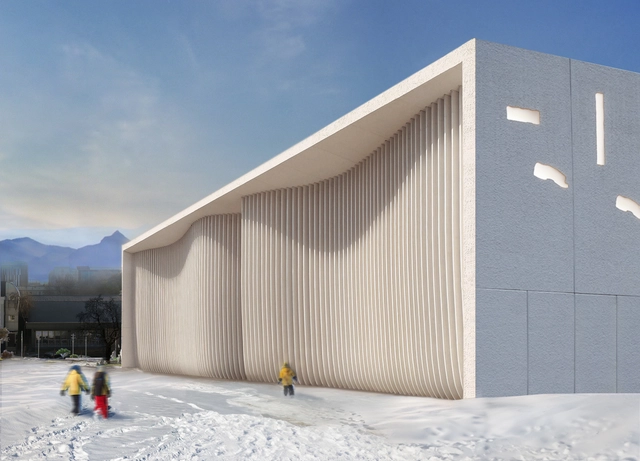
Almaty Museum of Arts by Chapman Taylor Opens in Kazakhstan

The Almaty Museum of Arts has opened in Kazakhstan, establishing a new cultural institution dedicated to contemporary art in Central Asia and internationally. Designed by Chapman Taylor, the museum is located at the foothills of the Tian Shan mountains and encompasses 10,060 square meters. The design draws inspiration from the contrast between the city of Almaty and its mountainous surroundings, a relationship expressed through two interconnecting limestone and aluminium-clad volumes. These are organized around a central, light-filled atrium referred to as the "Art Street," which serves as the primary circulation and gathering space.

Asif Khan Reimagines Soviet-Era Cinema as Kazakhstan’s First Independent Cultural Hub

British architect Asif Khan has just unveiled the transformation of a Soviet-era cinema in Almaty, Kazakhstan, into the Tselinny Center of Contemporary Culture, a multifunctional venue designed to support the growth of Kazakh and Central Asian creatives. The project, which began in 2018, is set to open in April and will feature spaces for art exhibitions, performances, film screenings, workshops, and more. Once complete, the Tselinny Center will mark Kazakhstan's first independent cultural institution.

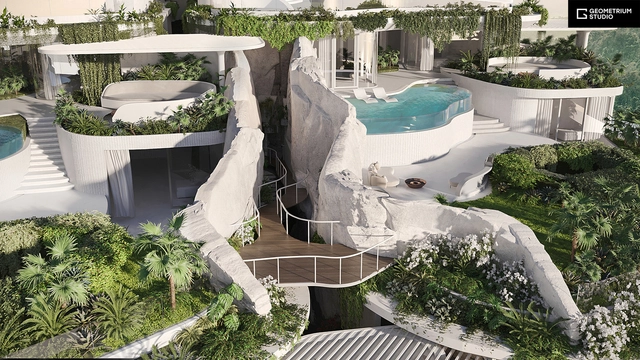
A Dynamic Hub Dedicated to Youth and a Villa Complex Inspired by Rice Fields: 8 Unbuilt Resorts Submitted by the ArchDaily Community

Subscriber Access | 

Long celebrated as havens of relaxation and luxury, resorts offer guests an escape from the mundanity of daily life. These sanctuaries seek to offer lavish accommodations, scenic locations, and comprehensive experiences. From sun-drenched beaches to mountain retreats, or secluded spots in the wilderness, resorts can take a variety of forms, each offering a unique experience. The history of architects designing resorts is intertwined with the development of the hospitality industry and the concept of leisure travel. In the realm of architecture, resorts allow designers to meld functionality with luxury living, creating spaces that offer experiences beyond just residences.

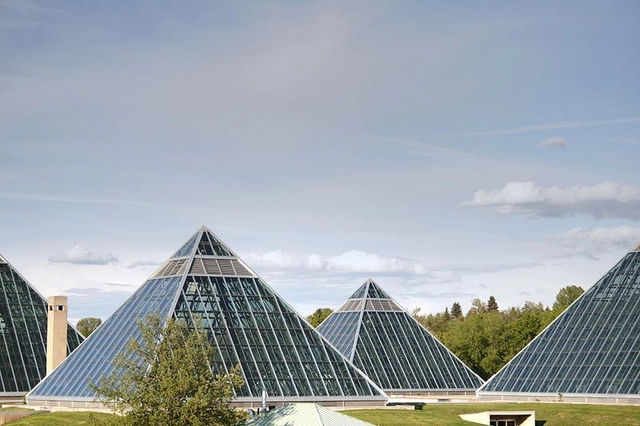
10 Contemporary Buildings Inspired by the Egyptian Pyramid Typology

Subscriber Access | 

As one of the wonders of the world, the Egyptian pyramids are steeped in rich history and shrouded in mystery. Using their unparalleled resources to create structures on a scale that had never been seen before, the ancients used the pyramid shape to construct structurally resilient and visually powerful icons, surviving the ravages of time. Presenting a new definition in terms of monumentality, these architectural marvels remain a timeless and influential form for design concepts today.

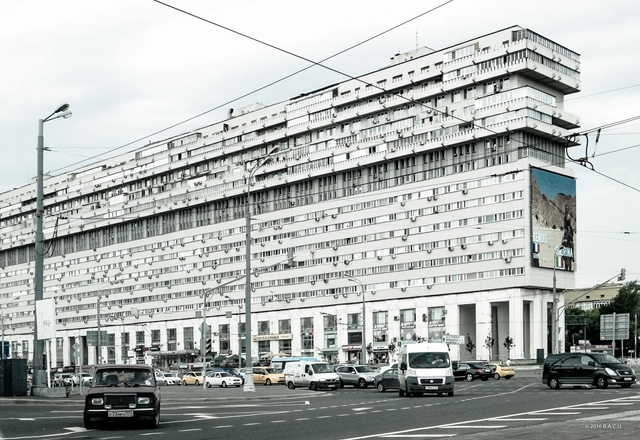
Concrete Estates: The Legacy of Soviet-Era Housing

Subscriber Access | 

When cities grow, fuelled by an expanding population, housing becomes an essential component of the urban character of a metropolis. Across the world, housing experiments have been propagated by governments and states, with mixed results, and undoubtedly mixed opinions. The Soviet-era housing estates of Central and Eastern Europe are particularly interesting in that regard. These mass housing projects have been dismissed as eyesores and viewed as unimaginative monolithic structures. The legacy of these developments, however, is a lot more complicated than that.

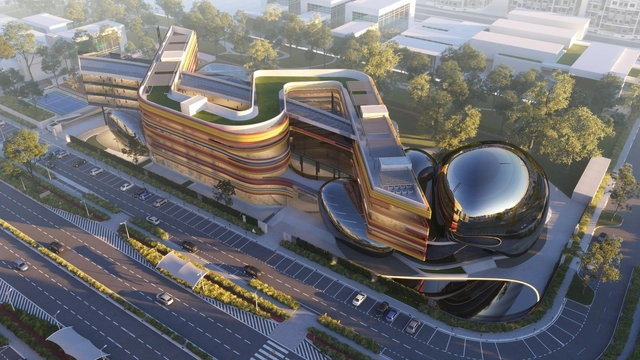
A Three-Dimensional 'Learning Landscape' and a Soviet-Inspired Architecture School: 10 Unbuilt Educational Facilities Submitted to ArchDaily

Subscriber Access | 

This week’s curated selection of Best Unbuilt Architecture highlights educational architecture submitted by the ArchDaily community. From preschools to higher education institutes, this article explores how architects shifted towards fostering individual creativity, critical thinking, and exploration, and presents projects submitted to us from all over the world.

Brutalism in Central Asia: The Eastern Influences that Shaped Soviet Architecture

Subscriber Access | 

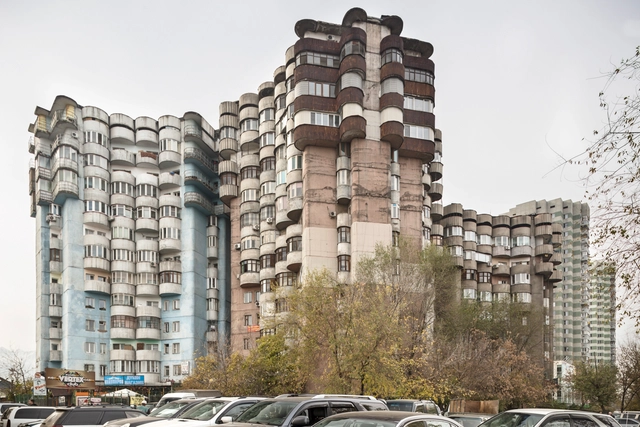
In the second half of the 20th century, Soviet architecture has spread a common aesthetic across highly diverse environments, being an integral part in promoting the totalitarian ideology that disregarded local cultures, envisioning a unified, homogenous society. Nevertheless, in practice, the architecture proved itself susceptible to adaptations and local influences, perhaps nowhere more than in Central Asia. The article looks at the architectural heritage of a geographical area largely excluded from the Western-centric narratives on Soviet Modernism, encouraging a re-reading of a layered and nuanced urban landscape, with images by Roberto Conte and Stefano Perego.

Kazakhstan Rising: Modern Architecture Taking Shape

Subscriber Access | 

Kazakhstan's built environment is defined by a complex history. As a constitutional republic with a diverse cultural heritage, the country's architecture includes contrasting traditions, from integrating buildings with the landscape to standing out from it. Today, a mix of futuristic towers and monuments speak to a legacy of atypical design, and a series of modern projects showcase how architects are working to build a new narrative for the country.

Yerevan-Based SNKH Studio Designs the 2020 Garage Screen Cinema in Moscow, Russia

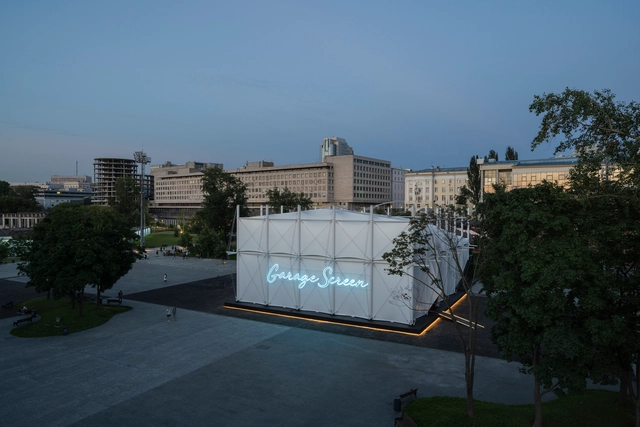
The new Garage Screen cinema designed by SNKH Architects was just unveiled in Moscow. The winning project of the second Garage museum of contemporary art competition for the design of a pop-up summer cinema “resembles an inverted Bedouin tent”. Selected out of 136 submissions from Armenia, Belarus, Kazakhstan, Kyrgyzstan, and Russia, the intervention is not instantly recognizable as a cinema, reinventing the usual design.