Architects throughout the modern era have displayed their fantasies through their designs and their obsessions with how women have inhabited them. Take for example Corbusier’s infatuation with Eileen Gray and her home, E. 1027. Plagued with unconfirmed tales of how he broke into her home to paint murals on the white walls, he was also known to publicly downplay the home's design, while conversely praising it in a series of unreciprocated love letters to Gray. In the same vein, while Adolf Loos stood firmly against architectural decoration, he perhaps supported the elegance of women acting as a human ornament, an assumed notion in his envisioned home for the French Entertainer, Josephine Baker. The unbuilt proposal took on the form of a black and white striped solid which located a glass pool at the center of the space, forcing Baker to catch the male gaze of other occupants.
The relationship of sensuality and space doesn’t stop with the provocative desires of these three men, but lives on in one of the world’s most famous publications, Playboymagazine. Perhaps best known for its significance as a vanguard in the sexual revolution with its promotion of masculinity, the magazine also illustrated a showcase of swanky glass bachelor pads standing high above Beverly Hills that pushed forward a debonair lifestyle punctuated by modern design. As a generator of a glamorized lifestyle, the magazine highlighted architectural titans including Mies van der Rohe, Bucky Fuller, and Eero Saarinen, and made them palatable to a general audience.
In the midst of a pandemic that has already affected 184 countries and infected more than a million people around the world, we seek to cover all topics that relate the coronavirus within architecture and space, and ways to make social distancing less painful.
Architectural and fine art photographer Pygmalion Karatzas is presenting a number of free online architectural photography resources for readers to explore in the period of the COVID-19 pandemic. The selected resources include e-books, numerous interviews with renowned photographers from around the world, educational presentations (academic papers, lectures, workshops), and videos.
As author Jeremy Lent points out in a recent article, the phrase “social distancing” is helpfully being recast as “physical distancing” since this pandemic is bringing people closer together in solidarity than ever before, and we are witnessing a heartwarming rediscovery of the value of community, and humanity’s prosocial impulses like altruism and compassion manifesting across sectors and boundaries.
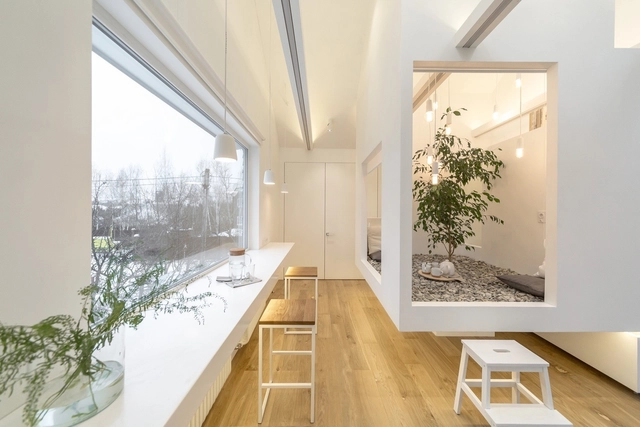
What size is this room? What is the view from the meeting room like? What would you see if you looked from the outside in? These are all recognizable examples of questions designers are asked. Is there any better answer than immediately showing the view in question? XUVER provides a user-friendly way to share an online-rendered visualization of your design within a minute. No additional software is required; all you need is a link and a web browser. A voice module also enables you to discuss your design simultaneously.
As cities around the world go on lockdown in response to the COVID-19 outbreak, most individuals have been asked to stay at home, leaving only essential workers - EMTs and other healthcare professionals, grocery workers, bus drivers, deliverymen, and more - continuing to go out to keep the world running. Other families and individuals have found themselves spending most of their time at home, permitted to leave only to buy groceries or exercise for limited periods of time. With many no doubt searching for ways to pass the time in replacement of social interaction, we suggest several ways to brighten up your home while practicing social distancing, both improving the space you’re in and giving possible activities to pass the time.
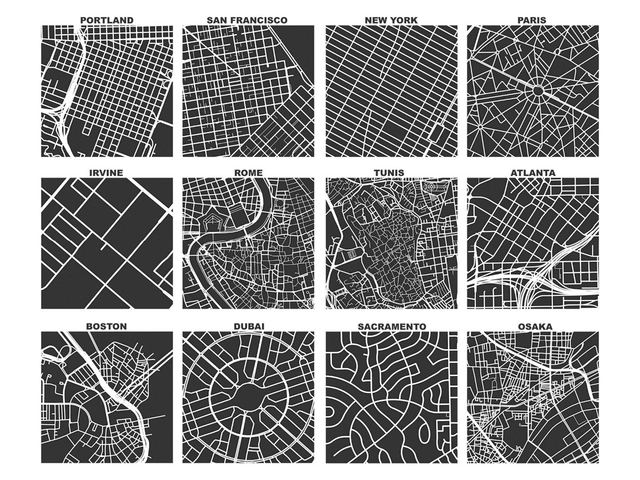
Big Data refers to data that, due to its quantity and complexity, requires specific applications in order to be processed. New trends in urbanism, data collection, and management, not to mention the development of new platforms and tools, have given rise to a new era in urban analysis, creating new resources to understand, evaluate, and manage the evolution of cities.
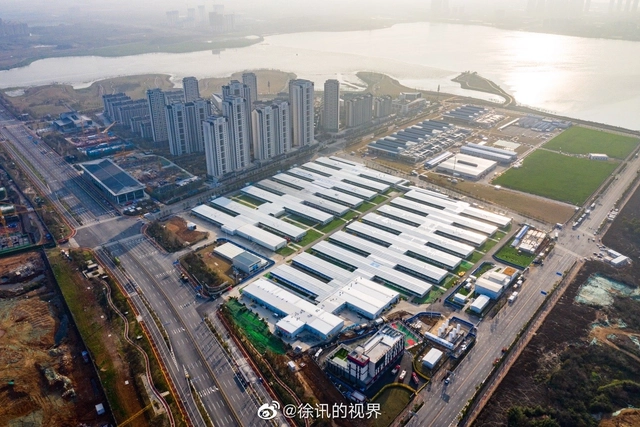
While an overwhelming majority of the world is still fighting against COVID-19, the economic and social situation in China has shown beginning signs of a return to a new normal way of life in recent weeks. In another sign of good news, the Chinese government recently announced that the two hospitals in Wuhan that were built from ground up within 10 days would close on April 15th and the remaining 30 patients will be transferred to other hospitals in Wuhan to receive further treatment. Other regions of China have followed similar steps, also announcing the closure of temporary hospitals, showing a positive sign that the COVID-19 pandemic is finally being defeated where it first began.
We've compiled a list with the temporary hospitals constructed in the first two months of 2020, designed specifically to treat patients with COVID-19 symptoms. In total, China constructed more than 30 temporary hospitals built across the country. The speed at which these medical facilities were built was achieved through the hard work of tens of thousands of people working around the clock.
https://www.archdaily.com/937579/a-closer-look-at-the-chinese-hospitals-built-to-control-the-covid-19-pandemicMilly Mo
Given the sheer magnitude and influence of its recorded history, Italy as we know it is a surprisingly young country. For centuries, the region was divided between powerful (and sometimes warring) city-states, each with their own identity, culture, and, fortunes, and influence. Some are eternally famous. Rome is a cradle of history and heart of religion; cool Milan is a hub of contemporary fashion and design; Florence is synonymous with the Renaissance and all the epoch’s relationship to the arts.
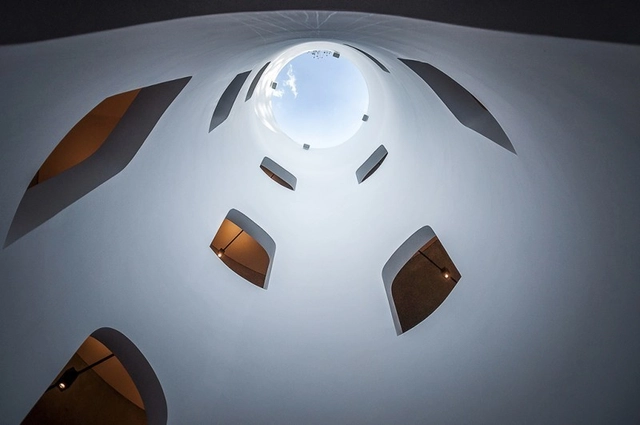
Turin’s history is arguably less romantic. The small city in Savoy, a north-Italian region bordering France, has established an identity as an industrial powerhouse. It is home to FIAT and some of Italy’s finest universities; the streets are dotted with works by Nervi, Botta, and Rossi. But despite the design pedigree, perhaps nothing better illustrates the region’s faceted history better than Castello di Rivoli.
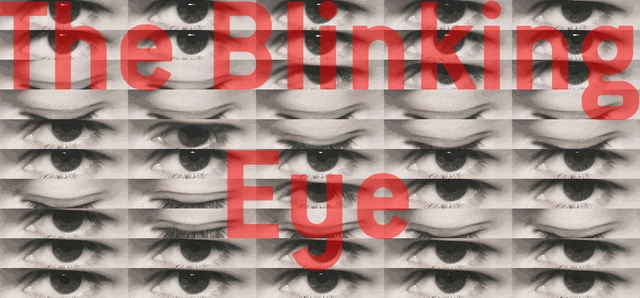
"The Blinkg Eye", Viktor Mayer-Schönberger, Karl-Heinz Machat, 2019
We are increasingly accustomed to relying on technologies to read and process data referring to the past, in order to interpret the present and predict the future. At the same time, a growing number of studies show that the number and types of variables governing our societies is in constant change. As the natural world reacts to change by experimenting with the evolution of new species that are not necessarily destined to survive, so we should take momentary distances from the deterministic application of data-driven predictions. Viktor Mayer-Schönberger and Karl-Heinz Machat propose a number of possible scenarios in which the Eyes of the City are made to blink from time to time, allowing for alternative modes of urbanity to be tried and tested. Half strategy, half tactic, these glitches offer the space in which to measure the agency of the unpredictable at various scales.
For the 2019 Shenzhen Biennale of Urbanism\Architecture (UABB), titled "Urban Interactions," (21 December 2019-8 March 2020) ArchDaily is working with the curators of the "Eyes of the City" section to stimulate a discussion on how new technologies might impact architecture and urban life. The contribution below is part of a series of scientific essays selected through the “Eyes of the City” call for papers, launched in preparation of the exhibitions: international scholars were asked to send their reflection in reaction to the statement by the curators Carlo Ratti Associati, Politecnico di Torino and SCUT, which you can read here.
The outbreak of COVID-19 has caused an estimated 900 million people around the world to remain at home. Among them are architects and designers who have been asked to work remotely to prevent the virus from spreading through the workplace. For many architects, this is undoubtedly a new territory. However, for ArchDaily, it is not, and we can assure you that it is possible not only to work from home, but to use this time to greatly enhance your skills, knowledge, and development as an architect.
https://www.archdaily.com/936082/tips-for-architects-working-at-home-during-covid-19Niall Patrick Walsh
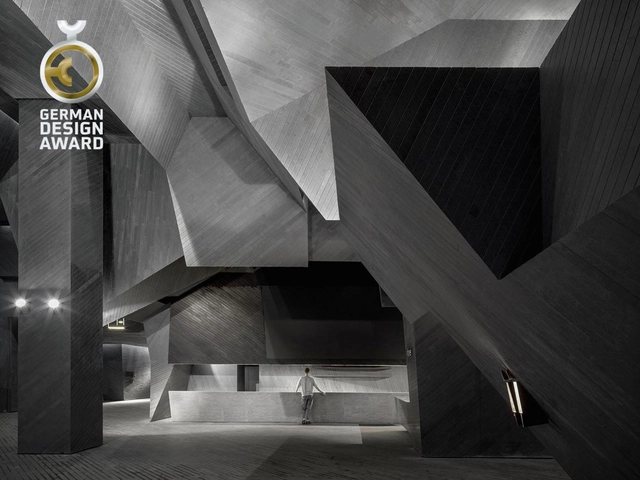
Courtesy of the German Design Council. Image Wuhan Panlong Plaza Yinxing Cinema
Design, branding and innovation are the most important factors in the success of entrepreneurial strategy, especially in times of change and crisis like the present. Receiving a renowned award is an efficient opportunity to draw attention to the recipient’s work with precise, positive messages. The German Design Awards – the international premium prize of the German Design Council – are entering the call-for-entries stage and offering winners the best-possible opportunity for publicity. They are proof of innovation capability and design expertise and demonstrate that the winners are well positioned and able to differentiate themselves through outstanding design.
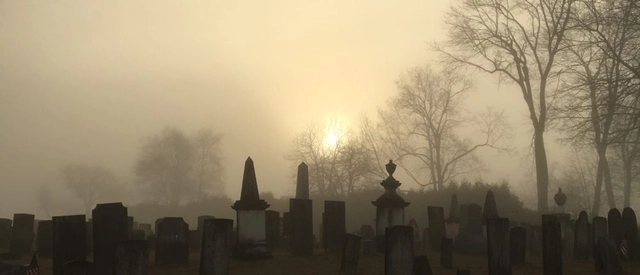
When you live in a small New England town, a cemetery is never far away. If I take an hour’s walk through local streets, I will easily pass by or through two or three. They’ve long been places of solace, peace, tranquility—even ironic hubris.
https://www.archdaily.com/937318/in-praise-of-cemeteriesMichael J. Crosbie
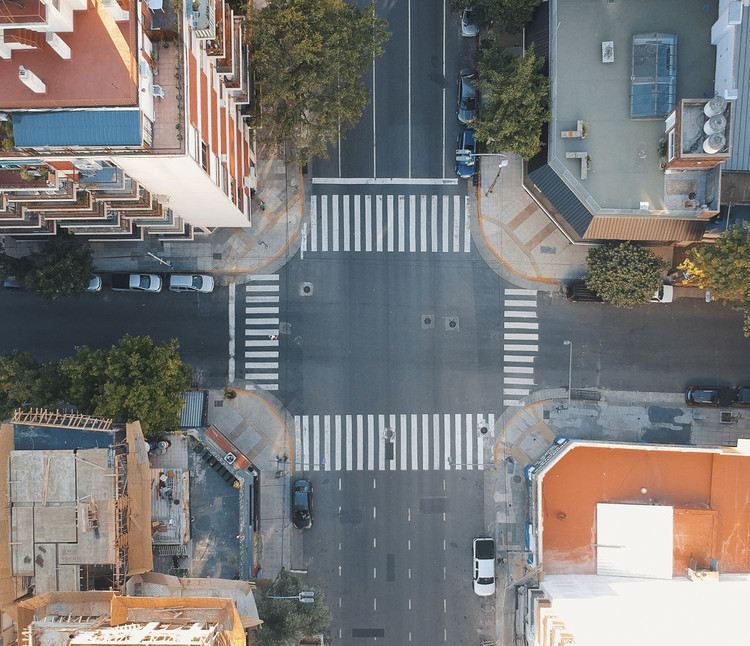
Since March 20, the Argentine government has taken drastic measures to protect the public and curb the spread of COVID-19, including mandatory social isolation. Under these measures, residents and anyone visiting the country must remain indoors and abstain from visiting public spaces until the March 31.
Perhaps nowhere are the effects of the quarantine more notable than on the streets. All cultural, recreational, athletic, and religious events have been cancelled. Public areas like plazas and parks are ghost towns. With the streets closed, balconies have become the new platforms for everything from social interactions and celebrations to protests.
Gathering the best-unbuilt architecture from our readers' submissions, this curated collection features conventional, original and innovative functions. With projects from all over the world, this roundup is a conceptual discovery of different architectural approaches.
Art takes center stage in this week’s article with a different kind of museum for Burning Man, a futuristic art center in Slovakia, a museum dedicated to writing, and the Chinimachin Museum, inspired by the urban fabric of the city of Bayburt in Turkey. Moreover, the editorial showcases integrated houses, a redevelopment of a city block in London and mixed-use projects in Ukraine and Poland. New highlighted functions include a concrete lighthouse in Greece, a retirement complex in the Rocky Mountains of Lebanon, and a thermal hotel and spa in Cappadocia.
New Generations is a European platform that analyses the most innovative emerging practices at the European level, providing a new space for the exchange of knowledge and confrontation, theory, and production. Since 2013, New Generations has involved more than 300 practices in a diverse program of cultural activities, such as festivals, exhibitions, open calls, video-interviews, workshops, and experimental formats.
New Generations has launched a fresh new media platform, offering a unique space where emerging architects can meet, exchange ideas, get inspired, and collaborate. Recent projects, job opportunities, insights, news, and profiles will be published every day. The section ‘profiles’ provides a space to those who would like to join the network of emerging practices, and present themselves to the wide community of studios involved in the cultural agenda developed by New Generations.
ArchDaily and New Generations join forces! From this month, ArchDaily publishes a selection of studio profiles chosen from the platform of New Generations.
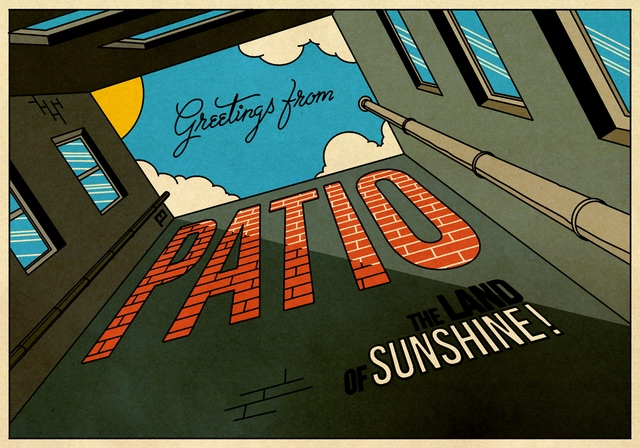
Postcards from Quarantine is a series of illustrations by Alvaro Palma y Alvaro Bernis inspired by touristic postcards that analyze the purpose of travelling and the desire to share the experience--a topic that has been brought to the forefront in times of quarantine during the COVID-19 outbreak.
In Mexico, 40 million used tires are thrown away each year and only 12% are recycled. Tires are a difficult waste product to address, due to the sheer volume produced as well as their durability and the components within tires that are bad for the environment. According to specialists, in Mexico about 5 million tires are recycled in organic products and in the cement industry.
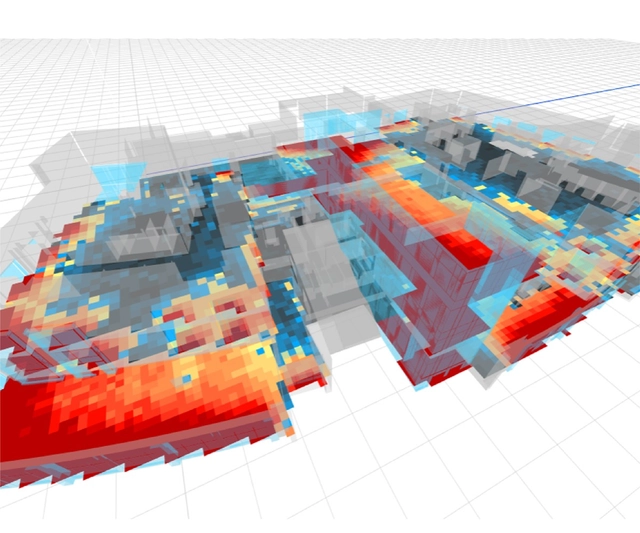
In the highly connected world we live in, technology influences and impacts almost every decision we make. Big Data, Artificial Intelligence (AI), and the Internet of Things (IoT) have enhanced our connected world and helped us understand more about the spaces we inhabit. Aside from the smart homes and smart appliances we have become accustomed to, the modern day office is being redesigned and reprogrammed to include a variety of smart technology systems. The goal of these systems is to put our offices to work and empower businesses to better understand their design decisions, real estate investments, and most importantly- their own employees.
From the famous Kitchen Debate between Nikita Khrushchev and Richard Nixon to the popularity of Henry Ford within the USSR, the hundreds of factories designed by Detroit engineer Albert Kahn for Soviet Russia, and skyscrapers erected in Moscow, the Cold War had a peculiar side to it, that is the Russian fascination with American culture and technology.
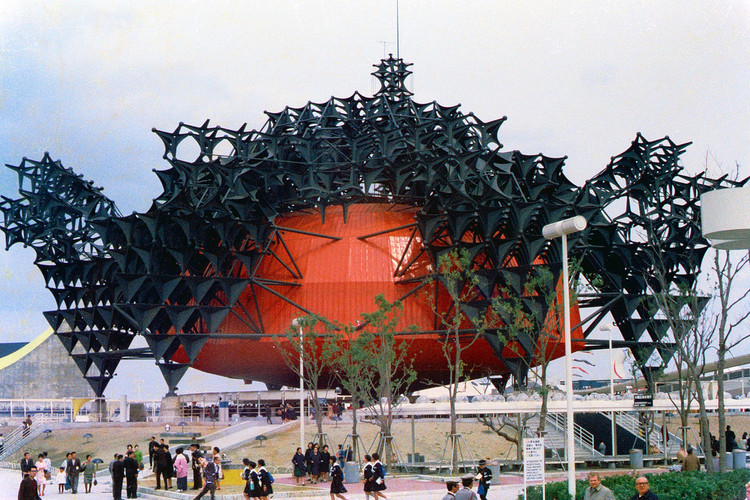
Kisho Kurokawa (April 8th 1934 – October 12th 2007) was one of Japan's leading architects of the 20th century, perhaps most well-known as one of the founders of the Metabolist movement of the 1960s. Throughout the course of his career, Kurokawa advocated a philosophical approach to understanding architecture that was manifest in his completed projects throughout his life.
A figure whose work blurred the line between the mathematical and the aesthetic, French industrial designer, architect, and engineer Jean Prouvé (8 April 1901 – 23 March 1984) is perhaps best remembered for his solid yet nimble furniture designs, as well as his role in the nascent pre-fabricated housing movement. His prowess in metal fabrication inspired the Structural Expressionist movement and helped to usher in the careers of British High-Tech architects Richard Rogers and Norman Foster.
From Wuhan to New York, the epicenter of the coronavirus is moving from east to west and leaving a staggering number of corpses behind. We read of alarming reports, contradictory news, and reminded every day that we live in unprecedented and difficult times. One good news, however: emissions in cities are on the decline, and nature is running its regenerative course. But how long will this last?
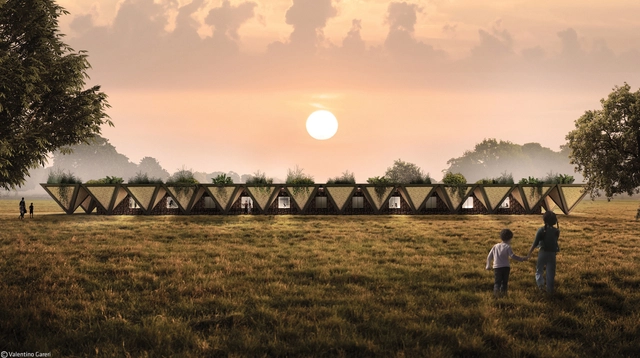
The World Bank believes that urbanization will be “the single most important transformation that the African continent will undergo this century”, with over half of the population set to live in cities by 2040. This will manifest as 40,000 people moving to cities every day for the next 20 years. While much of the architectural discourse around Africa's future focuses on cities, rural areas are often ignored. This has however been the preoccupation of Italian architect Valentino Gareri, founder of Valentino Gareri Architectural Atelier and Senior Designer at Bjarke Ingels Group.
https://www.archdaily.com/936910/in-africa-a-modular-prototype-school-combines-the-practical-and-utopianNiall Patrick Walsh
In the past, sustainability initiatives were coordinated by a few key sustainability-focused professionals in the office. These team members would take charge and corral the rest of the project collaborators in conference calls, emails chains, and boardroom meetings making sure building performance targets were discussed, decided, pursued, and implemented.
Present circumstance makes this process, which was not too efficient, very challenging to begin with. With that in mind, here are some tips from cove.tool and AEC leaders that have mastered remote work and the best ways to coordinate building performance while stuck at home.
https://www.archdaily.com/936939/5-expert-tips-to-help-you-coordinate-building-performance-while-you-are-working-remotelySponsored Post







.jpg?1548265388)
.jpg?1548265246 "Castello di Rivoli / Andrea Bruno (Refurbishment). Image © Laurian Ghinitoiu")
.jpg?1548265270 "Castello di Rivoli / Andrea Bruno (Refurbishment). Image © Laurian Ghinitoiu")
.jpg?1548265404 "Castello di Rivoli / Andrea Bruno (Refurbishment). Image © Laurian Ghinitoiu")
.jpg?1548265416 "Castello di Rivoli / Andrea Bruno (Refurbishment). Image © Laurian Ghinitoiu")
.jpg?1548265388)