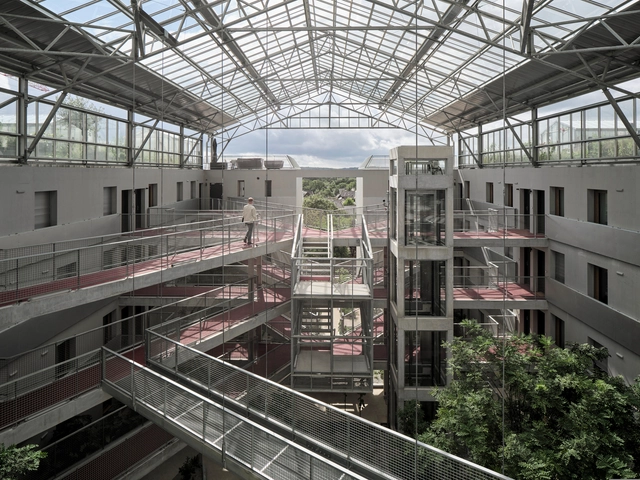
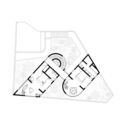
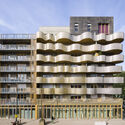
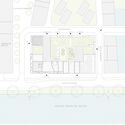
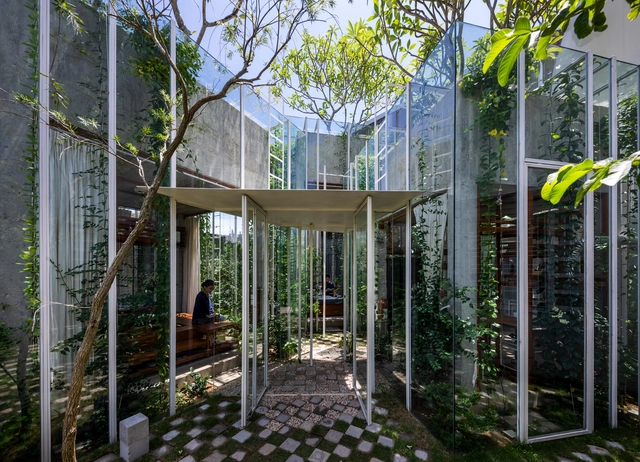
The demolition of the Pruitt-Igoe housing project will be 50 years old in 2022. Many ideas of how to live collectively have changed since then. Check out some housing projects in which the placement values encounters and community living.
The Pruitt-Igoe Housing Project, designed by Minoru Yamasaki, is considered a landmark of modernist architecture. Its high towers, inspired by Le Corbusier's Unité d'Habitation, which totaled almost 3000 units, set out to fill about half of the government-indicated housing deficit in the 1950s in St. Louis, USA. Besides the innovative architectural project, the government also bet on an interracial coexistence that involved poor and vulnerable strata of society - in the middle of the segregationist period in the United States.
2022 brought with it what is now known as the triple ‘C’ crises – COVID, Climate, and Conflict, with new environmental challenges, boiling disputes, and an ongoing health emergency, fueling a growing inequality, creating wider gaps, and contributing to more poverty. However, 2022 wasn’t only a year of difficulties, it actually opened up a closed-off world, allowing people to come together through traveling, events, and lesser health restrictions, to reflect on how to build “more resilient, sustainable, and healthy societies” that can survive current and future threats.
Always true to our vision of "empowering everyone who makes architecture happen to create a better quality of life", the 2022 ArchDaily's Best Articles selection highlights a huge spectrum of topics. Tackling past, present, and future, the themes explored ranged from the architecture of the metaverse and AI to history and theory 101, retracing stories, adjusting common misconceptions, and projecting a future that is already here. Moreover, this year, editorials offered more tips and ideas for everyone’s living spaces while also investigating the multidisciplinary aspects of the field, in order to broaden perspectives and present new notions. The very diverse ArchDaily team delved into territories, not commonly portrayed in the media, to tell the architectural story of every typology, community, and movement. Believing in contextuality and locality, inclusiveness, and leaving no one behind, our articles reflected our vision for a better world.
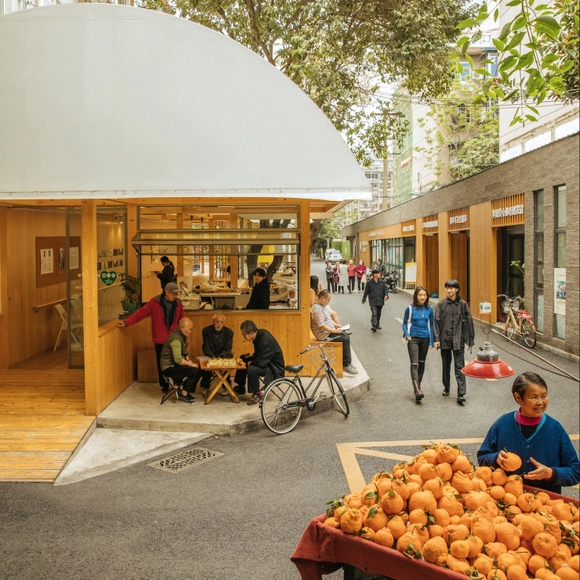
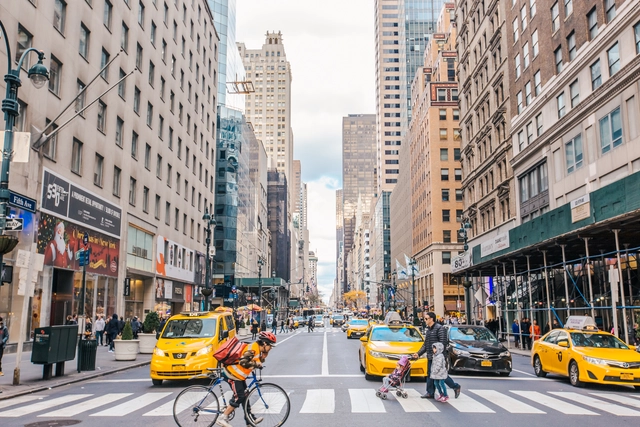
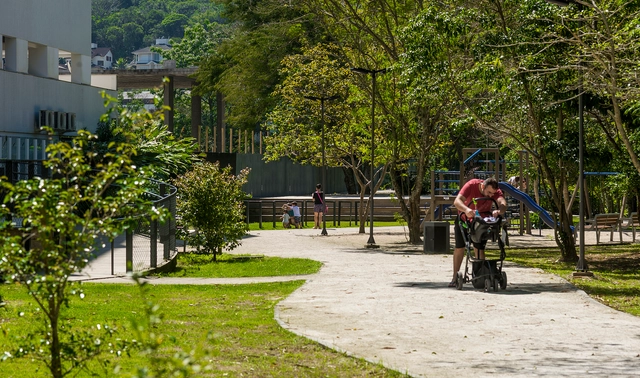
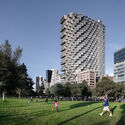
What kind of city is a people-oriented city? This is a difficult question to answer because humanistic cities evaluate the city by "people”, and people are extremely diverse, producing individual different evaluation standards. For example, a city that is friendly to car drivers, may not be so friendly to pedestrians.
Nonetheless, there is a general perception that some cities seem to be more friendly to people than others. Why is this the situation?
Every “Year In Review” assessment of anything is both myopic and timely. That being said, 2022 was a "Boom" time for architects (and the building industry in general). This snapshot will change in 2023 when this year’s manufactured interest rate jumps will crib death this short and intense boom.
But some things have more meaning than can be found in the moment. 2022 proved that the “Mad Men” model in the profession as a white male clubhouse is over. Gender and race inequalities remain in architecture, but they are acknowledged flaws in urgent need of correction. Beyond these evolutions and revolutions, a new generation of architects is changing the profession.
Meta City Hall / CAA LAB. Image Courtesy of CAA LAB
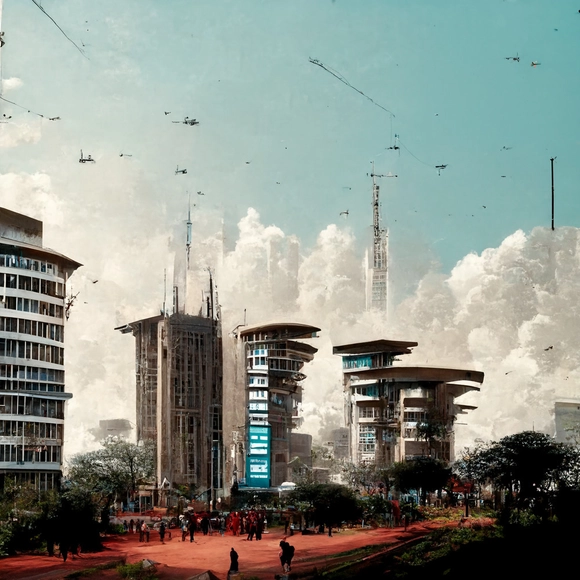
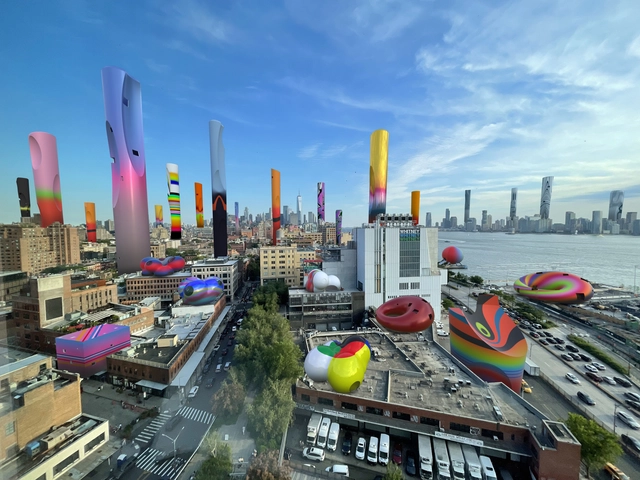
The promise of the metaverse is proving to be a fertile ground for research and experimentation for architects. This new realm is currently undefined, consisting of many narratives, explorations, and opportunities for architects and designers to shape a new type of environment. Generative engines, such as AI image-generators, are contributing to the feeling of open possibilities. While they are not yet part of the standard practice, they bring the promise of a shift in the production of architecture. Conceptual projects such as the ones presented in this list serve little to no external purpose. Still, they are essential in conducting an understanding of the possibilities of the new technologies which are likely to have a significant effect on the profession.
This week's curated selection of Best Unbuilt Architecture highlights projects submitted by the ArchDaily community that experiment with a new medium and integrate novel technologies. From abstract buildings created to be experienced through virtual reality in the metaverse to investigations into the ability of AI image generator engines to develop innovative architectural expressions and even research into planimetry, the following projects are pushing the boundary of what architecture could look like in the new age of technological developments.
Nearly 40% of the energy produced in the U.S. is used for building operations. The near-central role of buildings in the global climate and energy scenario makes it crucial for architects, engineers and building owners to take appropriate action. These stakeholders can help reduce the carbon footprint of the building through strategic design decisions.
Conventionally, the active modes of heating, cooling, ventilation and lighting utilize energy-intensive electrical processes. On the other hand, passive measures help maintain indoor thermal comfort using the inherent physical and thermal properties of the building envelope and its surroundings
Typically, a well-designed and well-operated building uses envelope-level passive measures to minimize the thermal loads first. Then, it uses energy-efficient active modes of heating, cooling, ventilation and lighting. This article highlights 4 key envelope-level passive strategies to implement for decarbonizing building systems.
The scene is almost identical, no matter which borough of New York City you’re in. Narrow sidewalks are lined by mountains of trash bags and other large objects, waiting for their turn to be taken away by the fleet of sanitary workers and trucks who will dispose of them. Large rodents seek shelter in their temporary plastic homes, feeding on discarded scraps, becoming a regular sighting for New York City residents. The City That Never Sleeps has a bigger problem than the flashing lights and noisy streets- it’s all of the trash that’s left to sit out on the sidewalks.
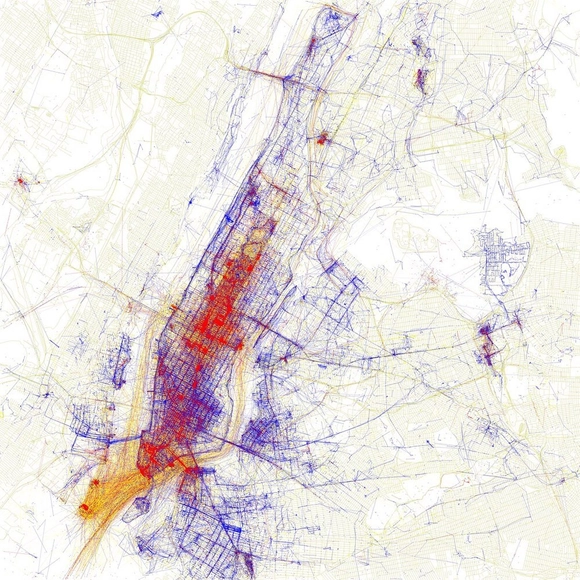
Cartography, or map making, has played a critical role in representing spatial concepts for thousands of years. While the earliest forms of maps displayed geographic information carved into clay tablets and etched onto cave walls, the maps we use today have significantly evolved to creatively show a range of different information. These visualizations draw conclusions about population sizes, historical events, cultural shifts, and weather patterns to help us understand more about our world and how we impact it.
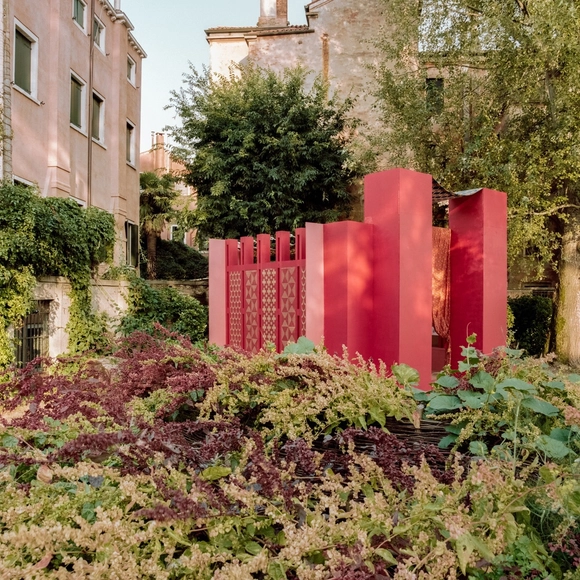
Studio NYALI / ArchiAfrika Pavilion at the 2021 Venice Biennale. Image Courtesy of Studio NYALI
From the Tbilisi Architecture Biennial to the Sharjah Architecture Triennial, architecture exhibitions are ever-increasing fixtures on cultural calendars around the contemporary world. New editions of architecture exhibitions rest on a foundation propagated by exhibitions of the past – and these historical expositions, to a great degree, have shaped the architectural discourse we have today. But as these exhibitions were born out of a western framework, African historical representations on the biennial and triennial architectural stage have often been reductive, with an assortment of cultures flattened into one, and distinct architectural styles meshed in an incoherent manner.
Created by the American architect Ron Mace in the 1980s, the concept of Universal Design deals with the perception of the projects and environments that we design and inhabit, considering the possibility of its use by different user profiles: from children to the elderly, including language limitations and people with disability or temporary limitations.
Japanese architect and theorist Arata Isozaki, winner of 2019's Pritzker Prize, passed away at the age of 91. Since the 60s, Isozaki has been showing outstanding innovative ideas in his works, influencing eastern professionals with a forward-thinking approach that takes its roots from Japan. In a special tribute to the architect's achievements, ArchDaily highlights the immense list of Arata Isozaki’s projects and recreates the architect's professional development path since his very first works.
In the 19th century, many Americans living in up-and-coming cities and towns oftentimes found themselves strolling through the winding paths of curated gardens, stopping to rest under the shade of a tree and share a picnic with family and friends. Dotted across the grassy areas were headstones, marking the burial locations of those who were laid to rest. While the concept of relaxing in a graveyard seems a bit taboo in the present day, it was sometimes the only option for people to find space for recreation and leisure and was one of the earliest examples of a public park. Many of the parks we have today were actually caused by the evolution and planning of historic cemeteries.
2022 has again resulted in diverse coverage on ArchDaily in an eventful year, from speculating on building materials of the future to analyzing the narrative role that architecture plays in literature. A selection of articles from this year is found below, organized into four over-arching topics.
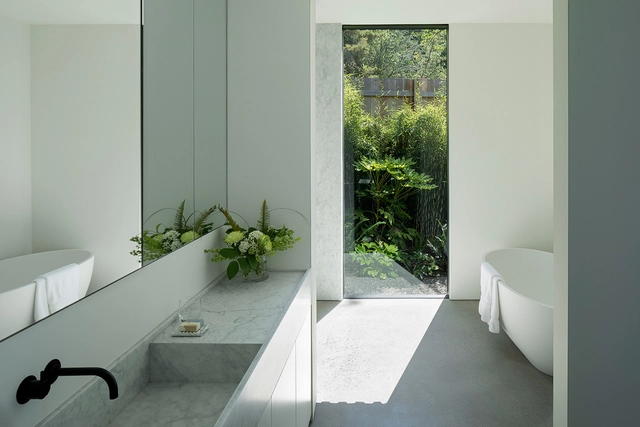
Indoor landscaping can be possible in different ways. Bringing greenery into indoor environments has demonstrated several beneficial factors for the quality of space and its users. Living rooms and offices usually have a dedicated space for plants, but this is not always the case for bathrooms. Therefore, we have listed some ways to bring vegetation to this often underestimated room.
One of the first decisions to be made when designing a house is where to place it on the site. Whether it's a large or small plot, house placement impacts the architecture of the building itself and its relation with the neighborhood. Therefore, it must be carefully thought out and designed.
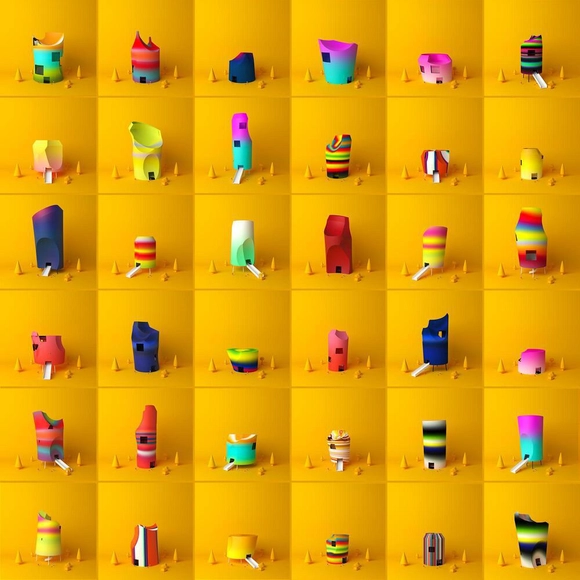
The promise of the metaverse, this new type of three-dimensional and immersive digital space, is proving to become more and more appealing to architects eager to explore the new realm of virtual creations. As it currently stands, the metaverse does not have a singular definition but is composed of many narratives and explorations. This unknown land is however fruitful ground for architects, who have to opportunity to shape not only the new environment but also the experiences of future users. The SOLIDS project represents one response to these conditions. Developed by FAR, an architect and engineer working with digital environments, SOLIDS uses a generative process to design unique, metaverse-compatible buildings.
Photo by Rihards Sergis, via Unsplash. Editing: ArchDaily
TikTok is a social network for sharing short videos that offers extensive features to edit them. It is possible to include filters, subtitles, soundtrack, gifs, make cuts and use creativity at will. As with Instagram and Twitter, you can follow other people's profiles and interact, liking their posts, making comments and even sharing via WhatsApp.
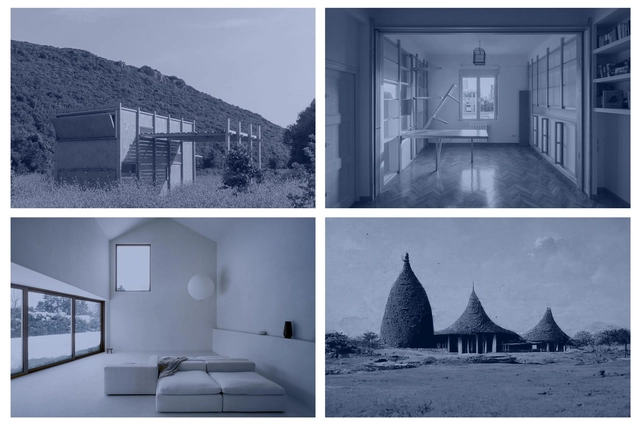
As 2022 winds down, ArchDaily brings together the highlights of architecture in a series of retrospectives. As part of this effort, the Projects Team turns to one of the most popular categories among readers—residential architecture—with the objective of gathering the houses that represent the best of a vast world of architectural production according to our worldwide audience.
The new technologies of the digital world caused changes in architecture and urbanism. New materials, new construction techniques, and new ways of manufacturing and building have changed how we design and think about construction. Besides, these technologies reveal possibilities of interaction between society and architecture, transforming the understanding of architecture and its purpose.
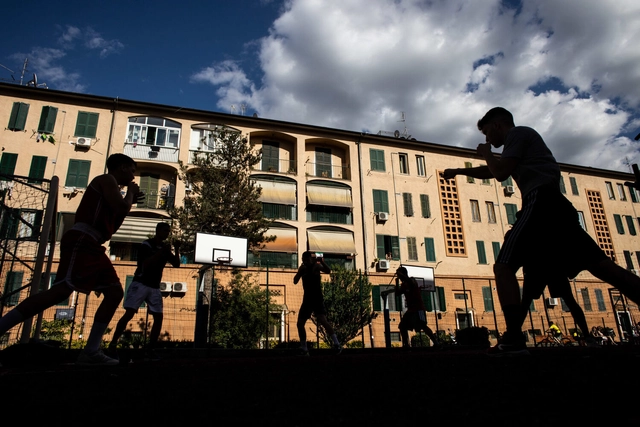
On first impression, Quarticciolo is a handsome district in Rome. A human-scaled public housing complex comprising red and yellow midrise buildings arranged around internal courtyards and gardens. Designed by architect Roberto Nicolini during the Fascist regime, this village feel isn’t found in the massive postwar residential schemes elsewhere in the capital. Like other rationalist architects, Nicolini was inspired by the ancient city. Basing the layout on a classical orthogonal grid pattern, he allowed just one tall structure, the Casa del Fascio (the Fascist party headquarters), a fortress tower that looms over the main square. Most of the buildings were constructed between 1938 and 1943 to house a working-class population that was forcibly moved from Rome’s historic center to the outskirts to make way for Mussolini’s grand public works.
https://www.archdaily.com/994464/rebuilding-and-destigmatizing-romes-quarticciolo-neighborhoodMarina Engel
We have reached the end of 2022 and it is time to review the most important milestones of the year on ArchDaily. This time, we searched for the photos that were the most liked on ArchDaily's Instagram.
https://www.archdaily.com/994082/the-2022-most-liked-photos-on-at-archdailys-instagramArchDaily Team
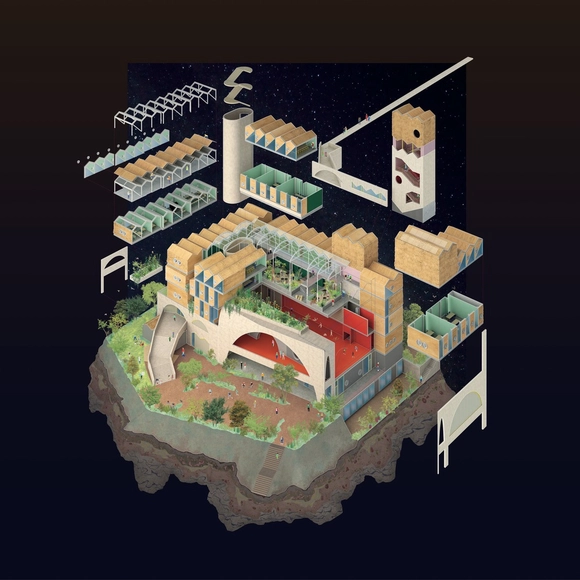
Every year, ArchDaily honors the best architectural drawings of the year in an annual tradition that has now been going on for eight years. The 2022 edition is particularly special, as it showcases a wide range of techniques and representations in the field of architecture. From traditional painting to digital collages and axonometric drawings, this year's selection truly has something for everyone.
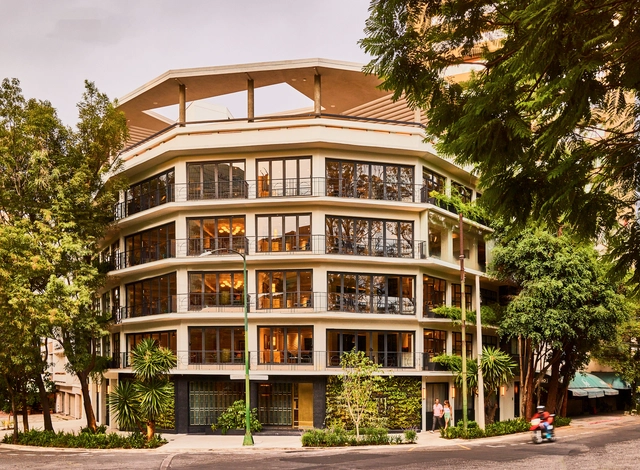
As part of a new concept that offers a proposal of tourism and rest, in an art deco building, Campos Polanco opened its doors in September of this year. Located in front of the Garden of the Republic of Lebanon on one side of the Chapultepec Forest in Mexico City, the project puts in place 12 suites created for executives and digital nomads looking to get away from chain hotels to immerse themselves in the local culture in one of the most exclusive areas of the city.
From its outer skin to its structural framing system, a building is made out of many layers. Just like a human body, many of those layers – which tend to be the most crucial, functional components – remain unseen by the public, covered with aesthetic features. Among all the hidden elements, all buildings include sheathing, the outer casing that construction crews place to serve several key purposes: protect the floor, walls, roofs and ceilings, fortify the structure against internal and external forces, and cover the entire framework, giving the building a solid shape.
Wood is the most common material for sheathing, with Oriented strand board (OSB) panels usually being the top choice. Why? Made by compressing and gluing cross-oriented strands of wood together with heat-cured adhesives, OSB boards are lightweight, flexible, strong, versatile and fully recyclable. They also stand out by resisting deflection, warping and distortion, apart from offering some thermal and acoustic insulation. However, besides their good performance and mechanical properties, OSB is especially known for being cheaper than other alternatives, drastically saving both costs and time. In fact, this structural panel can be $3 to $5 less expensive than plywood, which explains why it is often considered its low-cost substitute.