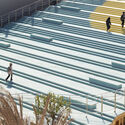
A project can be drawn in broad strokes, but it's built in details. Simple as it may seem, a staircase involves a significant degree of engineering. Some are noticeably more tiring, or more difficult to climb and descend. To address this, in the 17th century, architect François Blondel proposed a formula to ensure the ideal proportion between riser and tread, an equation that, when respected, offers a comfortable path. But there's another equally decisive factor: all steps must be identical. This may sound trivial and logical, yet executing anything with precision is always a construction challenge. Our bodies quickly adapt to the dimensions of the steps, and any variation (even minimal) can lead to repeated stumbles or missteps. A seemingly insignificant detail, when poorly resolved, can compromise the well-being and safety of an entire building.
Touted as the new era in construction, Building Information Modeling (BIM) has captured global attention with its promise of seamless coordination, trimmed budgets, and newfound efficiencies. Yet in India's construction landscape, the adoption of technology tells a more nuanced story about cultural barriers and technical limitations.
"The bigger barrier isn't the technology but rather the planning culture," explains Rahul Bahl Managing Director of Krishna Buildestates Pvt Ltd, highlighting what may be BIM's most fundamental challenge in India. "BIM requires that every detail be finalized before construction begins, from electrical switch locations to final finishes. In India, we often break ground with just the shell resolved and spend the next several months value-engineering as we go."
The 19th International Architecture Exhibition of La Biennale di Venezia features a notable presence from the SCI-Arc community, including students, alumni, and faculty. Their work appears across a range of contexts—from national pavilions to independent installations and research projects—engaging critically with this year's theme, Intelligens. The exhibition offers a compelling platform for exploring questions central to SCI-Arc's pedagogy: the future of design, the role of technology, and the possibilities of architectural experimentation.
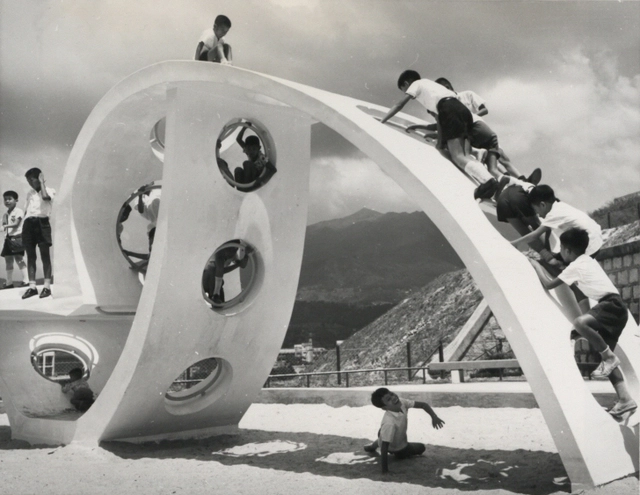
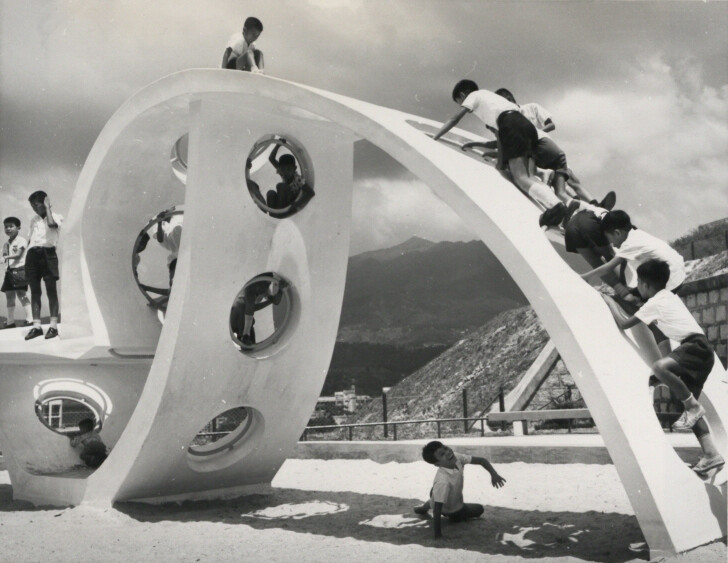
When we think about cities and urban life, we often focus on infrastructure, culture, commerce, nightlife, and density. In metropolises where there seems to be an endless array of activities—especially for adults—play rarely enters the conversation. Yet, the act of playing should be considered a vital part of urban life. Play directly influences how we shape our future cities—starting with how children engage with their environments. The experience of play, and more specifically, the design and presence of playgrounds, leaves lasting impressions on how young people grow up in cities. These spaces form a child's first, physical connection to the urban landscape. In this way, play deserves far more attention in conversations around urban wellness, livability, and the design of public space.
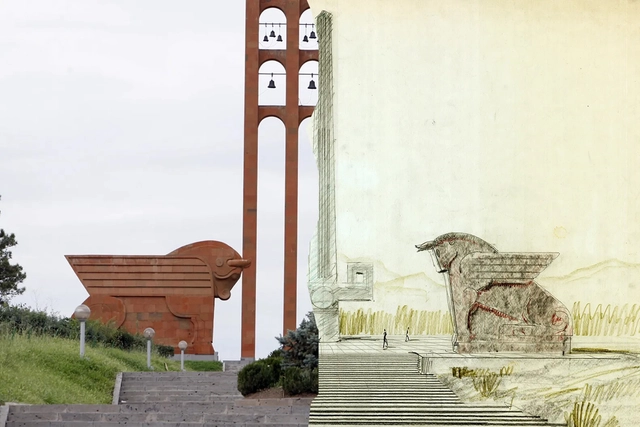
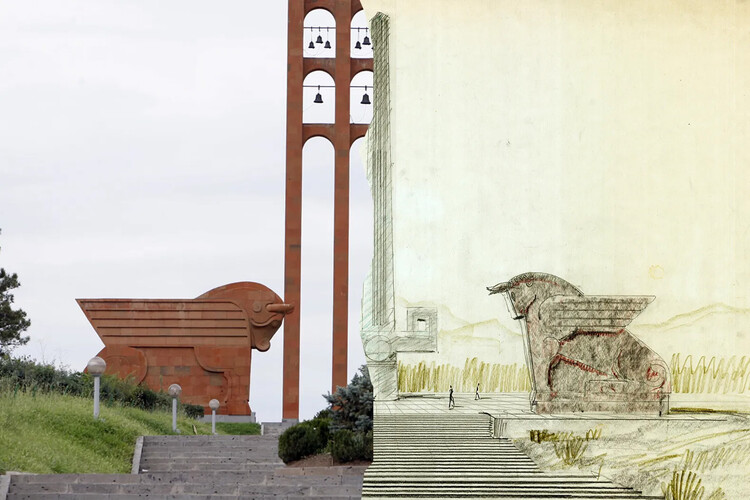
The Sardarapat Memorial and the architect's original sketch. Image via risraelyan.com/en/, courtesy of Aram Ghanalanyan
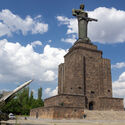
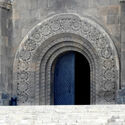
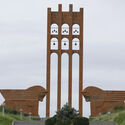
In a time when much global architecture can feel disconnected from local identity, the work of Rafayel Israelyan stands out for being rooted in place, culture, and memory. Working in mid-20th-century Armenia, Israelyan created architecture that is more than functional or monumental; it is culturally resilient. His use of traditional Armenian motifs, materials, and symbolic forms gave his designs a second life after the fall of the Soviet Union, when many buildings across post-Soviet states were abandoned or demolished. Armenia, by contrast, preserved many of his works, likely because their design approach not only served a specific moment in time, but also told a larger story. Long before concepts like sustainability or critical regionalism became popular, Israelyan understood that buildings gain meaning and endurance when they reflect the specific identity and characteristics of their place.
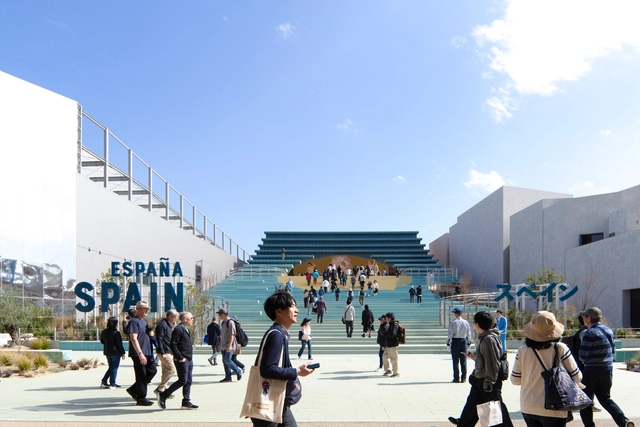
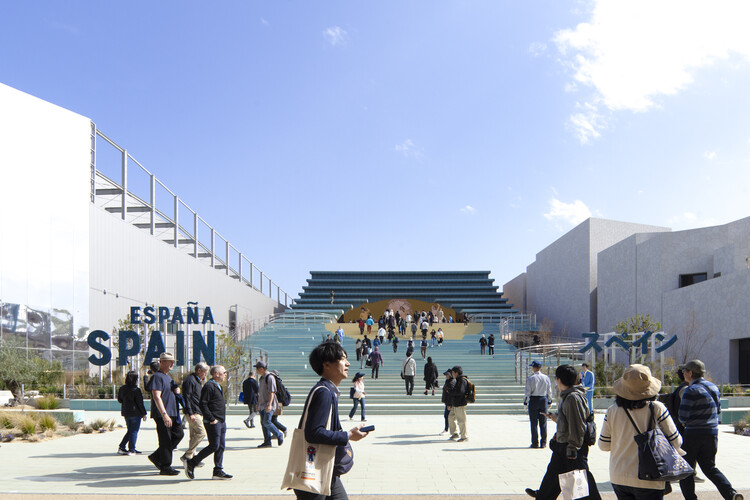
Since its opening in April, Expo Osaka has welcomed millions of visitors from around the world, standing as a true showcase of innovation, architecture, and design. Among its highlights is the Grand Ring, designed by Japanese architect Sou Fujimoto, considered the largest timber architectural structure in the world. Under the theme of Expo 2025 — “Designing Future Society for Our Lives”, along with Saving Lives, Empowering Lives, and Connecting Lives — more than 150 countries have used their pavilions to address key topics in contemporary architecture, such as circular construction, cultural memory, and innovation and technology aimed at shaping a sustainable built environment for the future.
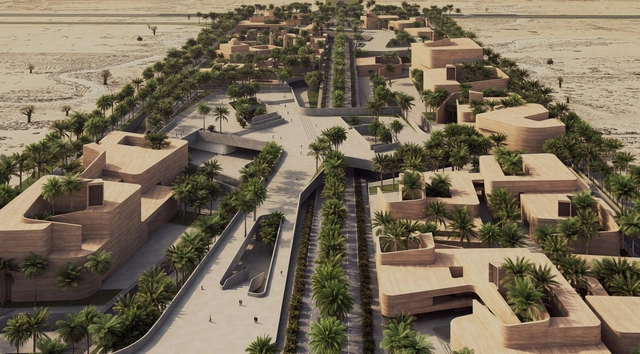
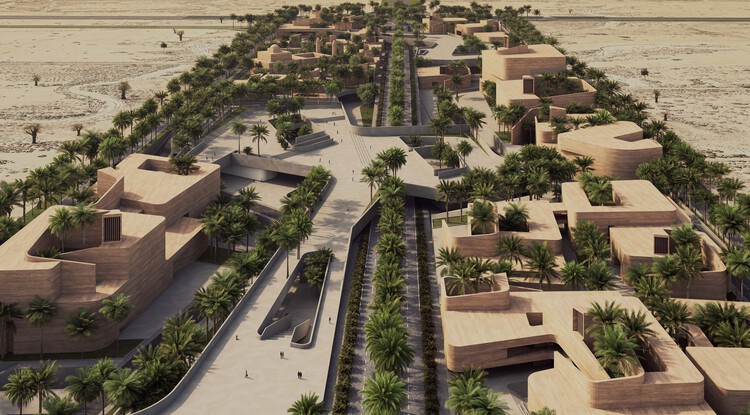
In today's architectural discourse, masterplanning is increasingly recognized as a means to reconcile growth with long-term social, cultural, and environmental priorities. Beyond organizing buildings and infrastructure, these large-scale proposals aim to regenerate urban fabrics, adapt historic or underutilized sites, and establish frameworks for inclusive and resilient communities. Submitted by the ArchDaily community, the projects featured in this edition of Unbuilt Architecture highlight how masterplans can respond to contemporary challenges while preparing cities for an uncertain future.
Spanning diverse geographies, from Europe to the Middle East and the Americas, the selected projects reinterpret industrial complexes, cultural sites, and residential neighborhoods through strategies that prioritize sustainability, mobility, and collective identity. Many share a focus on regenerative design: reopening historic canals, creating climate-adapted public spaces, and introducing green corridors and community hubs to reconnect people with their environments. Together, they showcase how masterplanning is evolving into a critical tool for rethinking how cities grow, adapt, and sustain civic life.
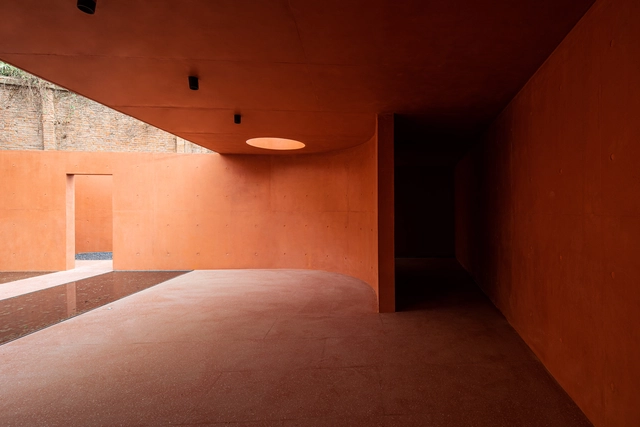
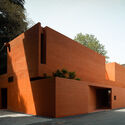
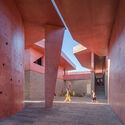
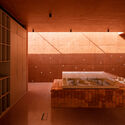
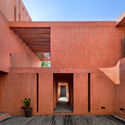
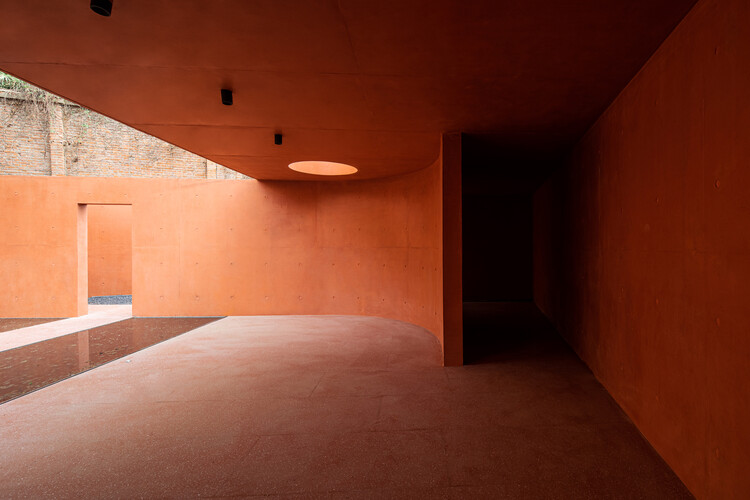
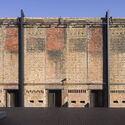
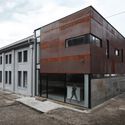
Concrete is often seen as the material of modernity, defined by its structural strength, raw finish, and unmistakable gray tone. It became the default palette of 20th-century architecture, a symbol of functionality and permanence. Yet, concrete is not bound to this chromatic identity. Its color is a byproduct of the cement, aggregates, and chemical composition used in its mix, and it can be intentionally altered through pigmentation. Among the many hues explored, red stands out — not only for its visual intensity, but for its ability to root buildings in place, evoke cultural references, and imbue architecture with a material presence that feels both elemental and expressive.
Pigmenting concrete involves the addition of mineral-based colorants — usually iron oxides — during the mixing process. Unlike paints or coatings applied to the surface, these pigments are integrated directly into the concrete mass, ensuring the color permeates the material and remains stable over time. Red pigments in particular are often derived from iron oxide (Fe₂O₃), a naturally occurring compound found in clay, hematite, and other iron-rich minerals. Their deep, earthy hue connects contemporary construction with ancient techniques — from Roman pozzolana mortars to the red earth buildings of West Africa and South America.
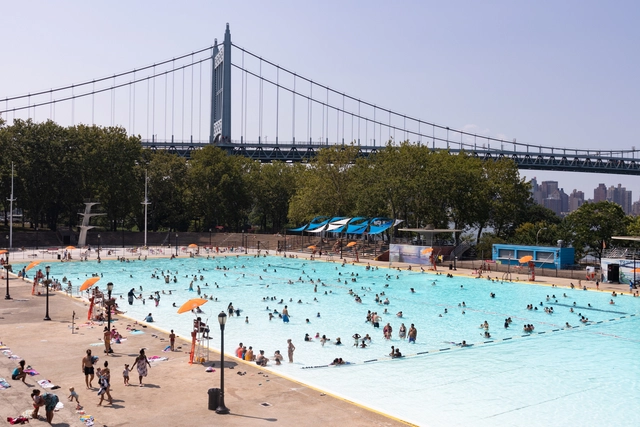
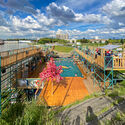
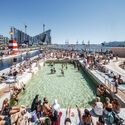
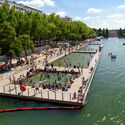
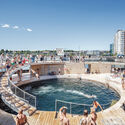
When one thinks of public spaces, the image of a pool rarely comes to mind. Public spaces are the center of civic life, places where most interactions, activities, and behaviors follow strict social and cultural norms to ensure the safety and comfort of all users. In contrast, swimming and bathing represent something more intimate and primordial, a sensorial experience distinct from any other. In addition to the health benefits, the act of floating in space creates a break from everyday life and its constraints.
As social spaces, public baths, and pools offer an even more unusual experience. Here, regular conduct rules and norms no longer apply. Social nudity becomes the new norm, and, as people strip off their clothes, they also lose their status markers, transforming the pool into an egalitarian oasis. Across history, these often-discredited spaces offered a heightened social experience, fostering connections and bringing a new element to dense urban environments. As a typology present since antiquity, public baths and pools have also been a disputed space, as a manifestation of difficult topics such as gender and racial segregation, gentrification, and surveillance in contrast to the freedom they promise.
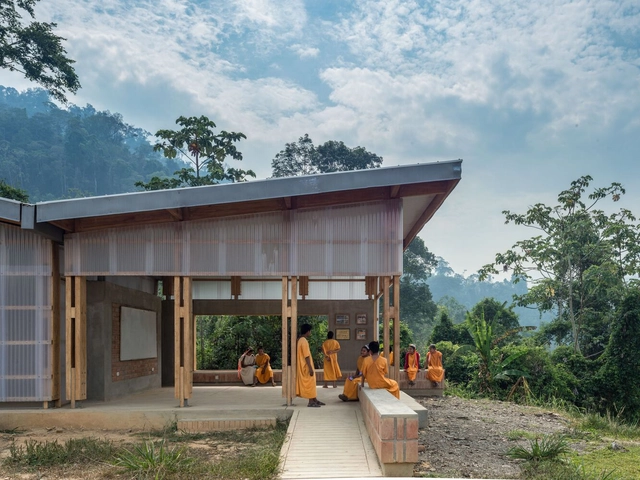
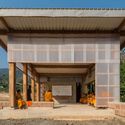
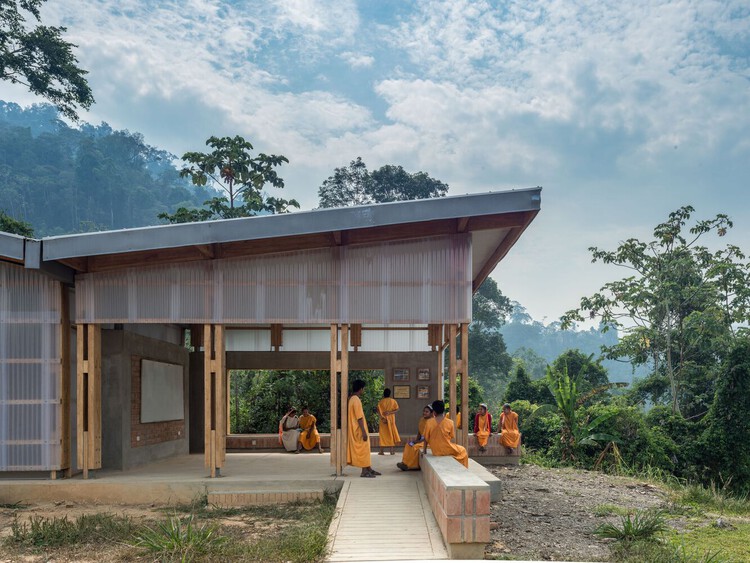
The countryside—long underestimated—is now emerging as fertile ground for possibility. More than a “marginalized space,” rural Latin America today asserts itself as a true laboratory for architectural, social, and ecological experimentation. From agroecological communities to low-impact technologies, from relationships between humans, machines, and other living beings to locally grounded solutions for global challenges—such as the climate crisis, food security, and migration—the rural world is actively and inventively reshaping its own future.
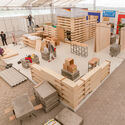
From the field of architecture and construction, the concept of material reuse is closely tied to circular economy and the reduction of carbon footprints, paving the way toward a more sustainable and responsible future. By incorporating recycling practices, recovery, restoration, and/or the reuse of demolition materials, resource efficiency along with the reduction of energy consumption makes it feasible to experiment with techniques, applications, and new materials that honor the memory of spaces while also bringing new life to both interiors and exteriors.
Born and based in the Transylvanian region of Romania, Maria-Cristina approaches architecture with a rich, multifaceted perspective shaped by a diverse academic and professional journey. Holding master's degrees from UTCN and KU Leuven, she has combined rigorous architectural training with a broad curiosity that spans both the creative and analytical aspects of the discipline. Early in her career, she worked in small and medium-sized architecture offices, gaining valuable practical experience, before transitioning into editorial work at ArchDaily in 2022. Since then, she has advanced to Managing Editor, all while pursuing a Ph.D. in architectural studies and serving as a teaching assistant, reflecting her deep commitment to both practice and scholarship.
Maria-Cristina's approach to architecture is rooted in an understanding of its complexity and diversity. She sees architecture not as a fixed definition but as an evolving field where structures, physics, materials, aesthetics, philosophy, and human experience intertwine. Her interest in editorial work grew from this worldview, discovering that writing and designing share parallels: both involve constructing ideas that connect and support one another, much like the elements of a building. Through this lens, she finds joy in crafting essays that communicate complex ideas clearly and simply, emphasizing the uniqueness of concepts rather than words.
What does it mean to build with care, using what others leave behind? This question shapes the work of the Matter Matters Lab, an initiative founded by architect and researcher Catherine Söderberg Esper during the isolation of the pandemic. Drawing from experiences across cultures and motivated by a personal transformation during motherhood, Catherine began to investigate everyday waste as raw material for regenerative construction systems. Her first experiment involved gluing her own cut hair using white glue, initiating a radically intimate and handmade approach. Since then, the lab has focused on transforming organic waste into low-impact architectural materials, inspired by Indigenous knowledge systems and aiming to break from extractive models in construction. Projects like the Avocado Bricks, made from discarded avocado seeds, exemplify this approach of local, circular, and rooted in the idea of reciprocity between matter, place, and care, offering a new way of building with waste.
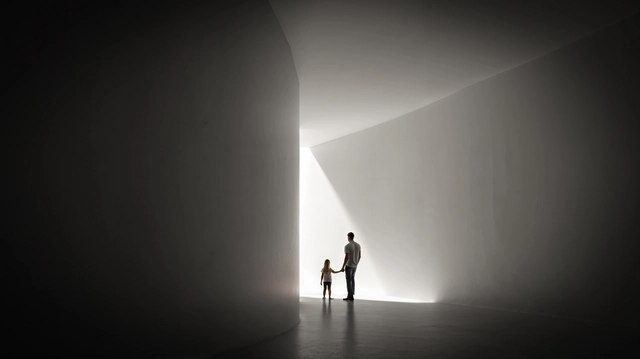
The Museum of Emotions is an annual international design competition that tasks participants with exploring the extent to which architecture can be used as a tool to evoke emotion. The brief calls for the design of a conceptual museum with two exhibition halls: one designed to induce negative emotions; the other designed to induce positive emotions. Participants are free to choose any site of their liking, real or imaginary, as well as choose the scale of the project. The meaning of 'positive' and 'negative' is up for interpretation: What two emotions might a designer consider contrasting? How might an architect conceive spaces which elicit fear, anger, anxiety, love or happiness?
The Museum of Emotions is a 'silent' competition: that is, participants must communicate ideas without text, and must use imagery alone. No form of text, whether design descriptions, annotations or even diagrammatic labels, is permitted.
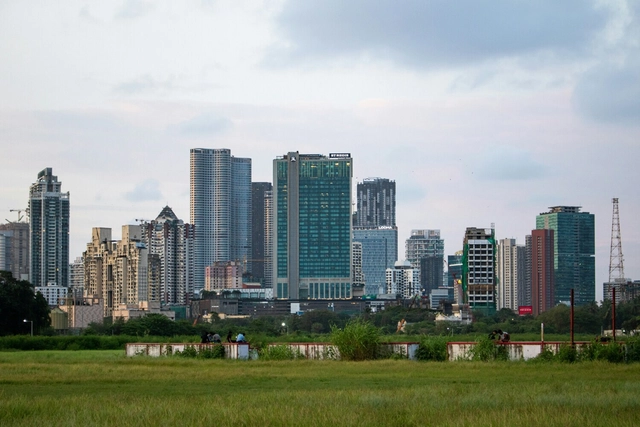
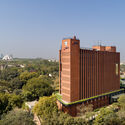
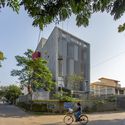
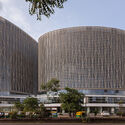
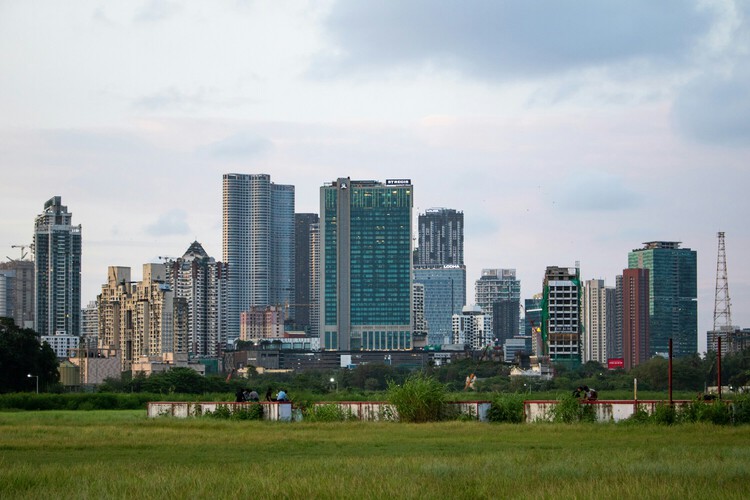
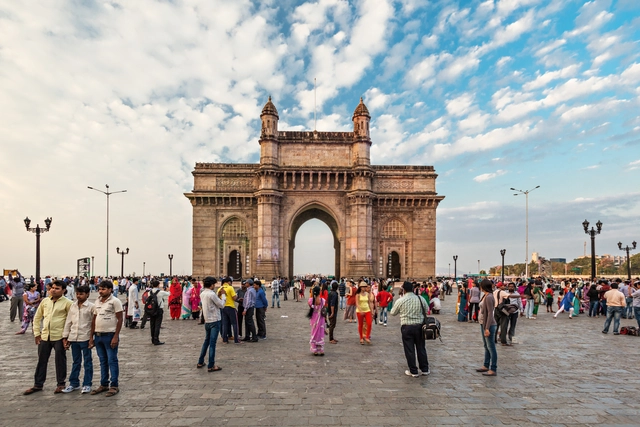
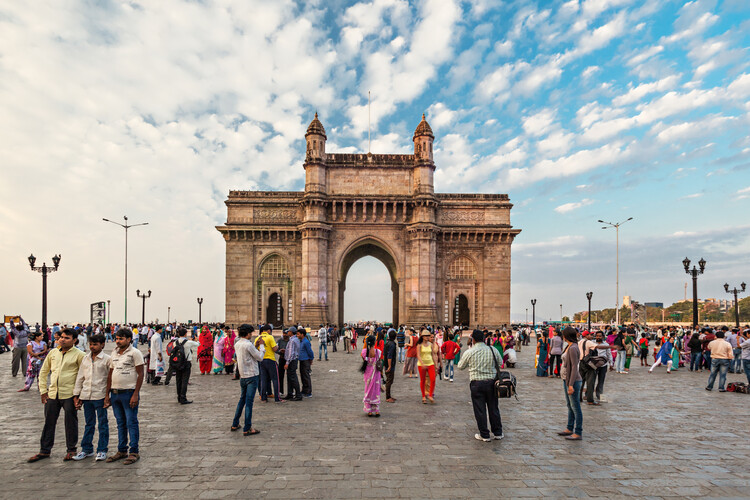
Heritage preservation and economic viability have long been treated as competing priorities in urban development. Architects typically face a stark choice - to design for community continuity or design for financial returns. Contemporary projects in Mumbai render this binary false. Through strategic programming, material choices, and spatial organization, architects enable buildings to generate sustainable revenue while strengthening, rather than displacing, existing communities.
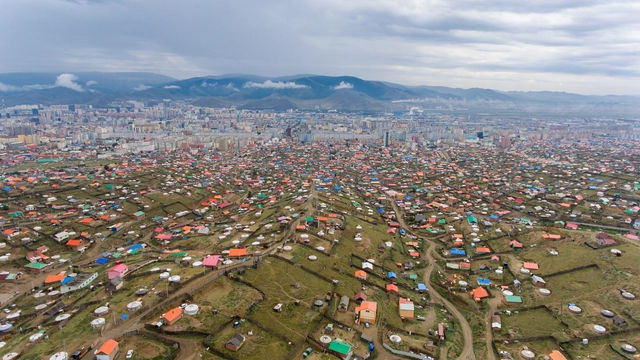
Mongolia, the world's second-largest landlocked country, spans 1.5 million square kilometers. Yet, over 50% of its population—approximately 1.7 million people—reside in Ulaanbaatar, a city that occupies just 0.3% of the nation's total land area. This disproportionate population concentration has led to significant regional development imbalances and mounting urban challenges in the capital.
In response to these issues, Ulaanbaatar has undergone a series of comprehensive urban development initiatives. Since the first master plan was introduced in 1954, six such plans have been created. The latest, the Ulaanbaatar 2040 Master Plan, includes a strategic vision to decentralize urban growth through the development of two new satellite cities—one of which is the Hunnu City project.
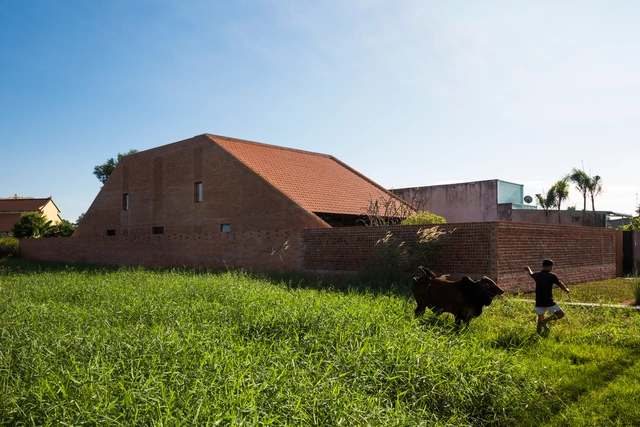
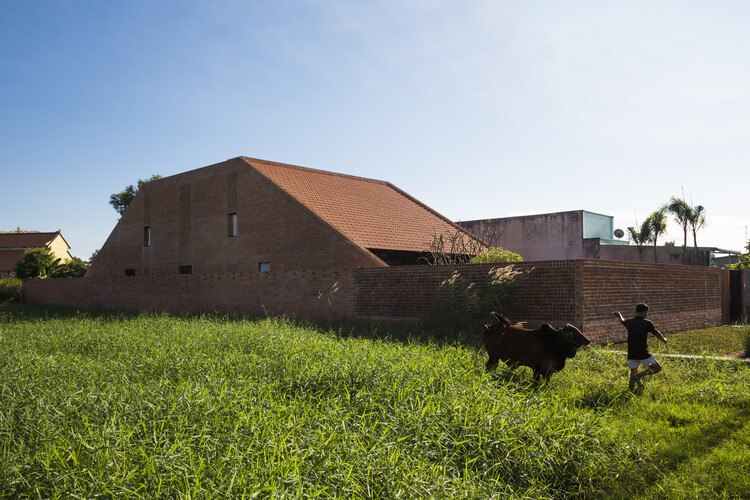
Red clay roof tiles appear in many architectural traditions around the world, despite the cultures being geographically or historically distant. However, this isn't necessarily surprising. Clay is an abundant and accessible building material worldwide, with some studies and other sources suggesting it comprises approximately 10-13% of the Earth's soils. Red tiles, in particular, are often a product of the local soil's mineral content and the firing process. Their widespread use across unrelated regions is less about shared cultural influence and more about material logic: clay is cheap, durable, and easy to work with using simple tools and techniques. In Vietnam, for example, there is a unique and visible tradition of clay tile use that dates back centuries. Regions like Vinh Long, nicknamed the "kingdom of red ceramics", have an abundance of this material, supporting a long history of tile-making. In some parts of Vietnam, these tiles are known as Yin-Yang tiles, due to the concave and convex shape in which they are formed during production.