Facing the current and accentuated global challenges, we ask ourselves: What should we address first?
2020 was a tremendous opportunity to focus all our efforts and attention on the most urgent issues of architecture. Through articles, interviews, debates, and projects, ArchDaily's Topics presented each month an in-depth response to the most relevant problems - from the climate crisis and emergency architecture to artificial intelligence and How Will We Live Together.
A single, continuous line unbroken by handle rotation: such was the simple, yet difficult-to-execute design concept motivating Zaha Hadid Design’s new innovative door handle. The result is a beautifully molded sculptural yet ergonomic design, playfully balancing form with function.
https://www.archdaily.com/954138/seamlessly-continuous-nexxa-a-new-door-handle-by-zaha-hadid-designLilly Cao
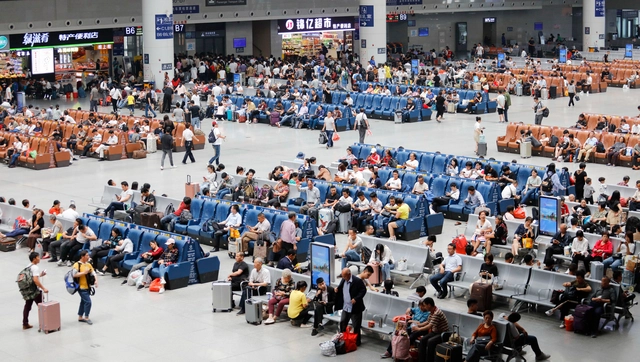
Pretty much everyone hates waiting rooms. Here are four statistics about them from a survey administered by Software Advice, an Austin, Texas-based consultation group: 80% of respondents said being told the accurate wait time would either completely or somewhat minimize their frustration; 40% said they would be willing to see another physician if it meant a shorter waiting time; 20% would be willing to pay an extra fee for quicker service; and 97%—virtually all of us!—are frustrated by wait times. And now, waiting rooms, in addition to being some of the dreariest places on earth, have become one of the easiest places in the world to get sick.
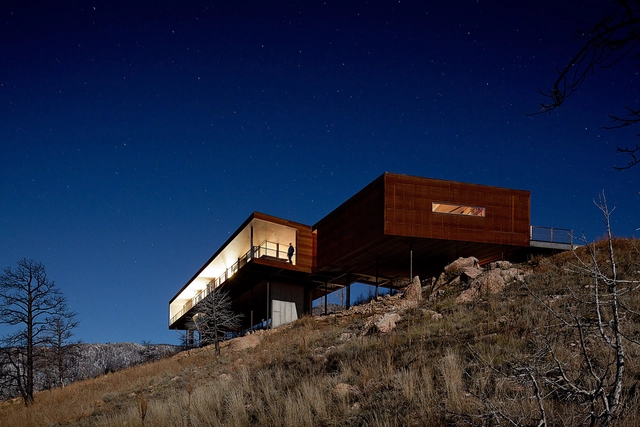
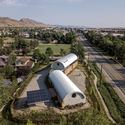
Straddling the foothills of the Rocky Mountains, the city of Boulder has become an iconic destination in Colorado. Widely known for its rock formations, the Flatirons, Boulder holds an innate connection to the mountains and surrounding landscape. Believed to have taken its name from Boulder Creek, the city has a rich history dating back to gold miners and the introduction of new railroad lines in 1873. Today, Boulder is a thriving center for education, art, and environmental stewardship.
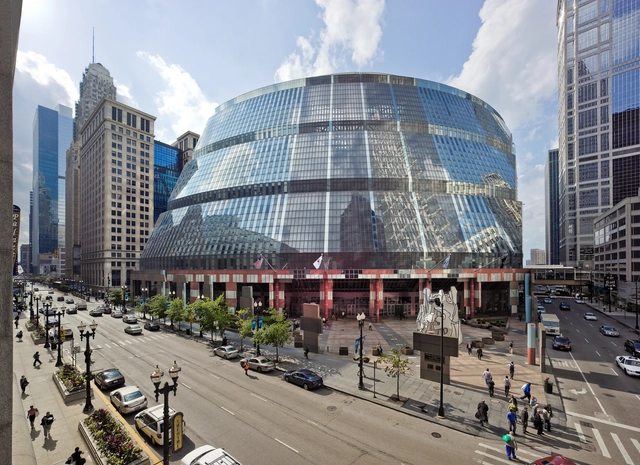
Every city has its odd building. Paris has Centre Pompidou. London –Lloyd’s of London. New York –the Guggenheim. Naturally, Chicago, the architectural capital of the world, has one too. Here it is –James R. Thompson Center, named so in honor of four-term Illinois Republican Governor (1977-91) who was brave enough to get it built in 1985. Home to offices of the Illinois state government the building is unlike anything you have ever seen before.
2020 has fundamentally changed our spatial routines and the current health crisis brought about a significant amount of speculation regarding how our daily lives will unfold onward. With the year coming to an end, we look at how the pandemic accelerated some architecture trends that were already underway, and how it brought into question other well-established ideas.
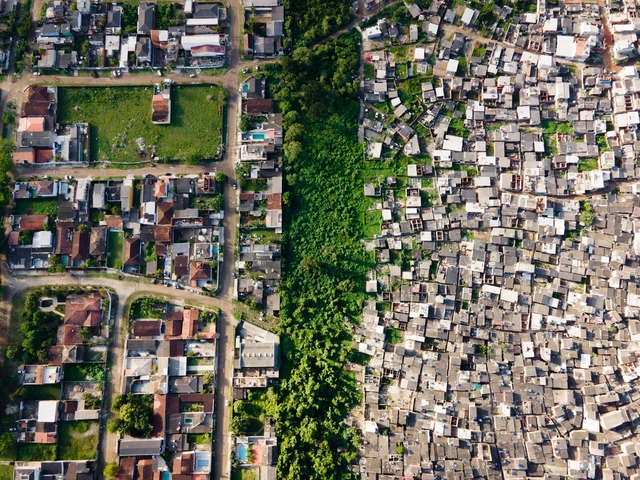
Most people are familiar with the concept of social and economic inequality, but although it affects a large part of the world's population, it is still somewhat abstract for many people. Photographer Johnny Miller intends to make it visible through his project Unequal Scenes, capturing images of spatial inequality from a very revealing perspective: aerial imagery.
The project started in South Africa, a country that is socially and spatially marked by apartheid, and now has been taken to Brazil to document scenarios in which extreme poverty and wealth coexist within a few meters, showing how distance is not only a measurement of physical length but can also imply more complex aspects, deeply rooted in our society.
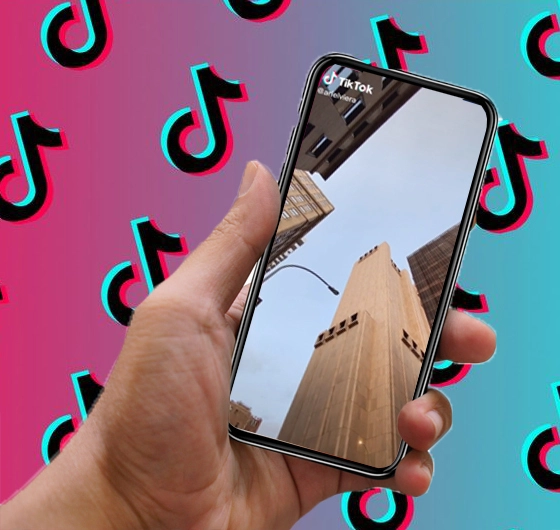
In a world that was once so obsessed with architecture that was “for the ‘gram”, the rise of TikTok is creating a shift in how we experience and consume architecture. It's no small trend either, nearly 950 million TiKTok videos utilize the hashtag #architecture, frequently to describe buildings in various cities or a specific architectural style that the video creator is familiar with. Does this mean that the era of the "instagrammable building" over, and is TikTok the new way to connect across generations and locations to explore the possibilities of architecture?
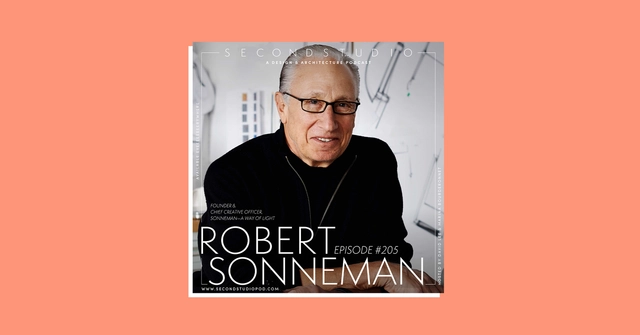
The Second Studio (formerly The Midnight Charette) is an explicit podcast about design, architecture, and the everyday. Hosted by Architects David Lee and Marina Bourderonnet, it features different creative professionals in unscripted conversations that allow for thoughtful takes and personal discussions.
A variety of subjects are covered with honesty and humor: some episodes are interviews, while others are tips for fellow designers, reviews of buildings and other projects, or casual explorations of everyday life and design. The Second Studio is also available on iTunes, Spotify, and YouTube.
This week David and Marina are joined by Robert Sonneman, Founder and Chief Creative Officer of SONNEMAN—A Way of Light, to discuss his design process, his relationship to architecture, contrivance in design, how business school informed his success, technology's impact on lighting design, responding to design trends, working with younger generations, the value of design, the necessary transitions for his company to continue after him, simplicity, and more.
https://www.archdaily.com/954108/robert-sonneman-if-youre-looking-at-architecture-trends-then-you-are-yesterdays-newsThe Second Studio Podcast
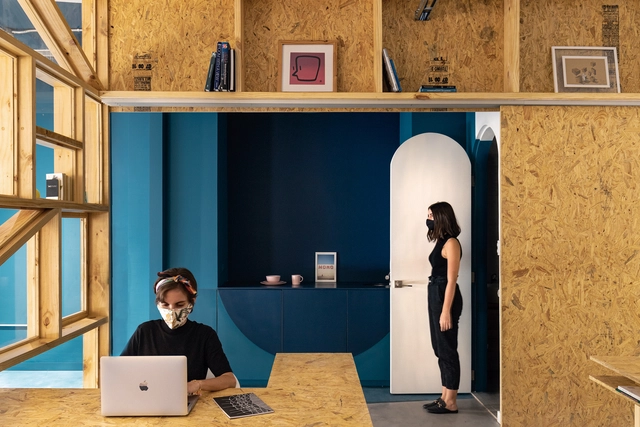
Architectural projects may not always have empty plots - with their countless possibilities - to work with. Adapting pre-existing buildings to new demands is a challenge that requires a different approach.
Refurbishments, extensions, and renovations can be used to meet the constantly evolving needs of the inhabitants, either the original residents or the newcomers.
With over 280k followers on Wechat, a Chinese social media platform, ArchDaily has become the most influential architectural media across the Chinese community. Throughout 2020, more than 9.2million audiences has gained insights on the architectural news from all around the world via the official account named 建日筑闻(ADCNEWS). With restriction of buiding residential houses in China, the Chinese audience shows strong preference towards cultural architecture and urban renovation. As a review of the most popular projects we post in 2020, we've round up the 10 most shared projects on our Chinese platform in 2020.
https://www.archdaily.com/953865/the-10-most-shared-projects-in-at-adcnews-wechat-in-2020Milly Mo
Going out twice per month, our curated selection of Best Unbuilt Architecture submitted by our readers highlights inventive conceptual approaches and designs. Showcasing projects from all over the world, this article puts together several programs, from houses to master plans. Moreover, it presents winning proposals from international competitions, buildings in progress, and creative concepts.
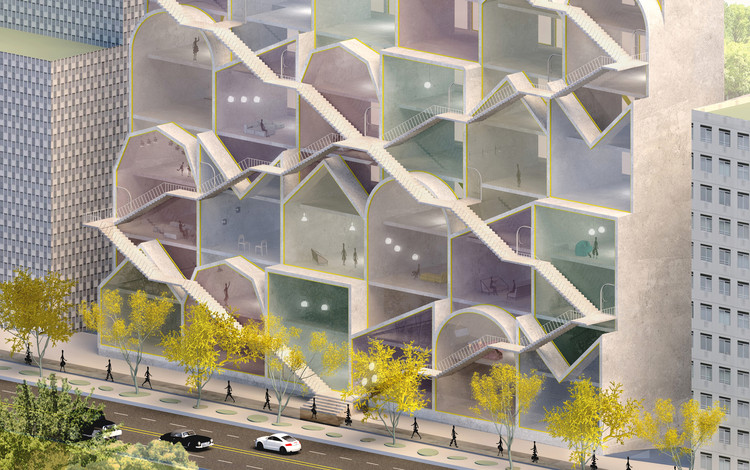
In the housing category, the roundup features an underground bunker-like house plan in Ukraine, a suspended glass structure cabin in Portugal, a complex of residential units in France, and a site-less, style-inclusive reinterpretation of the vertical housing block. In addition, a playful commercial building in Iran, a WWI memorial in Serbia, and an extension for the Glasgow School of Art join the selection, with their imaginative architecture and out of the box ideas.
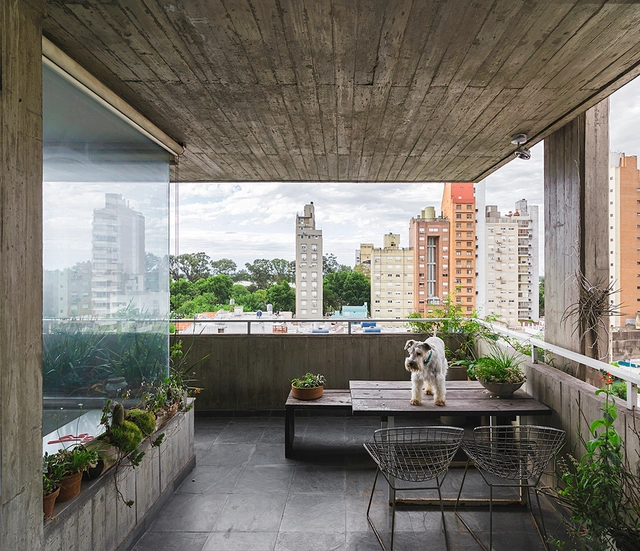
It's safe to say that concrete is one of the most utilized construction materials in large-scale architectural projects. In Argentina, the use of concrete to construct high-rise apartment buildings offers a variety of advantages, especially when it comes to durability and the time it takes to build. This has made it the go-to material for many architects.
Scale dramatically shapes how we experience architecture and the built environment. Whether looking at buildings by volume, square area or height, the larger a project gets, the greater our perception changes. Monumental projects tell incredible stories of spatial experience, programming and design. Towering above us and around us, these large-scale works become landmarks in rural and urban contexts.
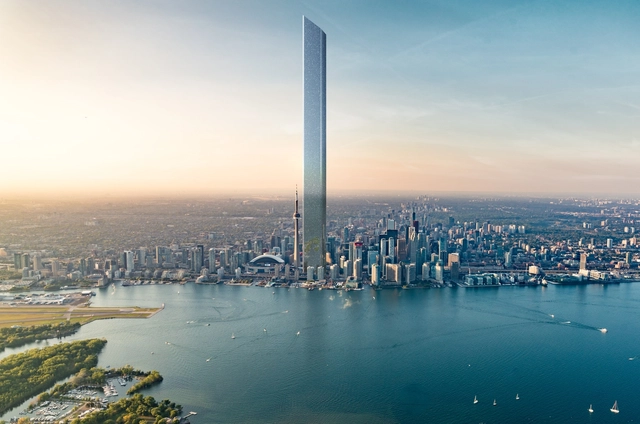
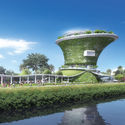
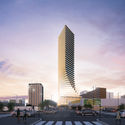
This week’s curated selection of the Best Unbuilt Architecture focuses on large-scale architecture located around the world. Drawn from an array of firms and local contexts, they represent proposals submitted by our readers. They showcase a wide array of approaches to designing at larger and larger scales, from an expansive arena in Vienna and a lush memorial in Singapore to the world's tallest tower designed to draw attention to poverty in Toronto.
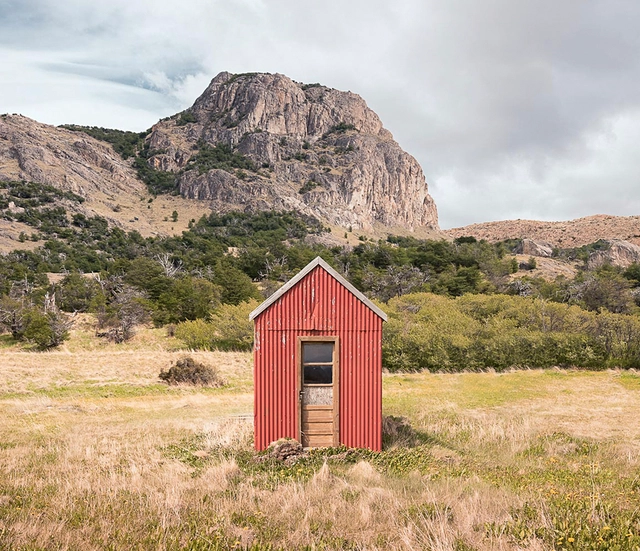
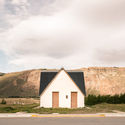
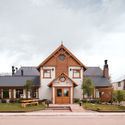
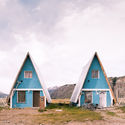
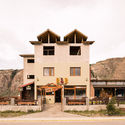
Argentina's Patagonia region is a vast swath of land that spans the provinces of Chubut, Neuquén, Río Negro, Santa Cruz, Tierra del Fuego, and even parts of La Pampa, Mendoza, and Buenos Aires. Although it is the largest region within the country, it is also the least populated and, therefore, markedly rural and isolated. This isolation forms the basis for Thibaud Poirier 's“Houses of Patagonia”, where he offers a visual registry of the houses found throughout the region in an attempt to capture the similarities that define the region's architectural style.
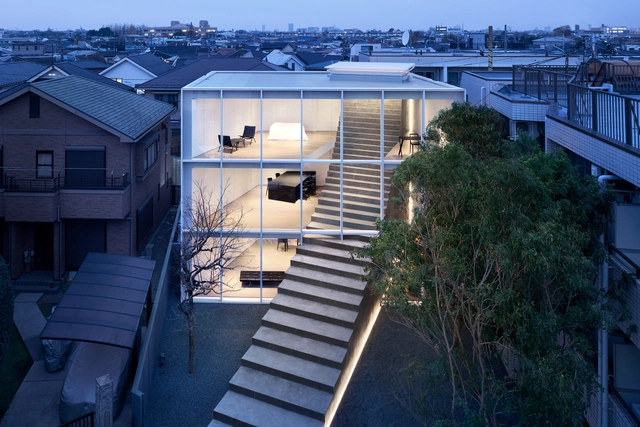
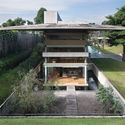
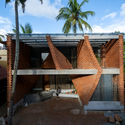
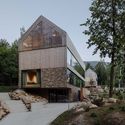
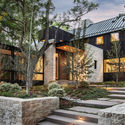
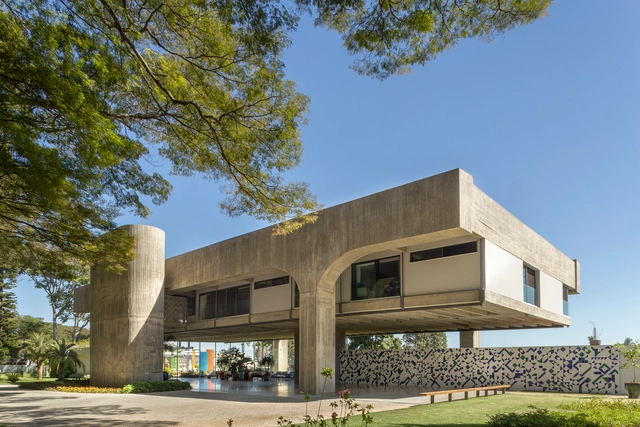
Residential architecture is one of the most popular categories among our readers. During 2020 we’ve published more than 2,000 houses, featuring projects from different regions of the world and offering a variety of solutions, materials, contexts, environments, scales, and typologies. Providing a broad source of inspiration for those seeking references for their own residential project.
Below you will find the 20 most-visited residential projects featured on ArchDaily during 2020. This selection represents the best content created and shared by the ArchDaily community over the past 11 months.
Videos
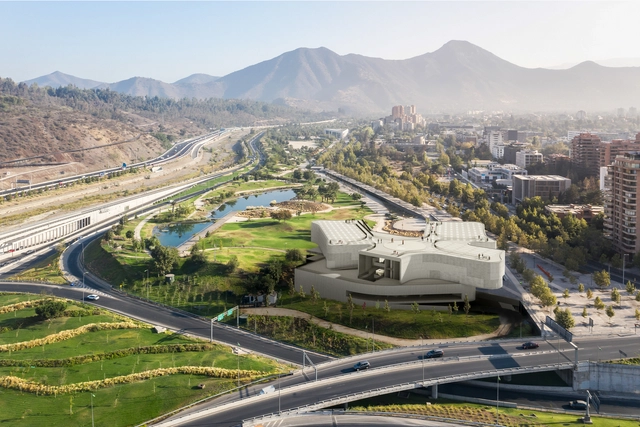
First Place: Cristián Fernández. Image Courtesy of Fundación Engel
The team led by Chilean architect Cristián Fernández has won the National Architecture and Landscaping Competition for the New Museum of Santiago (NUMU, Nuevo Museo de Santiago), a cultural project that will house the Fundacion Engel art collection in the Bicentennial Park in Santiago, Chile.
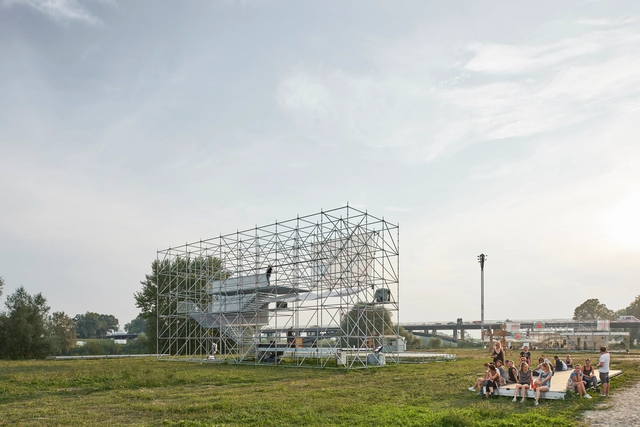
Little has been said about the contribution of scaffolding to the history of construction. These structures are generally treated as mere equipment and, as a result, their records are very scarce. Without scaffolding, however, it would be almost impossible to construct most of the buildings we know. Scaffolding allows workers to reach and move materials at difficult points in a construction, providing safety and comfort. But in addition to its role as a support structure for buildings, we have also seen that scaffolding can be used for mobile, temporary, and even permanent structures. Below, we explain its history and possibilities for use.








_Del_Rio_Bani.jpg?1608748851 "Superblock of Sant Antoni. Image © Del Rio Bani")







_B.jpg?1608618979&format=webp&width=640&height=580)
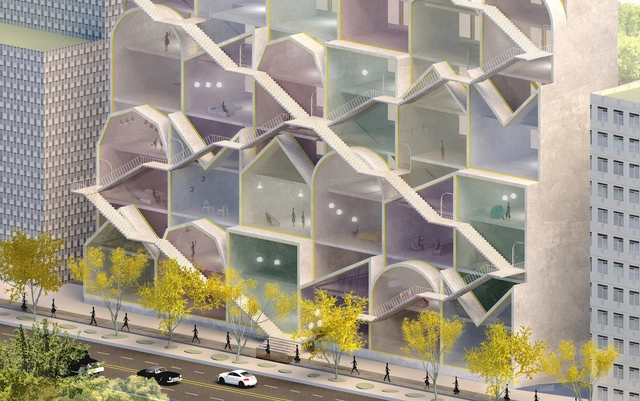

.jpg?1594806627 "Glasgow School of Art Extension . Image Courtesy of Barry Wark Architecture")
.jpg?1594808114 "Underground House Plan B . Image Courtesy of Sergey Makhno Architecs")