Designing resilient cities combines practical solutions with innovative ideas. Interdisciplinary global firm HKS is working to bring these ambitions to life with researchers, urban designers, nurses, anthropologists, graphic designers and more. Viewing design as a process of discovery, three directors at HKS are leading how cities explore research, equity and integration to create more resilient futures.
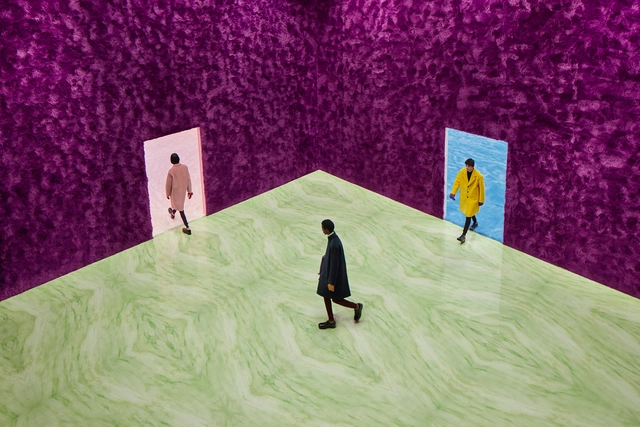
Responding to the challenge of designing a space for the launch of the Prada FW Menswear 2021 Collection by Miuccia Prada and Raf Simons, Rem Koolhaas and AMO have designed four connected geometric rooms that allow for the continuous circulation of the models showcasing their different garments. The general theme of the design centers sensory stimulation. Like the designs presented, the materials used and their distribution throughout the space speak of a more intimate connection with our surroundings, reminding us that fashion and architecture are more than just a functional container; they are an opportunity to actively excite and provoke our senses.
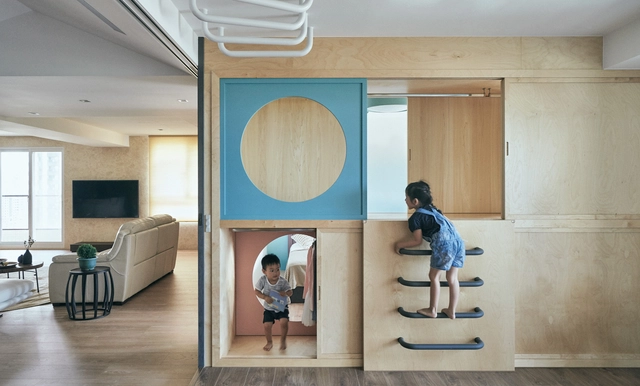
Maria Montessori began to develop her educational method at the beginning of the 20th century. In general terms, the method is a scientific pedagogy that promotes an education that positively contributes to the development of children's brains, respecting their individuality and stimulating their autonomy, self-esteem, and self-confidence.
Although the method was created in the last century, science is currently beginning to test much of the information investigated by Maria Montessori. For this reason, it is increasingly being applied to architecture for children’s educational spaces, improving the quality of children's learning and development and providing them with better tools for their future lives.
Most of the practicing architecture is drudgery, and this is rather unfair. As students, architects are given thoughtful prompts about the built environment and its big questions, as well as sole creative reign to answer those questions. That is the only time in the architect’s life when this is the case, and in many ways, this does not adequately prepare the architecture student for the world of architecture, which is a world of drudgery. In reality, architects are not heroes.
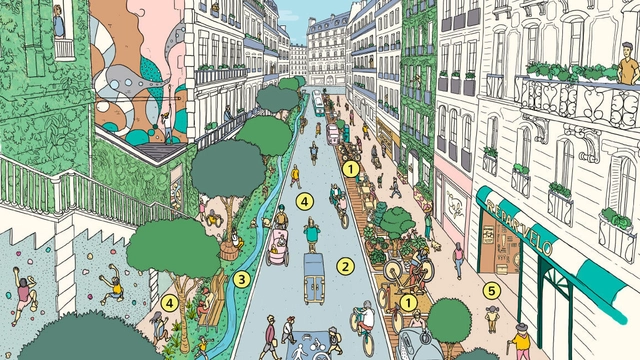
Think about the city or town where you live. How long does it take you to get to the grocery store on foot? Is your school or work close enough to walk to? What about a public park, a doctor’s office, a daycare, or any other places that you visit on a daily basis? While some cities have already considered what it means to live near all of these necessities, others are revamping their urban planning strategies and designing their neighborhoods to be more pedestrian-friendly with the concept of a “15-Minute City”.
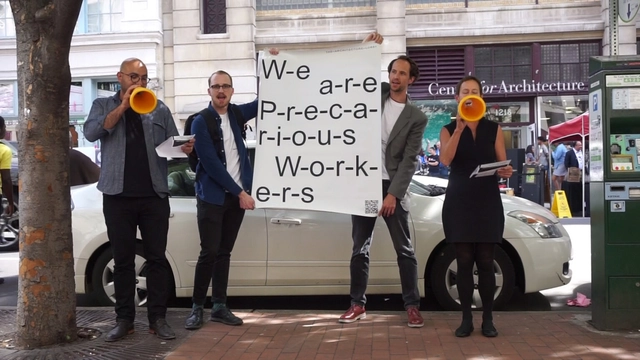
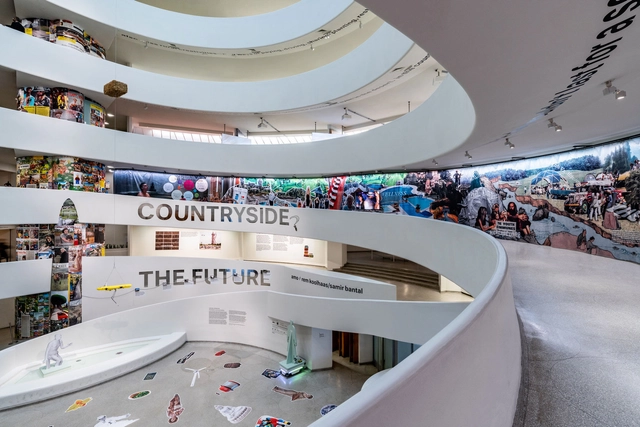
Whether as a retrospective, a collection of contemporary works, or a compilation of prospects for the future - and all the other possibilities in between -, architecture and urban planning exhibitions have played an important role in shaping the future of cities over the decades. These events are often open to the public, reaching many people who don't necessarily have a background in the field, thus providing great environments to explore a collective view of the future of architecture and cities.
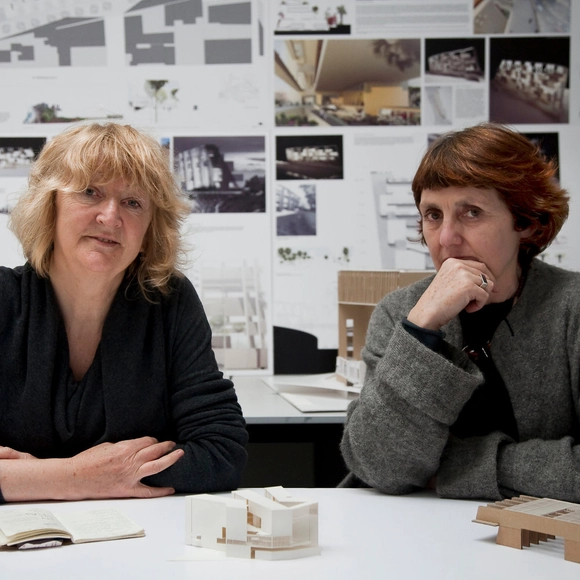
This year, architecture’s highest honor, the Pritzker Prize, has been granted to Grafton Architects, a Dublin-based architectural firm mainly ran by female partners Yvonne Farrell and Shelley McNamara. For the first time ever in its 42-year history, due to the constraints set by Covid-19 global pandemic, the organizers of the Pritzker Prize decided to use Livestream the award ceremony. Having reached the end of 2020, ArchDaily has summed up what current and previous Pritzker Prize winners have accomplished during this turbulent year.
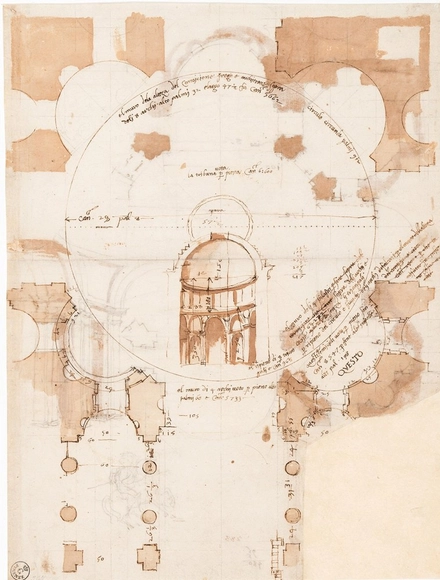
In 2012, the Yale School of Architecture held a conference on the topic of drawing. It posed a couple of provocative questions: Was the study and practice of architecture already beyond it? Was it is even necessary to draw in order to be an architect? Mark Alan Hewitt’s new book, Draw in Order to See (ORO Editions), is a resounding affirmation that not only must architects draw, they cannot help but do so—it’s like breathing. The connection between the hand and the eye, between a soft pencil and a toothy sheaf of paper, is how architects, in fact, “see.”
https://www.archdaily.com/955024/reaffirming-the-essential-role-of-drawing-in-designMichael J. Crosbie
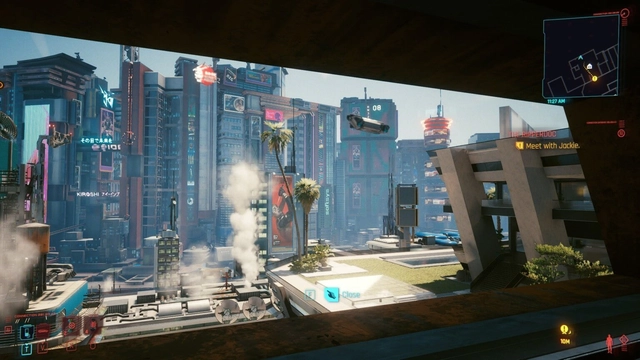
I know what you are wondering and the answer is medium and circumcised. These are just a couple of characteristics that play a part in determining the outcome of Cyberpunk 2077, the most anticipated video game release of 2020 (and possibly ever) by CD Projekt RED. As a player, you experience the main storyline through a genderfluid avatar named V. The game’s namesake stems from a science fiction genre that at its core presents a dystopian hyper-capitalist society intended as a reflective critique of contemporary life—think Philip K. Dick’s work or Ernest Cline’s Ready Player One novel. There are plenty of well-documented issues pertaining to the game, from its perpetuation of techno-orientalism in science fiction to a buggy release resulting in too much attention on the phallic options described above. The game’s criticism of contemporary culture mostly falls flat but inadvertently it has some scathing things to say about architecture.
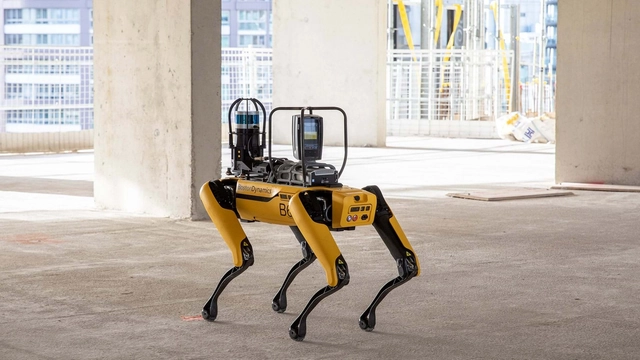
In November of 2020, Foster + Partners announced a collaboration with the robotics design company Boston Dynamics. Together, the two have been testing Boston Dynamics’ robot dog, Spot, to help capture and monitor progress on construction sites. The robot boasts the dexterity to climb stairs, avoid obstacles, and traverse rough terrain, allowing it to monitor building sites and collect data quickly and easily. In this way, designers and contractors can remedy errors rapidly and at minimal cost, ensuring that projects progress according to their set timeframes and budgets. With manual data collection, errors might be noticed at a much slower rate and communication between contractors may suffer as well. Thus, Spot optimizes construction monitoring and on-site collaboration.
https://www.archdaily.com/954784/how-does-spot-r-work-the-robot-that-compares-design-to-reality-at-the-construction-siteLilly Cao
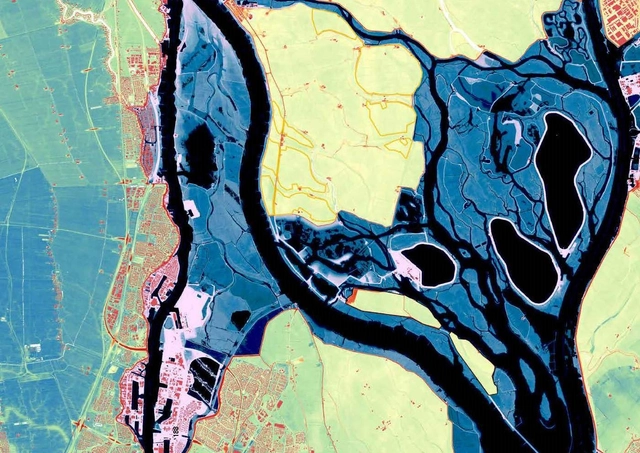
A “floodscape” could be seen as a contradiction in terms: Flood spreads wherever gravity leads it, covering the familiar topography with a dark, gray, and uniform blanket. In that regard, flood is amorphous, as it can distort and temporarily erase forms and features from the visible landscape—nothing that could be described as a “scape” in the sense of articulated and meaningful scenery.
But when the boundaries of a flood are not just defined by the quantity or the velocity of water but also by landforms and structures carefully designed and placed to influence and shape the “disaster,” the result can be considered as a landscape, physically and culturally defined by flood.
The Un-Habitat or the United Nations agency for human settlements and sustainable urban development, whose primary focus is to deal with the challenges of rapid urbanization, has been developing innovative approaches in the urban design field, centered on the active participation of the community. ArchDaily has teamed up with UN-Habitat to bring you weekly news, article, and interviews that highlight this work, with content straight from the source, developed by our editors.
Around 440 fast-growing cities in emerging economies will contribute by 2025, to nearly half of global economic growth. If given the right planning and management tools, this urbanization “can be transformative, creating jobs, reducing poverty, and improving citizens’ quality of life”. As a matter of fact, the Global Future Cities Programme (GFCP) aims to deliver this required support. Based on urban planning, transport, and resilience principles, the program provides “technical assistance for a set of targeted interventions to encourage sustainable development and increase prosperity while alleviating high levels of urban poverty”.
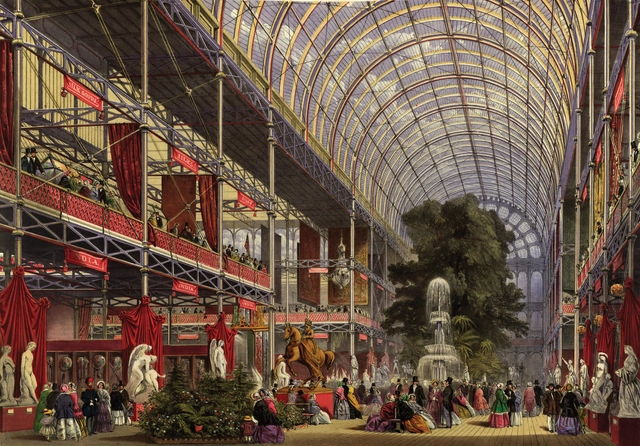
The Crystal Palace Exhibition, London, painting / Special Collections, University of Maryland Libraries; Hornbake Digitization Center. Image Courtesy of Princeton Architectural Press
According to Pliny, Roman Emperor Tiberius’s doctors instructed their charge to consume a fruit of the Cucurbits family each day. To grow these melon and cucumber fruits year-round on his home island of Capri, Tiberius directed construction of specularia: “[He] had raised beds made in frames upon wheels, by means of which the Cucumis were moved and exposed to the full heat of the sun; while, in winter, they were withdrawn, and placed under the protection of frames glazed with mirror-stone.”
https://www.archdaily.com/954920/from-ancient-rome-to-contemporary-singapore-the-evolution-of-conservatoriesGrace Mitchell Tada
Videos
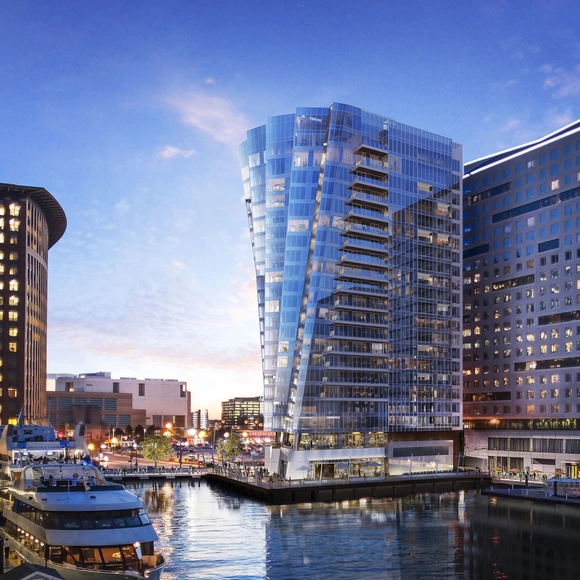
The St. Regis Residences – a striking new high-rise building in Boston Harbour – is glazed with Air-Lux sliding windows. Image Courtesy of Air-Lux
The first-ever sliding window system for skyscrapers by Swiss company Air-Lux has already proven itself under stringent US testing conditions. Just why it is the first to be suitable for high-rise buildings, with their enormous wind loads, is explained here.
https://www.archdaily.com/954836/sliding-windows-in-high-rise-buildings-how-air-lux-systems-ensure-air-and-water-tightnessArchDaily Team
The Architectural realm has always been torn between artistic and rational cosmos. During our architectural studies, we are rarely given one specific methodology with which we can approach a project, resulting in diverse outcomes and methods of designing. However, in order for us to discover our personal stand, we must look back at the logic and philosophy of the great pioneers who influenced architecture before us.
Le Corbusier, Mies van der Rohe, Frank Lloyd Wright, and Louis Kahn are four of the most notable architects to date. Read on to find out more about the creative process of these four leaders of the modern era, and why their projects and practices are still influential to our modern times.
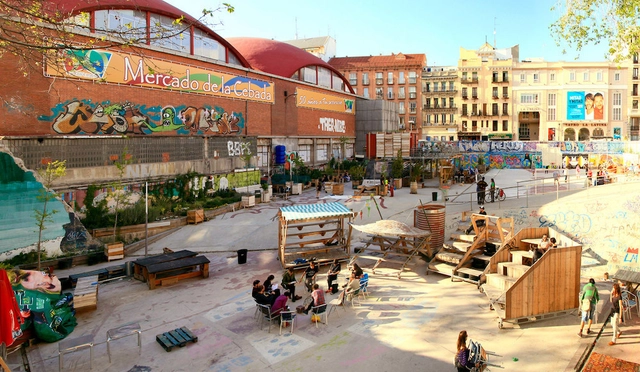
Many initiatives around the world have lately focused on ways to improve the urban environment through the actions of their inhabitants, be it in designing, building, or managing projects. Open-source urbanism is a collaborative approach that seeks to enhance the citizens' capacity for change.
An in-depth look at the concept of open-source urbanism is happening nowadays, and one can find many different definitions and approaches to it. But overall, open-source urbanism can be defined as the co-production of open-source common urban assets.
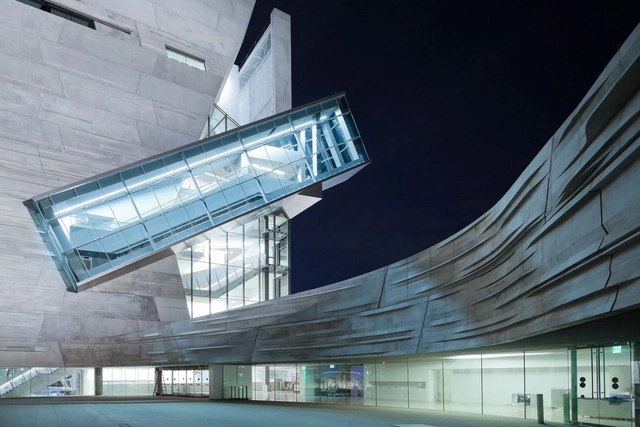
Dallas is home to a high concentration of structures by world-renowned architects. With some of the most iconic architecture per square mile of any American city, Dallas boasts designs by six Pritzker Prize Laureates, all within close distance to the up and coming Arts District. From Norman Foster’s Opera House to Thom Mayne’s Museum of Nature and Science, these projects are emblematic of a larger city-wide design culture.
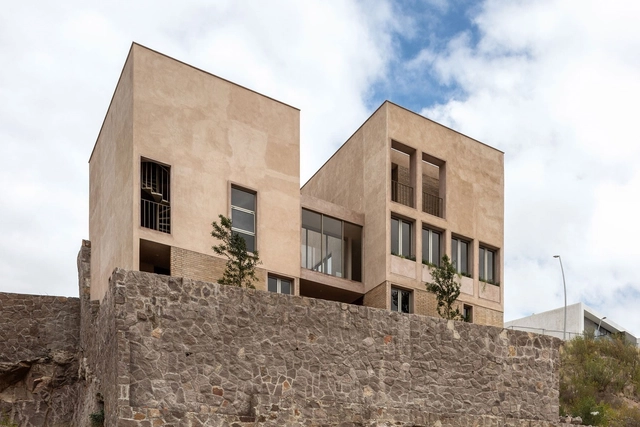
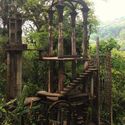
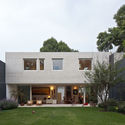
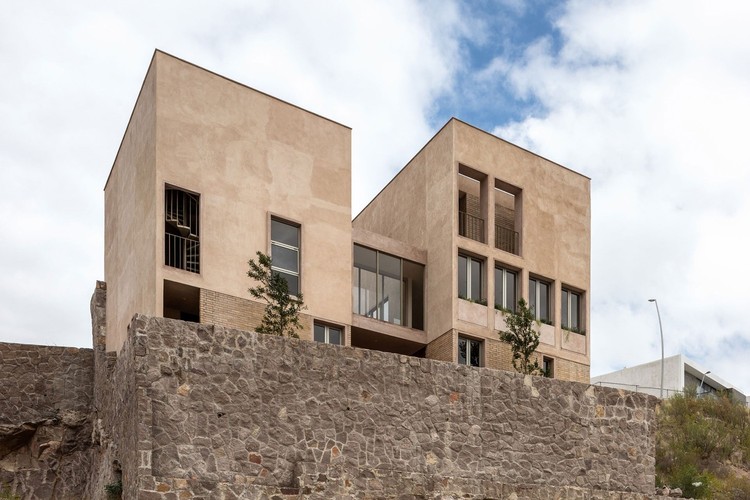
San Luis Potosí has become one of Mexico's busiest destinations for both national and international tourism. Thanks to a population boom throughout the state, Mexican architects have dedicated themselves to designing residential, cultural, and recreational buildings that highlight the region's architectural style and traditions. In this article, we present a few of these projects to illustrate a portion of Mexico's vibrant and varied architecture.









_8803.jpg?1610126390 "\"Refugee Heritage\" Exhibition at the 2019 Chicago Architecture Biennial / Ana María León and Andrew Herscher. Photo: © Laurian Ghinitoiu")