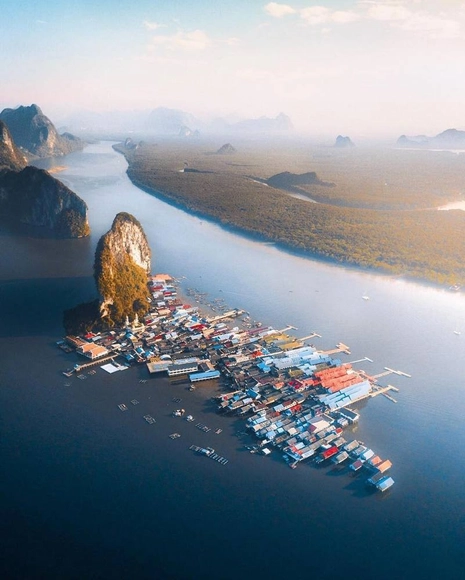
When we talk about cities or their lesser variations – villages, towns, communities –, we are used to evoking stereotyped scenarios that relate to streets, cars, buildings, and we often end up forgetting that there are plenty of other surprisingly unique patterns.
Many people study the cities and wonder about the exact moment when they were invented, given that they are open, unfinished works in progress. Some assume that their origin was due to the need for protection, which caused humans to quit nomadic lifestyles and settle as groups in a specific land to increase their chances of survival.
In our increasingly urbanized world, everything and everyone has adopted a lifestyle of nomadism. New environmental and social constraints have forced people to have a constant "on-the-go" behavior, so much so that almost everything has acquired wheels, even the buildings. But with the rise of debates like "is humankind being replaced by robots?" and "is technology taking over?", urban mobility has helped give access to housing, healthcare, and education in places with extreme difficult conditions.
To shed the light on globally-thriving mobile activities, the France-based Institut pour Ville en Mouvement, or City on the Move Institute, is an organization that has been addressing the challenges posed by urban mobility and contributing to the emergence of innovative solutions. In a series of short Youtube clips, the organization invited experts in the fields of architecture, urban planning, and technology to share their insights on the future of urban mobility.
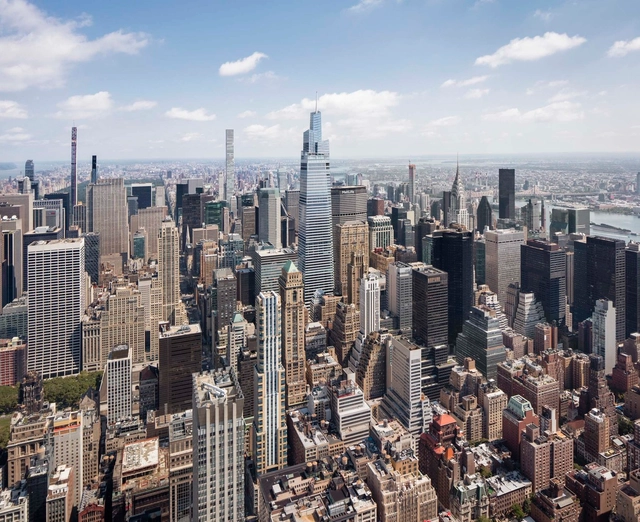
It’s a given that the coronavirus pandemic has had wide-ranging impacts on construction projects large and small over the past 10 months. So, what about the construction of new buildings that share the defining characteristic of being superlatively tall?
As detailed in an annual report published earlier this month by the Chicago-headquartered Council on Tall Buildings and Urban Habitat (CTBUH), newly completed skyscrapers experienced a global decline of 20 percent in 2020 compared to the previous year due, both directly and indirectly, to the COVID-19 crisis.
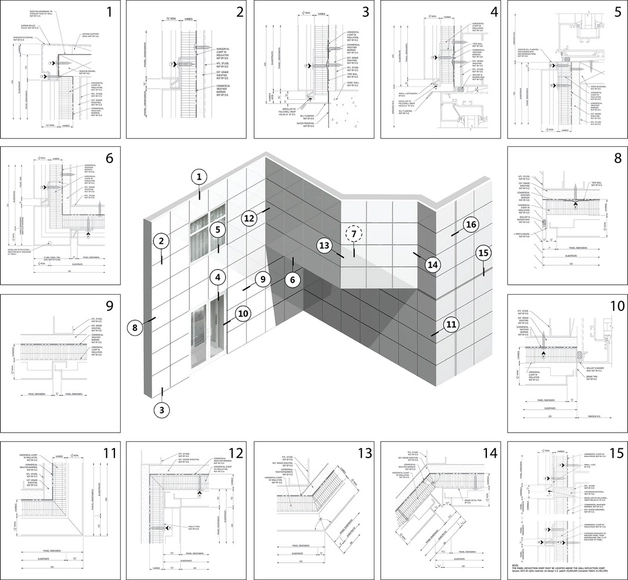
The façade is one of the most important elements in an architectural project. In addition to being the building's first barrier against heat, rain, snow, or wind, it also largely determines the appearance of a building. It can make the project stand out, blend into urban context, or even manifest, at first glance, values of transparency, lightness, or simplicity that the architect seeks to convey. Accordingly, the façade also constitutes a significant portion of the total cost of the work and, therefore, must be specified very carefully, taking into account aesthetics, functionality, maintenance, and long-term behavior.
https://www.archdaily.com/948461/single-skin-metal-panels-construction-tips-and-details-for-building-envelopesSponsored Post
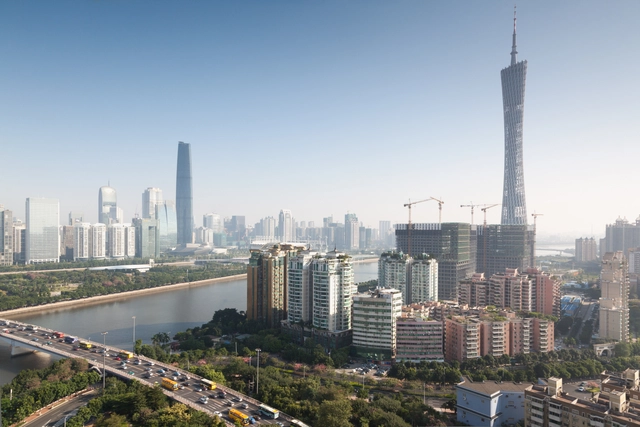
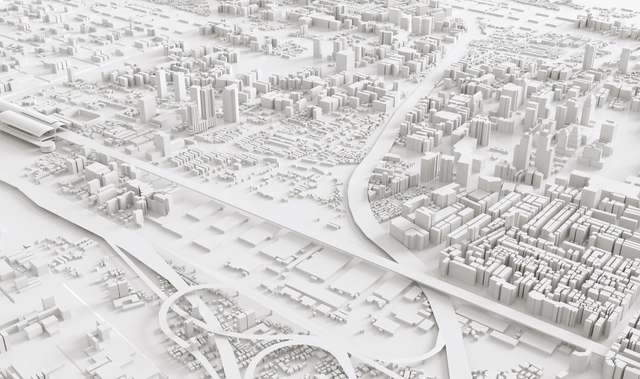
Over the past two decades, new master-planned cities have risen at a pace and scale rarely seen in modern history. Concentrated largely in Asia, the Middle East, Africa and Latin America, more than 150 such projects are currently underway. For some, these cities are promoted as fast tracks to modernization and a way to leapfrog from resource- or agriculture-dependent economies into knowledge-driven ones. For others, they are strategic showcases, designed to attract global attention, foreign capital, and prestige. By packaging urbanization itself as an investment opportunity, these projects promise to stimulate growth and reposition nations within the global economy—all through the act of building anew.
According to Forbes, "The new city building movement that we are currently in the middle of is one of the most under the radar and most misinterpreted social and economic developments happening in the world today". What often escapes scrutiny, however, is not only the architecture of these projects, but the governance model they advance.
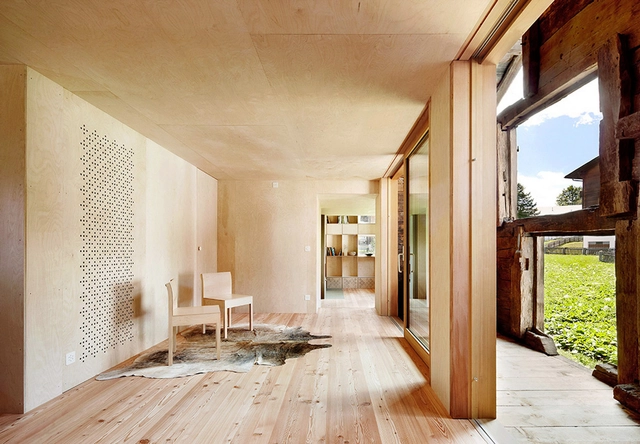
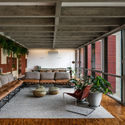
Wood in architecture, when properly managed, is often associated with sustainability but also with a sense of comfort and coziness. Well-designed joinery can provide versatility and uniqueness to interior design, among so many other benefits.
https://www.archdaily.com/955092/defining-spaces-with-wood-joinery-in-brazilian-apartmentsEquipe ArchDaily Brasil
As we are entering 2021 after a year of anxiety and uncertainties, what are your expectation for our future? The UN75 survey reports that most people around the world hold greater optimism for the future: “Globally, many more respondents believe people will be better off in 2045 than today (49%) compared to those who believe people will be worse off (32%).”
For most people, calling a place “sacred” designates it as an important location, one usually associated with spirituality. It might be the setting for religious rituals (the sacred space of a church, synagogue, or mosque), a spot where some event described as “miraculous” has occurred (such as the reported sighting of the Virgin Mary in Lourdes, France, which became a pilgrimage site), or a place which held the body of deity (think of the Church of the Holy Sepulchre in Jerusalem, built upon what is believed the be the tomb of Jesus Christ).
https://www.archdaily.com/955561/assault-on-a-sacred-placeMichael J. Crosbie
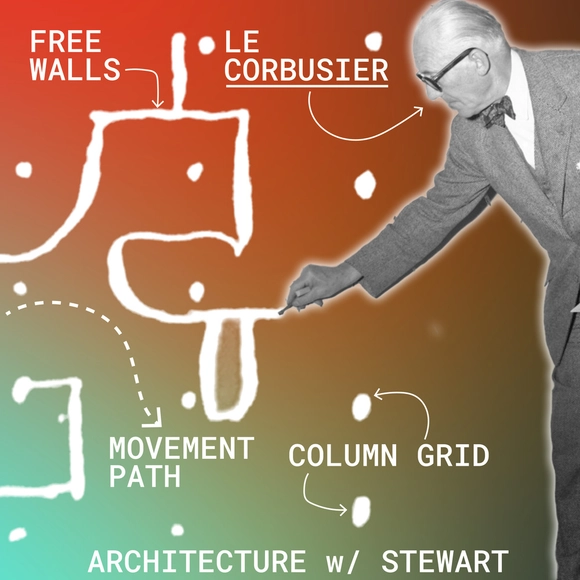
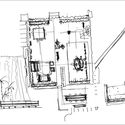
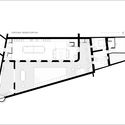
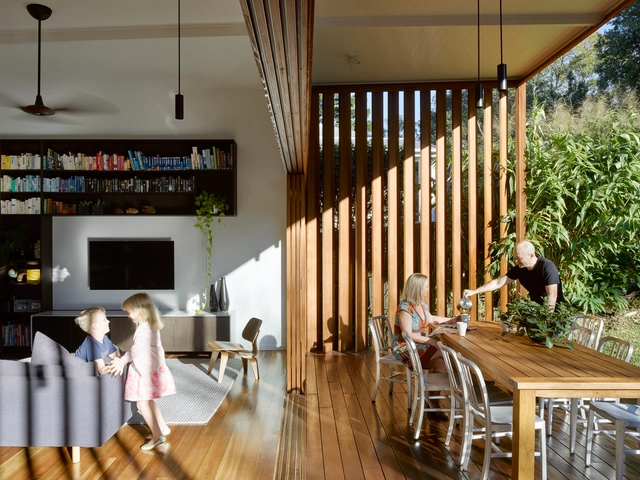
The term ‘open concept’ is popular with house-flipping television shows and real estate descriptions for lofts or contemporary style homes. However, the phrase is absent from the architect’s lexicon, likely due to a much more robust vocabulary and archive of precedents for describing the continuity of space in a domestic environment. This video is the second in a series that breaks down various ‘open concepts’ in architecture. The first video was dedicated to the ‘Organic Plan’ of Frank Lloyd Wright and this one takes a closer look at the ‘Free Plan’ of Le Corbusier. Through comparisons with Wright and supported with examples from the Five Points of a Modern Architecture, ‘Free Plans’ are presented as a unique way of understanding the coherence of space.
The progressive departure of factories from cities, often due to environmental regulations, noise ordinances, or the price of real estate, has left many urban manufacturing facilities abandoned and out of use. As these urban factories are left empty, many adventurous developers are taking advantage of the plentiful space, light, and flexible functions that they offer, leading to a residential revitalization in many of the world's defunct manufacturing facilities.
In dystopian films, it is a common trope to depict the sky as filled with a thick fog, blocking the sun's rays and bringing a dark atmosphere to the scenes. Whether in Blade Runner or in a Black Mirror episode, the lack of sun commonly represents a future we would rather not live in. The sun provides heat to planet Earth and is a great source of light energy, essential for the survival of many living creatures. We can generate electricity from the sun and still use only a fraction of the energy it provides. Sunlight also regulates our circadian cycle, which affects our mood. But recent forest fires and industrial pollution in some large cities have already made the dystopian blockage of sun a relatively common phenomenon, depriving hours of sunshine from many inhabitants. Concurrently, with the COVID-19 pandemic, we are living a plot that few science fiction writers could have predicted, and new technologies and solutions have emerged to try to contain the spread of this invisible enemy. Can the sun, or specifically ultraviolet radiation, kill viruses and bacteria? Could it kill the coronavirus?
Almost 6 months ago, on August 4th, 2020, the city of Beirut was shaken by one of the biggest non-nuclear blasts in history. Leaving the northern side of the capital in ruins, the explosion damaged around 40,000 buildings. New contemporary structures completed recently by local international architects are now facing reconstruction dilemmas, raising existential questions such as: How should reconstruction efforts of “new” damaged buildings look like? Should architects rebuild them as they were before the blast, erasing what has happened or should they leave scars and portray new realities?
In order to explore ideas and highlight different perspectives, ArchDaily had the chance to sit with three architects whose buildings were impacted by the blast. Bernard Khoury, Paul Kaloustian, and Lina Ghotmeh talked about their projects and their vision of the reconstruction of Beirut with ArchDaily's Managing Editor, Christele Harrouk, alongside Architectural Photographer Laurian Ghinitoiu, who documented in a featured photo series the extent of the destruction.
Since immemorial time, humans have constructed their shelter and homes using wood. Gradually these structures grew more complex, but wood has continued to play a fundamental role in architecture and construction. Today, especially due to growing concerns about climate change and carbon emissions, wood has been regaining significance as an important building material for the future, if used consciously and sustainably. Wood’s structural performance capabilities make it appropriate for a broad range of applications—from the light-duty repetitive framing common in low and mid-rise structures to the larger and heavier, often hybrid systems, used to build arenas, offices, universities and other buildings where long spans and tall walls are required.
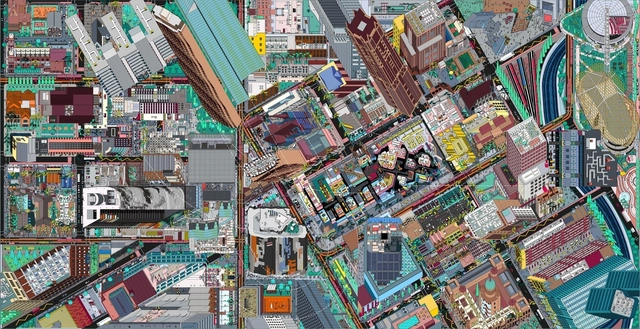
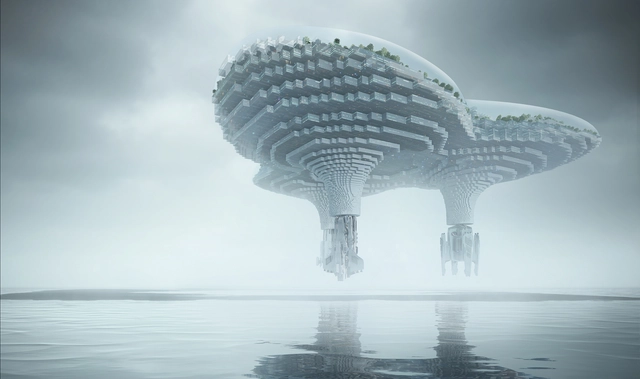
From climate crisis to How Will We Live Together, as we face the current and accentuated global challenges many of our ideas about the cities of tomorrow are changing. So how will the city of the future be?
Do you know a great example of high density living environments built within the last 30 years? Share your knowledge and contribute to the creation of an open repository via Crowd Creation. To be truly exemplary, the area should include a mixture of functions (at least some of them high-rise) where the physical fabric retains a human scale at street level despite the high density.
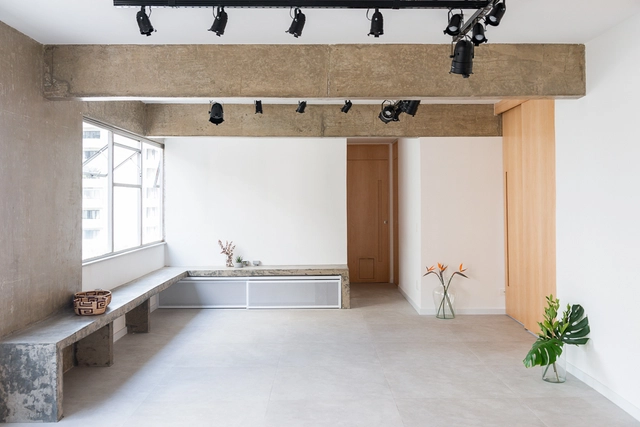
Many architects tend to prefer using materials and architectural elements in their natural or raw state. It is common to remove ceilings and finishings, especially in renovation projects, to expose a building's structure. This process of reclaiming the natural materials of construction - without incorporating elements to cover the framework, pipes, tubes, and cables - transforms these spaces into places that have nothing to hide.
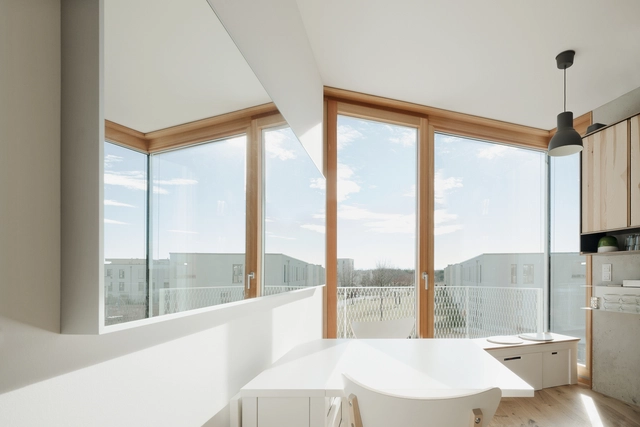
"And a window that looks out on Corcovado. Oh, how lovely." Tom Jobim's lyrics, immortalized by João Gilberto and Astrud Gilberto's voices and a soft guitar, was one of the early songs that introduced the world to the idea of a paradisaical Rio de Janeiro and a promising Brazil, with an increasingly urban population and a modern capital being built from nothing. Almost 60 years later, Paulo Mendes da Rocha casually quotes this song in an interview and points out that for him, in this scene, the most important element is the window, not Corcovado or Christ the Redeemer. That's because it frames the view and directs our eyes to what matters. It is a phrase that goes almost unnoticed, but that carries enormous poetic and artistic significance to the craft of architecture.
Designing resilient cities combines practical solutions with innovative ideas. Interdisciplinary global firm HKS is working to bring these ambitions to life with researchers, urban designers, nurses, anthropologists, graphic designers and more. Viewing design as a process of discovery, three directors at HKS are leading how cities explore research, equity and integration to create more resilient futures.






.jpg?1611288061 "The Line project in Saudi Arabia. Image © NEOM")












.jpg?1611093603&format=webp&width=640&height=580)
.jpg?1611093772 "© Laurian Ghinitoiu")
.jpg?1611093604 "© Laurian Ghinitoiu")
.jpg?1611093961 "© Laurian Ghinitoiu")
.jpg?1611093888 "© Laurian Ghinitoiu")
.jpg?1611093603)