On April 4 – 6, the international conference FABRICATE 2024will be held at the Royal Danish Academy in Copenhagen. Since its inception in 2011, FABRICATE has established itself as a global forum for new radical possibilities for architecture and welcomed thousands of participants from practice, industry, and research.
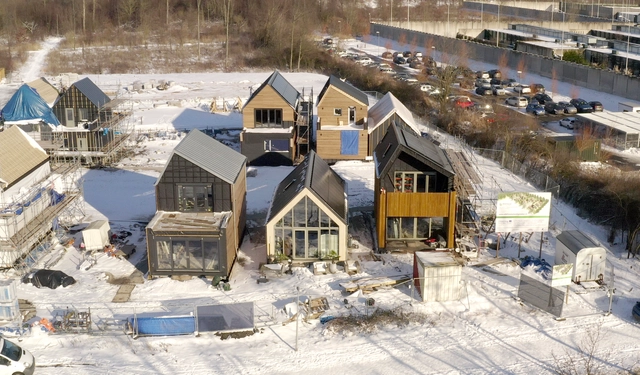
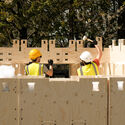
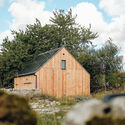
In this second article, we meet architectIndy Johar who is the director of WikiHouse Foundation and CEO and founder of Dark Matters Lab working with institutions around the world, from UNDP, the European Commission on Net Zero Cities, the European Environmental Agency, and various national agencies and cities. The text is an excerpt from the upcoming FABRICATE 2024 book and is based on an interview conversation led by Co-chair Phil Ayres between Indy Joharand Professor Philippe Block, Head of the Institute of Technology in Architecture (ITA), ETH Zürich. The book will be published on the opening night of the FABRICATE 2024 conference.
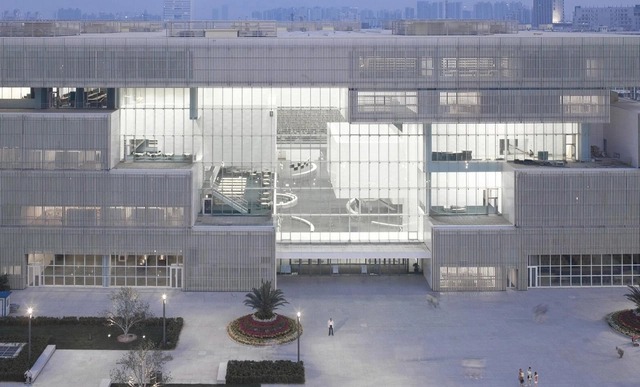
Tianjin Library (2012). Photo courtesy of Riken Yamamoto & Field Shop.
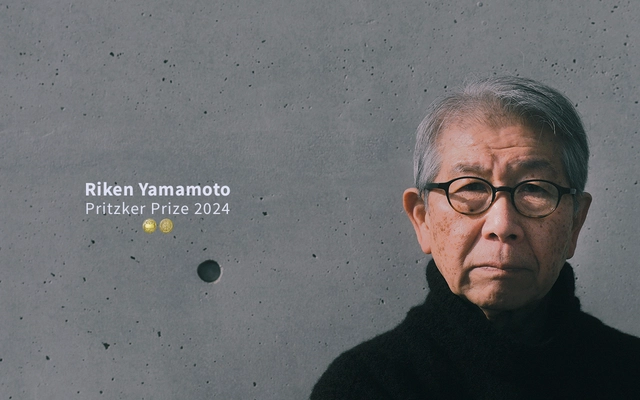
Riken Yamamoto's receipt of the prestigious Pritzker Architecture Prize in 2024 is met with pleasant surprise. Characterized by a profound commitment to community engagement and a keen awareness of local dynamics, the 9th Japanese architect to receive this accolade has an architectural portfolio that exemplifies the transformative power of architecture in society. From addressing the needs of the children to the needs of the elderly, Yamamoto's work underscores the profound impact architecture can have on the lives of individuals across all age groups. To provide insight into the architect's educational journey and career trajectory, here are 16 key facts to learn more about the 2024 laureate.
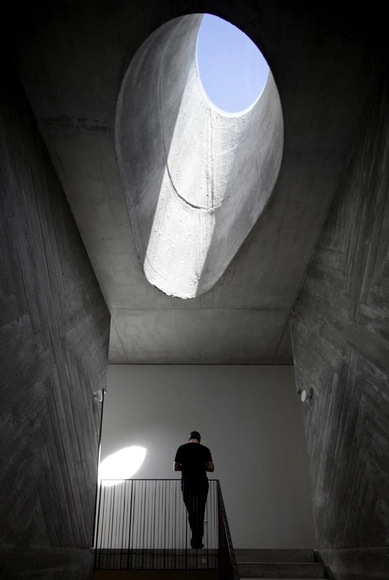
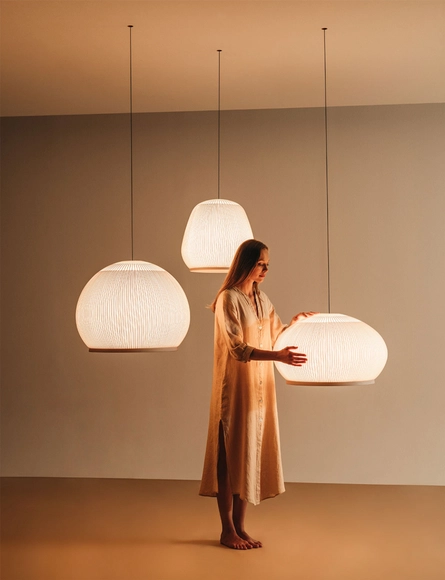
For most people, modern living requires spending most of the day in interior spaces - in fact, according to a report by the Environmental Protection Agency, the average person spends around 90% of their life indoors. As a result, this implies missing out on health benefits associated with sunlight exposure, such as vitamin D absorption, regulation of circadian rhythms, higher energy levels and even improved mood. Thus, one option is to increase the amount of time we spend outdoors. But because most daily functions are carried out inside buildings, it is crucial to incorporate and prioritize natural lighting in interiors.
In the ever-evolving landscape of technology and creativity, staying at the forefront is imperative. During its recent Chaos Unboxed Live virtual keynote, participants such as CEO Christian Lang and Co-founder and Head of Innovation Vladimir “Vlado” Koylazov showcased a plethora of advancements poised to redefine the creative process.
At the heart of Chaos’ strategy lies a dedication to three fundamental principles: accelerating creativity, delivering fully interconnected solutions, and ensuring accessibility across platforms. Through seamless integration and cutting-edge tools, Chaos can empower architects and artists alike, revolutionizing industries and shaping the future of design.
The announcements during the keynote laid out innovations that can redefine the realm of visualization — and beyond.
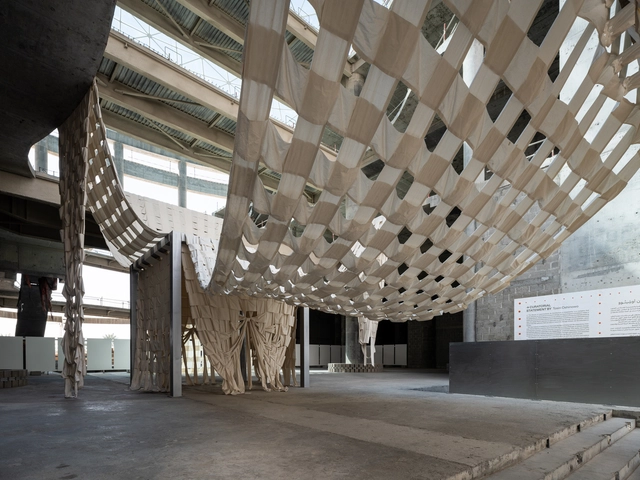
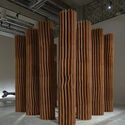
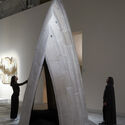
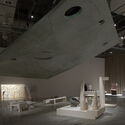
Running from November 11, 2023 until March 10, 2024, The Sharjah Architecture Triennial celebrates innovations in the built environment, particularly in the global south. The main goal of the display is to draw attention to sustainable, accessible, and equitable futures while highlighting the value of alternative responses to resource constraints. As the event draws to a close, ArchDaily explores 10 architectural installations that respond to the overarching theme through various mediums.
Curated by Tosin Oshinowo under the theme “The beauty of Impermanence: An Architecture of Adaptability,” the triennial has contributions from 29 architects and studios across 25 countries. From 51-1 Arquitectos transforming an unapproachable place into a dynamic play space featuring popular board games from various regions to Al Borde redefining a space with a custom-designed shading structure made with natural materials, the Sharjah Architecture Triennial presents a diverse array of architectural interventions. WaiWai's showcase spotlights three instances of modern architecture in Tashkent, Uzbekistan, highlighting their significant evolution. DAAR's "Concrete Tent" combines elements of a mobile tent and concrete house, exploring the concept of "permanent temporariness.” These installations offer innovative perspectives on adaptability, sustainability, and cultural significance within the architectural landscape.
Videos
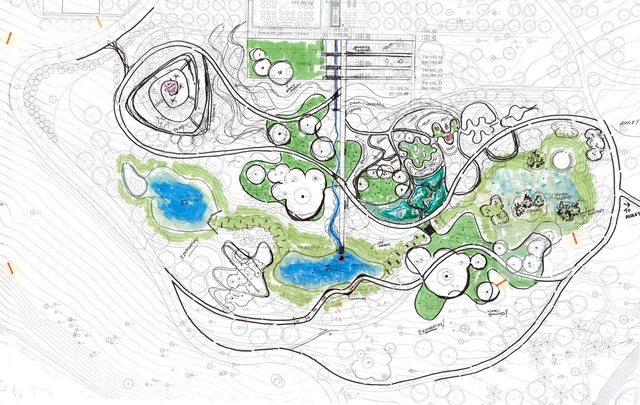
Sketch of Bonnet Springs Park / Sasaki. Image Courtesy of Sasaki
“Landscape architects have started conversations about embodied carbon. There is a realization that we can no longer ignore the grey parts,” said Stephanie Carlisle, Senior Researcher, Carbon Leadership Forum and the University of Washington, during the first in a series of webinars organized by the ASLA Biodiversity and Climate Action Committee.
The grey parts are concrete, steel, and other manufactured products in projects. And the conversations happening are laying the foundation for a shift away from using these materials. The landscape architect climate leaders driving these conversations are offering practical ways to decarbonize projects and specify low-carbon materials.
Flat and polished surfaces tend to evoke feelings of coldness and sterility, while raw, natural materials can create a sense of warmth and connection. Textures can trigger memories and emotions, connecting us to past experiences and the sense of touch. In the seminal book "The Eyes of the Skin", Juhani Pallasmaa emphasizes the importance of sensory perception in architecture and objects beyond sight, particularly the role of touch and texture in shaping our experience. According to Pallasmaa, contemporary culture, influenced by technology and visual media, has overemphasized the visual aspect of spaces, neglecting other senses, especially touch, which is vital for understanding and appreciating the surrounding environment.
Establishing a platform in the Arab world, Design Doha 2024 debuted its inaugural edition in Doha, Qatar. Facilitating dialogues between designers, the event challenges the misconception that the Arab world is composed of a singular culture. It highlights, therefore, the diversity of populations, landscapes, and histories it encompasses.
Centered on "Arab Design Now," a regional survey showcasing the works of over 70 Arab designers, featuring 38 commissioned pieces, Design Doha is running from February 24 to August 5, 2024. ArchDaily had the opportunity to talk to Rana Beiruti, curator of the main exhibition, during the event's opening, to grasp the significance of the biennial and delve into some of the key installations, exploring the stories behind these interventions, learning about the designers involved, and gaining insights into their creative processes.
“We’re on the verge of one of the biggest revolutions that we’re going to face in the industry,” warns German Otto Bodenbender, Design Technology Manager at BIG Barcelona and Professor of ZIGURAT Institute of Technology.
First, it was theCAD revolution, with the introduction of computers; then it was the turn of BIM methodology, with new processes and workflows; and now, when many professionals haven’t yet gotten used to all those changes, we have AI. This is not just affecting how we do things, but is revolutionizing the entire lifespan of construction processes, introducing new computational capacities in every single aspect of architecture, construction, and engineering.
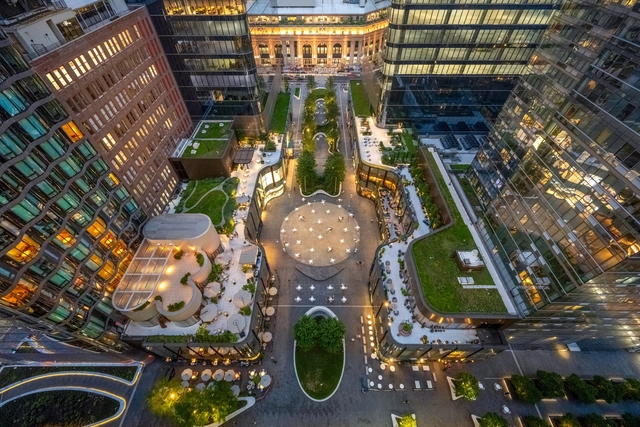
Four years after the onset of the COVID-19 pandemic, its effects are still felt in the construction and real estate sectors in the United States. Accelerated remote work and hybrid schedules are leading to a sharp decline in demand for traditional office space in cities across America. In major metros like New York and San Francisco, occupancy rates have dropped, property values have diminished and rents have fallen significantly. As architects design for the future of work, the real estate market faces divided perspectives on whether to invest in the country's growing inventory of vacant office buildings.
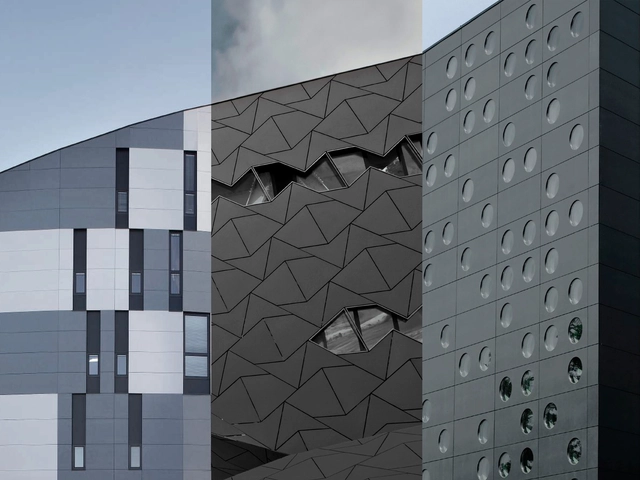
The manipulation and combination of materials are ongoing pursuits in architecture. This has not only broadened the possibilities for construction but also enabled the creation of distinctive shapes and aesthetics by using the same materiality. An example of this is Portland cement, an essential element in the mixture of water and aggregates that make concrete, which allows the creation of both load-bearing and decorative elements. In parallel, as a result of the exploration of innovative materials, fiber cement emerged (invented by Ludwig Hatschek) at the end of the 19th century, combining Portland cement, mineral-based materials, and cellulose fibers.
Nowadays, fiber cement —distinguished by its key technical qualities of slenderness, lightness, durability, and flexible aesthetics— has stood out in various applications associated with design, ranging from furnishings to facade systems. It is in the latter where it has adopted notable expressions due to its textures, incombustibility, rain resistance, and malleability. For this reason, we have developed a design guide that addresses the use of fiber cement, exploring the principles that should be considered when designing the facade, regarding its materiality, dimensions, layout, details, and special applications.
https://www.archdaily.com/1011851/design-guide-working-with-fiber-cement-facadesEnrique Tovar
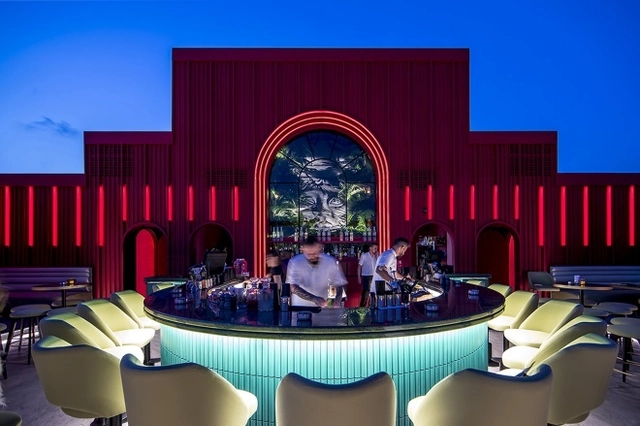
For decades, cities around the world have been promoting their nightlife scene and the designed spaces in which these activities occur. Occasionally hidden away from the hustle and bustle, offering a sort of escapism from the day-to-day-routine behind red velvet ropes and intense security measures, or sometimes proudly on display for people from all walks of life to congregate and spend the evening under the glisten of a disco ball or flashing lights, nightclubs are an example of how fashion, culture, and societal norms influence an often overlooked and underground side of architecture.
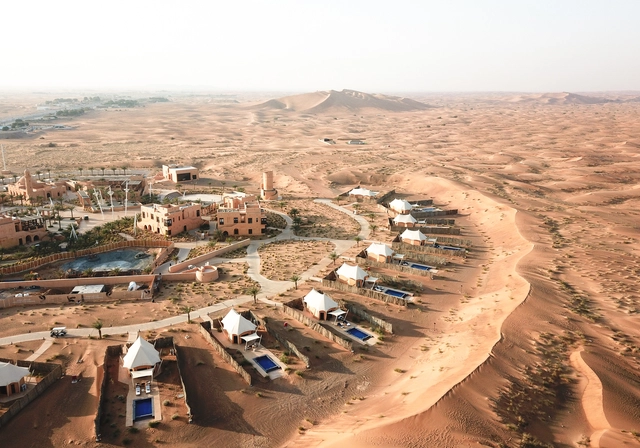
The Mysk Al Badayer Retreat in the desert outside Dubai, United Arab Emirates. Image Courtesy of Mysk Al Badayer Retreat
Set deep within some of the most isolated desert landscapes across the Middle East and further afield, these desert camp hotels offer a way to connect with their surroundings through the solitary experience of open and expansive scenery.
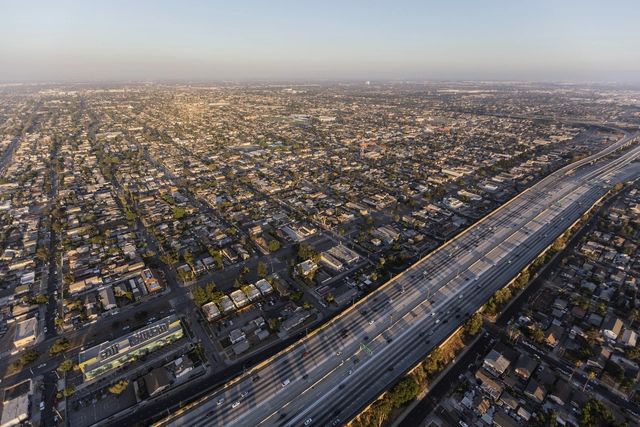
Los Angeles Aerial. Image via trekandshoot / Shutterstock
Cities in the United States are short of millions of housing units. Compounded by other factors, this shortage is radically increasing the cost of both renting and buying houses. Los Angeles is no exception; with 74% of its land zoned exclusively for single-family homes, multifamily housing construction is limited to an extremely small swath of the city, making the construction of new affordable housing difficult. Complex multi-year permit approval processes often make these projects even less feasible.
That's why, in December 2022, Mayor Karen Bass took a drastic approach by declaring a state of emergency to speed up approval for affordable housing projects, allowing developers to expedite rent-stabilized projects through fast permitting times and exemptions from zoning rules. Executive Direction (ED1) created a surge of affordable housing applications, surprisingly not just from developers using public money but from private ones.
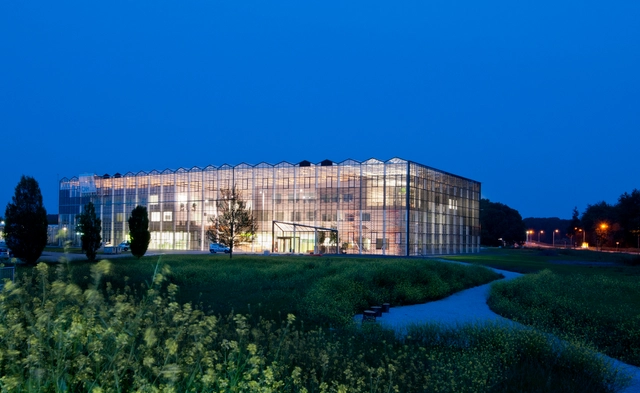
Greenhouses are elegant and ingenious structures that incorporate simplicity in design while creating light-filled spaces that shape indoor climates. With walls and roofs composed mainly of transparent or translucent materials, these structures harness solar energy to create a controlled environment. As advances in materials and environmental management progress, they can seamlessly be integrated into architectural designs, offering innovative solutions that blend functionality with aesthetics. Beyond their original role in plant cultivation, they have evolved into projects that emphasize sustainability, education, and conservation. At their core, they offer experiences of exploration and discovery, showcasing the intricate relationship between sunlight, plants, and indoor environments.
The field of architecture and design is a dynamic one, often managing large-scale investments and involving a wide array of professionals. It stands to reason that, in this type of environment, success is not simply defined by just the quality of the completed structures, but also by the internal ability of architecture firms to effectively manage their business operations. For architects and designers, measuring performance goes beyond financial metrics; it encompasses a diverse range of factors that reflect the firm's efficiency, creativity, and impact within the industry.
Several key metrics can be measured, from financial goals to client relationship management, innovation, influence, and professional development, all helping architects and designers gauge their performance from different perspectives. As the famous saying goes, “What gets measured gets managed.” To help in this effort, Monograph's 2024 Architecture Business Benchmarks Report offers a thorough examination of five key metrics.