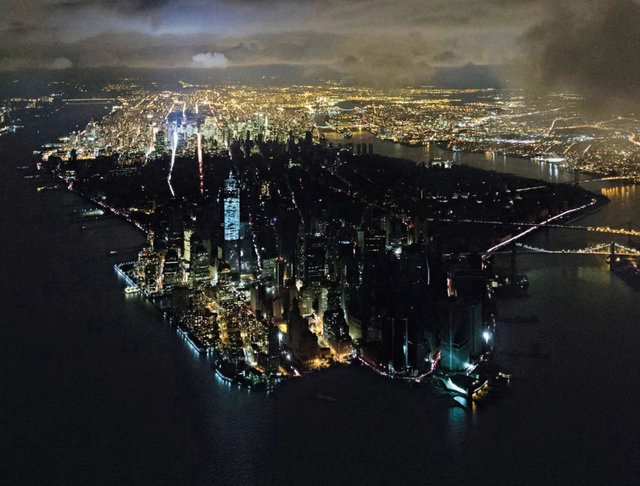
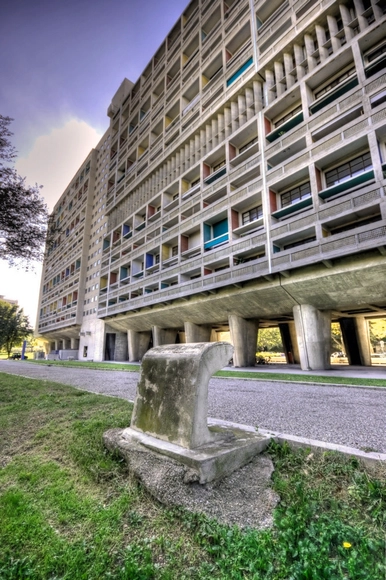
The Knight Foundation has announced their second Knight Cities Challenge – a grant with a pool of $5 million to be awarded for city-improving ideas. Applications can be submitted by anyone, professional, student or amateur. Projects must take place in, or benefit one or more of the 26 knight communities across the United States, and focus on one or all of three key drivers of city success: attracting and retaining talent, expanding economic opportunity, and creating a culture of robust civic engagement.
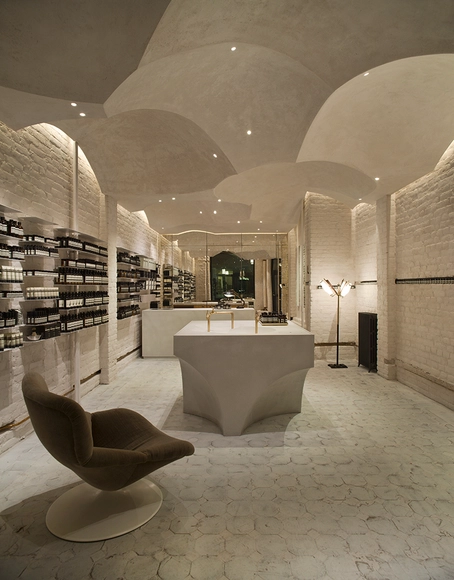
To pay "tribute to the creative processes, materials and features" that characterize each of its store designs, Aesop has a launched a new website called Taxonomy of Design. Inspired by the compendium, we’ve rounded up some of the best Aesop store designs, each of which is distinctly developed, largely by local designers who are inspired by the location of the store. Read on for nine Aesop shops that revitalize architectural simplicity.
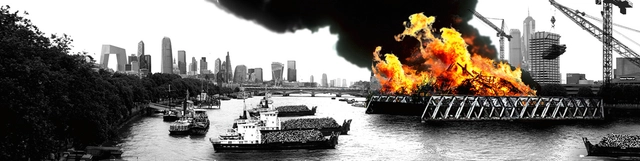
The Green Fire of London. Image Courtesy of A Folly for London
London is in the throes of an architectural identity crisis, compounded by a severe shortage of housing. While politicians and public figures debate various solutions to the city's design dilemmas, a London-based artist has conceived of a "satirical competition for architecture of the absurd." Known as A Folly for London, the free open-call for solutions to London's architectural conundrums was created in response to Arup and Heatherwick Studio's proposal for the yet to be built, and highly controversial, Garden Bridge.
Unlike traditional architectural competitions, A Folly for London sought to ignite debate on the current state of architecture in London. Presented with a distinctly British sense of humour, the competition received more than fifty entries. Winning proposals include the systematic burning of London's forests, construction of a massive inhabitable light bulb and the creation of a catacomb of submerged signature double-decker buses at the centre of the River Thames.
See the winners of "A Folly for London" after the break
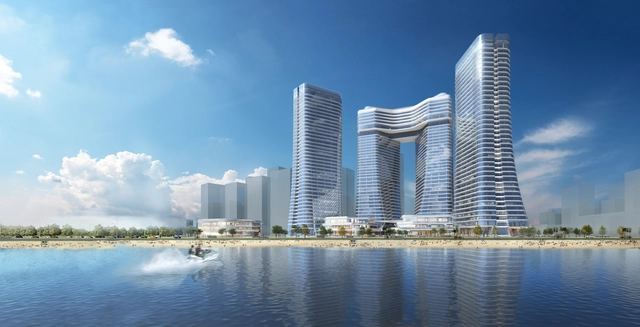
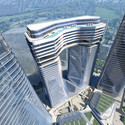
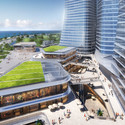
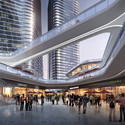
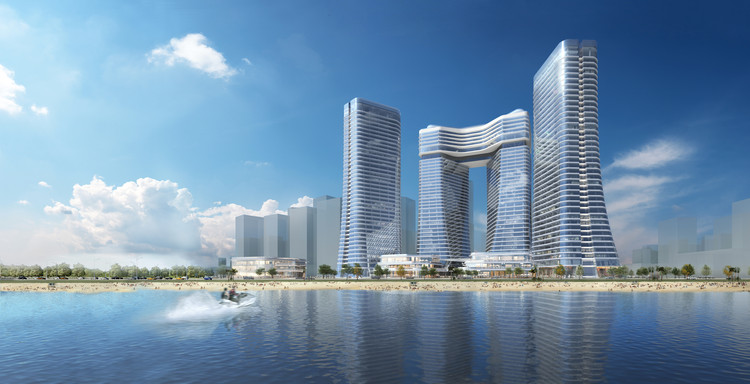
TFP Farrells have been selected by Winland Group in an international competition to design "the pioneer project of an emerging financial district," the Xiamen Cross Strait Financial Center. Located on the eastern coast of Xiamen Island, the 500,000 square meter project will comprise four high-rise towers containing office buildings, a serviced apartment tower, a 5-star hotel and retail space.
Videos
Still from "Concrete Love" showing Gottfried Böhm's Neviges Mariendom. Image Courtesy of New York Architecture & Design Film Festival
October has become a busy month in the design world. If you’re living in the United States, New York specifically, it means Archtober: a portmanteau that means the city is flooded with architecture activities, programs and exhibitions, piled onto an already rich design calendar. One of these events is the New York Architecture & Design Film Festival, which started on Tuesday night and runs through Sunday October 18th, and will screen 30 films from around the world in 15 curated, themed programs.
This week, I was able to visit the festival to absorb the atmosphere and speak to the festival's director Kyle Bergman, to learn the ins and outs of this year’s festival, how things got started, and where it will go in the future.
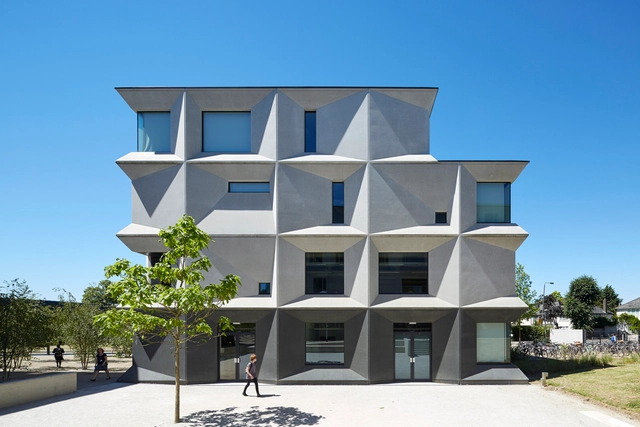
A total of 51 teams, consisting of 320 architectural practices, responded to the call for submissions, and 13 semi-finalist teams were highly commended for their designs. The four shortlisted firms will participate in a design forum at the university next week and will submit their final concept designs by January 2016.
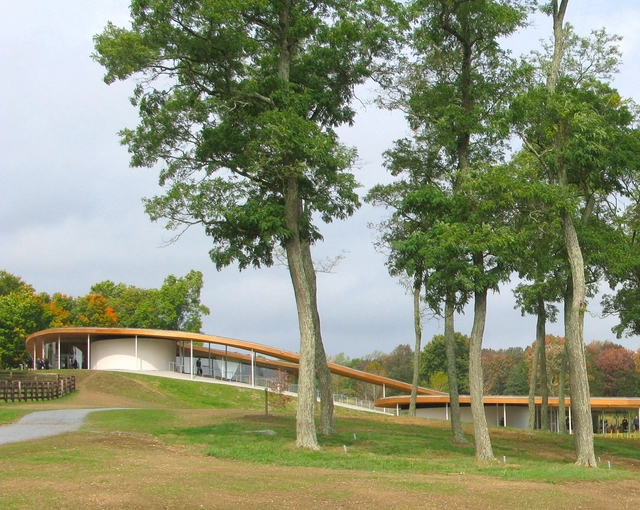
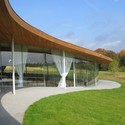
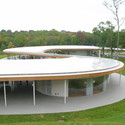
Photographer Paul Clemence of ARCHI-PHOTO has shared with us images of SANAA's latest completed work, Grace Farms in New Canaan, Connecticut. Known as "The River" for the way it flows through the site across a level change of almost 44 feet (13.4 meters), the building was conceived to "become part of the landscape without drawing attention to itself, or even feeling like a building" in order to give visitors a greater appreciation of the surrounding natural space that will be preserved by the Grace Farms Foundation. The building itself, meanwhile, will be made available to Grace Community Church and other nonprofit and community groups for a wide range of community and cultural events. Read on for Paul Clemence's full photoset.
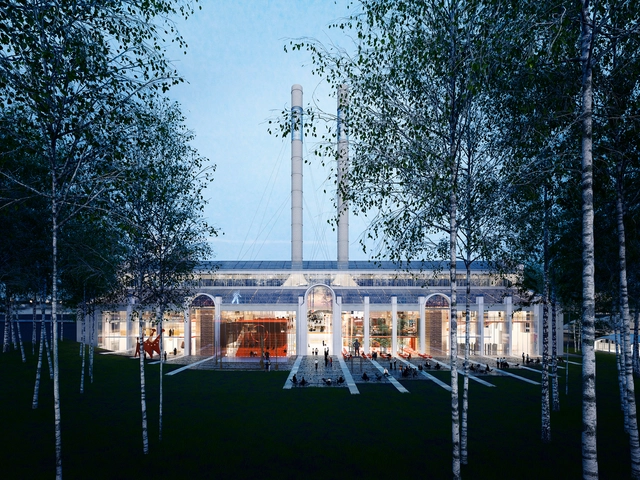
Rendering View of the Building from the Birch Forest, RPBW, 2015. Image Courtesy of V-A-C Foundation
The V-A-C Foundation has selected Renzo Piano Building Workshop to re-develop a two-hectare area in Moscow, converting a former power station into a center for contemporary arts and culture. Located on the Moskva river in the city’s Red October district, the GES2 power station was built in the early 1900s and once supplied energy to the city. The project envisions the recuperation of the power station’s original form as well as the reconfiguration of the entire site into a 150 meter by 150 meter square.
Patano Studio Architecture has created a proposal for a 45-acre, two-mile park spanning over the top of the Interstate-5 freeway in Seattle. Called C.A.P., the plan “proposes a city-wide architectural infrastructure solution to multiple issues facing the fast growing city.”
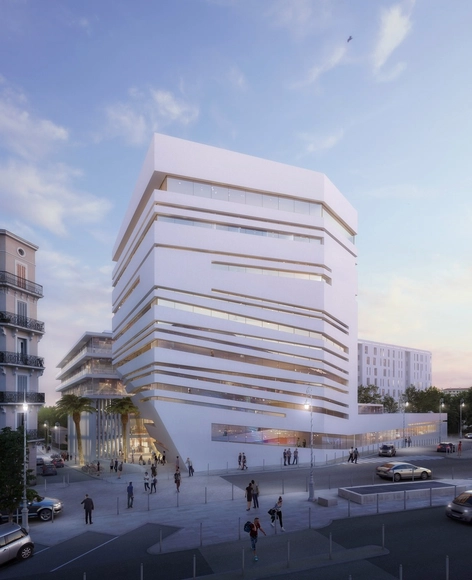
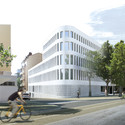
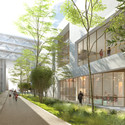
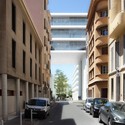
Corinne Vezzoni et Associés have been selected ahead of Rudy Ricciotti, Atelier Christian de Portzamparc and Agence Nicolas Michelin et Associés in a competition to design the new "neighborhood of creativity and knowledge" on the site of a former hospital in Toulon in Southern France. Working in association with Devillers et Associés, Corinne Vezzoni's design envisions 15,500 square meters across five buildings: the TPM School of Art and Design, the Kedge International Business School, a media library, a company incubator devoted to digital technologies and new offices for the General Council of Var.
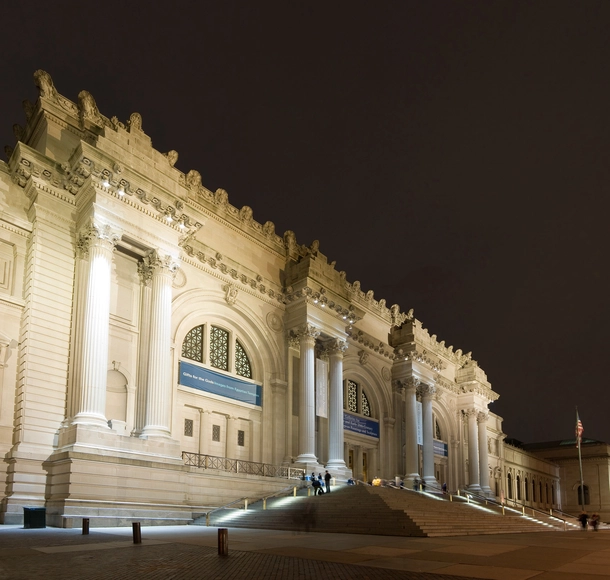
Shohei Shigematsu, the Director of OMA New York, has been selected to lead the design of the exhibition space for the Costume Institute’s Spring 2016 Exhibition at the Metropolitan Museum of Art. Titled manus x machina: fashion in an age of technology, the exhibition will focus on the intersection of technology and fashion and “how designers are reconciling the handmade and the machine-made in the creation of haute couture and avant-garde ready-to-wear.” Organized by Andrew Bolton, the Curator of The Costume Institute, the exhibition will feature over 100 samples of “haute couture and avant-garde ready-to-wear, dating from an 1880s Worth gown to a 2015 Chanel suit.”
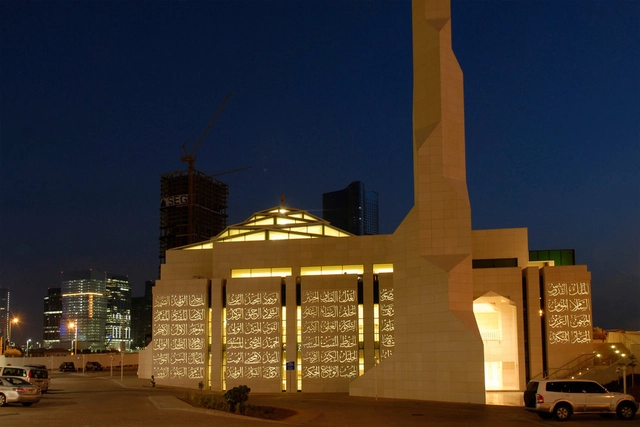
By day, the concrete facade of APG Architecture and Planning Group's latest project, the Al Aziz Mosque in Abu Dhabi, features protruding elements of Arabic script spelling out the 99 names of God from the Quran. By night though, the 515 square meter facade is transformed, as the concrete script lights up in the darkness. The effect is made possible thanks to the translucent concrete paneling system provided by German-based manufacturer LUCEM.
Videos
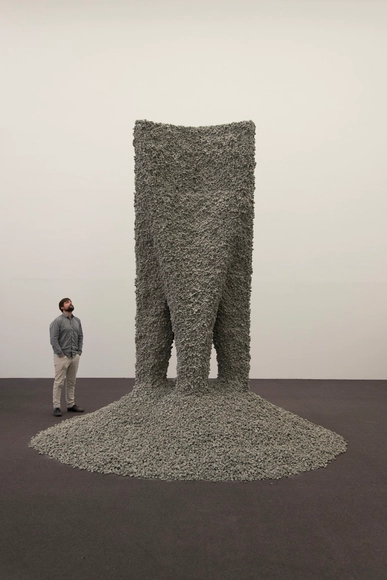
Courtesy of Gramazio Kohler Research, ETH Zurich
As everyone knows, if you stack layer upon layer of small stones atop one another, what you eventually get is a pile of stones. It's among the least dramatic phenomena in the whole of nature; add string though, and the whole process is transformed. That's the idea behind Rock Print, an installation at the Chicago Architecture Biennial created by Gramazio Kohler Research of ETH Zurich and Skylar Tibbits of MIT's Self-Assembly Lab, which uses just these two elements to create a dramatic four-legged column that is self-supporting and can be quite literally unraveled into its constituent parts after use.
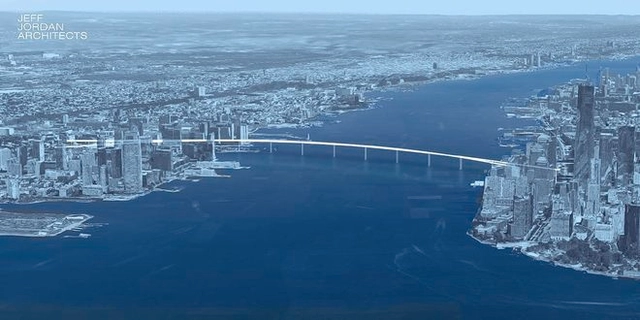
Courtesy of Jeff Jordan Architects, via http://libertybridgeorg.wix.com/libertybridge
Despite being separated by only a few miles, Manhattan and Jersey City seem much further apart; the Hudson River forces commuters to take long, roundabout routes or rely on the over-worked PATH system. Inspired by a need for connectivity between the two cities, Kevin Shane began conceptualizing a new pedestrian bridge, dubbed Liberty Bridge, which would connect Jersey City to Battery Park. Read more about this conceptual proposal after the break.
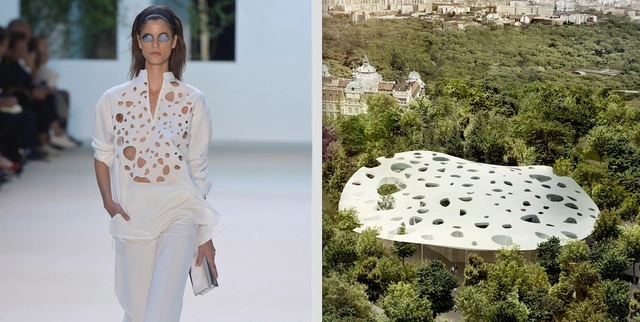
At this year’s Paris Fashion Week, Switzerland-based fashion house Akris showed its 2016 Spring/Summer Collection -- an assembly of garments based on the work of Japanesearchitect Sou Fujimoto.
Akris’ creative director, Albert Kriemler, was introduced to Fujimoto by photographer Iwan Baan while working on the Université Paris-Saclay. From a stance of admiration, Kriemler was thus influenced by Fujimoto’s work: "We share a vision to create an effortless relation between the body and the environment with utmost simplicity. Sou Fujimoto is an architect who understands that we have more senses than just the eye," said Kriemler.
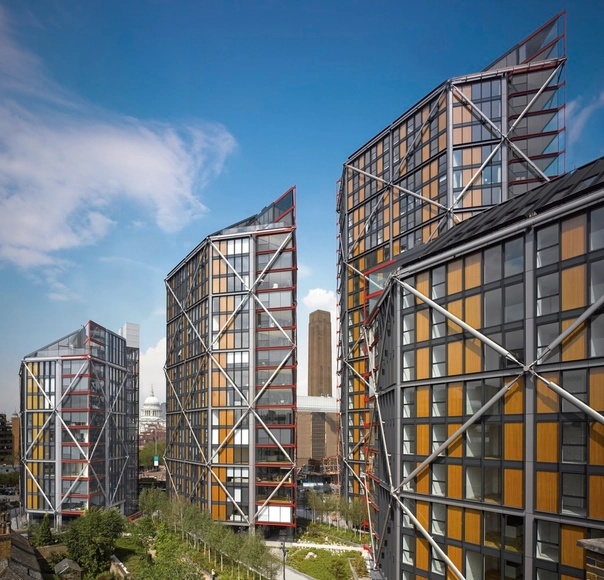
A group known as Architects for Social Housing (ASH) is gaining attention after stating its intention to hold a protest at the RIBA Stirling Prize Award ceremony tomorrow evening. Their protest is directed at the shortlisting of NEO Bankside, the Rogers Stirk Harbour + Partners-designed luxury apartment complex on London's south bank, which they say "has not only broken every planning requirement for social housing in Southwark, but in doing so has set a very dangerous precedent for the mechanics of social cleansing in London."
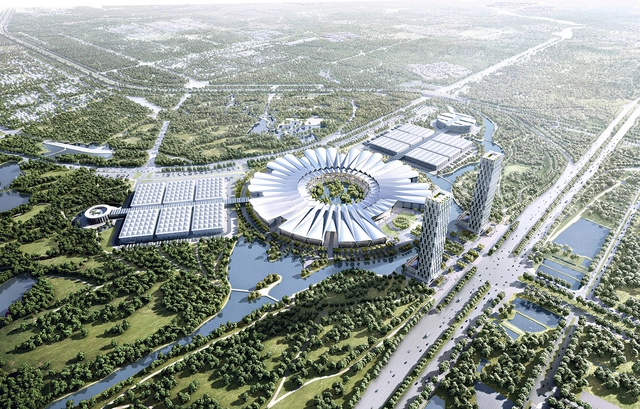
Gmp Architekten has won a competition to design the masterplan and architectural concept for the National Exhibition and Trade Fair Center in Hanoi, Vietnam. The firm’s lotus-inspired plan was one of nine competing international designs.
Buoyant Starts / Floating Homes Ltd with Baca Architects. Image Courtesy of New London Architecture
Following their selection of 100 ideas to help solve London's housing crisis last month, New London Architecture (NLA) and the Mayor of London have narrowed down the entrants to ten winners which they believe offer exemplary models for the UK capital. The selected designs range from radical architectural solutions, such as Floating Homes and Baca Architects' proposal to create 7,500 new homes in a matter of mere months by floating small abodes in London's canals, to radical economic solutions such as David Kroll's recommendation to separate the value of properties from the value of the land they occupy.
In addition to being displayed alongside the 90 other proposals in an exhibition put on by NLA, these ten projects will be presented to the Greater London Authority to be assessed for their feasibility as real-world solutions to the crisis. Together, these ten designs provide insights into potential solutions - but also the many different causes - of London's housing crisis. Read on for images and descriptions of all ten designs.
WIRED Magazine has created a list of Eight Cities That Will Show You What The Future Will Look Like in the latest edition of their design issue. In the relatively short span of time that humans have been planning cities, more and more decisions have been made that have shaped the path of new technologies and methods that will make cities better. Such projects—like new streetlights, bicycle infrastructure, and traffic-sensitive museums—highlight some of these advances in the urban lifestyle.
"The cities of tomorrow might still self-assemble haltingly, but done right, the process won’t be accidental. A city shouldn’t just happen anymore. Every block, every building, every brick represents innumerable decisions. Decide well, and cities are magic," writes Wired author Adam Rogers. Read on after the break to see how 8 different cities from around the world are implementing innovative projects.
Photographer Laurian Ghinitoiu has shared with us images of OMA's recently completed Garage Museum of Contemporary Art in Moscow. The museum project repurposed the 1960s Vremena Goda restaurant in Gorky Central Park and transformed it into a modern exhibition space adorned with Soviet era tiles, mosaics and bricks preserved from its previous life.
"The building offers a wide range of interior conditions for the exhibition of art beyond the ubiquitous “white cube,” described OMA in the project's description. Scroll down for more images of the museum by Ghinitoiu.
In a culture dominated by smartphones and Instagram, with estimates that over one trillion photographs will be taken this year alone, it might seem impossible for photographs to make and shape issues in the ways they once did. Despite this, images still steer debates with shocking resiliency and, with luck, become iconic in their own right. As architecture is synonymous with placemaking and cultural memory, it is only logical that images of the built environment can have lasting effects on the issues of architecture and urbanism. It's never been easier for photographs to gain exposure than they can today, and with social media and civilian journalism, debates have never started more quickly.
Last year, Thomas Piketty's Capital in the Twenty-First Century took the world of economics by storm. His historical analysis and critique of the capitalist system fed perfectly into the wider narrative being constructed in the wake of the global financial crisis. But what lessons does Piketty hold for architects? In an article for The Architect's Newspaper, OMA partner Reinier de Graaf examines the way that the development of architecture in the 21st century mirrored that of economics, as the design of buildings became simultaneously a symptom and a cause of trends in capital. Read the full article - including de Graaf's question for the architects of the 21st century - here.





.jpg?1445011714&format=webp&width=640&height=580)














.jpg?1444180136&format=webp&width=640&height=580)
.jpg?1444182984 "Garage Museum of Contemporary Art / OMA. Image © Laurian Ghinitoiu")
.jpg?1444181210 "Garage Museum of Contemporary Art / OMA. Image © Laurian Ghinitoiu")
.jpg?1444182886 "Garage Museum of Contemporary Art / OMA. Image © Laurian Ghinitoiu")
.jpg?1444181258 "Garage Museum of Contemporary Art / OMA. Image © Laurian Ghinitoiu")
.jpg?1444180136)