1. ArchDaily
  2. Battery Park City

Battery Park City: The Latest Architecture and News

Subscriber Access

Flat Land, Hidden Water: Architecture on Reclaimed Ground

Audio available

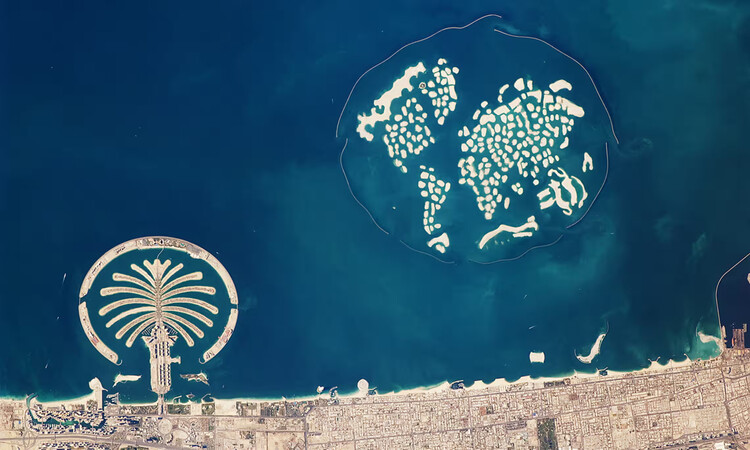
Reclaimed land is often presented as new ground: flat, available, and ready for architecture. It promises cities more space where space is scarce, allowing them to extend waterfronts and build cultural districts. Sometimes, these newly claimed lands may also develop into financial centers, create parks, and imagine futures beyond the limits of existing land. Yet reclaimed land is never simply land. It is an engineered surface, produced through fill, seawalls, drainage, and soil stabilization — a long-term negotiation with the water it claims to have displaced.

This makes reclamation one of architecture's most powerful and ambiguous spatial fantasies. On one hand, it offers freedom: a tabula rasa where streets and buildings can be planned almost from scratch. On the other, this apparent freedom conceals dependency. Made land must constantly prove itself as ground. It has to resist flooding, support foundations, grow trees, and hold public life above a terrain that did not previously exist.
Flat Land, Hidden Water: Architecture on Reclaimed Ground - 1 的图像 4Flat Land, Hidden Water: Architecture on Reclaimed Ground - 2 的图像 4Flat Land, Hidden Water: Architecture on Reclaimed Ground - 3 的图像 4Flat Land, Hidden Water: Architecture on Reclaimed Ground - 4 的图像 4Flat Land, Hidden Water: Architecture on Reclaimed Ground - More Images+ 8

What Are Architects Escaping From? Ambition and Avoidance in Designing for Remote Sites

Audio available

Ask an architect what the hardest problem in the discipline is right now. The block of unmaintained postwar housing two streets from their office rarely comes up. What comes to their mind is the pressure differentials on Mars, or the tensile loads on a floating platform; because unclaimed ground has no one to negotiate with, no history to answer to, no tenant to remember the last renovation, which makes it considerably easier to design for.

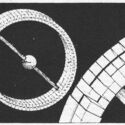
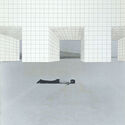
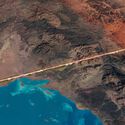
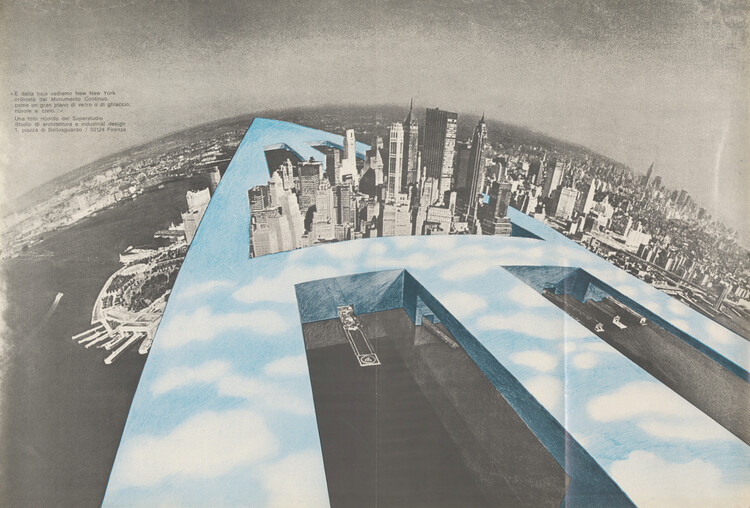
Architects think of themselves as solving a harder problem than the one next door. A project, like The Line, a 170-kilometer city meant to house nine million residents, with a site with no prior claimant, is not architecturally harder than a site with a hundred years of tenancy, contested ownership, and a planning department that remembers the last three developers who used the word "community" and meant something else. It is, considerably, easier. No one to persuade, no history to answer to, no argument to lose. Which raises the question of whether the harder problem is sitting two streets from the office, unsolved, and the easier one is the one getting the renderings and the funding rounds; then 'ambition' is the wrong word for what is happening. Something is being avoided, and we need to start thinking about what.

What Are Architects Escaping From? Ambition and Avoidance in Designing for Remote Sites - Imagen 1 de 4What Are Architects Escaping From? Ambition and Avoidance in Designing for Remote Sites - Imagen 2 de 4What Are Architects Escaping From? Ambition and Avoidance in Designing for Remote Sites - Imagen 3 de 4What Are Architects Escaping From? Ambition and Avoidance in Designing for Remote Sites - Imagen 4 de 4What Are Architects Escaping From? Ambition and Avoidance in Designing for Remote Sites - More Images+ 10

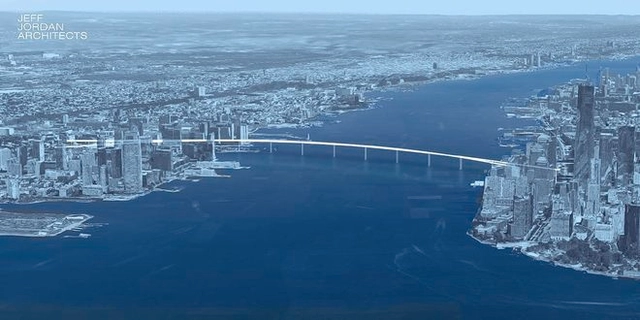
This Proposed Pedestrian Bridge Lets You Walk Between Manhattan and New Jersey

Despite being separated by only a few miles, Manhattan and Jersey City seem much further apart; the Hudson River forces commuters to take long, roundabout routes or rely on the over-worked PATH system. Inspired by a need for connectivity between the two cities, Kevin Shane began conceptualizing a new pedestrian bridge, dubbed Liberty Bridge, which would connect Jersey City to Battery Park. Read more about this conceptual proposal after the break.

A New Series Featuring Laurie Olin, Acclaimed Landscape Architect

The Cultural Landscape Foundation recently launched its newest documentary as part of the ongoing Oral History series, this time focusing on the ideas and career of Laurie Olin, a recipient of the National Medal of the Arts and one of the greatest landscape architects of our time. Olin's influential work as a practitioner, educator and author over the past forty years has helped to guide the future of landscape architecture and shape urban life around the world.