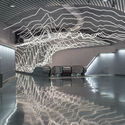
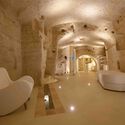
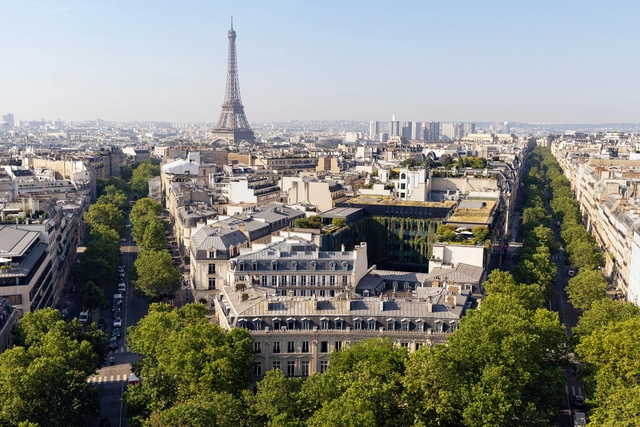
In 1900, Paris hosted its first Olympic games. It had been the second city to host them after the first Olympics in Athens. It was also the year of the Exposition Universelle, where the city would again showcase how it remade itself anew in less than 30 years. To this day, Paris remains a hub for all sorts of architectural innovation and development through bold designs that affect how people live and new materials and techniques. It fascinatingly juxtaposes grandeur and monumentalism with its predominately baroque, “second empire,” and art nouveau works; while also pushing for designs that strive for social living reforms such as in Le Corbusier’s experimental works or Lacaton & Vassal’s considerate interventions.
It’s this openness to the world that attracts not only millions of visitors a year but also innovators and architects who have set up shop in Paris and made it their second home. Once again, the city reworks itself as mass construction, renovation, and restoration sites culminate all over the city to host international athletes at the 2024 Olympics.
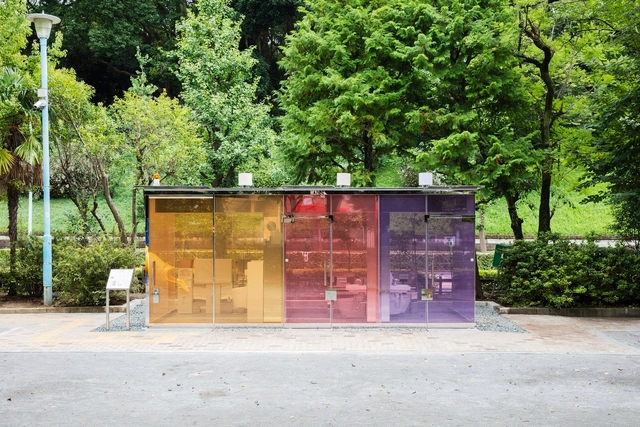
"A bathroom is a place where everyone is equal—there is no rich or poor, no old or young; everyone is part of humanity." This reflection was shared by Wim Wenders, exponent of New German Cinema and director of the filmPerfect Days (2023) when asked about the striking sets of his most recent work. Wenders selected Tokyo's public restrooms to craft a narrative that deeply explores themes of solitude, simplicity, and the beauty of everyday life.
The story follows Hirayama, a middle-aged man working as a public toilet cleaner in Tokyo. His life is simple and routine, yet filled with small pleasures and moments of reflection. This modest lifestyle contrasts with the technological, colorful, and innovative designs of the public restrooms he cleans every day.
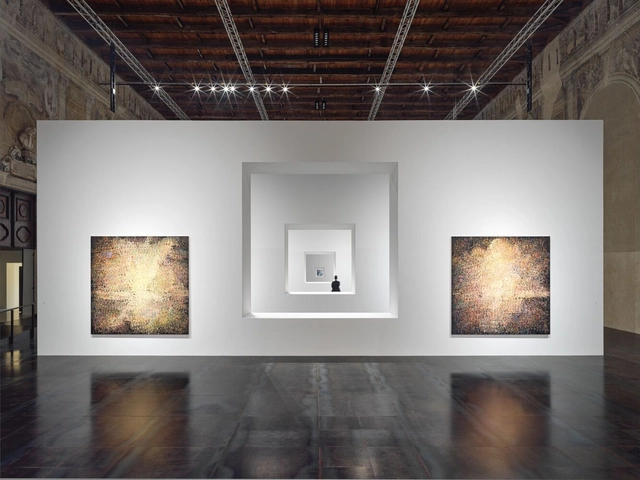
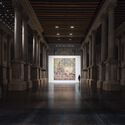
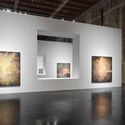
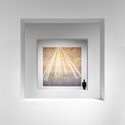
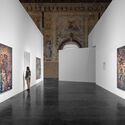
A new exhibition presenting the works of artist Zeng Fanzhi has opened in the historic Scuola Grande della Misericordia in Venice, Italy. Running from April 17 to September 30, 2024, concurrent with this year’s edition of the Venice Arts Biennale, the “Zeng Fanzhi: Near and Far/Now and Then” exhibition showcases the latest breakthroughs in the artist’s practice in a space adapted by architect Tadao Ando.
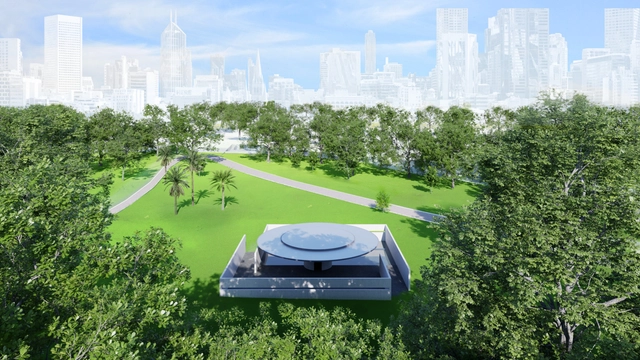
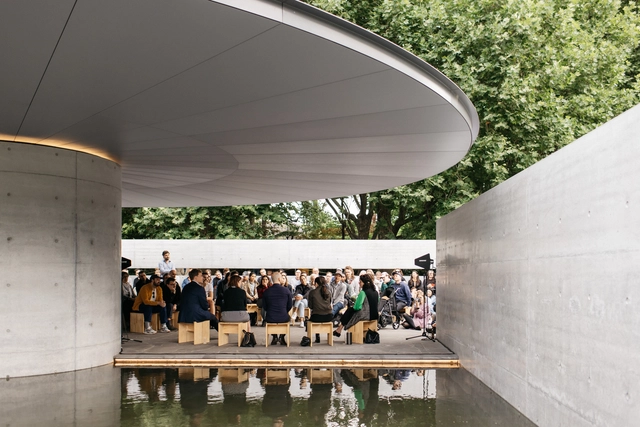
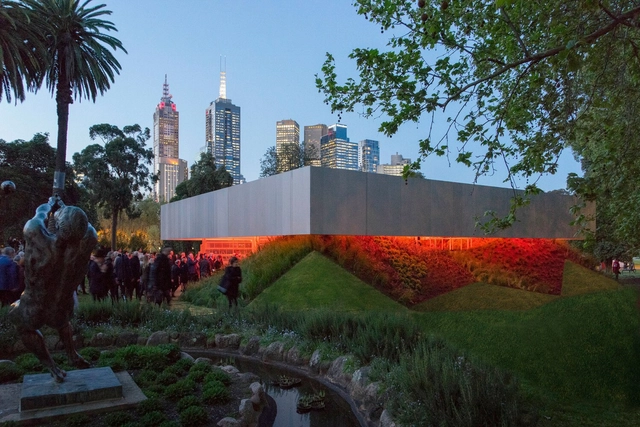
In Melbourne, Australia, the tenth edition of the MPavilion, designed by Pritzker Prize-winner Tadao Ando, has been extended until March 2025. Marking the architect’s sole-built project in Australia, the extension presents an opportunity for Melburnians and visitors to enjoy the space and its diverse offerings. The pavilion welcomes guests daily, serving as a serene oasis, a communal gathering space, and a landmark architectural destination throughout the year.
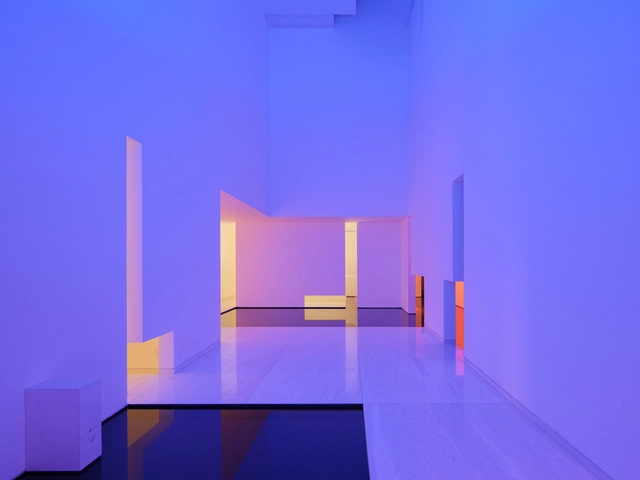
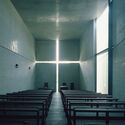
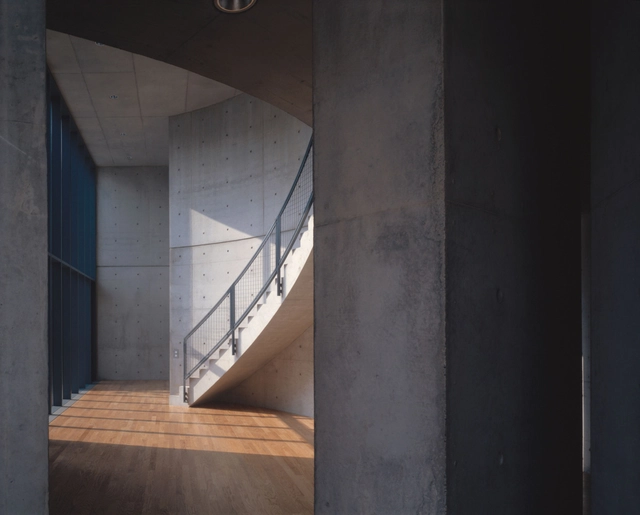
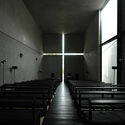
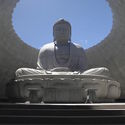
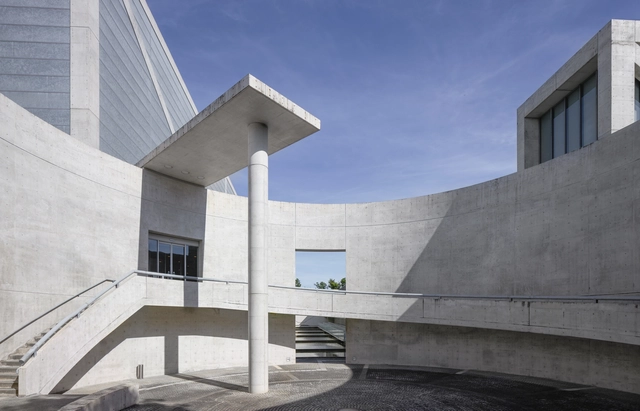
If there is any consistent factor in his work, says Pritzker-winning architect Tadao Ando, then it is the pursuit of light. Ando’s complex choreography of light fascinates most when the viewer experiences the sensitive transitions within his architecture. Sometimes walls wait calmly for the moment to reveal striking shadow patterns, and other times water reflections animate unobtrusively solid surfaces. His combination of traditional Japanese architecture with a vocabulary of modernism has contributed greatly to critical regionalism. While he is concerned with individual solutions that have a respect for local sites and contexts Ando’s famous buildings – such as the Church of the Light, Koshino House or the Water Temple – link the notion of regional identity with a modern imagining of space, material and light. Shoji walls with diffuse light are reinterpreted in the context of another culture, for instance, filtered through the lens of Rome’s ancient Pantheon, where daylight floods through an oculus. Ando’s masterly imagination culminates in planning spatial sequences of light and dark like he envisioned for the Fondation d’Art Contemporain François Pinault in Paris.
Last week, Japanese architect and social advocate Riken Yamamoto was announced as the 2024 Pritzker Architecture Prize Laureate, becoming the 9th Japanese architect honored with the profession's most prestigious award. Throughout the 45-year history of the Pritzker Prize, Japan stands out as the nation with the highest number of laureates. While geography is not a criterion in the selection of the laureates, Japanese architecture consistently impresses with its interplay of light and shadow, the careful composition of spaces, soft transitions between interior and exterior, and attention to detail and materiality. An ingrained culture of building also celebrates diverse designs and encourages global dialogue and the exchange of ideas and best practices. Read on to rediscover the 9 Japanese Pritzker laureates and glimpse into their body of work.
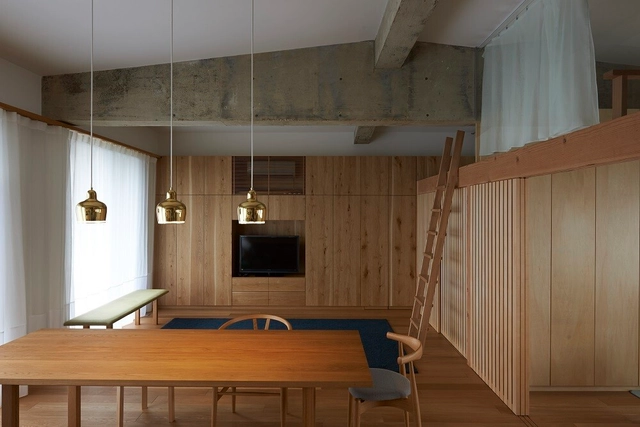
Contemporary Japanese interiors incorporate elements both of tradition and modernity to embody the country's innovative spirit while maintaining a profound respect for its history and cultural heritage. Though traditional materials like wood, paper, and bamboo continue to hold significance, modern Japanese interiors also often feature a fusion of glass, steel, concrete, and metals. The juxtaposition of smoother, sleeker textures and finishes with warmer and more organic ones reflects a dynamic synthesis of old and new, and results in visually striking and functional spaces that honor the essence of the country's design principles.
The MPavilion represents one of the most important architectural events happening annually in Melbourne, Australia. Initiated and founded by the Naomi Milgrom Foundation, the event was first launched in 2014 and has since brought internationally recognized architects to design a temporary structure in Melbourne's Queen Victoria Gardens in a system similar to London’s Serpentine Gallery Pavilion. From Sean Godsell's solar-actioned panels to Studio Mumbai‘s experimental bamboo structure, each pavilion explores craftsmanship and contemporary design while fostering a rich cultural program for several months before being disassembled and donated to one of the city’s parks. As the latest pavilion was recently inaugurated by Tadao Ando, we look back at the previous editions of Australia’s most famous annual structure.
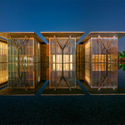
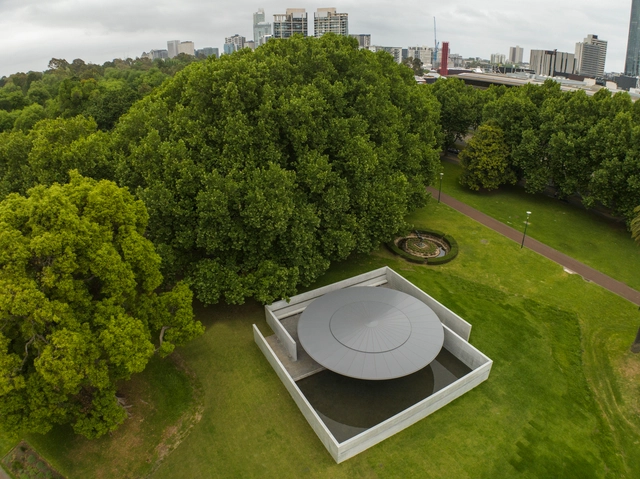
The tenth edition of the MPavilion opens in Queen Victoria Gardens in Melbourne, Australia. The structure was designed by Pritzker Prize-winner Tadao Ando, marking the architect’s first built project in Australia. The pavilion follows his signature use of geometric shapes in harmony with the natural landscape and the precise use of exposed concrete. On November 16, 2023, the official opening inaugurates the space with a public celebration and a wide array of art commissions selected by the Naomi Milgrom Foundation. The MPavilion will remain free and open to the public from 16 November to 28 March 2024, inviting visitors to engage with its diverse cultural program and find opportunities for contemplation and tranquility in its spaces.
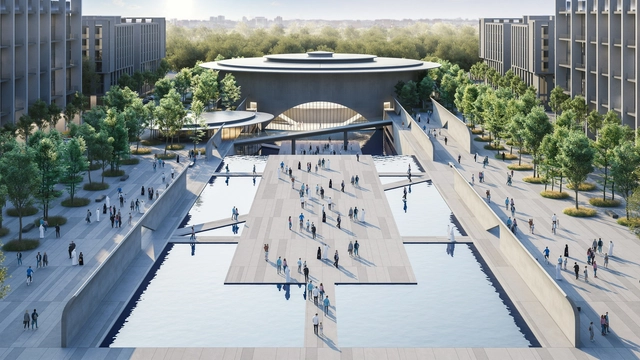
Tadao Ando has revealed the designs for a new performing arts center in Sharjah’s Aljada. “II Teatro” is a 2000-seat auditorium with a gallery and an event space and will serve as a focal point within the Aljada master plan. Dedicated to art, culture, and design, the Naseej district will house the theater with a multi-layered cultural plaza. In collaboration with local developer Arada, The scheme is expected to be completed in 2027, acting as a true reflection of Tadao Ando’s architectural simplicity.
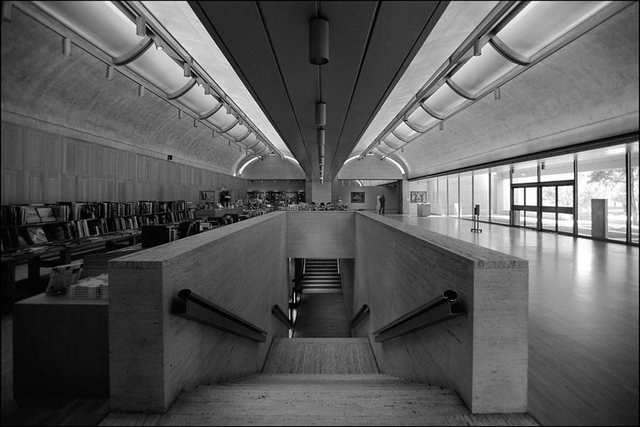
Kimbell Art Museum / Louis Kahn. Image Courtesy of Xavier de Jauréguiberry
AD Classics presents you with some of the greatest buildings of the past that have influenced and shaped architecture today. Throughout ArchDaily's 13 years, more than 200 classics were published, and for this edition, we have rounded up the top 20 most visited Architecture Classics to date.
The Naomi Milgrom Foundation has revealed the design of its tenth MPavilion, designed by Pritzker Prize-winner Tadao Ando, set to open during Australian summer, on November 16, 2023. Reflecting the architect’s architectural approach, the design unveiled the “use of striking geometric interventions in nature and […] concrete.” Once ready, the intervention will become the architect’s first commission in Australia. Created as a new gathering place situated within Melbourne's cultural and botanical garden precinct, MPavilion 10 responds directly to the park's surroundings by emphasizing spatial purity and utilizing the geometric shapes of circles and squares.
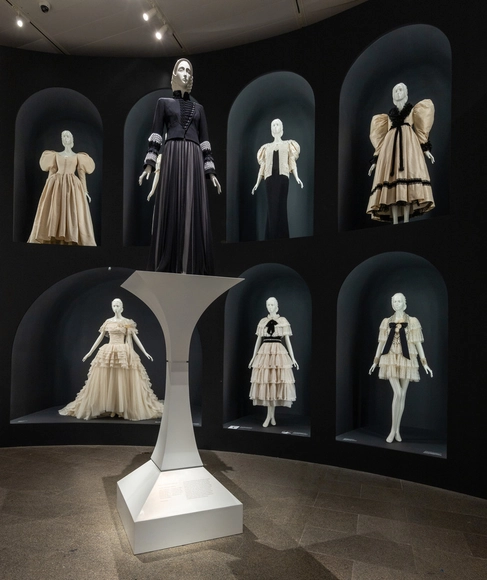
Architect Tadao Ando has been commissioned to design this year’s Costume Institute exhibition highlighting the work of Karl Lagerfeld. The opening of the exhibition titled “Karl Lagerfeld: A Line of Beauty” was marked by the world-renown Met Gala, a fundraising event attended by celebrities and personalities perceived to be culturally relevant in the fashion scene. Perceived as a thematic and conceptual essay on Lagerfeld’s work, rather than a traditional retrospective, the exhibition aims to illustrate the designer’s method of creative expression and its significance in the industry.
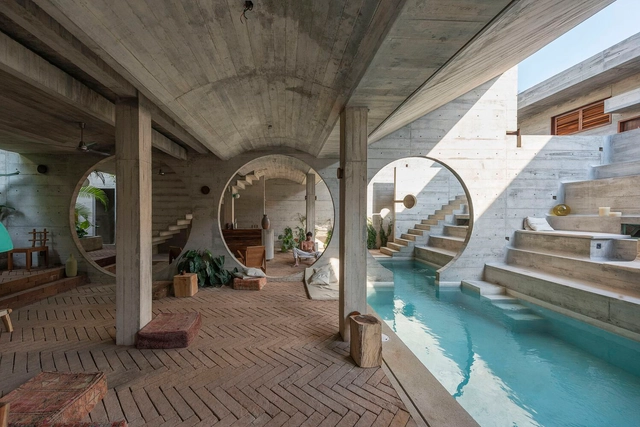
Although there is no exact record of the specific moment in which Puerto Escondido began to become a reference of contemporary Mexican architecture, various waves have been experienced. Perhaps the first one started in 2016 when the construction of Casa Wabi began, a Tadao Ando project where the Mexican office BAAQ´ collaborated as associates to develop the executive project and coordinate its construction. However, in 2019 another wave was experienced that was later reinforced by the beginning of the COVID-19 pandemic and remote work, which radically aroused interest in returning to the provinces and costs where there was less population and overcrowding.
Luis Barragán’s legacy lies in the way he uses light and color. Tadao Ando's sensitive approach to natural light established his own architectural language. James Turrell's dramatic interior transformations explore a unique perception of visual experiences where "light is not a tool to enable vision but rather something to look at itself". Olafur Eliasson's immersive installations play with the psychology of viewers using just light, water, and air. These architects and designers, among others, have reimagined how light is perceived, inspiring generations of architects to follow suit with the way they understand and employ light.
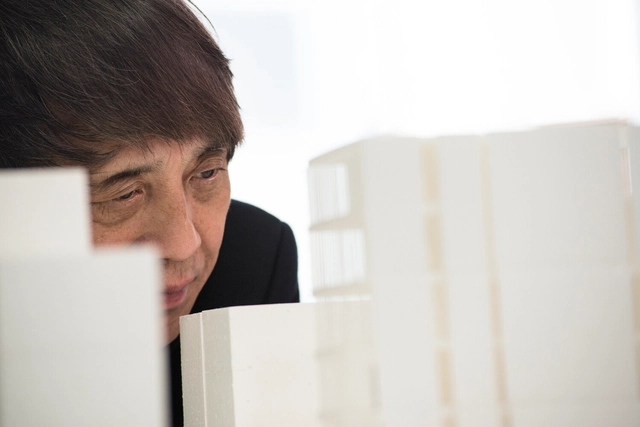
Tadao Ando. Image Courtesy of Tadao Ando Architect & Associates
The Naomi Milgrom Foundation announced Tadao Ando as the winner of the commission to design the MPavilion 10 in Queen Victoria Gardens in Melbourne. This will be Ando’s first project in Australia, as he will be taking part in the country’s foremost annual architecture commission and design festival. Now in its 10th edition, the MPavilion gives complete freedom to the designers to create their concepts and realize their vision, hoping to encourage new and unique design languages to further develop this vital site in the cultural and community life of Melbourne. Details of Tadao Ando’s design will be revealed in May, and the pavilion is scheduled to open to the public on November 16, 2023.
Imagine if light would not only provide optimum visibility for tasks but convey meanings as well. Standards with recommended lux levels for various visual tasks have led to a quantitative understanding of lighting. However, lighting can also be used to contribute to emotion in rooms and to structure architecture. Would it be adequate to regard lighting as language sent by architects or interior designers and being received by inhabitants and citizens? Adding a semiotic perspective can help to recognize how light and shadow contributes to the meaning of the built environment.
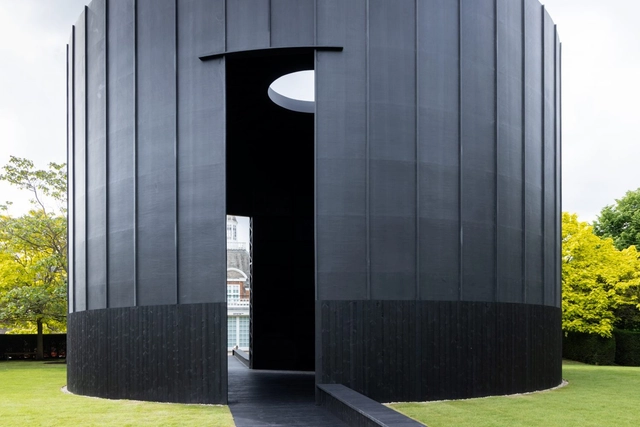
A few weeks ago, this year’s edition of the Serpentine Pavilion opened to the public. Designed by Chicago-based artist Theaster Gates, it’s an evocative project, its cylindrical form referencing American beehive kilns, English bottle kilns, and Musgum adobe homes found in Cameroon.
What the pavilion is named tells the viewer a lot more about its intentions as a spatial experience. Titled Black Chapel, it houses a spacious room with wraparound benches, and an oculus above that allows daylight to filter into the space. It’s a fairly minimal interior – designed as a site for contemplation and reflection. This minimal quality of Gates’ Serpentine Pavilion raises particularly interesting questions. How artists and architects opt for a “less is more” approach when designing meditative spaces, but also how these introspective spaces have been equally enhanced by ornamentation.








.jpg?1555434139 "Koshino House, Ashiya-shi / Japan. Image © Kazunori Fujimoto")










.jpg?1570002957 "La Muralla Roja / Ricardo Bofill. Image Courtesy of Ricardo Bofill")