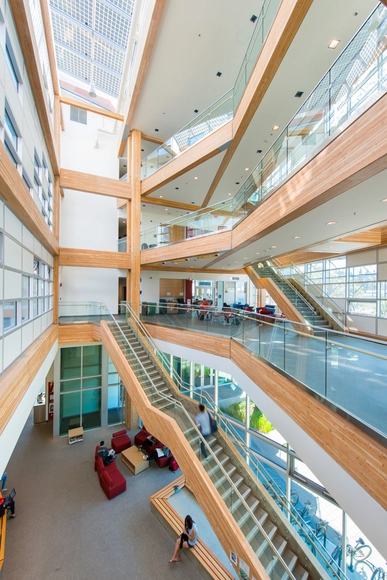
To initiate change of any kind, one must first be aware of the problem at hand. In the construction industry –which is responsible for 39% of global greenhouse gas emissions and countless other environmental impacts– mastering and understanding the numbers related to its processes is extremely important. But assessing the impact of a product or a material is much more complex than one might think. It includes the exhaustive collection of data about its inputs (for example, the raw materials, energy, and water used) and outputs (such as emissions and waste) associated with each stage of the life cycle. This allows for the quantification of the embodied carbon and other environmental impacts, the identification of where performance can be improved, and provides real numbers for a comprehensive and unified comparison between materials and products.
The Whole Building Life Cycle Assessment (wbLCA) method studies the totality of products present in a building, providing valuable information for decision-making related to the design, construction, operation, maintenance, and eventual demolition or reuse of a building. In other words, it refers to the totality of the LCA (Life Cycle Assessment) for all of the building's components. Recently, the National Research Council of Canada, in collaboration with the Athena Sustainable Materials Institute, released the national guidelines for wbLCA, which reflect what is practiced in North America. The aim is to harmonize the practice and to aid interpretation and compliance with relevant standards, with the guidelines being updated periodically as it evolves, enabling the calculation of reliable baselines or benchmarks, supporting LCA-based compliance schemes and assisting in the development and use of wbLCA software.
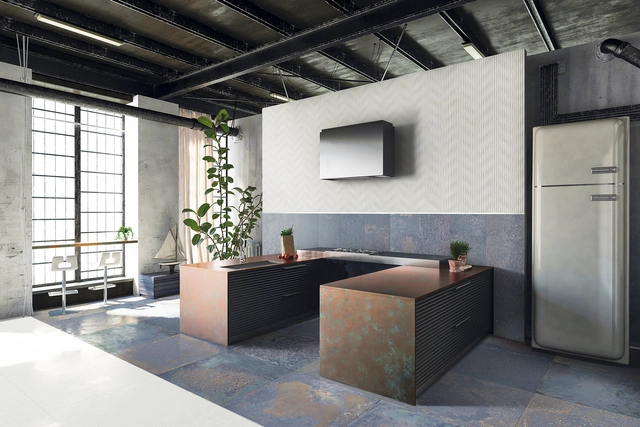
In recent decades, the industrial style has strongly attracted the attention of architects, designers and homeowners. However, few know its true origin. Following the rise of industrialization in the United States during the 1950s, many old industrial spaces, such as warehouses or factories, were abandoned in areas like New York's Soho. As a consequence, prices fell and became affordable housing alternatives for city dwellers. These new repurposed spaces were characterized by an aesthetic that mixed raw and exposed materials with modern elements and technologies, generating a strong aesthetic identity that was as rustic as it was sophisticated.
Today, industrialized-looking interiors are highly appreciated for the character of their materials, providing different shades, textures, brightness and opacity. There are, however, new materials that blend this weathered aesthetic with innovations that facilitate their installation and maintenance. Let's review the case of Aparici's Corten Tile Collection and its possible applications in different spaces of the home.
The United Nations estimates that the world population will reach 10.4 billion by 2100. Already by 2050, 2 out of 3 people will call cities home, coming in search of the opportunities, services and amenities on offer. That puts even more pressure on urban areas given all these people will need access to water, food, public space, good infrastructure and, above all, housing. In fact, estimates suggest more than two billion homes will need to be built by the end of the 21st century to accommodate this population explosion. As cities grow, so does urban sprawl, which brings its own set of environmental and social challenges. In the face of climate change, sustainable urban development must ensure that future housing solutions –new and renovated– are built to support healthy communities, prioritizing both human and environmental well-being. In turn, cities will need to be built denser and faster, but not without meeting a long list of stringent criteria. Only this way can we avoid the negative, often overlooked, effects of uncontrolled hyper densification that give urban development a bad name.
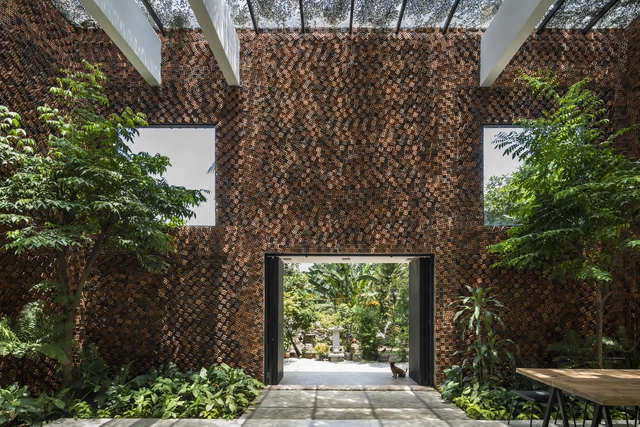
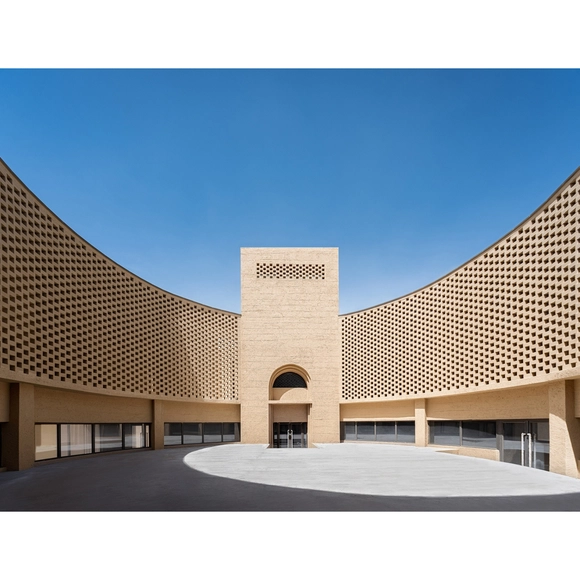
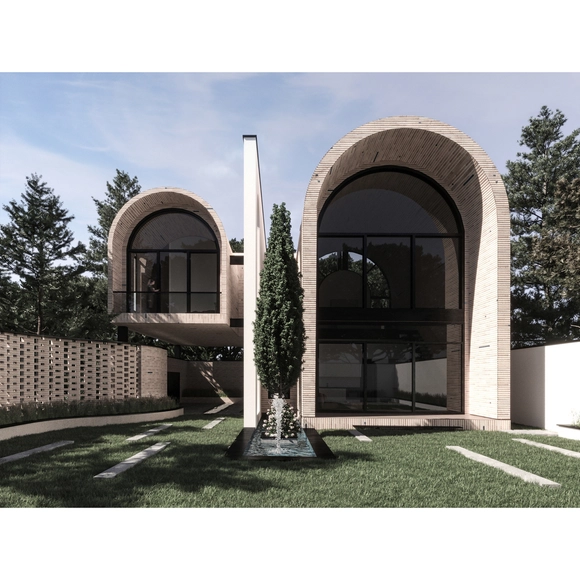
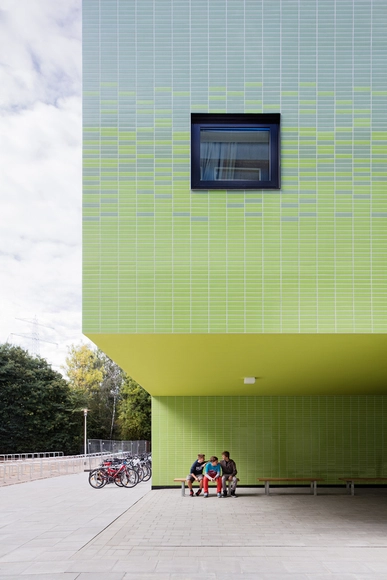
The Brick Award is an internationally established award that presents outstanding brick architecture from all around the world. Independent architecture critics, experts, architects and developers are invited to submit innovative and creative buildings and other construction works made of clay building materials. The spectrum of applications ranges from building solutions using classic clay blocks, facing bricks and roof tiles to the creative application of clay pavers and ceramic façade panels.
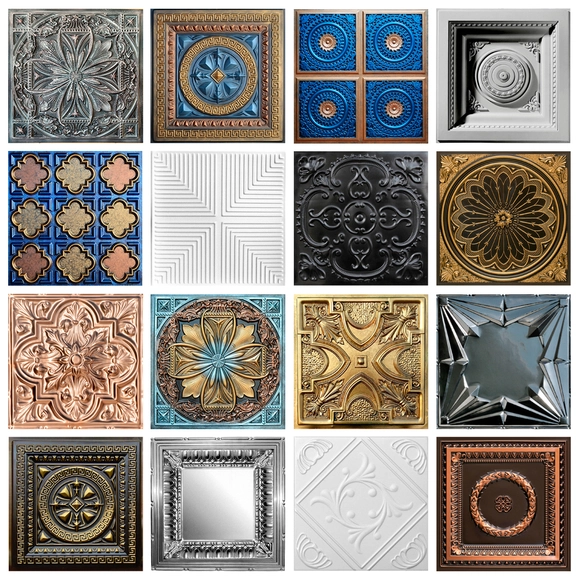
Ceilings were once a symbol of grandeur and opulence, adorning grand buildings, churches and palaces with their intricate and elaborate designs. We still find ourselves looking up in awe at these mesmerizing historical buildings, with our eyes drawn to their magnificent vaulted ceilings, remarkable truss structures or distinctive works of art depicting mythology, historical events and landscapes. Contemporary design, on the other hand, has shifted towards a sleek, minimalistic aesthetic; one where plain white ceilings have become the norm in most modern buildings. As Rasmus Wærn and Gert Wingårdh suggest in their book What is Architecture? And 100 Other Questions, “Ceilings have devolved from being the focal point of a room to being a zone for mechanical equipment.” And yet they have extraordinary creative potential.
YM Studio, Dongyi Dunhuang Hotel, 2021. Image Courtesy of A' Design Award & Competition
One of the most important design competitions in the world, the A' Design Award and Competition is open for yet another cycle of awards, with over 100 categories to apply to. Rewarding the best designs, design concepts, products, and services, whether at the concept stage, prototype, or as finished products, the A' Design Award not only gives tremendous visibility to winning projects but at the same time supports global design culture, creating incentives for entrants to submit superior designs for a better future.
The deadline for submission is February 28, 2023 and the results will be announced to the public on May 1. Register, nominate, or submit your design here, and find more information below.
Hossein Hassani - Amin Habbibi - AAD Architecture Office. Image Courtesy of A' Design Awards
The 2023 A' Design Award Competition is announcing its last call for submissions, which close on February 28th, with the results announced to the public on May 1st. The international A' Design Awards give designers an opportunity to showcase their work to a global audience, for designers, architects, or innovators from any other design field. Among other design competitions and awards, the A' Design Award stands out for its exceptional scale with over 100 design categories.
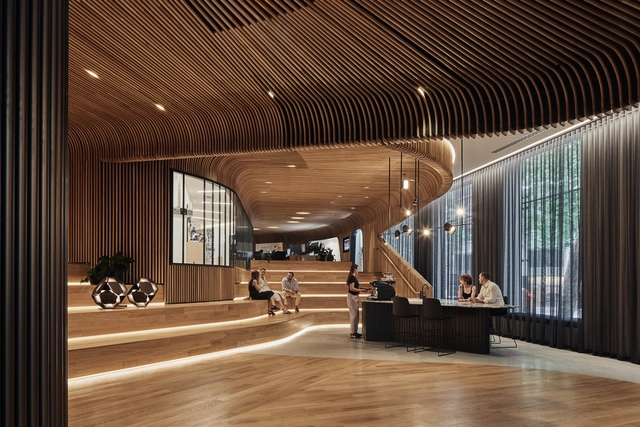
Envisioned by the architectural pioneers at Woods Bagot, the Sculptform Design Studio was the recipient of the prestigious Best Small Workplace Award at the recent World Architecture Festival 2022. The space is an immersive tactile experience and has become a gathering space for the wider architecture industry. The design evokes the bespoke timber and aluminium products, craftsmanship and the custom detailing they are known for.
Sculptform and Woods Bagot set a new standard for the reciprocity that can exist between client and architect and showcases the limitless potential when a design team is truly immersed in materiality. Blurring the line between retail space and installation, it is a brilliant ‘working showroom’ case study for just how impactful design can be when local manufacturing and quality craftsmanship come together.
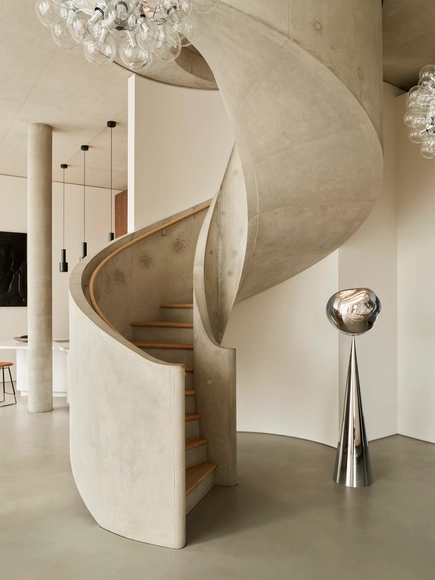
With a simple flick of a switch, lighting has the ability to completely transform a space, define its ambiance and create a mesmerizing, multi-sensory experience. It can cast shadows and highlights, add depth and texture, and even has the power to stir emotions and influence our well-being. More than just a practical source of illumination, it’s a tool for sculpting spaces and making a bold statement. Lighting fixtures come in various shapes, sizes and styles, each with a unique character and purpose; from the ornate elegance of a chandelier hanging from the ceiling to the sleek minimalism of a recessed light installed into a wall. The possibilities for creative expression are endless. Innovating and breaking the boundaries of traditional lighting design, Tom Dixon’s sculptural luminaires are a testament to these possibilities.
The world's oldest stained glass window (which is still standing) is conventionally believed to be in Augsburg Cathedral in the German state of Bavaria. Depicting the prophets David, Jonah, Daniel, Moses and Hosea, it is estimated to be nearly 1,000 years old, having undergone significant bombing during World War II. Long before that, however, mankind had been working with glass, and while today we have thin frames with crystalline sheets and a variety of properties, we had to come a long way to get here. In this article we will tell you a little about the evolution of glass windows and the technologies and possibilities that we have today.
The 2022 FIFA World Cup was unique as the first FIFA tournament held in the Middle East. In another first, the FIFA World Cup, historically held between June and July, was moved to November and December, in view of Qatar’s 40˚C+ climate during the summer months. Even during the cooler months, Qatar’s average temperature reaches 26˚C. Combining this with the heat emitted by tightly packed spectators would at times have made the experience uncomfortable. As a result, Qatar air-conditioned eight of the nine open-air football stadiums – a significant challenge which was overcome through innovative design, technology and architecture and by utilizing spot cooling; and a complex undertaking when it is also important to maintain sustainability credentials.
To effectively cool the stadiums, the most crucial challenge was to prevent or at least reduce the hot air from outside coming into the stadium, which was achieved through the stadiums’ design and architecture.
Videos
Courtesy of The School of the Art Institute of Chicago
The most recent season of ByDesign –a television series that explores design, featuring the designers who bring ideas to life– returns with its sights set on the architecture of the United States. America ByDesign: Architecture will feature six of the US’s most significant architectural accomplishments, competing toward a finale to determine the ultimate winning design. Past ByDesign seasons have focused on New York, California, and Australia—and now, the series will zoom in on the Windy City and the School of the Art Institute of Chicago (SAIC).
Videos
The interior designers for the Chengdu Hotel leveraged a true life-cycle BIM workflow across design teams and contractors to reduce construction time by 50%. Image Courtesy of SketchUp
Most architects are looking to win more work; not just higher-paying projects but those that allow them to unleash their creativity and passion. These opportunities can be won or lost on a professional's ability to communicate their design vision — so the proposal has to be on point. These tips from leaders in the design field can help architects win bids and create their dream projects.
“Color is life; for a world without color appears to us dead.” Distinguished painter Johannes Itten described with these words the exceptional power of color in our perception of the world. As a sensory event, color not only defines what we see, but also how we feel and think; it has been shown to alter productivity, inspire decision-making, shape our perspective, and influence our well-being. Especially in architecture, these effects materialize and reach their maximum splendor. Design is, after all, a visual form of communication, and color palettes –coupled with light, shadow, texture and sheen– play a critical role in conveying a building’s message. They create the ambiance that supports the function of a space, completely transforming user experience. Even the greats have recognized this power: “Polychromy is as powerful an architectural tool as the plan and section,” Le Corbusier once said.
In a new series entitled "Opening Up", Dutch manufacturer of pivot door hinges FritsJurgens embarks on a series of video stories that explore the world’s most captivating pivot door projects. Every last Monday of the month, FritsJurgens releases a new episode in which architects, door manufacturers, and pivot door owners talk about their pivot door projects.
A new platform launched by 3D Agora is looking to revolutionize the architectural visualization industry by sweeping out all of its cluttered corners. Finding the most suitable 3D Artist for a project, exchanging large files of various kinds with them and keeping track of all versions, requests and changes are said to become much easier with 3D Agora's worldwide database, smart filtering system, feedback panel and the industry-specific project collaboration board.
Imagine walking into a hospital and being greeted by greenery, views, natural light streaming in through large windows and open spaces that promote calmness and serenity. These favorable conditions play a crucial role in shaping patients’ experience, making their days a little bit easier while promoting healing. In fact, good healthcare design has been shown to reduce patient stays, infection rates, medication and medical errors, as well as improve staff attraction and performance. A well-designed facility can ultimately transport patients from a sterile, clinical environment to one that is warm, inviting and even uplifting. Such is the case of the Crystal Clinic Orthopaedic Center by HGA Architects, which has been selected among the five winners of the 2022 Shaw Contract Design Awards “Best of Globe” for its innovative approach to healthcare.
Some professionals have struggled with using Revit for developing interior projects from start to finish, partly due to thescarcity of modern 3D objects to meet the needs of an architecture project in BIM. As a result, the search for quality objects for Revit required time, patience and a lot of creativity.
Realizing this need among professionals, Blocks developed a free plug-in for Revit, which has a library of furniture, lighting and decor. Every week, users have access to new editable families, with the biggest trends in the architecture and interiors market.
https://www.archdaily.com/994865/blocks-plug-in-for-interior-design-in-revitSponsored Post