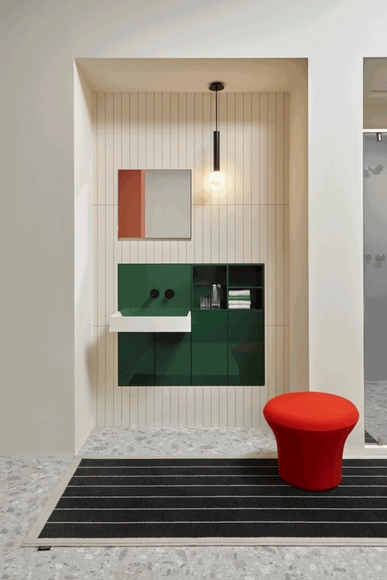
Bathroom accessories serve various functions, especially when it comes to hygiene, organization and practicality. Previously thought of as purely functional components, designed only to perform their intended use, today they are seen as compositional tools that contribute to the overall aesthetics of a bathroom. Careful consideration in the choice of pieces makes it possible to create a functional and pleasant space. As bathroom accessories have become more advanced and complex, designers have begun to explore the potential of incorporating aesthetic elements into their design, resulting in creating smarter, safer, and more beautiful accessories.
Moving away from the decorative and ornate approaches of the past, contemporary designs now seek minimalism and more simplified aesthetics –clean lines, essential elements, with a focus on geometric shapes and a well thought out color palette. This approach has been particularly successful in creating sophisticated spaces, but also in providing a sense of space and openness in smaller bathrooms, where the absence of clutter and unnecessary decoration can make the room seem more spacious.
Besides providing external protection, natural ventilation, insulation and energy efficiency, the presence of façades enhances the building’s personality and character. Among the different types of façade systems, cladding strategies stand out for their variety of materials and textures –such as metal, glass, stone, wood and composite– all of which build durable, low-maintenance and visually appealing structures. Innovating with textures, forms and technologies, BŌK Modern has developed different metal panels for creating functional and aesthetic façade cladding systems. Showcasing six architectural projects, we delve into the practical and visual attributes of rainscreens and wallscreens.
Sustainability is much more than simply deciding for or against a specific product. It is a concept that must be integrated into the way we build and design architecture, as well as the intelligent use of existing buildings and their potential renovations. From a sustainability perspective, demolishing an old building is just as unsustainable as building a new one. Both use large amounts of embodied energy that can be avoided when all planning parties consider new ways of working and collaborate more closely.
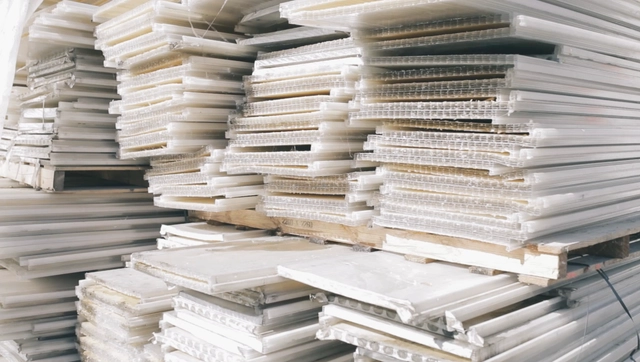
In this sense, the efficient use of raw materials and the reduction of waste for reuse is essential. Polycarbonate in façades, for example, has a life cycle of at least 20 years on average and can be recycled and reused in many ways, thus doubling its useful life until it can no longer be usefully recycled.
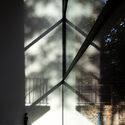
Beyond light as a physical phenomenon perceptible by the human eye, daylight is an inexhaustible architectural resource that is sometimes taken for granted. Just like the air we breathe, we are all aware of the existence of light, but rarely do we seek to do anything else with it. It is essential to recognize its presence as an enabler of experiences in space, due to its intrinsic relationship with architecture and human beings.
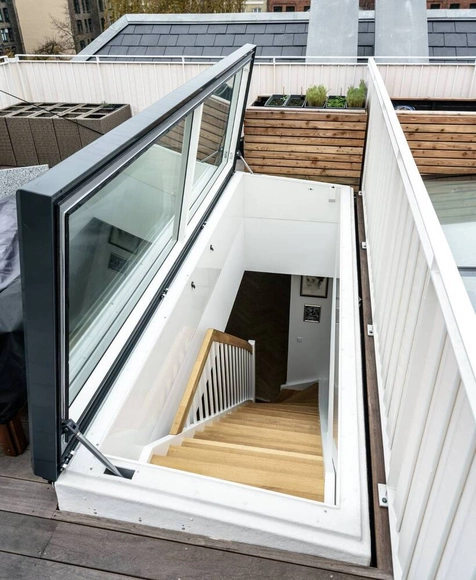
The incidence of light in architecture directly influences the way we perceive the passage of time. Since ancient times, constructions such as ziggurats have integrated strategies to capture the changing daylight through their roofs, evolving and remaining present in modern constructions such as the Villa Savoye. More recently, the flatness of roofs in contemporary buildings has been a great resource for incorporating architectural elements that also allow them to be inhabited, such as roof access hatches, which serve as a link between natural light and roof terraces.
Below, we review some of the latest technologies in skylights and access hatches, such as those developed by LAMILUX.
https://www.archdaily.com/997903/the-threshold-between-daylight-and-architecture-flat-roof-access-hatchesEnrique Tovar
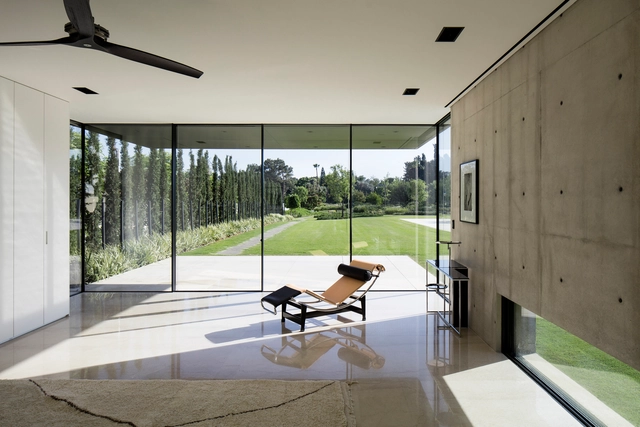
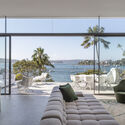
Le Corbusier once described architecture as “a learned game, correct and magnificent, of forms assembled in the light.” Natural light –and its accompanying shadow– plays a crucial role in shaping our perception of architecture, serving a long list of functions that define how users experience, engage and interact with buildings. From illuminating and accentuating to enhancing views and evoking warmth, the presence of daylight has the power to set a room’s tone and aesthetic language. It even has a significant impact on human health and well-being, including boosting mood and productivity, regulating circadian rhythms and reducing eyestrain and headaches –it makes our lives brighter, literally.
META SQUARE Brushed Champagne. Image Courtesy of Dornbracht
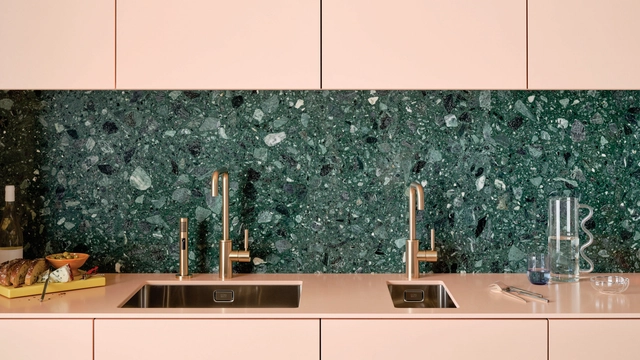
Appropriate fittings are as crucial to interior design as any other prominent feature, enhancing aesthetic appeal and providing the finishing touches to a space. Considered spaces where some of our most basic needs are met, kitchens are ideally designed to suit the lifestyles of its inhabitants, and can include customized fittings with diverse faucet systems, functions and finishes. Seeking style and functionality, we showcase a round-up of Dornbracht’s latest series of kitchen faucets, which seamlessly integrate cutting-edge refinements with timeless design to create versatile living spaces.
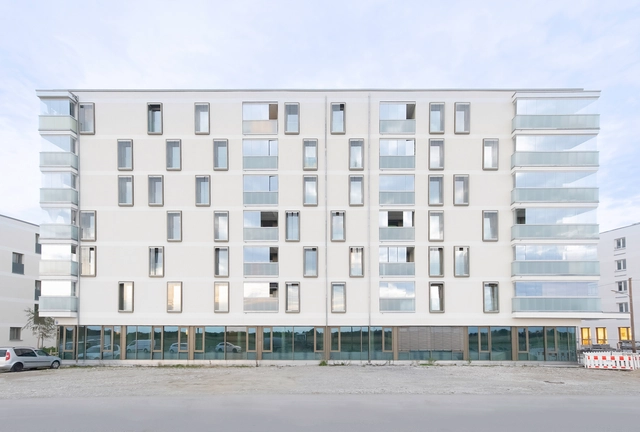
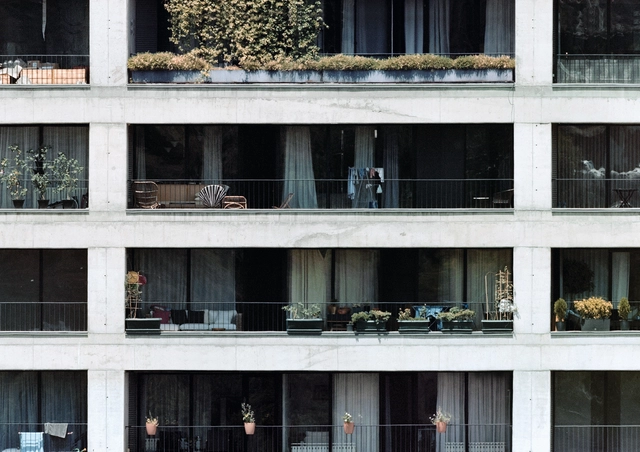
Higher noise emissions, higher wind loads and a desire for greater energy efficiency – the structural requirements for façades in multi-storey residential buildings and skyscrapers are becoming increasingly demanding, for both new builds and renovations. This is the result of the urban densification that is taking place in response to the acute lack of available housing and the more extreme weather conditions brought about by climate change.
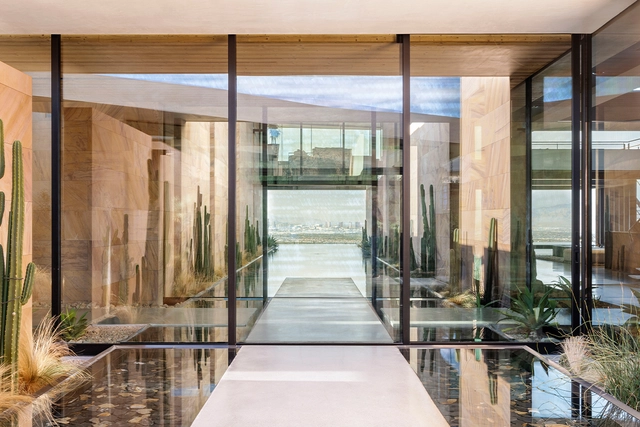
VM01 House / Blue Heron. Image Courtesy of Western Window Systems
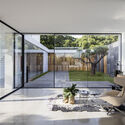
A home’s entry is often its first impression, and modern architects are using large scale glass to create impressions that are dramatic, surprising, and uniquely welcoming. See how six architects designed unique entries for homes, regardless of size and location.
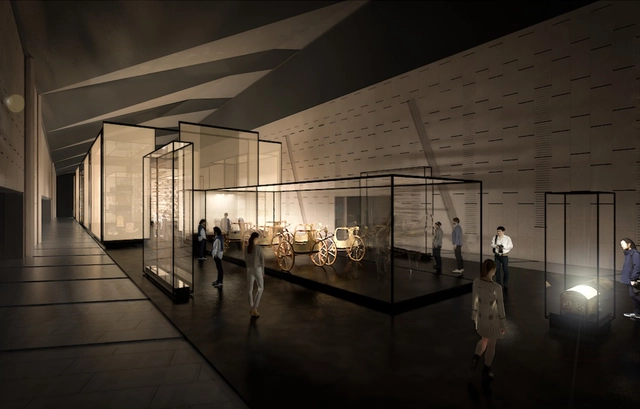
Two decades in the making, the Grand Egyptian Museum (GEM) in Cairo is one of the most anticipated cultural buildings, set to be an architectural marvel and a leading scientific, historical and archeological study center. The vast, billion-dollar mega-project occupies a site of around 500,000 square meters adjacent to the Pyramids UNESCO World Heritage Site in the Giza Plateau. Within its halls, what will soon be the world’s largest archeological museum will showcase 3,500 years of ancient Egyptian history, revealed through a collection of more than 100,000 artifacts –many of which will be displayed for the first time.
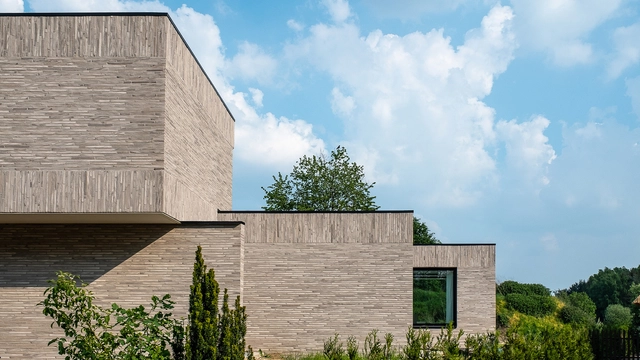
Villa Peer / UAU Collectiv Architects. Image Courtesy of Randers Tegl
Identified as small rectangular blocks made of fired or sun-dried clay, bricks have traditionally been used for building pavements, walls and other elements of masonry construction. Laid in courses or rows and joined together with mortar, bricks are known for their strong structural strength and durability. But beyond their basic functional purposes, their multiple patterns, sizes and shapes allow for a distinctive aesthetic with an infinite design versatility, becoming a design feature themselves. Showcasing an example of aesthetic brickwork, we will take a closer look of Villa Peer, an architecture project in Belgium that uses Randers Tegl’s long format waterstruck bricks as the main design feature for the whole building’s facade.
Videos
AXOR Citterio E I AXOR Starck Shower Column. Image Courtesy of AXOR
Hadi Teherani approaches his architecture and design projects holistically. Born in Teheran and raised in Hamburg, he is a prolific and versatile designer whose works can be found in Germany and all over the world. His projects have been recognized with internationally renowned awards for their ecologically-sound sustainability and holistic approach. Maybe that’s the reason for his constant stream of ideas: he sees the process of creation as a reaction to what he sees, senses and feels.
Designing from personal perception and inspiration, Teherani's bathroom concept for the AXOR DISTINCTIVE project was born. When asked by the brand how he would define his very personal “bathroom with personality”, the architect answered with a design that reflects an individual idea of this space, derived from this self-image — in its daily use, its design and its furnishing.
Sustainability needs to go further beyond inspiring speeches and promises, with visible, concrete actions. In order to see this change, it is essential for individuals, companies and governments to take responsibility and act in a sustainable manner in their daily lives and practices. By taking into account the environmental and social impacts of their decisions and seeking more conscious and responsible alternatives, they can take steps to ensure a sustainable future for the next generations. In the construction industry this is even more urgent. Responsible for a large amount of solid waste and greenhouse gas emissions, it is essential for this industry to adopt sustainable practices, such as recycling, to minimize environmental impacts.
However, even though product recycling processes have significantly advanced in recent years, there are still certain challenges associated with the use of recycled materials. This is due to a variety of factors, such as performance and durability, or even due to the difficulty of obtaining suitable raw materials. But there are also successful examples that show the possibilities of recycled materials.
In the 1956 competition to design the city of Brasilia, Lucio Costa's proposal differed significantly from his competitors'. In contrast with the detailed plans and well-designed perspectives of the other competitors, the winning proposal presented the minimum required by the tender: a drawing of the pilot plan and a report. In the report, a few simple drawings supported the text, demonstrating the architect's ability to synthesize ideas in a few lines.
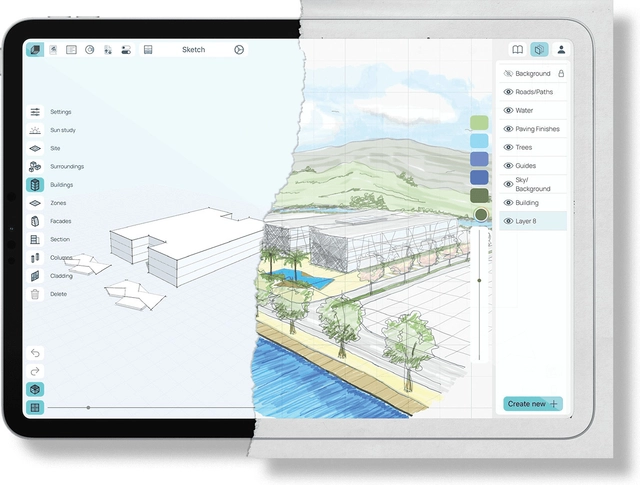
Having the ability to express an idea through drawing facilitates the design process for an architect or designer, whether it is to develop the concepts, or even to represent the building. A good sketch should be easy to understand, even for those without technical knowledge, and provides a visual representation of the important elements of a project, such as spaces, dimensions, circulation and relationships between elements. Although most architects now master three-dimensional tools and hand sketches are no longer indispensable, there are tools that combine several new functionalities with the good old act of drawing.
Prefabricated, modular timber construction has emerged as a particularly suitable way for building in existing structures – especially in confined urban spaces. Gaps between buildings can be closed and older ones can be extended in a short time and with little energy and space expenditure. Compared to other building materials, wood is also very light, which is especially important when expanding existing buildings with low static reserves.
The ICONIC AWARDS: Innovative Architecture focuses on projects that show how existing buildings can be revitalised, how building materials can be used in a variety of ways, and the innovative climate concepts that can be implemented to provide valuable impetus for more sustainable construction. Recycling, secondary use and appropriately extending the service life – these are the core principles of sustainability, which of course also apply to buildings.
HeartFelt® Linear. Image Courtesy of Hunter Douglas & Inteco
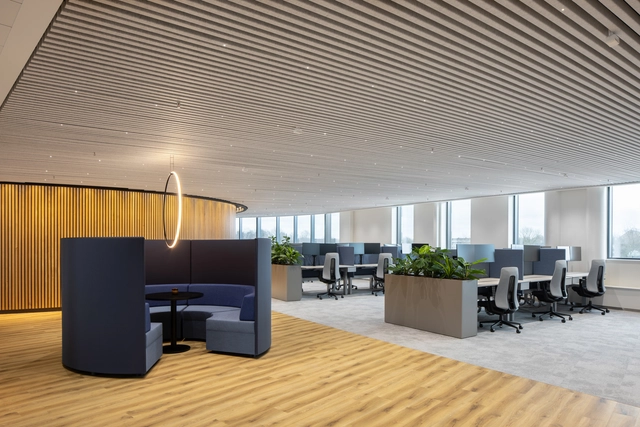
Every day, architects and designers tackle an ambitious task: crafting spaces that not only captivate the eye but that also nurture the health and well-being of those who inhabit them. A key part of this mission involves implementing design strategies that foster a pleasant indoor climate, as temperature, humidity and air quality all have a significant impact on users’ mood, productivity and overall health. Humans simply operate better if they are comfortable and content in their home or working environment. Although air-conditioning, ventilation and heating systems have conventionally served as popular solutions to regulate indoor climate, they often carry with them undesirable consequences –the presence of dust and bacteria, the need for regular maintenance and a cluttered, unappealing look. There is, however, an alternative solution.
Part two of "Stories of Lisbon's Light" takes place in Cascais, a vibrant seaside resort an hour away from Lisbon, hidden on the westernmost tip of the European continent. Right on the Riviera Portuguesa, architect Bruno Novo gave his modern, minimalist touch to a holiday villa where natural light plays the leading part. Focusing on natural elements and minimal touches that open up the spaces inside and outside, the house is made with a family holiday in mind.
To initiate change of any kind, one must first be aware of the problem at hand. In the construction industry –which is responsible for 39% of global greenhouse gas emissions and countless other environmental impacts– mastering and understanding the numbers related to its processes is extremely important. But assessing the impact of a product or a material is much more complex than one might think. It includes the exhaustive collection of data about its inputs (for example, the raw materials, energy, and water used) and outputs (such as emissions and waste) associated with each stage of the life cycle. This allows for the quantification of the embodied carbon and other environmental impacts, the identification of where performance can be improved, and provides real numbers for a comprehensive and unified comparison between materials and products.
The Whole Building Life Cycle Assessment (wbLCA) method studies the totality of products present in a building, providing valuable information for decision-making related to the design, construction, operation, maintenance, and eventual demolition or reuse of a building. In other words, it refers to the totality of the LCA (Life Cycle Assessment) for all of the building's components. Recently, the National Research Council of Canada, in collaboration with the Athena Sustainable Materials Institute, released the national guidelines for wbLCA, which reflect what is practiced in North America. The aim is to harmonize the practice and to aid interpretation and compliance with relevant standards, with the guidelines being updated periodically as it evolves, enabling the calculation of reliable baselines or benchmarks, supporting LCA-based compliance schemes and assisting in the development and use of wbLCA software.
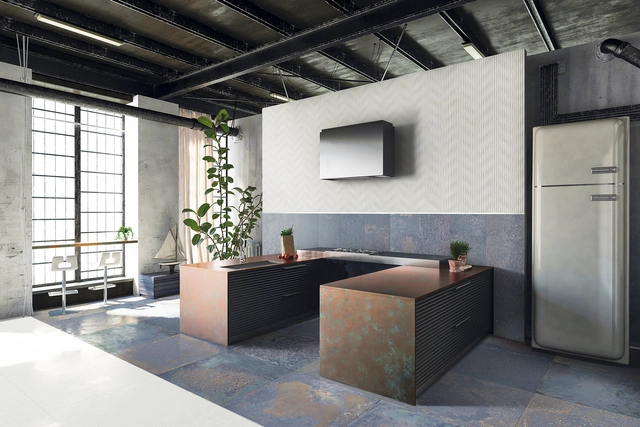
In recent decades, the industrial style has strongly attracted the attention of architects, designers and homeowners. However, few know its true origin. Following the rise of industrialization in the United States during the 1950s, many old industrial spaces, such as warehouses or factories, were abandoned in areas like New York's Soho. As a consequence, prices fell and became affordable housing alternatives for city dwellers. These new repurposed spaces were characterized by an aesthetic that mixed raw and exposed materials with modern elements and technologies, generating a strong aesthetic identity that was as rustic as it was sophisticated.
Today, industrialized-looking interiors are highly appreciated for the character of their materials, providing different shades, textures, brightness and opacity. There are, however, new materials that blend this weathered aesthetic with innovations that facilitate their installation and maintenance. Let's review the case of Aparici's Corten Tile Collection and its possible applications in different spaces of the home.