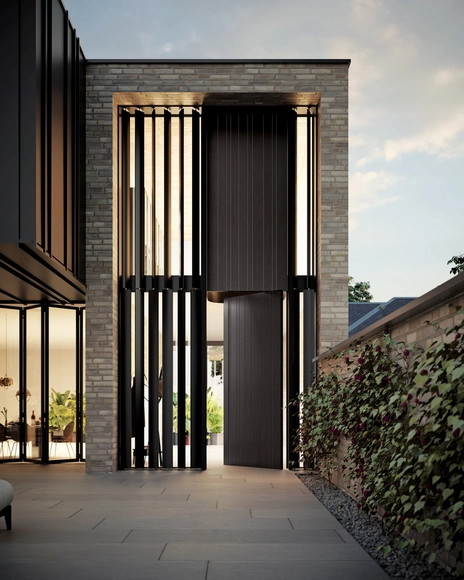
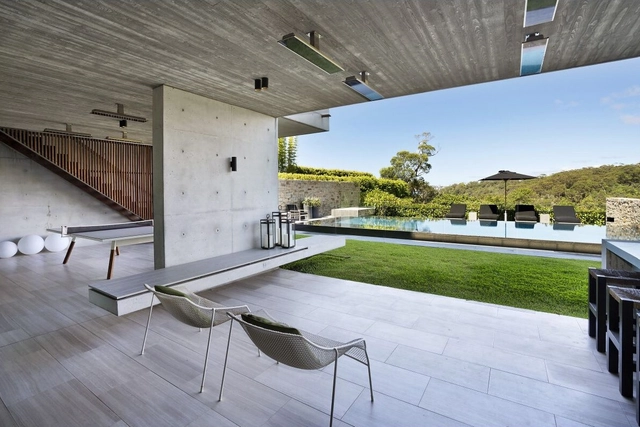
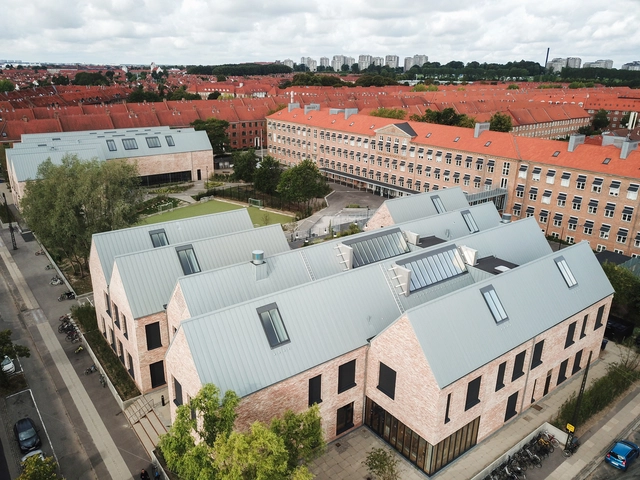
Verticality in architecture conveys aesthetic, symbolic and cultural meanings, representing concepts such as elegance, sophistication, modernity, progress and technological advancement. In religious buildings, for example, it symbolizes greatness and a connection with the divine. These strategies are very common in Gothic architecture, as well as Art déco buildings or even the skyscrapers of Mies van der Rohe. But these elements need not be restricted to grandiose constructions. Even in single-family homes, working with elements that refer to verticality can be just as useful, playing with volumes and facades or working with openings, such as windows and doors.
Visualization and technology have long gone hand in hand. It is, after all, a means of representing architecture that has relied on technological developments to keep up with the demands of a growing audience across multiple industries. But the fact that the two are inseparable does not mean that technology should dictate the way in which visualization is used. As technology advances, so too does its ability to become less obtrusive, allowing technological know-how to take a back seat in favor of the creative process and design exploration.
The new version of Lumion has entered into a visualization landscape that has changed dramatically over the past decade. The pursuit of photorealism that dominated much of visualization’s technological development has, for the vast majority of its users, been largely accomplished. Effective visualization is now no longer an exception to the norm, but increasingly an expectation. As Remko Jacobs, Lumion Founder and Chief Technical Officer, explains, “photorealism is there, particularly when it comes to imaging the exterior of buildings. It’s much easier to make something that looks good.”
The winners of the German Design Awards 2023 approach design in ways that are both clever and sustainable, with a focus on ground-breaking product solutions and visionary ideas. The cradle-to-cradle principle, modular construction methods, sustainable use of materials and energy efficiency have long been mainstays in manufacturing and the construction process. But real estate branding is also increasingly coming into focus and becoming an important instrument in architectural communication and marketing.
Of the 4,200 submissions that the German Design Awards 2023 received, 98 projects in total were honored with the highest ‘Gold’ distinction. The German Design Awards are one of the most well-recognized international design awards, distinguished by its diversity and the quality of the projects. The awards are given to companies whose products stand out in the categories of ‘Excellent Product Design’, ‘Excellent Communications Design’, and ‘Excellent Architecture’. In the three different design disciplines, this year’s winners include companies such as Duravit, Mono and WMF, as well as the architecture firm MVRDV and start-ups such as nevi and X Shore AB.
Providing an overview of the profession and discipline of architecture can be a complex task given the diversity of people's backgrounds, personal interests, and experimentation techniques. Therefore, many processes related to architecture are based on speculation and innovation, taking the initiative to reimagine established limits. Architecture schools, such as École des Beaux-Arts, Vkhutemas, and Paulista School, were progressive schools of their time that developed their style led by experimental and curious minds. Thanks to these experimental processes, each developed its architectural style, characterized by factors such as philosophy, location, and the era in which the school was born.
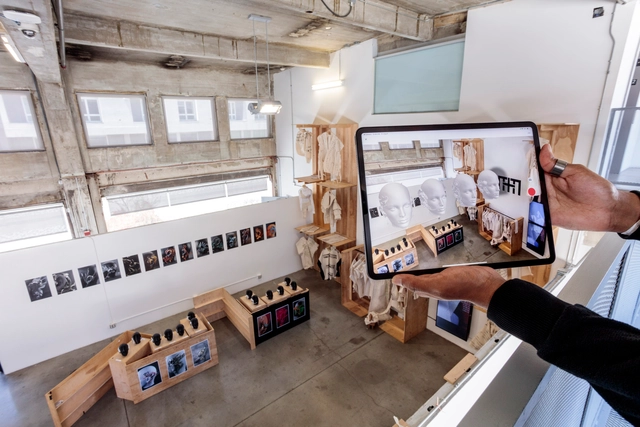
Since its creation in Santa Monica in 1972, the Southern California Institute of Architecture (SCI-Arc) has been a world-renowned center of innovation and one of the few independent schools of architecture in the United States. It excels in challenging its students through various programs to stretch their imaginations by experimenting with non-traditional materials and approaches. Through the renowned Making+Meaning program, SCI-Arc provides an immersive introduction to students and creative professionals from diverse disciplines, who have the opportunity to explore the field of design and emphasize the fundamentals of experimentation and architecture. The return to face-to-face teaching this year infuses new energy into the program for both students and instructors, given the value of collaborating in a physical space for the development of studio-based projects.
https://www.archdaily.com/999398/immersive-learning-from-novice-to-designer-at-sci-arcs-architecture-programEnrique Tovar
Bromic's Platinum Electric heater series ceiling mounted using 8" pole. Image Cortesia de Bromic
Outdoor dining and activities have gained increasing appreciation in recent years. We value the sense of freedom and adventure, and the possibility of socialization that they provide, as well as the connection with nature. As a result, outdoor spaces are becoming more popular in residential and commercial designs, as new features made specifically for these types of spaces can enhance the comfort and well-being of occupants. This is because when dealing with nature there can be a variety of inconveniences related to weather, such as wind, rain, or cold temperatures. In order to properly enjoy these areas all year-round, solutions can usually include outdoor heating. However, typical heaters tend to have clumsy and old-fashioned designs, detracting from the careful design of the rest of the environment.
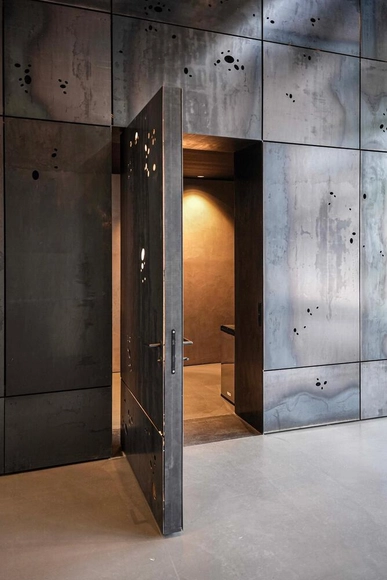
Situated in the village of Kaltenbach, amidst the Austrian mountains, is the head office of Empl. A manufacturer of fire-fighting trucks and other large vehicles with special functions, their products include off-road vehicles, mobile army hospitals and temperature-controlled trucks to carry food. Whatever their function, each vehicle is unique and has been composed with the greatest of care. The end products can be seen in Empl’s handover hall – a stylish production hall where vehicles are handed over to clients personally. The building has a total of five pivot doors, one of which is most notable. In episode four of Opening up, FritsJurgens gives a peek into this unique space.
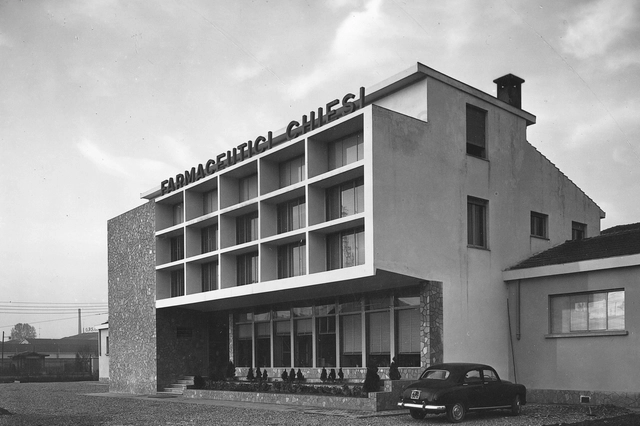
Chiesi Group, a pharmaceutical company that focuses on research-based innovation, has prioritized the health of patients across all age groups for over 85 years. Seeking the development of the next healthcare landmark for innovation, they launchedRestore to Impact, an international call for entries to redesign the historic industrial site in Via Palermo, Parma.
Open to two categories –Professionals and Under 30s– the competition aims to find innovative, evolutionary and transversal proposals that will be the basis for the guidelines of the future architectural building project. The winning proposals for the three eligible concepts for the professional category will receive € 12,000 each, while the Under 30 category will receive € 5,000 each.
When looking for inspiration for one’s home, the search for and observation of beauty in the surrounding world is often what fuels creative passion and gives rise to the desire to create something equally beautiful. It is essential, in these cases, to find designs that make homeowners feel at ease in their home environment, which is where Inkiostro Bianco comes in.
Acoustical comfort is a critical element of interior design that should never be neglected, especially in shared spaces such as restaurants, convention centers, museums, sports halls, and many others. Good acoustics can contribute to the occupants' well-being and productivity, while poor acoustics can lead to stress, fatigue, and even hearing damage. This can occur due to external noise, from various sound sources, or impacts (such as footsteps, jumping or moving furniture), but also due to the reflection of sound waves inside the environment, generating echoes and reverberations and reducing the intelligibility of speech in space.
Impressionist artists used the effect of "Optical Mixing" to create the illusion of color. By using short, separate brushstrokes of pure tones directly onto the canvas, the colors visually blended together as the observers moved away from the painting. For example, when painting a body of water, Claude Monet might have applied strokes of pure blue to represent the shadow areas and strokes of yellow to represent the light areas, which created the illusion of a green color, even though the painter had not actually added that particular hue to the canvas. In other words, each brushstroke has its own specific role in a painting, but also works for the whole image that is being created, through a careful choice of the elements present in the artist's palette.
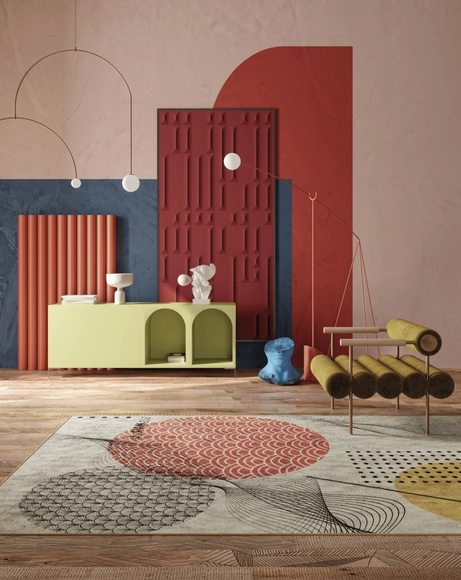
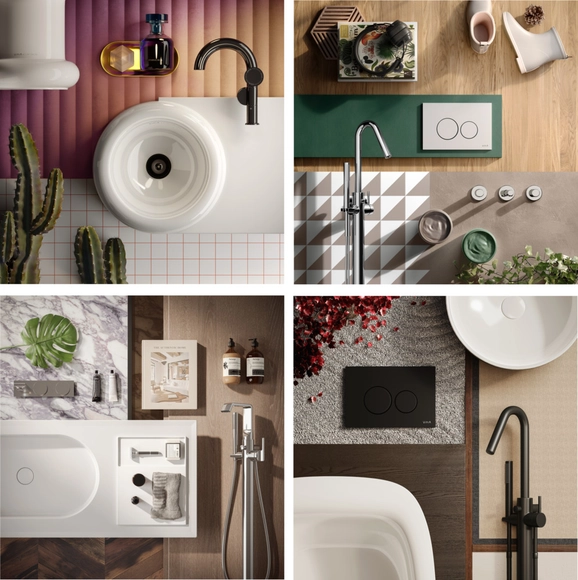
Something similar happens with moodboards for spaces. Like a painter's palette, they are valuable tools for interior designers in the process of creating inspiring and functional spaces, allowing them to combine dissonant and unusual elements in favor of a harmonious whole. As a collage of visual elements, colors, typography, images, and words, carefully selected to represent the overall "mood" of the design, they assist in interior design decisions: materials and colors, coordination of design elements, exploration of concepts, and communication with the client, while also inspiring and directing the designer's creativity.
Throughout history, the functional essence of bathrooms has remained unchanged due to their design being shaped by biological parameters. Initially, the function of bathrooms was solely related to hygiene and waste management, resulting in the conception of bathrooms as unhealthy and merely utilitarian spaces. This led to their separation from the rest of the spaces designated for coexistence.
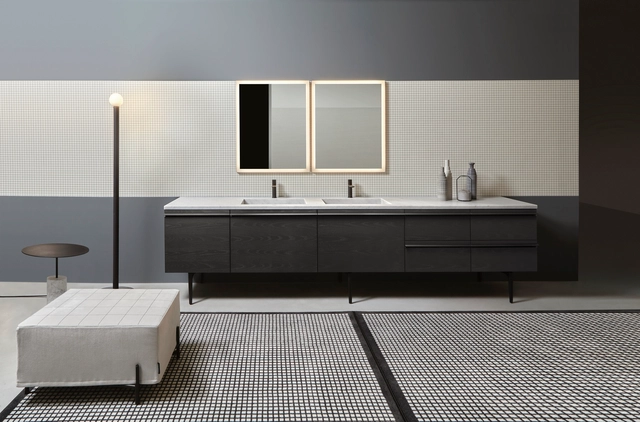
However, the implementation of water supply systems and general drainage networks has vindicated the role of bathrooms in living spaces. They have acquired a primordial role in design proposals for interior design and reflect the user's personality through the combination of colors, coverings, accessories and decorative elements. In the evolution of bathroom design, proposals that stand out for their formal cleanliness, multiple nuances, subtle coexistence of elements, and customization possibilities have emerged. Brands like antoniolupi have developed bathroom furnishings that integrate these proposals and take the limits of design much further by collaborating with renowned architects and designers like Paolo Ulian, Brian Sironi, Luca Galofaro, and Mario Ferrarini, just to mention a few. Continuing with this series of collaborations, Carlo Colombo was in charge of developing Borderline.
https://www.archdaily.com/998711/pushing-the-limits-of-bathroom-furnishing-through-tailor-made-designEnrique Tovar
As the industry shifts towards a more sustainable model for construction, transparency becomes increasingly important. With a growing emphasis on building greener, architects, planners and other professionals want to make sure that the materials they are using have a minimal impact on the planet. Environmental Product Declarations (EPDs) are an important tool to accurately measure that impact.
In January, Holcim Germany became the first company in Europe to publish EPDs for its entire cement portfolio. It is also the first German company to provide its customers with product-specific ready-mix concrete EPDs.
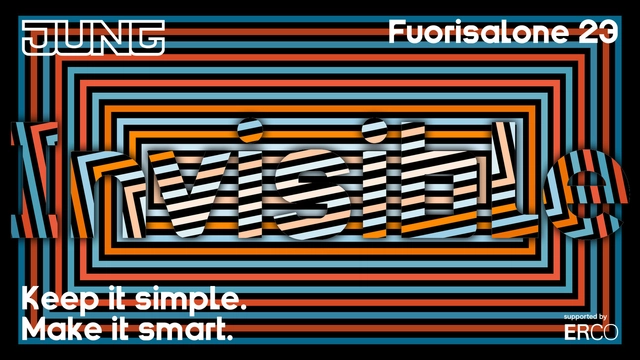
Designing building control systems for smart, flexible, and sustainable spaces is becoming more complex due to the changing contemporary home requirements. Pushing towards smart homes, electrical engineering has generated numerous advances that have improved performance while enriching aesthetics and lowering environmental impacts. In line with these global trends, JUNG’s systems for modern building technology are continuously delving into new possibilities in all areas of modern electrical installation, such as switching and control. Showcasing smart sustainability, the temporary installation INVISIBLE is a space where electrical engineering explores the hidden advantages of connections.
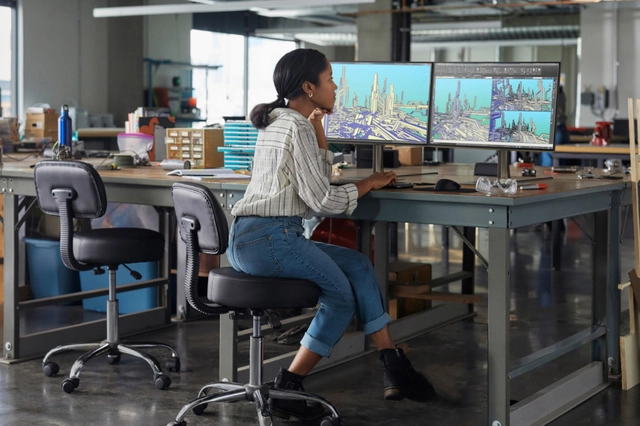
Do you remember seeing images of designers leaning over large sheets of paper, usually in spaces that resemble warehouses, concentrating on their own technical drawings? While some may view these images with nostalgia for a simpler time as a sign of working passionately in the architecture, engineering and construction industry, many others might shudder at the thought of doing an entire project with an India ink pen, and especially without the convenience of the Undo tool (CTRL+ Z or command + Z). From the first CAD programs to the powerful modeling programs we have today, computing technology has radically transformed the landscape of AECO offices. In the past, integrating multiple designs required overlapping sheets of tracing paper; but today, we have a variety of software that produce files with numerous extensions, saved versions, sizes, and which often require powerful machines to run. With the growing adoption of remote and hybrid work in AEC organizations, implementing the right computer systems can be a major challenge.
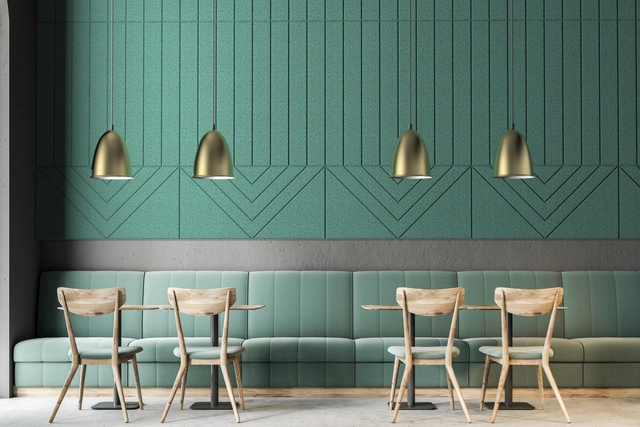
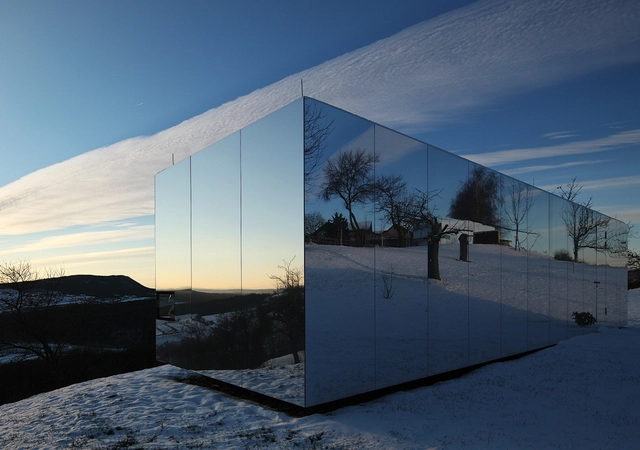
The design of a facade defines its architectural identity. Besides being a barrier against diverse weather conditions, providing acoustic comfort, and regulating light penetration, the external skin of a building determines its character and perception. At first glance, a facade can make the building stand out or blend with its urban environment, or even convey different levels of brightness, translucency, and smoothness. Simultaneously, the structure and color of interior walls and ceilings can leave a lasting impression when entering a room.
Videos
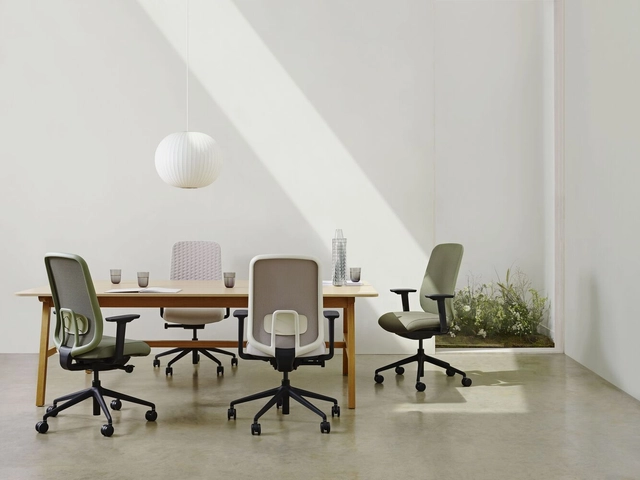
Sia Task Chair. Image Courtesy of Boss Design
Choosing the appropriate working elements –such as furniture, lighting, flooring, and other equipment– is key for creating an optimal workplace environment. With a positive impact on productivity, as well as the comfort and well-being of team members, designing workplace elements that integrate sustainable, wellness and aesthetic qualities implies a deep understanding of the interactions between these three areas. Minimizing the environmental impact and prioritizing well-being throughout the design process, while also considering the resulting aesthetics, Boss Design’s Sia Task Chair defines a new standard for workplace design.
Architects have always considered the positive influence of natural light on the health and mood of a building's occupants, but measuring its actual benefits was a challenge for a long time. However, the past few decades have seen significant progress in this area, with research such as the comprehensive study conducted by the Heschong Mahone Group, which analyzed more than 21,000 student tests in three school districts in California, Washington, and Colorado. The results showed that students in classrooms with more natural light had a 20% faster learning progress in math tests and 26% on reading tests, compared to students in classrooms with less natural light. Many other studies reinforce that including natural light in spaces has immense long-term benefits for societies, especially during a child's valuable formative years, who spend about 90% of their time indoors and about 200 days a year in classrooms.
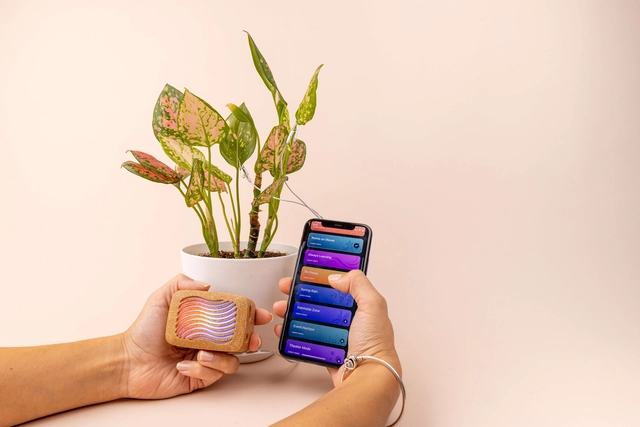
Studies reveal that we spend roughly 90% of our time indoors, and even when we do venture outside, we often remain tethered to technology, with a speaker in our ear, smartphone in our hand, or both. To address this, architects and designers have been pursuing innovative methods for incorporating nature into our living spaces. After already embracing green walls, seamless indoor-outdoor living areas, and strategic natural lighting, it looks like exploring the world of sound is next.
Enter plant music, the latest trend propelled by a device called PlantWave, that’s taking social media by storm. This unique device, developed by Data Garden, invites us to experience nature in a whole new way, with just a single tap.