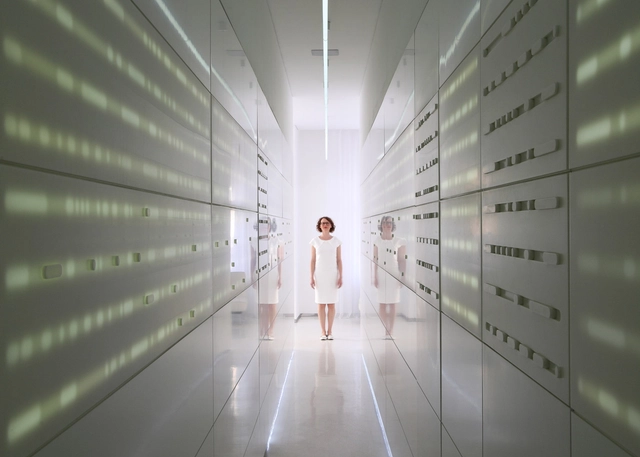
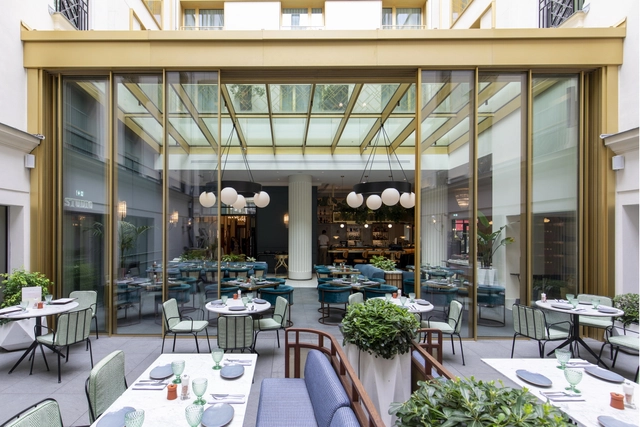
Cross-border guests catch up Cross-border guests catch up at the forumat the forum. Image Courtesy of Shaoxing Jianhu Planning and Design Competition
From October 29th to 30th, 2022, the Final Review Meeting, Award Ceremony and Cross-border Forum of the 「Beyond YUE|Jianhu Revival」Shaoxing Jianhu Planning and Design Competition were successfully held at Jianhu in Keqiao. After 11 months of international competition, gathering talents from all over the world and global wisdom, the design and cultural event was held in October to kickstart the transformation of Shaoxing's Jianhu.
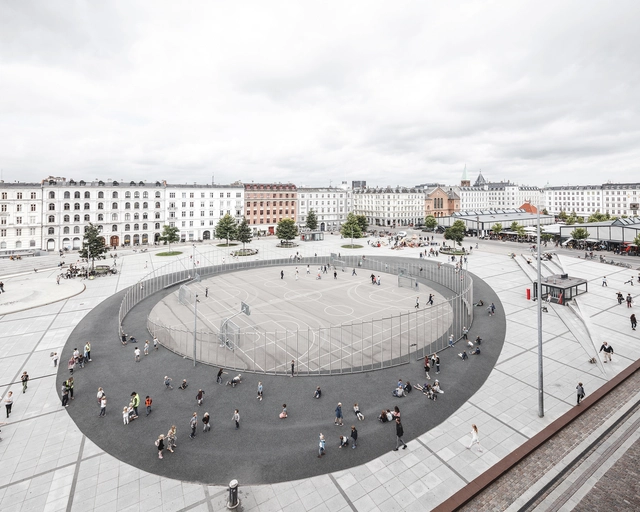
"Life, space, buildings - in that order". This phrase, from the Danish urban architect Jan Gehl, sums up the changes that Copenhagen has undergone in the last 50 years. Currently known as one of the cities with the highest levels of quality of life satisfaction, the way its public spaces and buildings were and are designed have inspired architects, government authorities and urban planners around the world. What we see today, however, is the result of courageous decision-making, much observation and, above all, designs that put people first. Copenhagen will be the UNESCO-UIA World Capital of Architecture in 2023 as well as host of the UIA World Congress of Architects due to its strong legacy in innovative architecture and urban development, along with its concerted efforts in matters of climate, sustainability solutions and livability.
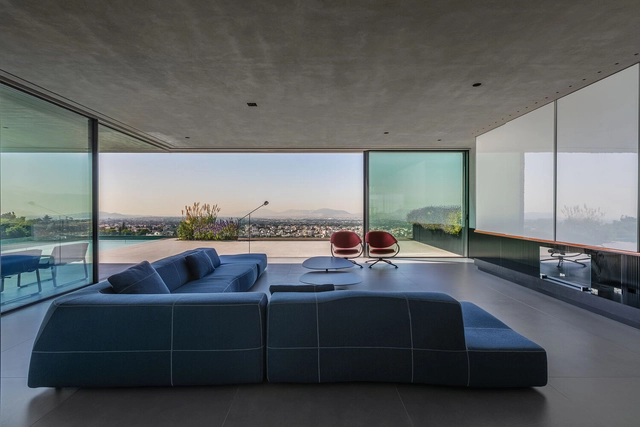
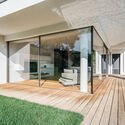
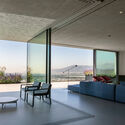
Windows serve multiple essential functions in any project, from framing views to providing daylight and natural ventilation. As human needs have shifted and technology has advanced significantly throughout the years, these have evolved in character, shape, and use of materials. What began as small arrow loops used for defense in medieval fortifications later transformed into wider openings that exemplified status and wealth. The Romans were the first to use glass, but it was considered a precious commodity for centuries. Intricate stained-glass panels adorned countless of medieval churches and cathedrals, while most home dwellers had to settle for covering their “windows” with wood, fur and other materials.
Videos
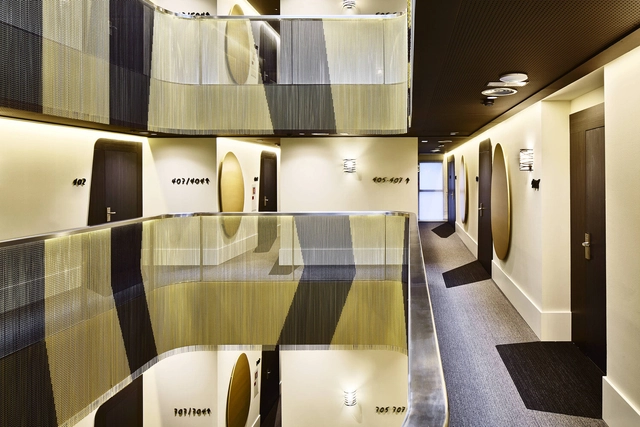
Hotel Vincci Gala Barcelona / TBI Architecture & Engineering. Image Courtesy of Corian® Design
In hospitality, first impressions count. Corian® Solid Surface – an exclusive product of Corian® Design, a division of DuPont company – has become a more and more regular guest in hotels over the past decades as designers and architects look to create highly hygienic and adaptable interior designs. designboom and ArchDaily conclude its three-part webinar series with the material producer, this time to explore the future of hospitality design. Leading architectural and design experts join the live conversation, including TBI Architecture & Engineering, JOI-Design and Ultraspace – Register for this webinar.
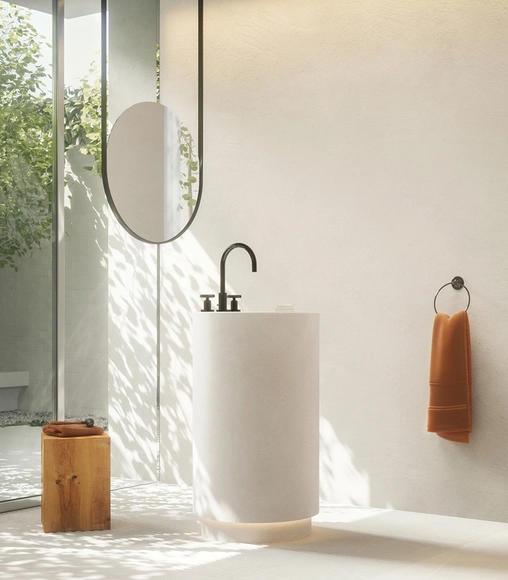
Within the different spaces of an architectural project, bathrooms tend to be a mix of both functional and relaxing areas. Their place inside a project’s design implies a proper selection of fittings, where architects and designers can play with different shapes, colors and textures to follow the style of the whole scheme. As a source of inspiration for countless bathroom fittings, Dornbracht’s TARA collection combines geometric shapes with timeless modernity, all through a clear formal language.
This year, TARA celebrates its 30th anniversary, for which designers Michael Sieger and his brother Christian Sieger commemorate the collection’s creation process and how it has developed into an icon through the years. Today, the designers are looking for serenity, simplicity and sustainability: “We don't want to define ourselves by extravagant design or by design at all”. Together with the innovations launched in 2022, the team designed a unique lead bath architecture for the collection.
Bioclimatic Community Mosque, Indonesia, RAD + ar. Image Courtesy of Abdullatif Alfozan Award for Mosque Architecture
The international master jury of the 4th cycle (2020-2023) of the Abdullatif Alfozan Award for Mosque Architecture had their second and final meeting at Kuwait last 11-13 November 2022. The meeting was chaired by Architect Rasem Badran (Saudi Arabia and Jordan) and attended by all jurors: Architect Emre Arolat (Turkey), Architect Kashif Chowdhury (Bangladesh), Artist Ahmad Mostapha (United Kingdom) and Sociologist Sari Hanafi (France).
Noises –especially those we can’t control– greatly affect both physical and mental health. Whether coming from the street, upstairs neighbors or the room next door, research suggests that these can raise stress, reduce productivity, interfere with communications and contribute to developing issues such as high blood pressure. Ultimately, sound quality defines user experience and (literally) sets the tone for the rest of the interior. The bad news is that most conventional building materials used today in modern architecture –concrete, glass, masonry– have extremely hard surfaces and limited acoustic properties, reverberating sound several times over and forcing users to raise their voices to be understood. Coupled with growing urban density and projects adopting a mixed-use layout, all of this results in increasingly noisy, uncomfortable and distracting living and working environments.
In Out Office / Alfredo Häberli. Image Courtesy of Andreu World
Interior architects and designers have often claimed that a well-designed office space will translate into greater productivity, creativity and worker satisfaction –yet the impact is greater than most tend to imagine. Recent studies suggest that good design positively impacts company culture, fosters a sense of community and creates a healthy, happy and motivating environment. In fact, it directly influences the recruitment and retention of talent: “workplace design significantly increases the attractiveness of employers to potential candidates.” Proper lighting, a flexible layout and biophilic features are all important factors to consider during the planning stage. But to fully address user comfort and well-being, these must be combined with excellent furniture design. After all, integrating high-quality ergonomic pieces is a simple way to boost mood and enhance functionality and aesthetics when creating or redecorating the workspace.
Matthew Hamaker, 2017. Image Courtesy of School of the Art Institute of Chicago
Since its founding in 1866, design has been part of the School of the Art Institute of Chicago’s (SAIC) mission of creativity, experimentation, and free expression. SAIC’s Master of Architecture and Master of Architecture in Interior Architecture programs teach the skills graduates need to enter design professions, the ambition to reimagine them, and the values to guide them as leaders. Students explore the future of how we live, work, and communicate, and cultivate diverse practices that impact culture and public life.
SAIC is currently accepting candidates for their two NAAB-accredited, STEM designated degree paths in Architecture:
After a few atypical years, the hustle and bustle of a day in the city is back to what it used to be: leaving the house and going to the office, taking the car, bus or plane, grabbing a quick bite to eat in a restaurant, stopping by a museum or a bookshop to get some fresh air and, if we have any energy left, hitting the gym before heading home. In less than 24 hours we pass through several buildings with all kinds of rooms, but they all have one thing in common: the bathroom.
Designing a bathroom can be one of the most challenging but exciting tasks for architects, as both its elements and fittings must provide a safe and hygienic experience for all those who use it on a daily basis. Before COVID-19 came along, there was already a growing trend: the use of non-contact infrared taps. As the name suggests, these are taps that are activated by a sensor that detects the movement of the hand - almost as if by magic.
The search for the fundamental particle has been driving curious minds for much longer than we imagine. Leucippus and Democritus, Greek philosophers from the 5th century B.C., were the first to propose that the entire universe was made up of particles called atoms, indivisible and colliding against each other in an infinite void. Since then much has been studied about how dynamics actually take place at the atomic level (neutrons, protons and electrons), and there is still much to be discovered. Understanding the Higgs boson, for example, may even lead to a new understanding of the origin of the universe and life, since it can explain how elementary particles have mass. Moving from atomic abstraction to the world as we know it is a fascinating thing. It was this plunge into the particle –the smallest known part of the universe– which inspired the new collection by the Italian company Fiandre Architectural Surfaces, which produces ceramic pieces for spaces.
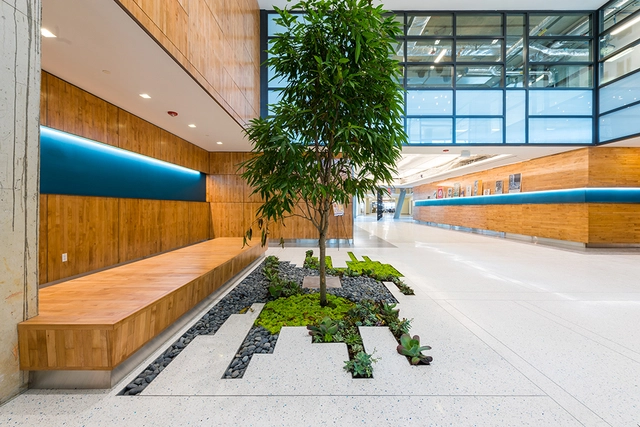
Uline Arena. Image Courtesy of Terrazzo & Marble, Photo by Brycen Fischer
When designing an architecture project, defining the flooring is a key element in achieving the comfort, style and functionality imagined by the design team. Depending on the type of use and its requirements, architects can choose the most suitable materials, textures and finishes for each project. Terrazzo & Marble offers a sustainable option to traditional materials like wood, carpet and ceramic with Terroxy Resin Systems, which are known for their sustainability, design flexibility, durability and low maintenance.
Archstorming, in support of the NGO PROVS and UNHCR, is launching an architecture competition in Mayukwayukwa, the oldest refugee camp in Africa. Working in the field of emergency architecture, the competition will be looking for designs for a new Sustainable Development Center to be built in the camp, a space where refugees will be able to carry out projects in areas such as health, education or construction. Special attention will be paid to the use of sustainable materials and easy-to-build construction techniques, with the ultimate goal of enabling refugees to use the method learned when building their own houses. You can register today here.
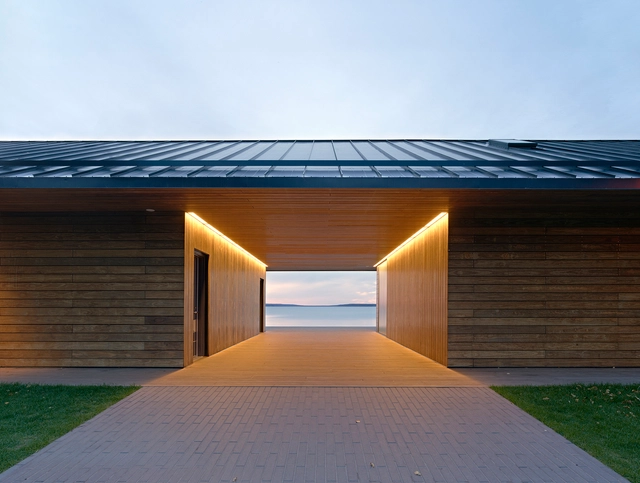
Waskesiu Beach House, Waskesiu, Saskatchewan. Image Courtesy of Wood Design & Building Awards
The Call for Entries is now open to North American and International submissions to the 2022-23 Wood Design and Building Awards program recognizing excellence in wood architecture.
The Wood Design & Building Awards program recognizes design teams that are passionate about celebrating wood as a safe, strong and sophisticated building material.
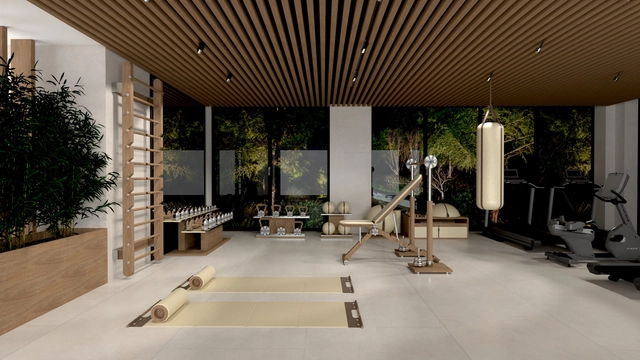
The World Health Organization defines health as “a state of complete physical, mental and social well-being.” If one or more of these aspects are compromised, quality of life and happiness can be severely affected. In recent years, and particularly during the COVID-19 pandemic, this has proved to be especially challenging. Commuting restrictions forced many to stay indoors and businesses to pause in-person operations, aiming to prevent the virus from spreading but inevitably sacrificing psychological, emotional, and even physical health in the process. As a result, people’s lifestyles shifted to find new ways to address their well-being, including adapting their living spaces accordingly. Home gyms, for example, became a popular initiative.
Clinic Dr. Dragic in Novi Sad, Serbia, project by Studio Fluid, 2015; photo by Ana Kostic. Image Courtesy of Studio Fluid
Combining high style with low maintenance, Corian® Design’s Solid Surface aids designers and architects to create healthy spaces for complete peace of mind. designboom and ArchDaily continues its three-part webinar series with the material producer, this time to explore the future of healthcare facilities. Including Studio Fluid, Operamed and NOAS Sweden, leading architectural and design experts join the conversation which can be watched live – register here.
Windows and doors dictate the relationship between interiors and exteriors in buildings, helping to either integrate or separate them. They are also important components in architecture that can add to a façade's composition, balance and rhythm, while fulfilling its main function: to protect the interiors and serve as a barrier to the weather. While the first windows were composed of reduced spans and small glass panes with heavy frames, today there are almost invisible options that easily adapt to any type of project. It is up to the designers to choose among the various possibilities of materials, operations, colors and finishes.
Glenlyon Norfolk School. Image Courtesy of Low Hammond Rowe Architects
Low Hammond Rowe is an architecture firm from Victoria, Canada who are discovering that switching to a new design software can provide them with amazing results. You’ll read about how the firm continues business operation during the switch as well as how they’re realizing undeniable efficiencies that save them time and money.