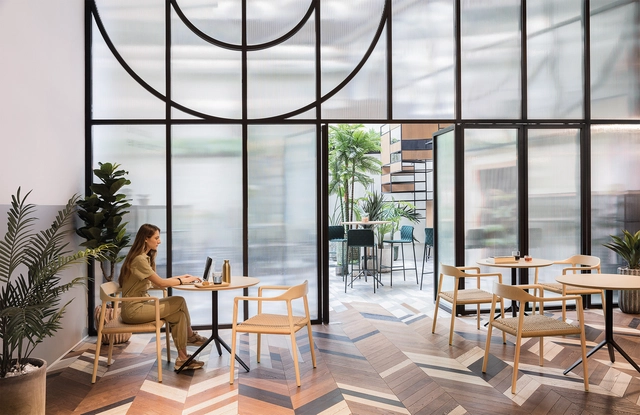
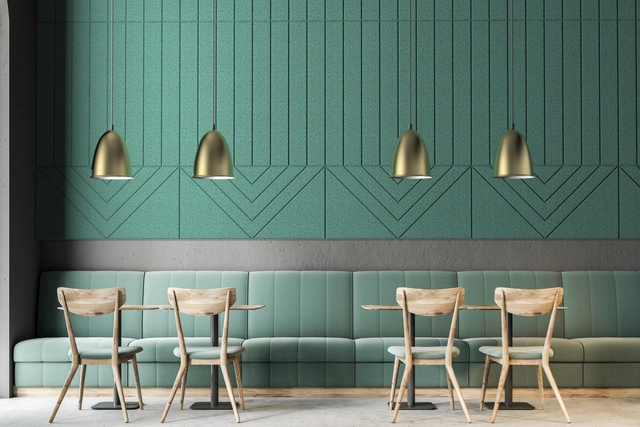
Some pieces of furniture are so versatile that they are equally at home in a home, in an office or in a cafeteria. The Liceo armchair by Piergiorgio Cazzaniga and the Triada table by Layer Design for Andreu World with height adjustement are perfect example of this. Image Cortesia de Andreu World
How can a space that is no longer essential become valued again? The traditional office as we know it is disappearing with the changes brought about by technological advances and globalization, all of which was accelerated by the impositions of the pandemic. As living and working become inseparable activities and hybrid, flexible work arrangements are now the norm in many fields, offices will need to become increasingly sustainable, healthier, and also more comfortable. But how can architects and designers design workspaces so that people will continue to want to inhabit them? What solutions and furnishings can meet the needs of occupants, with flexible solutions that can adapt to a variety of activities and purposes?
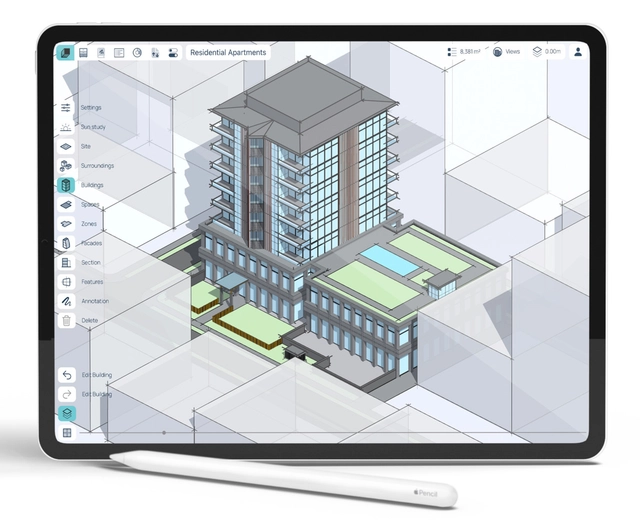
Collaboration serves as a cornerstone of Building Information Modeling (BIM). By uniting clients and design teams on a unified platform, we can foster more efficient communication, ultimately enhancing design outcomes and guaranteeing fast project completion. Consequently, real-time multi-user collaboration (akin to Figma) represents a crucial advancement for the Architecture, Engineering, and Construction (AEC) industry.
Snaptrude facilitates this seamless collaboration between design teams and clients in a wide range of formats, including AutoCAD drawings, SketchUp models, PDFs, and images. Moreover, users can easily exchange design models between Revit and Snaptrude through a bi-directional linking feature, streamlining the entire design process.
Concepting is all about the early stages of the design process. A process where architects need to explore, think, make, create and express. It is not a linear process with a defined start and end point but rather a circular/iterative process. It involves testing and rejecting. Sometimes an entire concept will be 'thrown away', while at other times, the architect will keep and discard parts and continue to evolve.
The work of lead architects is essential during the concepting stage, where their experience and vision allow them to set the project's parameters and overall design intent. By enabling architects to spend more time in this stage, with more data and feedback, Spaces contributes to creating better project outcomes and architects who can spend more time doing what they do best and enjoy the most.
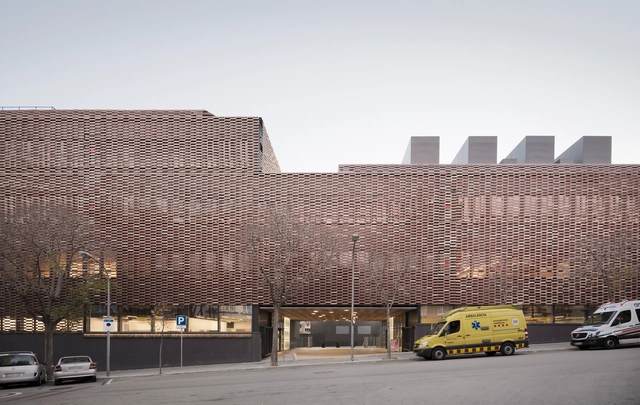
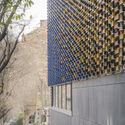
The Santa Creu & Sant Pau Hospital Research Institute, designed by Pich Aguilera Arquitectes in conjunction with 2BMFG Arquitectos, stands in the Santa Creu & Sant Pau Hospital complex in Barcelona –one of the biggest Modernist Spanish architectural ensembles, declared a World Heritage Site by the UNESCO.
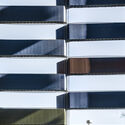
The Research Institute stands out for its striking ceramic envelope and its capacity to blend in with Sant Pau Hospital’s Modernist buildings, while also focusing on high energy savings and improved comfort inside the building. The ceramic slats were made to measure for the project by Faveker, a specialist in high-tech façade solutions.
Renovations are not only a popular way to update and modernize homes, offices, and other structures but also a critical component in reducing carbon emissions and achieving the goals of the Paris Agreement. The existing building stock is responsible for a significant portion of global carbon emissions, with energy inefficient buildings being a major contributor.
According to a report by the Financial Times, there is a large energy efficiency gap in the UK housing stock, with many buildings falling short of their potential energy performance levels. Unsurprisingly, old buildings in the UK are seen as one of the primary factors contributing to this energy efficiency gap.
Videos
Help an essential global industry decarbonise
The Innovandi Open Challenge is a global programme which brings together tech start-ups and the world’s leading cement and concrete companies to help accelerate the next wave of innovations to achieve our net zero mission.
The Global Cement and Concrete Association (GCCA) and its members understand the key role that innovation will play in unlocking a net zero future for concrete –the world’s most used material after water– which is essential to building the sustainable world of tomorrow.
Every two years, starting in 1998, the Saint-Gobain International Gypsum Trophy has awarded the most recent developments for quality craftsmanship in drywall systems and plastering. This year, the 13th edition of the Gypsum Trophy took place in Athens on April 28th, 2023. From the Americas to Asia, from Europe to Africa, 73projects from 27countries competed in six categories to win one of the 15prizes of the competition.
Participating contractors combine their know-how and creativity with Saint-Gobain plaster and dry lining systems to carry out high-performance projects. Whereas some are built on existing historical structures, others create something completely new. Similarly, some projects were completed with the help of over a thousand employees/teammates, while others by just a few.
See this year's winners below, as well as the details of the Awards.
By operating in closed cycles, circular design goes beyond the traditional linear concept of "extracting, producing, consuming and discarding", and seeks to create more sustainable and efficient systems throughout the life cycle of a product. Through the principles of reduction, reuse, recycling and regeneration, it can minimize the environmental impact of a product from the very first stages of its life: with the choice of more sustainable, durable materials; by minimizing waste during production; by promoting reuse and repair during its use; and at the disposal phase, with the efficient recycling of materials that can be reintroduced to the production chain. The adoption of circular design has gained strength in the industry, but despite the many advances and initiatives, it is still rare to see concrete examples of its implementation.
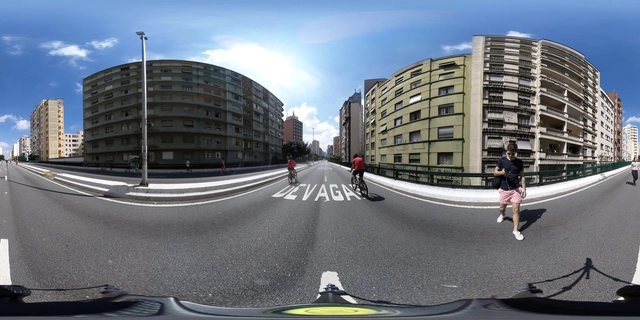
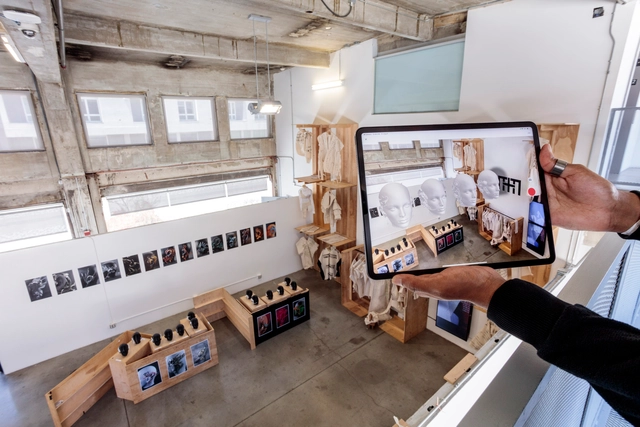
While most architectural critics and theorists agree that architecture can only really be learned on site –by experiencing its volumes, textures, sounds and smells– hardly anyone would have the time and resources to see all the projects they would like to in person. Ways of documenting a building or a city have aroused the curiosity of painters, photographers and artists throughout history. From the traditional classical portrait with perfectly adjusted proportions to disruptive forms such as Michael Wesely's long exposure images, Heinz Emigholz's experimental film set, or Tuca Vieira's Photographic Atlas of the city of São Paulo, there are myriad ways to portray the built environment. 360° cameras bring yet another set of possibilities to documenting architecture and urban scenes. We spoke to Romullo Fontenelle, architect and architectural photographer, who tested the new RICOH THETA X 360° camera and provided an account of how this technology can improve the efficiency and precision of his design processes.
Verticality in architecture conveys aesthetic, symbolic and cultural meanings, representing concepts such as elegance, sophistication, modernity, progress and technological advancement. In religious buildings, for example, it symbolizes greatness and a connection with the divine. These strategies are very common in Gothic architecture, as well as Art déco buildings or even the skyscrapers of Mies van der Rohe. But these elements need not be restricted to grandiose constructions. Even in single-family homes, working with elements that refer to verticality can be just as useful, playing with volumes and facades or working with openings, such as windows and doors.
Visualization and technology have long gone hand in hand. It is, after all, a means of representing architecture that has relied on technological developments to keep up with the demands of a growing audience across multiple industries. But the fact that the two are inseparable does not mean that technology should dictate the way in which visualization is used. As technology advances, so too does its ability to become less obtrusive, allowing technological know-how to take a back seat in favor of the creative process and design exploration.
The new version of Lumion has entered into a visualization landscape that has changed dramatically over the past decade. The pursuit of photorealism that dominated much of visualization’s technological development has, for the vast majority of its users, been largely accomplished. Effective visualization is now no longer an exception to the norm, but increasingly an expectation. As Remko Jacobs, Lumion Founder and Chief Technical Officer, explains, “photorealism is there, particularly when it comes to imaging the exterior of buildings. It’s much easier to make something that looks good.”
The winners of the German Design Awards 2023 approach design in ways that are both clever and sustainable, with a focus on ground-breaking product solutions and visionary ideas. The cradle-to-cradle principle, modular construction methods, sustainable use of materials and energy efficiency have long been mainstays in manufacturing and the construction process. But real estate branding is also increasingly coming into focus and becoming an important instrument in architectural communication and marketing.
Of the 4,200 submissions that the German Design Awards 2023 received, 98 projects in total were honored with the highest ‘Gold’ distinction. The German Design Awards are one of the most well-recognized international design awards, distinguished by its diversity and the quality of the projects. The awards are given to companies whose products stand out in the categories of ‘Excellent Product Design’, ‘Excellent Communications Design’, and ‘Excellent Architecture’. In the three different design disciplines, this year’s winners include companies such as Duravit, Mono and WMF, as well as the architecture firm MVRDV and start-ups such as nevi and X Shore AB.
Providing an overview of the profession and discipline of architecture can be a complex task given the diversity of people's backgrounds, personal interests, and experimentation techniques. Therefore, many processes related to architecture are based on speculation and innovation, taking the initiative to reimagine established limits. Architecture schools, such as École des Beaux-Arts, Vkhutemas, and Paulista School, were progressive schools of their time that developed their style led by experimental and curious minds. Thanks to these experimental processes, each developed its architectural style, characterized by factors such as philosophy, location, and the era in which the school was born.
Since its creation in Santa Monica in 1972, the Southern California Institute of Architecture (SCI-Arc) has been a world-renowned center of innovation and one of the few independent schools of architecture in the United States. It excels in challenging its students through various programs to stretch their imaginations by experimenting with non-traditional materials and approaches. Through the renowned Making+Meaning program, SCI-Arc provides an immersive introduction to students and creative professionals from diverse disciplines, who have the opportunity to explore the field of design and emphasize the fundamentals of experimentation and architecture. The return to face-to-face teaching this year infuses new energy into the program for both students and instructors, given the value of collaborating in a physical space for the development of studio-based projects.
https://www.archdaily.com/999398/immersive-learning-from-novice-to-designer-at-sci-arcs-architecture-programEnrique Tovar
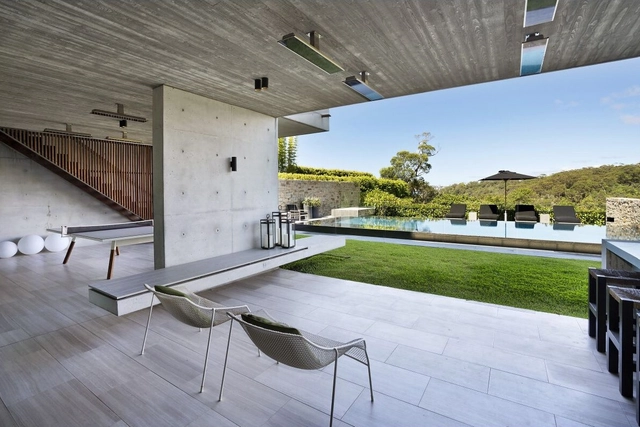
Bromic's Platinum Electric heater series ceiling mounted using 8" pole. Image Cortesia de Bromic
Outdoor dining and activities have gained increasing appreciation in recent years. We value the sense of freedom and adventure, and the possibility of socialization that they provide, as well as the connection with nature. As a result, outdoor spaces are becoming more popular in residential and commercial designs, as new features made specifically for these types of spaces can enhance the comfort and well-being of occupants. This is because when dealing with nature there can be a variety of inconveniences related to weather, such as wind, rain, or cold temperatures. In order to properly enjoy these areas all year-round, solutions can usually include outdoor heating. However, typical heaters tend to have clumsy and old-fashioned designs, detracting from the careful design of the rest of the environment.
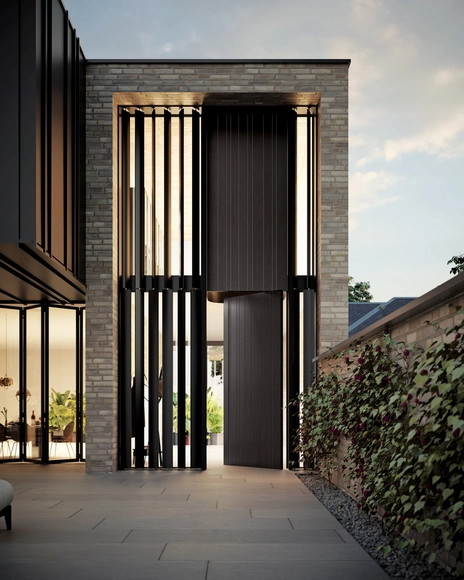
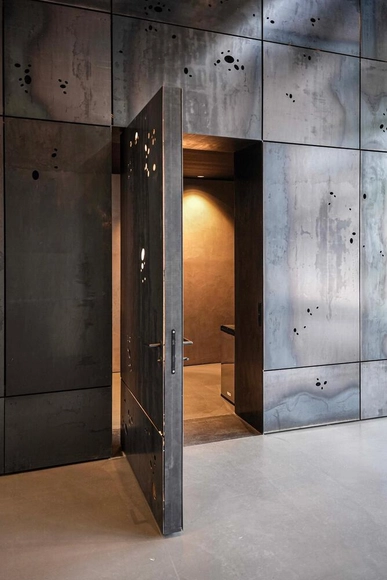
Situated in the village of Kaltenbach, amidst the Austrian mountains, is the head office of Empl. A manufacturer of fire-fighting trucks and other large vehicles with special functions, their products include off-road vehicles, mobile army hospitals and temperature-controlled trucks to carry food. Whatever their function, each vehicle is unique and has been composed with the greatest of care. The end products can be seen in Empl’s handover hall – a stylish production hall where vehicles are handed over to clients personally. The building has a total of five pivot doors, one of which is most notable. In episode four of Opening up, FritsJurgens gives a peek into this unique space.
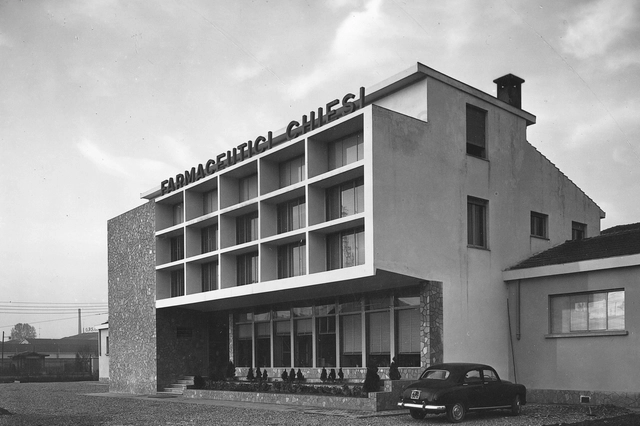
Chiesi Group, a pharmaceutical company that focuses on research-based innovation, has prioritized the health of patients across all age groups for over 85 years. Seeking the development of the next healthcare landmark for innovation, they launchedRestore to Impact, an international call for entries to redesign the historic industrial site in Via Palermo, Parma.
Open to two categories –Professionals and Under 30s– the competition aims to find innovative, evolutionary and transversal proposals that will be the basis for the guidelines of the future architectural building project. The winning proposals for the three eligible concepts for the professional category will receive € 12,000 each, while the Under 30 category will receive € 5,000 each.
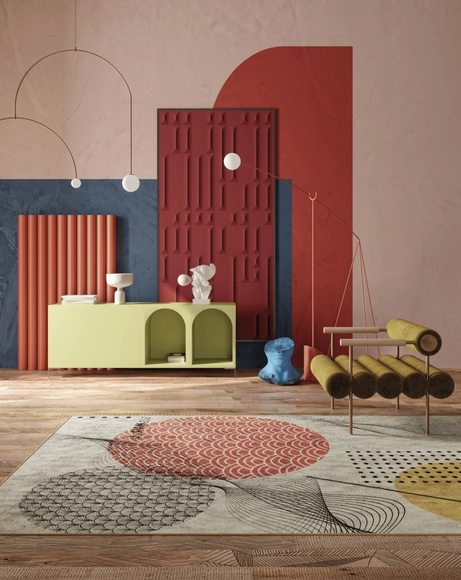
When looking for inspiration for one’s home, the search for and observation of beauty in the surrounding world is often what fuels creative passion and gives rise to the desire to create something equally beautiful. It is essential, in these cases, to find designs that make homeowners feel at ease in their home environment, which is where Inkiostro Bianco comes in.
Acoustical comfort is a critical element of interior design that should never be neglected, especially in shared spaces such as restaurants, convention centers, museums, sports halls, and many others. Good acoustics can contribute to the occupants' well-being and productivity, while poor acoustics can lead to stress, fatigue, and even hearing damage. This can occur due to external noise, from various sound sources, or impacts (such as footsteps, jumping or moving furniture), but also due to the reflection of sound waves inside the environment, generating echoes and reverberations and reducing the intelligibility of speech in space.