The selection of windows and doors plays a key role in the development of any architectural project, as it can significantly influence the final appearance of a building. A well-informed choice can convey values of modernity, craftsmanship, and elegance. On the other hand, inadequate specification can lead to problems such as air leakage, energy loss, and a less visually appealing aesthetic. It is also worth mentioning that windows and doors constitute a substantial part of a project's budget, which requires meticulous consideration. In this article, we examine four different residential projects, highlighting how their floor-to-ceiling glass sliding system effectively meets the needs of the residents and enhances their quality of life.
Hansgrohe's Green Vision: Beyond Water. Image Courtesy of Hansgrohe
As a major current and future challenge, the climate crisis is defining the way architecture is adapting and designing the built environment. Today’s actions are key for the development of a sustainable and livable future, in which we need to adjust our behavior while responding to environmental changes. The two most critical changes are the water crisis and CO2 emissions, which have prompted calls for conserving water in an attempt to salvage the resources we still have and reduce our energy consumption required to heat the water. In terms of how this translates to architecture, making good use of natural resources is an essential part of a truly efficient design strategy, which can be incorporated with the creation of new spaces and innovative products in architecture projects.
Working towards the design of sustainable water management for a greener future, Hansgrohe Group has developed multiple faucets, showers and accessories that can save natural resources in bathroom design. As bathrooms are one of the areas that most consume water in homes and hotels, it is important to see them as key spaces to focus on for sustainability purposes.
The complexity of our world is constantly increasing, and with it, the pressure and demands placed upon our built environment. Architects are faced with a monumental task: to translate society’s ever-changing needs into tangible, effective and sustainable solutions. Pressing issues such as the climate crisis, rapid urbanization, population density and housing shortages call for a new architecture –one that isn’t afraid to questionthe traditional way of working and is prepared to take on the challenge. Today the industry must adapt, evolve and innovate to cope with these challenges. The availability of data is changing the game, and as technology continues to advance, it will open new ways of thinking, creating and engaging with the built environment.
In this article, we delve into the effects of the digital transformation, how it is reshaping the industry and the questions it raises about the future role of architects.
Fushan Ecological Greenway Design / Qingdao Tengyuan Design Institute Co.,Ltd. Image Courtesy of A' Design Award
The world-renowned A' Design Award & Competition has opened its Call for Early Submissions to all those who would like to submit their designs in advance for the 2023-2024 period. The annual award recognizes designs in over 100 competition categories which are voted on by an international grand jury panel of scholars, journalists and design professionals. With a mission to inspire and recognize good design around the world, the A' Design Award is an all-rounder competition that seeks to promote the best of the many design professions and practices.
https://www.archdaily.com/1002746/call-for-early-submissions-a-design-award-and-competition-2023-2024Daniela Porto
Some architects have left their mark on history; one such case is Antonio Gaudí. Through his nature-inspired conceptions, he became the foremost representative of Catalan modernism. The impact of Gaudí's work can be seen on various architectural scales, including the Sagrada Familia, Parc Güell, Colònia Güell, Casa Milà, and Casa Battló, the latter being an iconic landmark of Barcelona’s architecture.
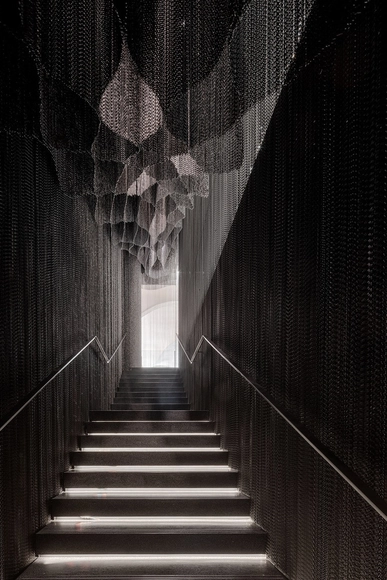
Casa Battló emerged from the renovation of an 1877 building, which was acquired in 1903 and subsequently commissioned to Gaudí for its transformation. Inspired by animal forms, particularly those of the ocean, the facade and interior were renovated using curves and a combination of vibrant colors. This intervention marked a turning point for the house, as it significantly changed the facade, redistributed the interior, and provided a sublime interaction with natural light. Following the nature of the renovation that began with Gaudí, a new interior project for the stairs and atrium of Casa Batlló was developed in 2021. This renovation is the result of a dialogue between the anodized aluminum chains developed by Kriskadecor and the abstraction of the ingenious use of light in Casa Batlló through Kengo Kuma's design.
https://www.archdaily.com/1001552/metallic-layers-in-dialogue-with-light-an-abstract-intervention-at-casa-batlloEnrique Tovar
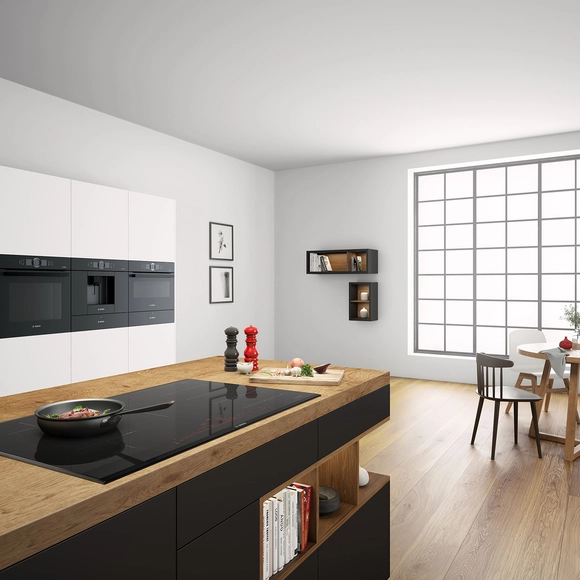
The world is increasingly electric, from our cars to our homes, making our lives more efficient and sustainable. Electricity overtook natural gas as the leading home heating source for the first time in 2020, and natural gas consumption hit a five-year low in January and a four-year low in February. This shift toward electrification is especially prevalent in the kitchen, a central hub of energy use. The U.S. Department of Energy estimates 15% of energy consumption in the average American home happens in the kitchen between cooking, refrigeration, hot water heating, and dishwashing.
Architects and homeowners looking to increase efficiency and sustainability are finding the benefits of induction. According to ENERGY STAR, gas cooktops are only 32% efficient at transferring heat, and traditional electric stovetops are 75-80% efficient — induction is even better at 85% efficiency.
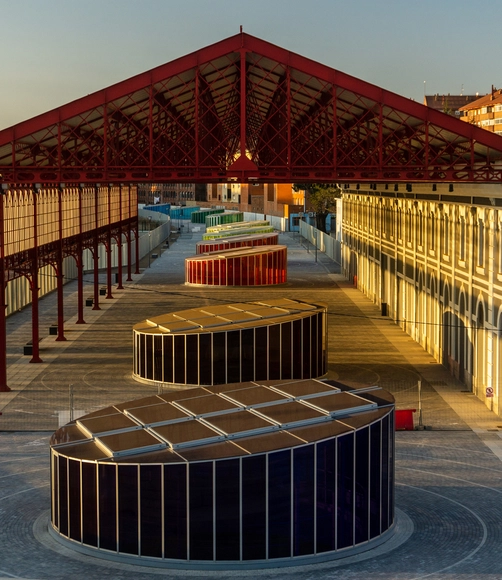
Light and color are intrinsically linked, as color cannot exist without the presence of light. In 1665, Isaac Newton made a momentous discovery when he observed that white light breaks down into different colors as it passes through a prism, creating a spectrum. This discovery laid the foundation for understanding the nature of light and developing color theory, which had a significant impact not only in the scientific field but also in artistic disciplines such as painting, photography and architecture.
https://www.archdaily.com/1001361/laminated-glass-skylights-infused-with-vibrant-colors-the-kaleidoscopic-stationEnrique Tovar
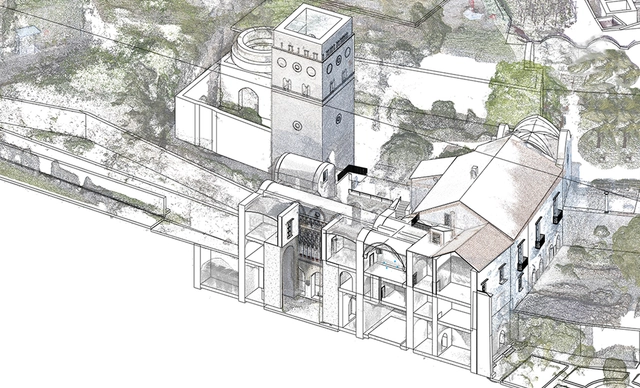
Already known to be a great tool for experiencing a building before it’s built, real-time visualization also serves as an excellent means to understand the history of buildings that no longer exist.
Here’s how two researchers from the University of Salerno (UNISA) retraced thousands of years of existence and unveiled the rich past of Villa Rufolo with the help of real-time visualization.
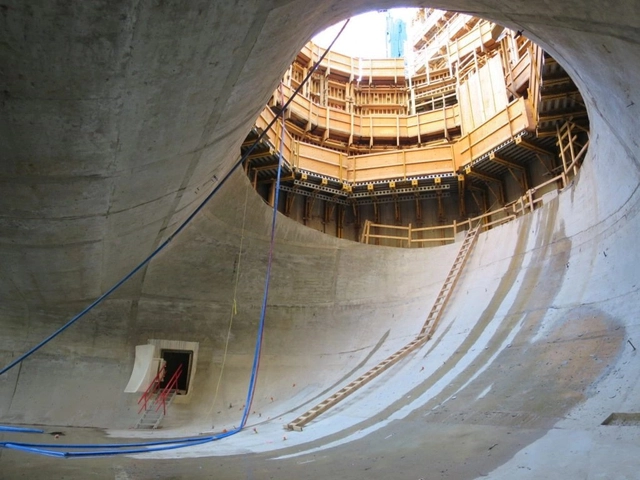
Concrete, second only to water, is the most consumed material worldwide due to its structural strength, ease of handling, and versatility. Comprised of cement, sand, gravel, and water, it is extensively used in construction projects of various scales. However, even this resilient material can deteriorate over time, necessitating maintenance or, in severe cases, demolition. Abrasion and erosion are factors that can adversely affect the appearance of concrete, remove its protective layer, create a rough surface, and potentially lead to structural issues. These challenges are particularly critical in large and complex construction sites, where any irregularities or unevenness can result in significant losses and complications for architects, engineers, and contractors.
Tic Art Exhibition Center / Ann Yu. Image: Ann Yu, 2022. Image Courtesy of A' Design Award
As a designer, it can be difficult to find one's way through the many awards and competitions that currently exist. One award, however, offers a one-stop solution to honor designers, architects and design-oriented companies, anywhere in the world, and with global recognition and publicity. The A' Design Award is an international, juried design competition that spans over 100 categories, from Furniture Design, Architecture, Building and Structure Design, to Landscape Planning and Garden Design, and Bathroom Furniture and Sanitary Ware Design.
Which are the criteria for the regeneration of a former industrial site? Restore to Impact, the international Call for Ideas powered by the Chiesi biopharmaceutical Group, aims to identify innovative, evolutionary and transversal concepts as guidelines for the future regeneration project of its historic industrial site in via Palermo in Parma. In this context, it has defined its guiding principles to evaluate the concepts submitted by April 30th.
Flexibility, adaptability over time, and porosity are understood as the ability to dialogue with the physical and social context. In addition, the quality of the landscape and public spaces are also related to connectivity and sustainability in technological, environmental, economic, business and innovative terms.
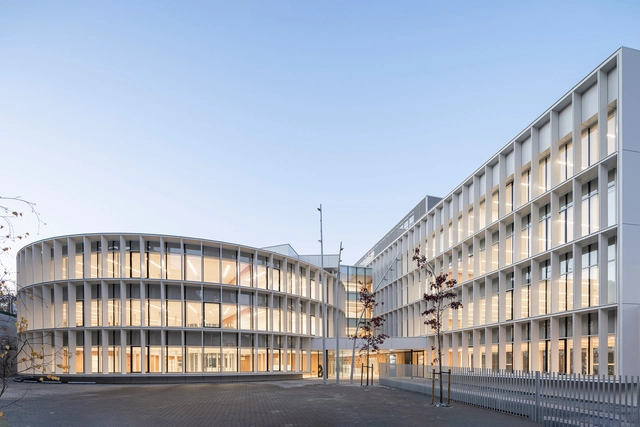
Enhancing the energy performance of existing buildings through refurbishment processes provides the opportunity to create more comfortable and sustainable environments, while also improving their functionality, aesthetics, and safety. Architectural approaches to these renovations encompass various aspects of a building, including interior spaces, structure, internal systems, and facades.
When it comes to rethinking a building's envelope, STACBOND’s composite panel solutions delve into the development of ventilated facades. These facade systems serve as an architectural strategy for energy-efficient building renovations. Minimizing energy consumption for heating and cooling, the rehabilitation strategy incorporates thermal insulation, moisture management, and thermal mass optimization.
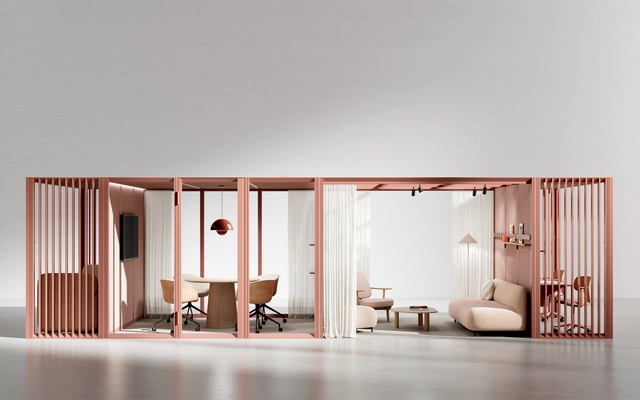
OmniRoom is a new room-in-room system developed by Mute. The product uses patented technological innovations and the benefits of modular architecture to offer a quick and easy solution for building comfortable and reshapable workspaces suitable for new, hybrid work environments. The product has already been recognized with the Mixology'23 Product of the Year award nomination.
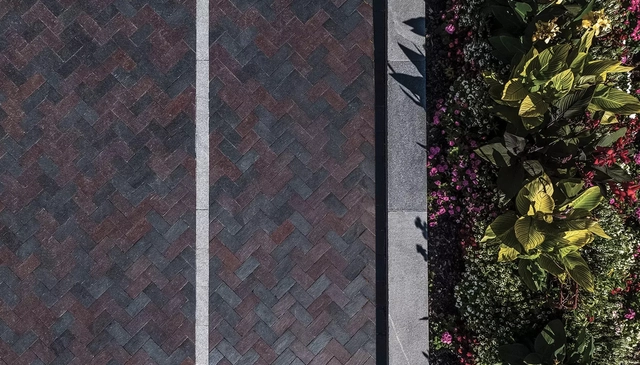
Composed of very fine mineral particles and formed through the weathering and erosion of rocks over long periods of time, clay has properties that make it useful for a wide range of applications. When wet, it becomes extremely malleable and plastic, and can be molded into different shapes. When dry, it is hard and rigid, and is widely used for construction and ceramics. Clay pavers are quite common for outdoor use due to their durability, resistance to weather and traffic, their natural hues and ease of installation.
In medieval cities, walls played a crucial function, acting both as a defense against external threats and as a symbol of power and control, while also regulating local trade. The access to the interior of these cities was strictly controlled by guarded gates, drawbridges, and portcullises, ensuring the free flow of local residents and simultaneously obstructing travelers and potential invaders. While fortified towers and armed guards are now primarily associated with prisons, creating access conditions that promote security, reliability, and practicality remains a challenge for architects and designers, especially in complex infrastructure projects such as airports, hospitals, and educational centers.
The often difficult relationship between art or artists and algorithms will be at the center of an exhibition at the Venice Architecture Biennale, entitled "CHAOS//LOOP 2023". Developed by Christof Babinsky, CEO of ASB GlassFloor, the exhibition will include ten works of art using digital technology and exhibited on LED panels called "Digital Wallpaper," which also extend the scope of architectural design and are now being put into a new context in Venice.
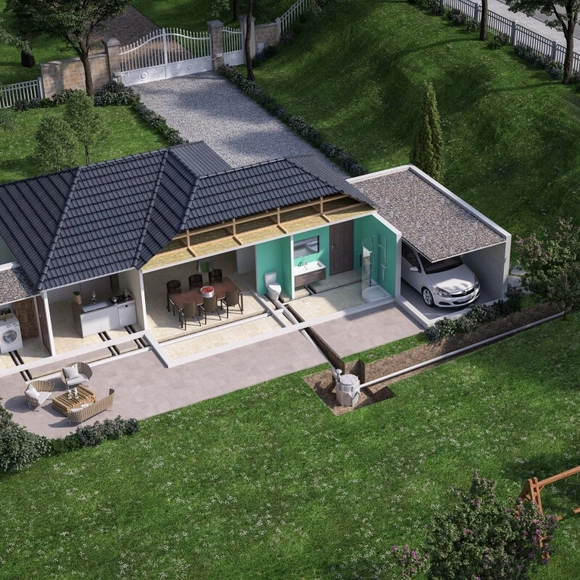
Ancient civilizations like the Egyptians, Greeks, and Romans understood long ago the importance of sanitation and wastewater management, building elaborate sewage systems by using underground drainage channels to carry wastewater away from their cities. These systems relied on gravity to transport wastewater to nearby bodies of water, since water cannot flow upward without being pumped. Today, many sewage systems continue using gravity in a similar way, with a suitable slope that facilitates the flow of wastewater downhill to treatment facilities or other infrastructure. This also occurs inside private lots, where a height difference is needed between the building's piping and the urban drainage or sewage system. But there are times when the available height difference is not sufficient, or when the system is lower than necessary, causing gravity to get in the way, and making the system impossible to function in turn.