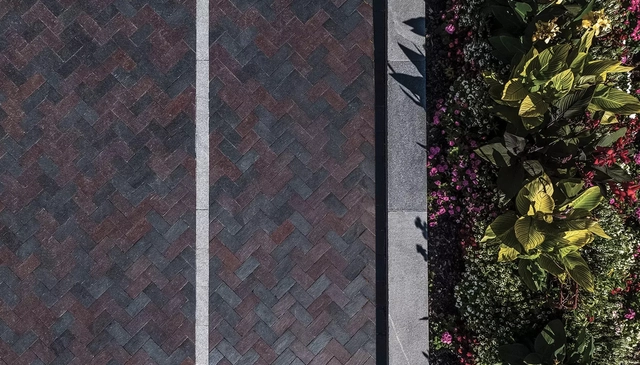
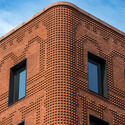
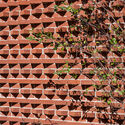
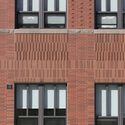
Composed of very fine mineral particles and formed through the weathering and erosion of rocks over long periods of time, clay has properties that make it useful for a wide range of applications. When wet, it becomes extremely malleable and plastic, and can be molded into different shapes. When dry, it is hard and rigid, and is widely used for construction and ceramics. Clay pavers are quite common for outdoor use due to their durability, resistance to weather and traffic, their natural hues and ease of installation.
In medieval cities, walls played a crucial function, acting both as a defense against external threats and as a symbol of power and control, while also regulating local trade. The access to the interior of these cities was strictly controlled by guarded gates, drawbridges, and portcullises, ensuring the free flow of local residents and simultaneously obstructing travelers and potential invaders. While fortified towers and armed guards are now primarily associated with prisons, creating access conditions that promote security, reliability, and practicality remains a challenge for architects and designers, especially in complex infrastructure projects such as airports, hospitals, and educational centers.
The often difficult relationship between art or artists and algorithms will be at the center of an exhibition at the Venice Architecture Biennale, entitled "CHAOS//LOOP 2023". Developed by Christof Babinsky, CEO of ASB GlassFloor, the exhibition will include ten works of art using digital technology and exhibited on LED panels called "Digital Wallpaper," which also extend the scope of architectural design and are now being put into a new context in Venice.
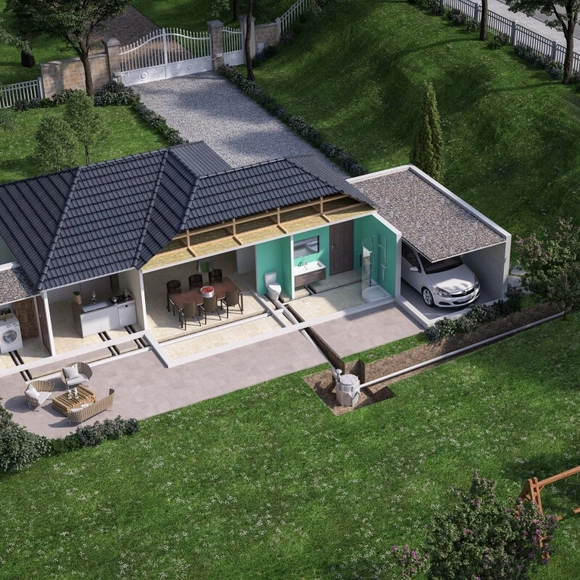
Ancient civilizations like the Egyptians, Greeks, and Romans understood long ago the importance of sanitation and wastewater management, building elaborate sewage systems by using underground drainage channels to carry wastewater away from their cities. These systems relied on gravity to transport wastewater to nearby bodies of water, since water cannot flow upward without being pumped. Today, many sewage systems continue using gravity in a similar way, with a suitable slope that facilitates the flow of wastewater downhill to treatment facilities or other infrastructure. This also occurs inside private lots, where a height difference is needed between the building's piping and the urban drainage or sewage system. But there are times when the available height difference is not sufficient, or when the system is lower than necessary, causing gravity to get in the way, and making the system impossible to function in turn.
Enlace. Image Courtesy of Brick Industry Association
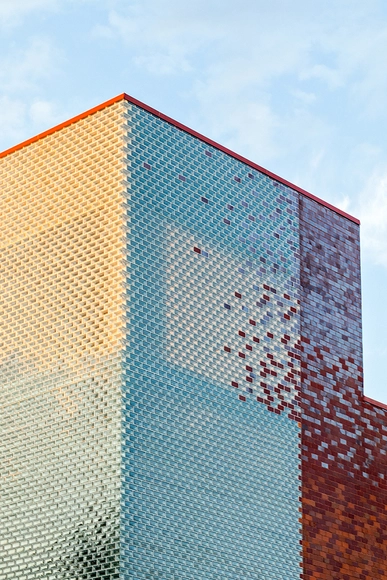
Since 1989, the Brick Industry Association (BIA) has sponsored one of the most prestigious architectural award programs in the US: the Brick in Architecture Awards. As the only national association to represent both manufacturers and distributors, BIA is an authority in the clay brick industry. Throughout the years, the Brick in Architecture Awards has become a premiere architectural award featuring clay brick.
This year, the award introduced a new Thin Brick category, and 45 winning projects spanning the United States, Australia, Canada, China and Germany. As this video shows, winners include nine Best in Class, 10 Gold, eight Silver, 17 Bronze and an overall Craftsmanship Award.
Incorporating indoor-outdoor living into a home isn’t just limited to warm climates and beach front properties. Connecting homes to nature through copious amounts of glass creates serene environments while maintaining stable home temperatures. Below, see how five homes utilize sliding glass doors regardless of the weather, while maintaining energy performance.
As societies evolve, educational facilities also undergo continuous transformation processes to keep up. In terms of their design strategies, they must embrace modern approaches that respond to the changing needs of students and teachers. Including flexible, inclusive, and engaging spaces that seamlessly integrate technological advances, contemporary educational design aims to enhance learning and collaborative work, as well as comfort and wellbeing.
Kalwall focuses on developing forward-thinking solutions for human-centered design that address these evolving needs, while responding to a tight budget. Through a collaborative strategy with architecture and engineering projects, they focus on four ways to design optimal learning environments, including daylight design, energy efficiency, safety, and cost savings through renovation and installation.
Architects often face the challenge of effectively communicating their designs to clients, as architectural design is a complex process that involves numerous technical details and decisions. Current methods of presenting architectural designs, such as 2D drawings or renders can be limiting. In addition, clients may not have the same level of understanding of architectural concepts and may find it difficult to envision the final outcome leading to misunderstandings, delays and costly revisions.
To overcome these challenges, architects have increasingly turned to Virtual Reality (VR). However, the limitations of most Virtual Reality software to show photorealistic designs without requiring complicated VR setups has been a challenge.
Videos
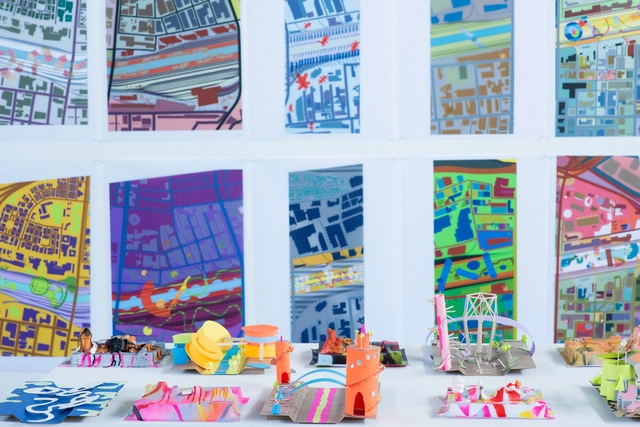
Physical models from the City Block project. Image Courtesy of SCI-Arc
Introducing high school students to their potential future careers is key in helping them to envision how the next years of their lives may be. With an immersive four-week summer program, Design Immersion Days (DID) gives an insight into design and architecture experimentation to high school students. Aiming to inspire their curiosity about architecture, the program’s proposal integrates the introduction of basic design knowledge and critical thinking skills, as well as familiarizing them with the wider architecture and design culture of Los Angeles.
Known for their innovative approach, SCI-Arc is characterized for encouraging their students to take the lead in reimagining the limits of architecture. Through their Youth and Summer Programs, they start building connections –both locally and internationally– with those interested in a future inside the discipline and provide them with design tools and architectural thinking.
On June 27th, join the webinar Sika Pro Talks*: ESD Flooring Trends and Their Impacts. Industry experts will delve into the latest trends, design requirements, and construction techniques for electrostatic discharge (ESD) flooring.
Videos
Albert Park House / Nicholas Murray Architects. Image Courtesy of FritsJurgens
Episode five of Opening Up features Albert Park House and showcases Steel Window Design's fusion of modern elegance and timeless design. This architectural gem captures contemporary living while honoring heritage with meticulous attention to detail.
Architecture is a continually evolving form of human expression influenced by cultural and contextual factors. While many of the problems we face today aren't directly linked to architecture, it has the ability to provide or facilitate solutions to these challenges. This has been evident throughout history, as societal issues have played a significant role in shaping our built environments. For instance, during the Victorian era, the infamous "Great Stink" led to the modernization of London's drainage system and urban layout. Similarly, the 2008 recession gave rise to the sharing economy and coworking spaces. Nowadays, the climate crisis is transforming the way we conceive architecture, seeking to reduce the carbon footprint of buildings and cities to achieve the Paris Agreement objectives. Given this backdrop, what challenges should we expect in the future?
https://www.archdaily.com/1000810/energetic-retrofitting-a-solution-for-environmental-obsolescence-in-architectureEnrique Tovar
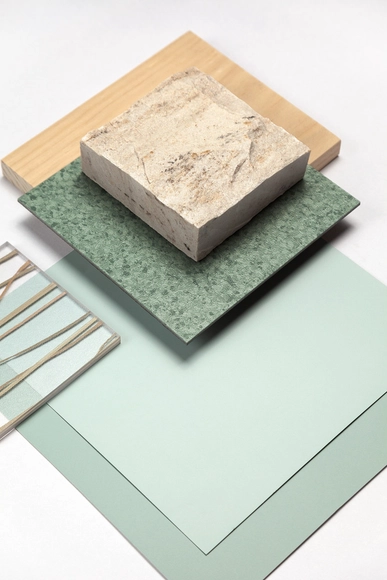
Collecting samples for a project can present a huge time loss for design professionals. To solve this, Swatchbox is out on a mission to help design professionals around the world, by offering a curated selection of interior and exterior samples from global brands in one place, at no cost. The rapidly growing material platform employs a team of architects and designers to curate a range of tile, brick, carpet, and paint finishes through their website and mobile app.
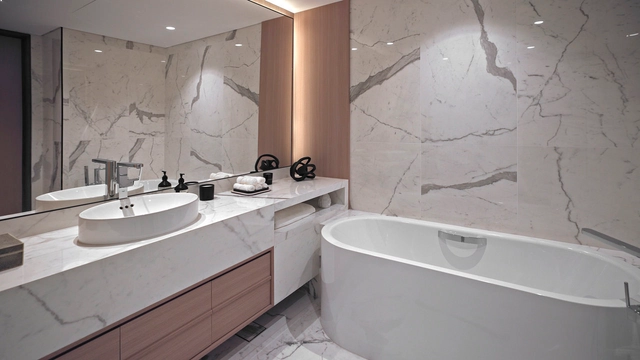
When it comes to buildings, there are several factors that contribute to creating something truly luxurious: attention to detail, use of premium, high-quality materials, and unique designs. Lately, the environmental impact of building decisions has also entered heavily into this equation, and the development of a luxury project requires all steps and products to take sustainability into account. At One Za'abeel, the new addition to the Dubai skyline, the careful choice of all solutions, manufacturers and surfaces had a direct influence on the final look and atmosphere of the building, which aims to be an urban landmark and raise the standard of buildings in the UAE.
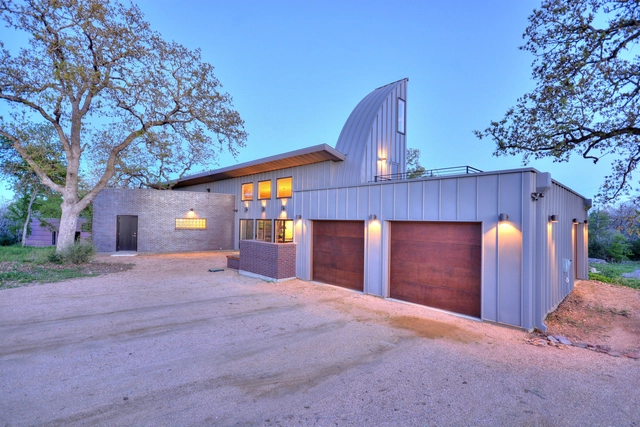
When François Lévy was asked to design a country home on a substantial piece of land, he immediately faced an issue: locating the building in a spot which required as little re-grading as possible while being able to reap the benefits of solar energy. The most desirable location —given site access and a range of mature oaks— would have left the building sitting slightly out of grade. And, if he had chosen the most obvious building orientation (long and narrow with broad elevations facing north and south), part of it would jut out of the ground and some crucial trees would be lost.
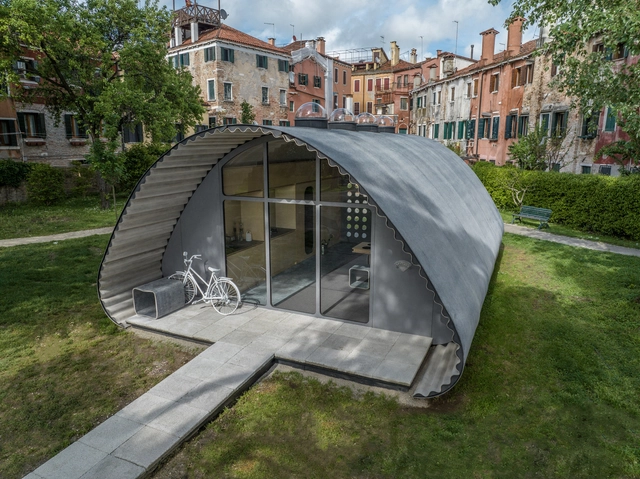
Currently at 103 million, the number of people forcibly displaced from their homes is continuously growing. Many seek shelter in settlements that are meant to be temporary, but where displaced people end up living years, even decades.
The Norman Foster Foundation and Holcim, global leader in sustainable building solutions, came together to form a response to this problem based on two firm beliefs: everyone has the right to a home, and everyone should have access to sustainable building.
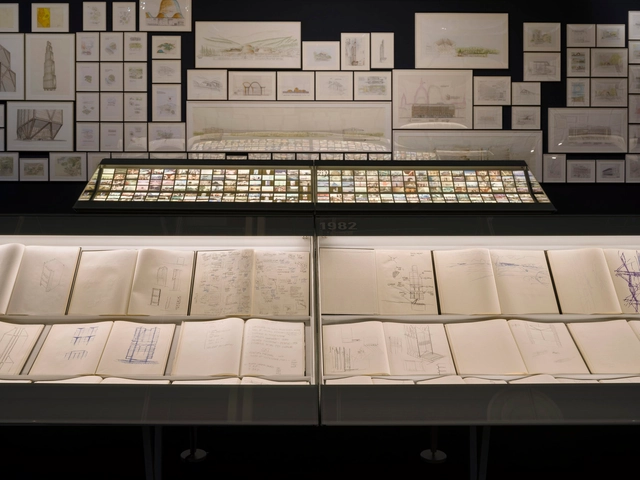
The largest exhibition of Norman Foster’s work to date, hosted by the Centre Pompidou, explores six decades of the architect’s illustrious career through a host of revealing sketchbooks, drawings, images, original models, and videos. The exhibition was designed by Norman Foster and executed with Foster + Partners and the Norman Foster Foundation. A custom-made series of modular display cases was designed by Norman Foster and a team from the Norman Foster Foundation and engineered by Goppion, world leader in the manufacture and installation of museum display cases, to display the architect’s sketchbooks and transparencies.
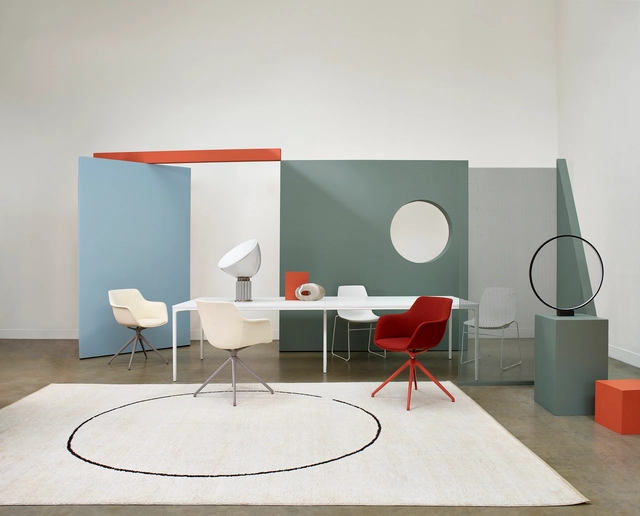
Designing a good chair is a much more challenging task than we might think. To begin with, several factors must be addressed, such as ergonomics, aesthetics, materials, functionality and durability. In addition, it is essential to define the purpose for which it will be used: an office chair has different requirements than a reading armchair or a dining chair, for example. Only when all these elements are carefully balanced and thought-out can you achieve a truly excellent chair. And often, a good design can end up triggering many other variations throughout the years.