Architects and designers can now submit their works to the 2023-2024 cycle of the international A' Design Award. With more than 100 categories to choose from, the award aims to celebrate the best of global design in a variety of disciplines.


Architects and designers can now submit their works to the 2023-2024 cycle of the international A' Design Award. With more than 100 categories to choose from, the award aims to celebrate the best of global design in a variety of disciplines.
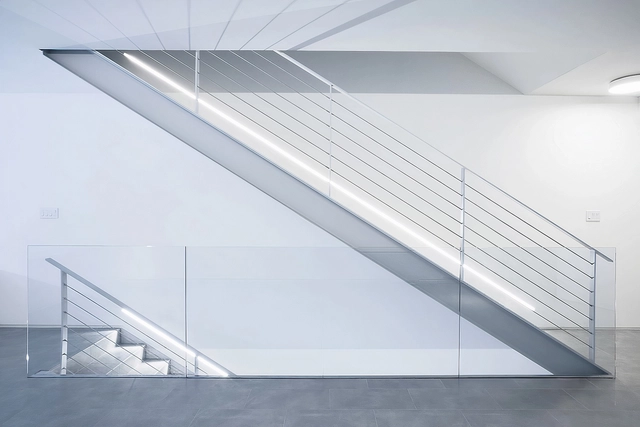
In the world of interior design and architecture, lighting has evolved from a mere functional necessity into a powerful tool for creating pleasant environments, accentuating design elements, and setting the mood for occupants. Embedded lighting systems have been a game-changer in this regard, especially when combined with LED technology, offering countless possibilities to transform spaces. LED strips, in particular, have revolutionized lighting by providing energy efficiency, longevity, versatility, and customization that was previously challenging with traditional lamp-based lighting. They have fundamentally changed how we illuminate homes, offices, and businesses, ushering in a new era in lighting technology.
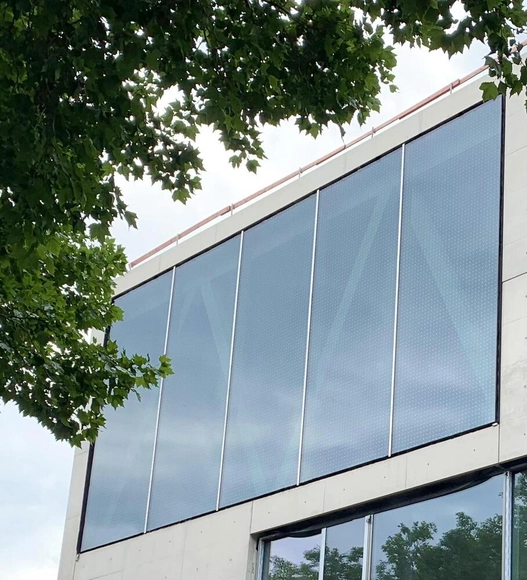
Glass has become a central element in modern architecture with the introduction of new strategies for designing and experiencing buildings. Its transparency and material composition allow for natural light to enter, while creating seamless connections between interior and exterior spaces. However, the prevalence of this material has meant that every year, billions of birds collide into glass structures.
These collisions tend to occur during the migratory pathways of birds, as they fly through cities and are drawn to internal lights in buildings or misjudge outdoor reflections of trees and vegetation, causing a huge number of bird deaths and injuries. In response to this challenge, an increasing number of cities are now introducing legislation that requires new construction to feature bird-friendly glass. Without compromising on the aesthetic appeal of glass, Eastman has developed Saflex™ FlySafe™ 3D Polyvinyl Butyral (PVB) interlayers. This additional layer features a three-dimensional reflective pattern that is highly visible to the bird’s eye from the outside while remaining subtle to the human eye from the inside. Delving into the application of this solution within architectural design, we showcase how The Helios School adopted this strategy.
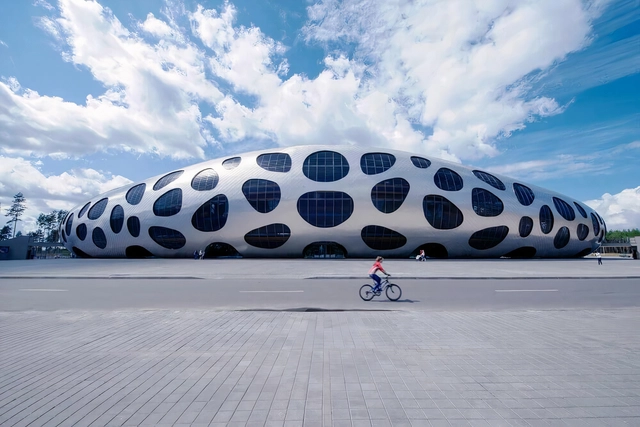
Building envelopes create a physical boundary or shell integrated to the outer skin of a structure, separating indoor and outdoor environments. By assembling architectural components such as walls, roofs, windows and doors, the building is enclosed to provide protection and insulation, playing a determining role in the energy efficiency, comfort, structure, and durability of the project. Through multiple styles and shapes, they are key to giving character to a building, its visual appearance and integration with the surrounding environment.
Maintaining the fundamental functions of an envelope while playing with aesthetic possibilities, Euramax’s tailor-made metal cladding solutions create unconventional, colorful envelopes for designing with innovative geometries, patterns, and configurations.
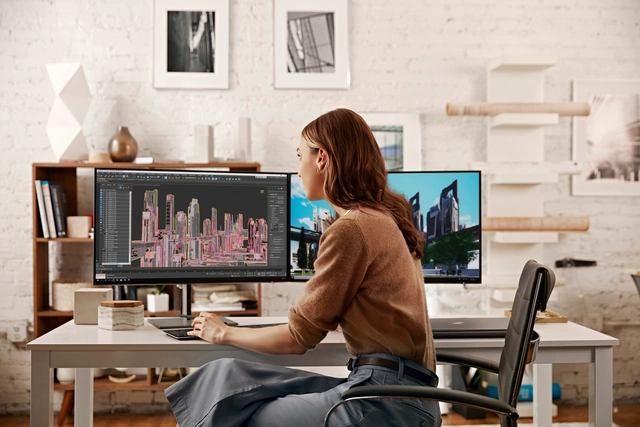
Today, working outside the office has become the norm across industries, changing the way we work and how we interact with team members and clients. Given the potential challenges of working remotely (internet connection and stability, for example), organizations need to build the right systems to maintain productivity and foster the same sense of teamwork and culture found in traditional office spaces. As architects, engineers and construction (AEC) teams know, collaboration is key to driving creativity, and is essential to the successful completion of any design project.
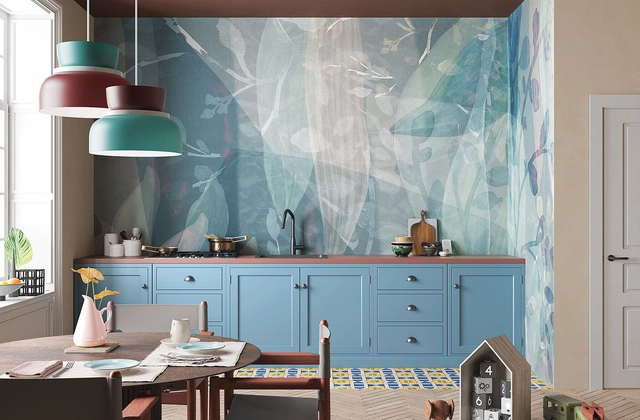
With its range of colors, patterns, textures, and materials, integrating wallpapers can enhance the design strategy of a space. It accentuates walls, adding depth to a room, while also elevating its aesthetics and character.
With this in mind, Inkiostro Bianco experiments and develops new and versatile wallpaper material solutions suitable for interior and exterior areas. Ranging from nature-inspired to contemporary geometric shapes, these wallpapers transform abstract ideas into reality, adapting to both modern and classic interior designs. Pushing the boundaries of traditional materials, EQ Dekor fiberglass wallpapers integrate durability, moisture resistance, and aesthetic characteristics to reach new standards for wallcoverings. But how to incorporate this solution into the design of kitchens, bathrooms, and floors?
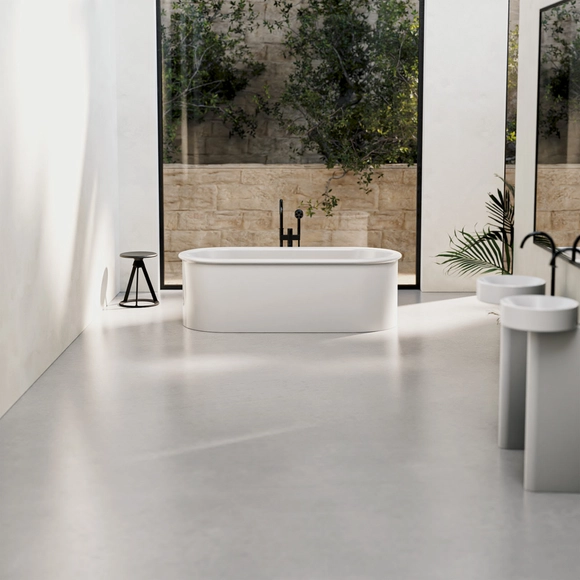
In the realm of architectural design and interior furnishings, achieving a balance between form and function is a daily challenge that designers encounter. This interplay between utility and aesthetics has not only evolved over time but also involves a constant exchange of styles and production methods. Frequently, this interchange leads to standardization and generic designs, potentially causing a depletion of authenticity in the design process.
For this reason, in the contemporary era, designers are revisiting the fundamentals, rediscovering manual design processes that range from sketching to model making, all while embracing pure forms. Designers and manufacturers alike are embracing conscientious approaches to develop proposals that maintain simplicity in design while retaining a distinctive identity. In response to this, Bette, in collaboration with the British design studio Barber Osgerby, proposes the creation of minimalist-style bathrooms through the BetteSuno bathroom collection, stripping away complex shapes and seeking a light visual design.

The Dubai Government, in collaboration with Buildner, has launched the House of the Future competition for ambitious architects and designers from around the world to design a highly-affordable, expandable, revolutionary, innovative, aesthetically-pleasing house suited for modern Emirati needs.
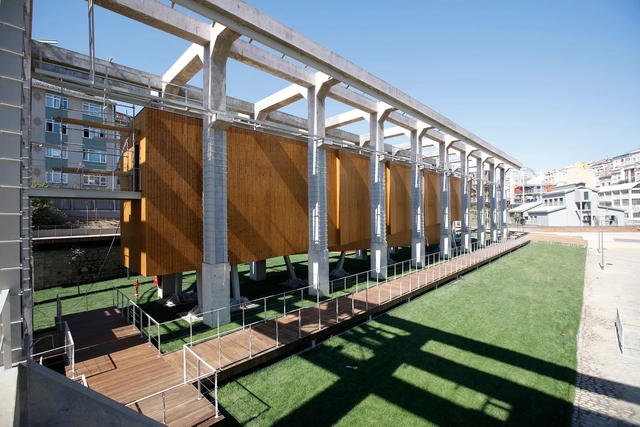
Wood is a material with unique characteristics –such as its natural warmth and tactile quality– capable of providing a sense of comfort and well-being, evoking emotions and memories, and creating a cozy atmosphere in interior spaces. Its versatility allows it to be used in building structures, for solar protection, or as interior cladding, and it can be molded, carved, and jointed to create a variety of forms, from simple to complex designs. When properly maintained and kept in ideal conditions, wood can last for hundreds of years. However, as a natural material, it is susceptible to degradation over time due to biological, chemical and environmental factors, which can result in rotting, cracking, erosion and the loss of physical properties.
To mitigate this issue, there are preservation techniques that aim to improve the durability, stability, and resistance of wood to adverse factors, prolonging its life and performance. Among these techniques are treatments with chemical products, the application of pressure, and thermal modification.
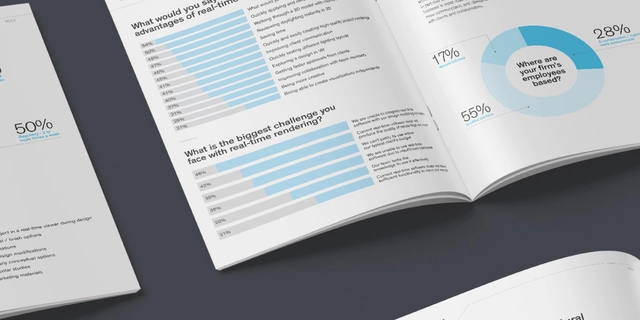
Do you ever wonder what the future holds for architectural visualization? To answer this question and understand the present state and expectations for the future of architectural visualization, over 2,000 architects and designers were surveyed through a commissioned study conducted by Architizer on behalf of Chaos Enscape.
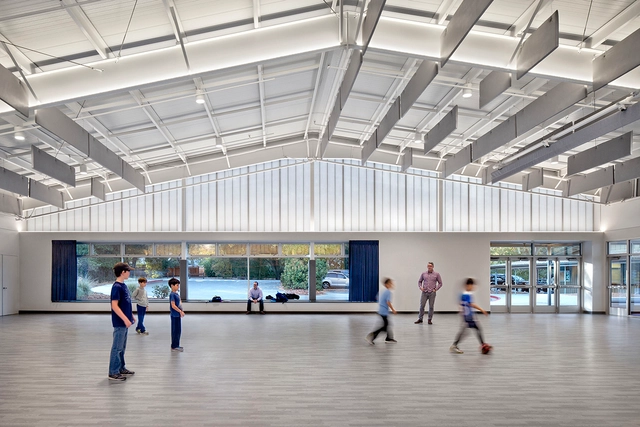
Architects such as Alvar Aalto and Tadao Ando showcase the ability of natural light to shape architectural spaces. Aalto's projects employ extensive glass elements, carefully positioned windows and skylights, harnessing the ever-changing characteristics of daylight. Meanwhile, Ando's Church of Light serves as a striking example of how light can hold profound spiritual significance within a space. Its concrete facade features a symbolic cross-shaped opening, which beautifully and symbolically illuminates the interior, creating a unique spiritual ambiance. In addition to being an essential element that enhances interior aesthetics, natural light profoundly impacts the overall quality of life, promoting better well-being and productivity. By taking advantage of the power of natural light, spaces can reduce their dependence on artificial lighting, leading to greater energy efficiency and a more sustainable design approach.
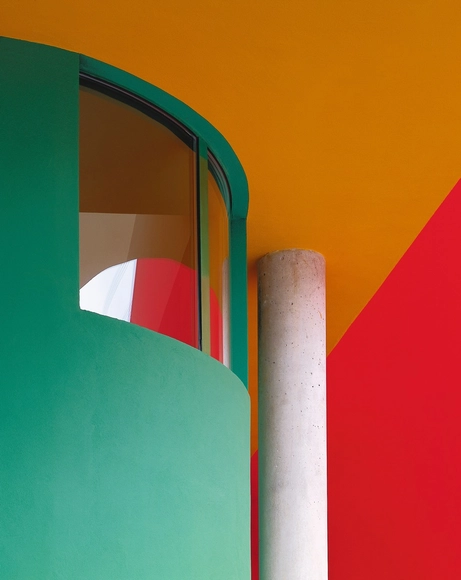
Contrary to popular belief, Roman buildings were not as monochrome as previously thought. Recent discoveries indicate that statues and structures were, in fact, richly adorned with bright colors and exuberant decorations, following the tradition established by their Greek predecessors. This may be surprising, but it shows the presence of color in architecture much earlier than imagined. Color has always played a significant role in shaping the perception and experience of a space, and was prominent in the works of seminal architects such as Le Corbusier and Luis Barragán, for example. Another master of the use of color was Michael Wilford, who, together with his former partner James Stirling gained international recognition with notable public buildings, art centers, museums, and libraries located worldwide. The volumes present in Wilford's architecture are often remembered for their careful use of color, which highlights certain elements and adds other dimensions to the structures.

Grand entrances are the specialty of Bill Alam in episode 8 of Opening up, who is the Director of Sydney-based company Ultimate Doors and Joinery.

Sketching has always been an essential part of the architect’s creative process. Case in point, architect I.M. Pei drafted his preliminary design for the East Wing of the National Gallery of Art on a cocktail napkin.
Modern architectural sketches combine design intent with data and constraints. The sketch grows in resolution as layers of information are added by different stakeholders. Architects today use both tactile and digital tools for sketching. The conundrum has been to choose either the flexibility offered by freeform modelers or the data-richness offered by BIM tools.

The Bachelor of Science in Design* (BS Design) program at SCI-Arc is a 4-year degree preparing students for interdisciplinary creative careers in cinematic design, gaming, and data-based urban planning and design, using architecture as a platform for exploration.
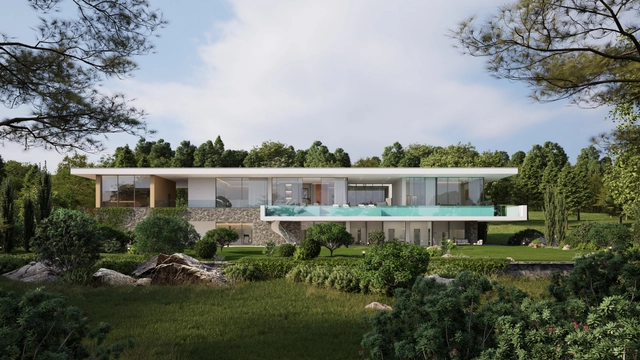
As we stand at the dawn of a new technological era, architects and designers are witnessing a paradigm shift in the industry. The advent of Artificial Intelligence (AI) and collaborative design solutions are transforming the professional landscape, redefining the boundaries between creativity and technology. This article delves into these emerging trends and introduces cutting-edge tools designed to address the challenges inherent in this sweeping wave of innovation, relieving architects from the anxiety of navigating the unknown.
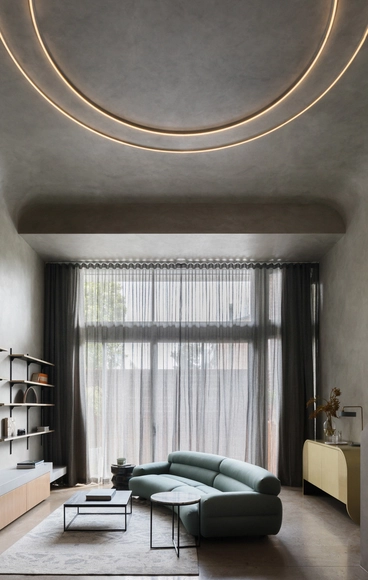
Matt Woods takes pride in "designing for deconstruction," which involves creating spaces and buildings that can easily be broken down at the end of a project. This philosophy is influenced by the high turnover rate in the hospitality industry, where Woods frequently works. He considers factors such as materials and functional elements that can be easily dismantled, such as using screws instead of nails or glues. Woods also focuses on reusing materials from past projects and collaborating with recycling companies to minimize waste.
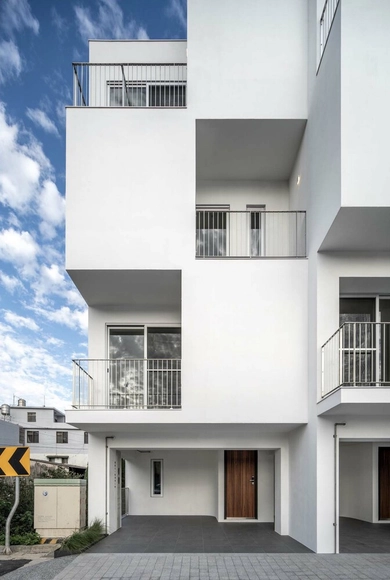
The A' Design Awards recently completed its 2022-2023 cycle, for which it awarded hundreds of projects, in various categories, from around the world. As one of the world's leading international juried design competitions, its objective is to recognize and promote the best in global design, across a number of creative disciplines. With over 100 categories –including Furniture Design; Architecture, Building and Structure Design; Interior Space and Exhibition Design, and more– the award is currently open for entries for the 2023-2024 cycle.