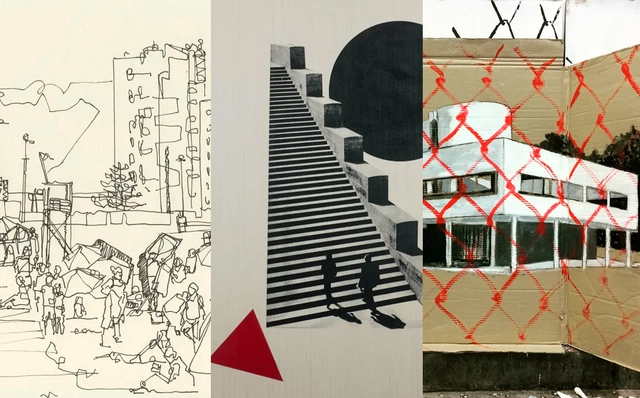
Digitization has revolutionized the way we experience art on platforms like SINGULART, which combines multiple influences from various artists.. Image Courtesy of SINGULART
The relationship between art and architecture is a recurring topic of discussion, seeing as architecture can be positioned at the intersection of structure, technology, and aesthetics. Despite the utilization of technical knowledge, architecture, and interior design also incorporate artistic concepts into their processes. From captivating illustrations during the design development phase to murals and artistic pieces that form an integral part of spatial conception, art plays an essential role in architectural production and society.
In the context of contemporary society, many of our activities are carried out digitally, from booking accommodation for travel to manufacturing materials and creating art exhibitions. In this sense, digitalization has also permeated the art world, conceiving initiatives like SINGULART, which challenges the traditional concept of art galleries by existing in a digital format. This platform combines works from various sources of inspiration and artistic techniques, encompassing everything from sketches and paintings to architectural photography. It fuses multiple influences from various contexts, including architectural work.
https://www.archdaily.com/1006625/from-sketch-to-painting-a-digital-art-gallery-to-inspire-everyday-architectural-workEnrique Tovar
Timeless design possesses qualities that resonate with people on a fundamental level, whether through its simplicity, functionality, emotional impact, or adaptability. It continues to captivate and inspire indefinitely, remaining relevant and cherished across generations. This is the primary ambition of any designer, to endure through their creations over time. Philippe Starck, the renowned French designer, has long been at the forefront of the design world. He emphasizes that "The keywords for the future and ecology are longevity, transmission and heritage." His designs aim to go beyond mere aesthetics, incorporating a commitment to timelessness and a dedication to environmentally conscious practices.
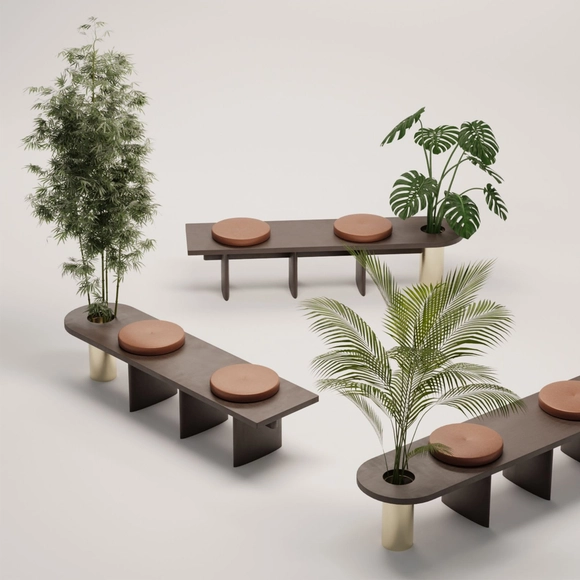
The role and relationship of furniture in architecture and space design are of great relevance. Designers such as Eileen Gray, Alvar Aalto, Mies Van der Rohe, and Verner Panton conceived furniture —primarily stools and chairs— that endure over time as powerful and timeless elements, with a determining impact on the interior atmosphere. Thus, the relationship between furniture and space becomes a constant dialogue in which design, aesthetics, and materials contribute their dimension.
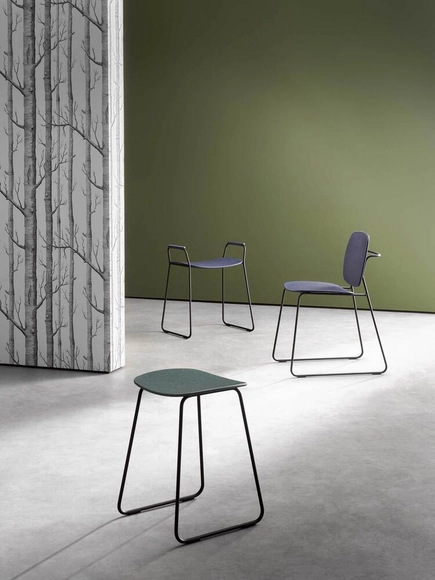
Today, furniture should not be limited solely to fulfilling an aesthetic and functional role, but should also have a purpose in the context of contemporary design and sustainable development. It is essential to reflect on and question the processes and choice of materials in the manufacturing of these elements, in addition to the value they bring to interior spaces. In this context, HEWI has taken a step forward by creating the Re-seat family, consisting of stools and chairs made from post-industrial recycled materials (PIR), sourced in part from the processes of the company itself and a regional supplier, both based in Bad Arolsen, Germany. It also features integrated solutions with universal design in mind, making a statement in favor of innovation and eco-design.
https://www.archdaily.com/1007326/re-purposing-materials-from-post-industrial-recyclate-to-accessible-furnitureEnrique Tovar
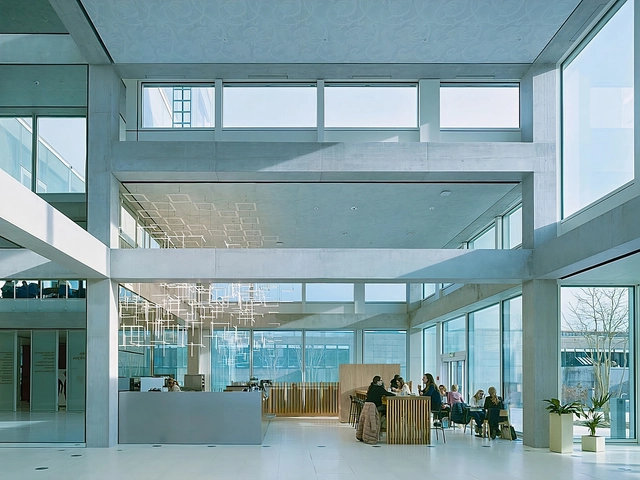
HSG Learning Center / Photo by Roland Halbe. Image Courtesy of Holcim
The need to reduce the construction industry's carbon footprint and its reliance on virgin natural resources is the most pressing issue facing the sector. It is therefore extremely important to foster innovation that can improve existing building materials and make them environmentally friendly, in order to successfully tackle its sizable carbon footprint and close the material loop.
Concrete, for example, has been used since the times of the ancient Romans and has proven to be a durable, strong, affordable and versatile building material. Today, it is the most widely used man-made resource in the world. However, its production methods raise environmental concerns: firstly, due to the high consumption of natural resources such as sand and gravel; and secondly —and more importantly— because of the CO₂ emissions associated with the production of its key ingredient: cement.
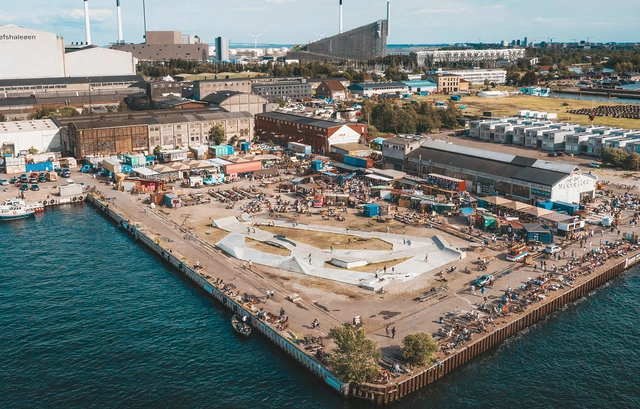
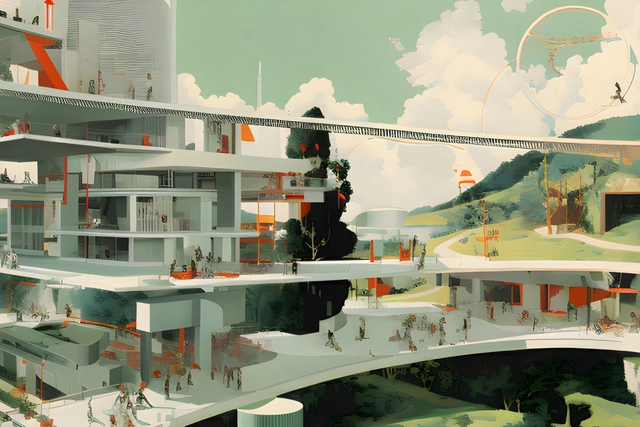
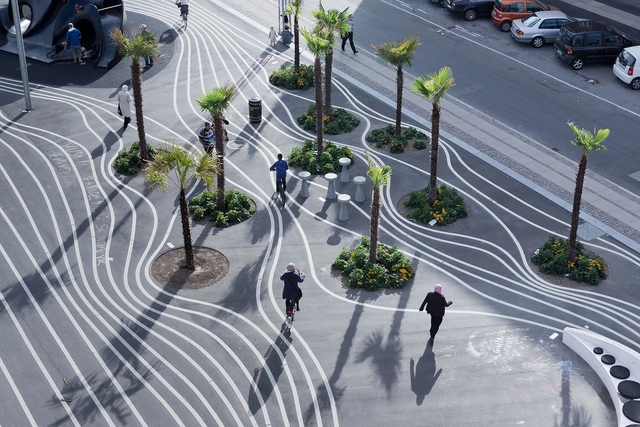
What will cities of the future look like? Or rather, what should cities of the future look like? The classic sci-fi, Star Trek-inspired movies many of us grew up watching painted a picture of flying cars, grotesque steel skyscrapers and urban fabrics far too vast and dense for the human scale. It’s safe to say, however, that the ideal for today’s and tomorrow’s cities has taken a 180-degree turn. New, modern urbanism promotes diverse, mixed-use cities with walkable blocks, sustainable transport and accessible public spaces. Copenhagen, with its pedestrian- and bicycle-friendly streets, idyllic water canals, iconic buildings and overall happy residents, ticks many of those boxes. No wonder the Danish capital has been designated as UNESCO’s World Capital of Architecture for 2023; another testament to the city’s position as a laboratory for innovative contemporary architecture and human-centered urban planning.
When an architect pours their heart and soul into a project, the last thing they want to deal with is an unhappy client, and, consequently, possible litigation.
Risk mitigation remains a top-of-mind concern for architects, no matter how the Architecture, Engineering, Construction & Operations (AECO) industry evolves. New and evolving requirements for firms to double their efforts in identifying potential risks and ensuring the proper documentation is filed to avoid blame, can only go so far.
Welcome to West Hollywood and to episode 9 of Opening up. Talking through his passion project is Denis Devin Donner from the Los Angeles-based company Rudin Donner Design. This transformation started with a mansion lacking a defined entrance and reached its culmination with a gate that frames a beautiful view.
The growth of the world's population has led to an increase in housing and building construction around the globe. Considering that today the construction industry is responsible for 40% of the planet's CO2 emissions, and according to the Chilean Chamber of Construction, by 2035, Chile will need housing for 2.6 million people, it is necessary to guide this sector toward an environmentally friendly alternative. The answer to this challenge can be found in nature itself, where there are various efficient and sustainable construction solutions. Such is the case with wood: a noble and renewable material capable of capturing CO2 and contributing to a better environmental future.
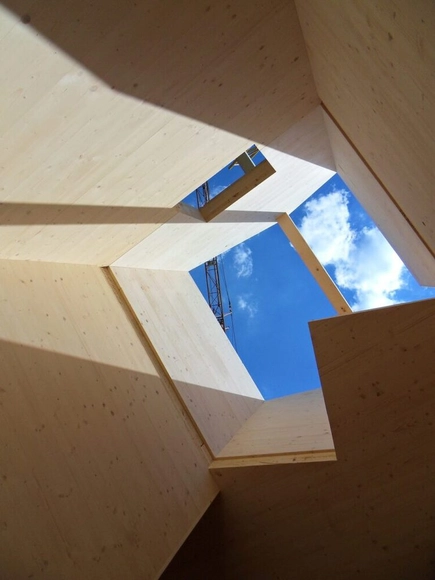
Today, thanks to technological advances, engineered wood or laminated wood, composed of layers of structural wood oriented perpendicularly to each other, has positioned itself as a trending construction material worldwide, and Chile should not be the exception.
In the context of WWI and to address the massive housing shortage resulting from the conflict, the Dom-Ino modular structure, one of the most significant contributions of functionalism and designed by the Swiss designers Le Corbusier and Max Dubois, established concrete premises for a new vision of a lightweight structural model that optimizes the construction process. Thanks to the use of a reinforced concrete slab and column system, the Dom-Ino structure allowed for the flexible arrangement of elements in the floor plan and freed the facade from the limitations imposed by load-bearing walls.
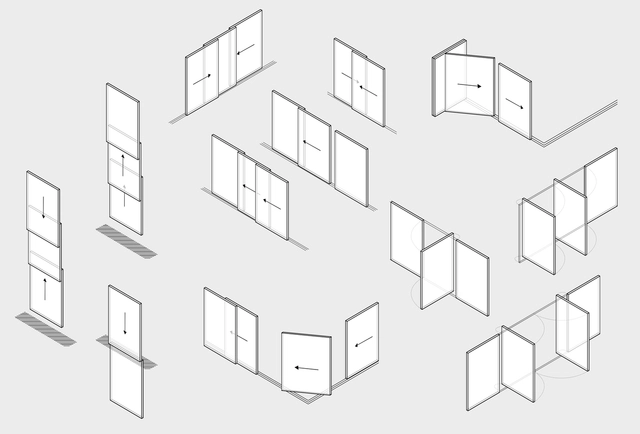
This condition prompted the creation of architectural designs that not only integrated windows as functional elements but also as compositional. Thanks to technological innovations, windows with slender framings and wider openings were achieved, as exemplified in works such as Villa Savoye and Farnsworth House. While these proposals redefined the aesthetics of architecture, the technological limitations of the time presented challenges. Nowadays, the continuous development of windows with improved technical characteristics has led to the concept of the minimalist window, which has inspired three fundamental principles derived from this concept, conceived by Vitrocsa. These principles —transparency, functional variations, and advanced mechanisms— incorporate technological innovations while simultaneously blurring spatial boundaries. Each of them plays a key role in the design of spaces and together they significantly redefine the aesthetics of buildings and interiors.
https://www.archdaily.com/1006485/redrawing-boundaries-the-three-principles-of-minimalist-windowsEnrique Tovar
cove.tool futuristic architecture designed by artificial intelligence, perfected by human creativity. Image Courtesy of cove.tool
Artificial Intelligence (AI) is poised to shape the future of architecture. As the AEC (Architecture, Engineering, Construction) industry rapidly evolves, AI matches the momentum. With these simultaneous evolutions, a burning question arises: will architects continue to be the primary creators of our built environment, or will AI dominate?
When an architect conceives the opening of a space, the primary objective is to create a frame that enhances the views, optimizes the entry of natural light, and makes the most of the illumination it provides. In this context, we often seek to maximize the proportion of glass, reducing the presence of frames and profiles to a minimum, thus expressing the growing desire for perfect integration between indoor and outdoor environments. To adequately meet this demand, architects and manufacturers are constantly searching for solutions that minimize the visual obstruction caused by structures, pushing the boundaries of what is technically and statically feasible toward minimalist window frames and profiles.
The Brick Industry Association (BIA) has opened entries for the international 2023 Brick in Architecture Awards, featuring a new category for thin brick projects as of last year. Projects will compete for a Best in Class, Gold, Silver, or Bronze award in nine different categories, with only one project earning the Craftsmanship award each year.
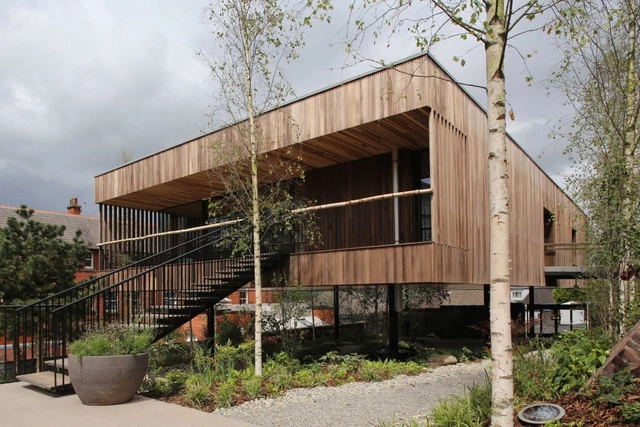
Timber, harvested and prepared for construction, is a durable material known for its strength and versatility. It serves as an architectural element in structural systems, framing, cladding, decking, and flooring. Although it possesses a warm and natural character that creates an aesthetic appeal, the inherent humidity of timber can cause wood deformation, leading to bending, mold, and rot once the moisture content reaches 23%. However, with the development of new products and production techniques, Thermowood –also known as Thermally Modified Timber– has emerged as a method for creating natural, chemical-free solutions made from certified raw materials.
By reducing moisture content, it does not rot or mold, it experiences no longitudinal shrinking, and ensures high dimensional stability, resulting in a minimum biological life span of 25 years. After analyzing how to apply these solutions in architecture and design, we will showcase indoor and outdoor spaces featuring Tantimber’s Thermowood products.
The Best Pivot Door Contest celebrates the transformation of grand ideas into tangible creations that redefine beauty. It is not only about recognizing excellence, but also inspiring and encouraging the industry to continually push the boundaries of design and innovation.
The contest invites architects, designers, door makers and partners to showcase their finest FritsJurgens pivot door projects. The aim is to honor the fusion of craftsmanship and creativity, emphasizing the elegance and functionality of pivot doors.
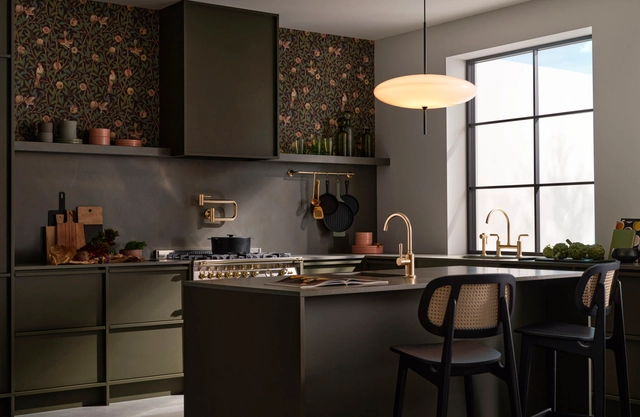
VAIA - Brushed Durabrass (23kt Gold). Image Courtesy of Dornbracht
Arguably, kitchens are spaces in which the interplay of elements establishes a delicate balance in their composition; design, materials, and fittings, all of which collaboratively shape the interior environment. It is, therefore, not surprising that they often become the focus of ongoing discussions. The cultural and utilitarian role of kitchens in our lives is so important that their influence transcends mere architecture, becoming an object of artistic and historical exploration. In this way, both kitchens and the elements that comprise them have evolved and changed in style—from the robust kitchens of the 19th century to the innovations that originated in the Frankfurt kitchen in the 20th century.
The domestic landscape can transform on a daily basis, and fittings are no exception as they adapt to changing stylistic influences and needs. Today, kitchens incorporate both, traditional and contemporary elements within the same space, creating a language that connects and seamlessly transitions between these influences, thereby enhancing one another. In this context, Dornbracht has conceived VAIA, a series of fittings developed by Sieger Design, which fuses tradition and modernity in contemporary kitchens through fine lines, stylized silhouettes, and flowing transitions.
https://www.archdaily.com/1006333/classic-and-avant-garde-kitchen-fittings-that-balance-tradition-and-modernityEnrique Tovar
Copenhagen is a living testament to its architectural legacy, innovative urban development, and commitment to sustainability and liveability. The city inspires the whole world with its quality of urban life, made up of efficient and intelligent mobility systems, along with vibrant and interesting public and private spaces. It is in this context that the city has been awarded the title of World Capital of Architecture by UNESCO for 2023, and hosted the World Congress of the International Union of Architects. These milestones represent unique opportunities to highlight the crucial role of architecture and urban planning in building a sustainable future, establishing the city as a prominent international forum for discussing crucial issues related to the urban environment and the ongoing search for innovative solutions.
Visit Copenhagen has developed a series of four videos to explore the city's architectural wonders, guided by local architects. In the first one, which you can watch below, Danish architect Dan Stubbergaard –founder of Cobe– takes us on a captivating tour of Copenhagen, sharing his insights into what makes the city truly exceptional for its inhabitants.
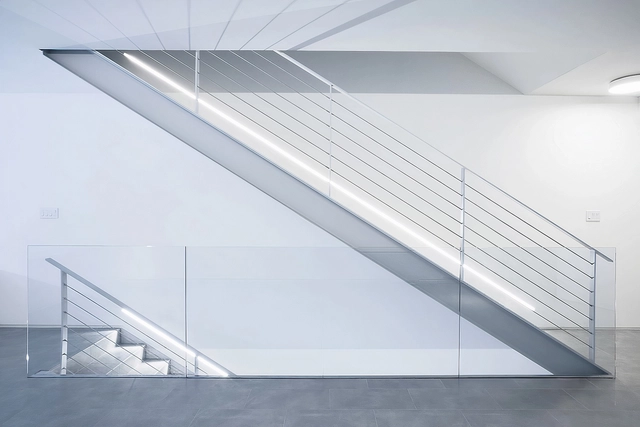
In the world of interior design and architecture, lighting has evolved from a mere functional necessity into a powerful tool for creating pleasant environments, accentuating design elements, and setting the mood for occupants. Embedded lighting systems have been a game-changer in this regard, especially when combined with LED technology, offering countless possibilities to transform spaces. LED strips, in particular, have revolutionized lighting by providing energy efficiency, longevity, versatility, and customization that was previously challenging with traditional lamp-based lighting. They have fundamentally changed how we illuminate homes, offices, and businesses, ushering in a new era in lighting technology.