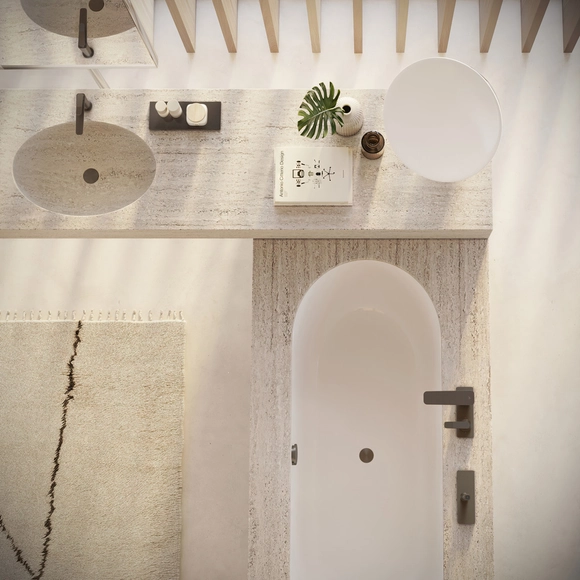
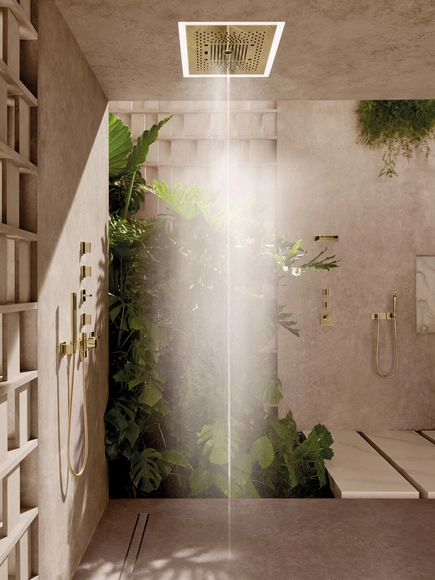
Italian architect and designer Antonio Citterio is renowned for creating spaces that transport individuals to a mood as much as a physical place. He’s a designer of sets and a storyteller as well as a creator of objects. As he says: “I always imagine the product in a movie set, an ambiance where people interact with the product and the space.” His latest collaboration with AXOR—a collection of distinctive bathroom fixture designs—is a paradigm of his craft, expanding the idea of the objects into idealized "light box" domestic spaces, in which they feature. One of these spaces is his "Nature Bound Vacation Home" concept.
https://www.archdaily.com/1016627/a-bathtub-and-sink-in-a-single-sculptural-element-antonio-citterios-vision-for-a-nature-retreatMark C. O'Flaherty
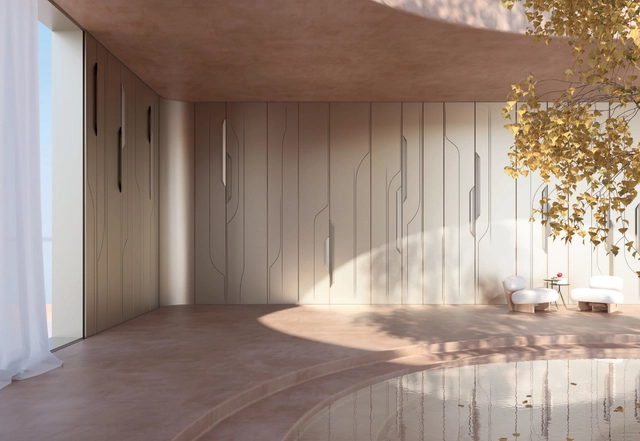
Architecture opens up new perspectives, leads the eye across endless expanses and gives a deep sense of absolute freedom. In the Cole Residence, a fantastically situated estate high above Los Angeles, these qualities merge together. A dance transports the audience to another world.
Conceived by Sky-Frame, a leading international supplier of frameless sliding door systems, the film—directed by Boris Noir—conveys the attitude to life that the brand wants to convey with its products. The architecture of the buildings we live in influences how we perceive our environment, how we move around in it and how we shape it. A view, not a window.
Chroma Pool. Image Courtesy of Courtesy of Agrob Buchtal/photo: Rasmus Hjortshøj
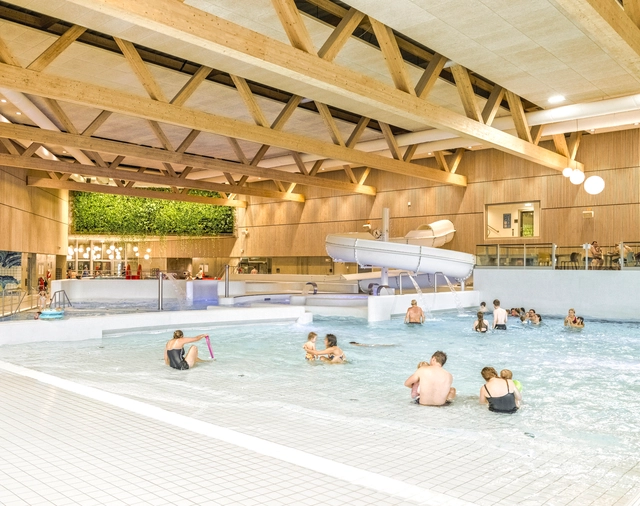
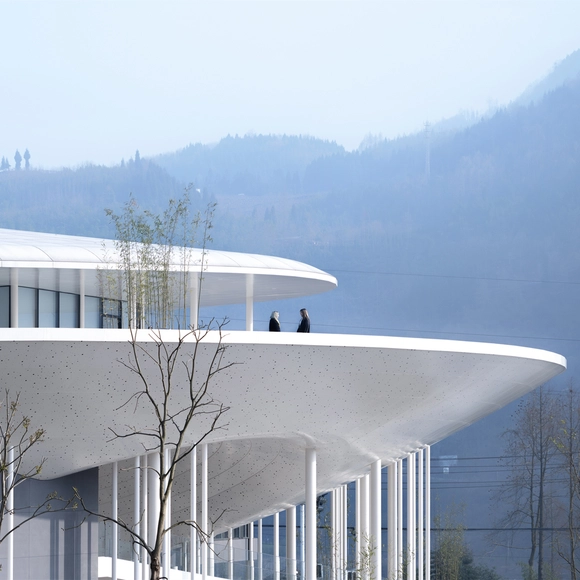
Tinnerbäcksbadet, a leisure center established in 1965 on the shores of a lake in Linköping, Sweden, was showing signs of aging. To revitalize the area and meet the ever-changing demands, the city launched an international architectural competition for a new facility. The winning design, conceived by the Danish firm 3XN, blends modernity and functionality. This integration into the surrounding urban landscape, with the new structure serving as a focal point in a newly reimagined neighborhood square, was crucial to the project's success.
However, it is in the material details and subtle undulations of its layout that the genius of the design is revealed, guiding visitors and users to the indoor spaces and verdant extensions surrounding the bathing lake. The project exudes warmth and sophistication with its palette of natural, earthy colors, through the extensive use of exposed wood, concrete, and ceramic tiles. Manufactured by Agrob Buchtal from natural raw materials, these tiles contribute to the space's elegance while promising longevity, a hallmark of truly sustainable architecture. Covering 18,000 m², the ceramic surfaces play a fundamental role in promoting visual comfort and unifying the entire structure.
In pool design, one big challenge is to make sure that the pool blends in with the rest of the architecture. If it is being designed from scratch, the materials must meet the necessary design criteria, as well as the technical requirements of areas exposed to the elements and in direct contact with water.
These were the premises that Sebastián Arquitectos took into account in this project for a villa—Casa EA!—, using a single floor tile collection by Gres Aragón. Set in the midst of Litago nature reserve, at the foot of Mount Moncayo in Zaragoza (Spain), the villa blends in beautifully with its surroundings.
According to Norman Foster, "as an architect you design for the present, with an awareness of the past." In this sense, present-day architecture, interiors, and furniture have undergone a radical evolution in recent years, driven by a paradigm shift in the conception of space and our interaction with it. This contemporary approach has steered us towards less constrained, more collaborative, and multi-purpose spaces, which can also provide privacy and functionality. In addition, they must serve as temporary workspaces in specific contexts, adapting to the dynamism of contemporary needs and activities.
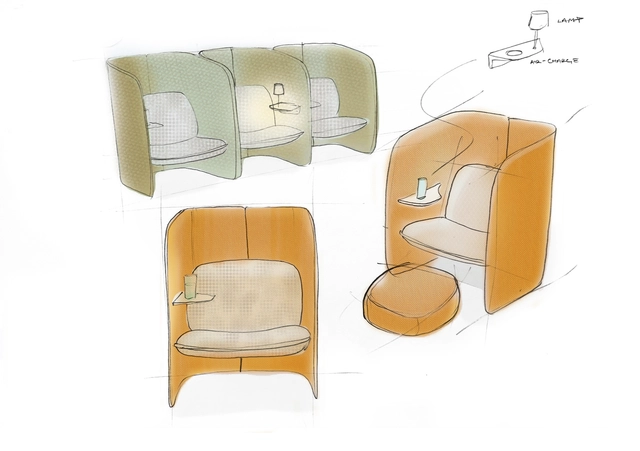
From this new approach, architects and designers are reshaping interior environments to accommodate new behaviors, facilitating the discovery of renewed ergonomics in human activities. Today, architectural thinking is merging to create spaces that enable conducting our lives in motion, a trend particularly evident in dynamic environments such as airports, encompassing intimate and social moments with people on the move. Consequently, a new kind of furniture has re-emerged, becoming commonplace in airport settings and other shared spaces: the booth.
https://www.archdaily.com/1016389/a-new-level-of-functional-privacy-in-airports-the-rise-of-lounges-and-work-cabinsEnrique Tovar
A flat or low slope roof assembly consists of several components that need to work together efficiently and consistently to offer a long-term, sustainable solution. While the roofing membrane is often the top and therefore most visible layer, what lies under it has a significant impact on the overall roof performance. Choosing the adequate and most sustainable materials (and ensuring their proper installation) is what makes a roof stand the test of time and be ready for the challenges of the future.
Whether it’s excitement or caution, there’s no escaping the buzz of AI in architecture. It offers architects and designers the power to innovate, streamline, and create a built environment that’s equally functional as it is visually appealing.
However, when a technology is this revolutionary, it should come as no surprise when concerns are raised. The loss of creativity, job displacement, and ethical dilemmas are just a few examples of concerns about the adoption of AI in architecture.
To understand what the industry really thinks about AI, over 1,200 architectural professionals were asked about how they are using it in their daily practice. We delved into how it influences design processes and workflows and what they think the technology’s impact means for the future of the profession.
In a new collaboration, Trimo and Pininfarina have introduced the Qbiss Notch Wall System, setting a new standard in architectural design. This partnership marries Trimo's expertise in engineering with Pininfarina's legacy of design innovation, presenting a prefabricated modular metal wall system that promises to redefine the aesthetic and functional landscape of modern architecture.
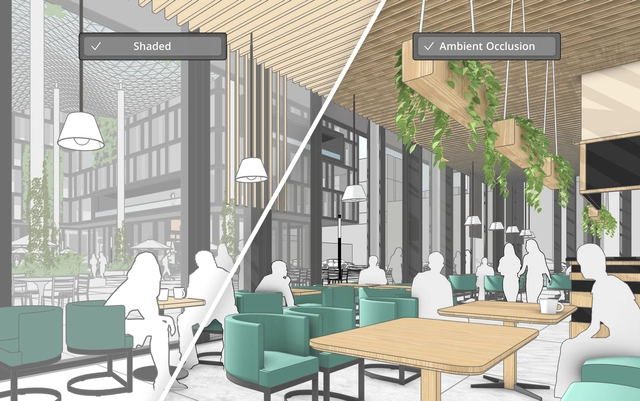
More realistic visuals and expedited as-built modeling workflows (directly on iPad with Scan-to-Design [Labs]) are part of the latest release of SketchUp architectural design software. The 2024 version includes performance upgrades to boost productivity, ranging from a new graphics engine to easier ways to share ideas with stakeholders.
The A' Design Award and Competition was established to promote and recognize the best in design worldwide, in all creative disciplines. The award is aimed at designers, innovators and companies that wish to stand out and attract the attention of the media, editors and buyers. These aspects are especially important in the world of design, where millions of products and projects are launched, and often end up being swallowed up and not receiving due recognition. To address this, hundreds of projects are submitted every year with a focus on innovation, technology, design and creativity. It offers a chance for recognition, with the valuable curatorship of a renowned jury and the possibility of a successful international launch. The A' Design Award contains a series of public relations, advertising and marketing services to celebrate the success of its winners. In addition, and unlike other design awards, it is completely free of charge.
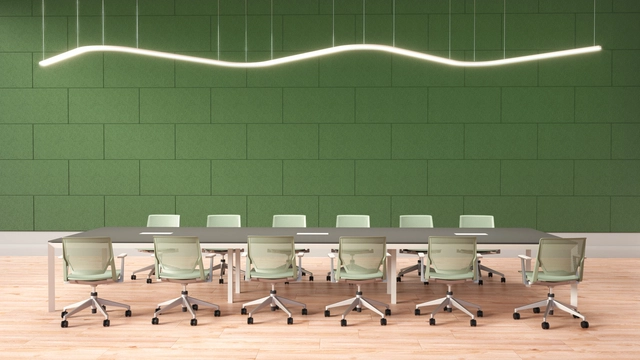
Throughout history, the undeniable interrelationship between sound and architecture has shaped users' experiences. From auditoriums to offices, cultural centers, and schools, acoustics in architecture can manifest itself in two ways: as a determining element of a structure's shape and as a material. When discussing aesthetics, the latter aspect is particularly relevant, as any material that forms part of a composition aims to have a cohesive design with the rest.
Integrating acoustics through materials presents a significant challenge, as certain attributes such as color, texture, or dimensions may hinder harmonization with the overall design of the space. This can unbalance the experience of the environment, since, although the acoustics are improved, the interior atmosphere is negatively affected. This situation highlights the importance of selecting the right material that can enhance acoustics while maintaining the coherence of the design.
https://www.archdaily.com/1015929/acoustics-that-blend-performance-with-aesthetics-why-material-choices-matterEnrique Tovar
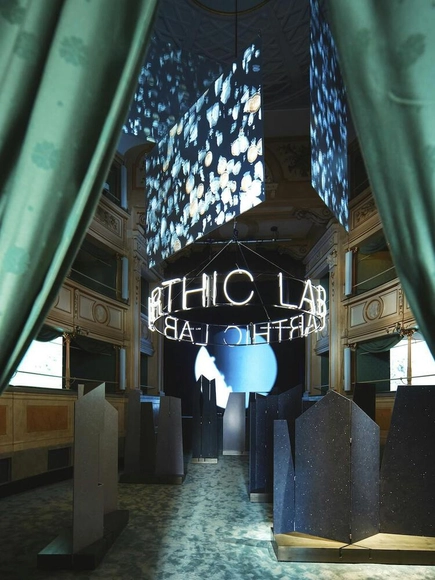
During Milan Design Week 2024, Lasvit presented its mastery in glassmaking and creative approach to design and architecture, with their latest installation "Re/Creation." Held at the Palazzo Isimbardi, the expert in hand-made glassmaking had various unique creations on display, leading with "Porta" as the centerpiece, conceived by Lasvit’s Art Director Maxim Velcovsky. The monumental piece highlighted the company’s expertise in using the fused glass furnace and its journey in redefining the relationship between glass and architecture.
"Re/Creation" emerged as a central attraction for visitors, offering a space for relaxation. Drawing inspiration from the fluidity of molten glass, the very title signifies a technique inherent in fused glass craftsmanship, where the material is allowed to organically flow into a predetermined shape guided by gravity. Within this tranquil setting, creatives were encouraged to unwind, fostering an environment conducive to rejuvenation and creative exploration.
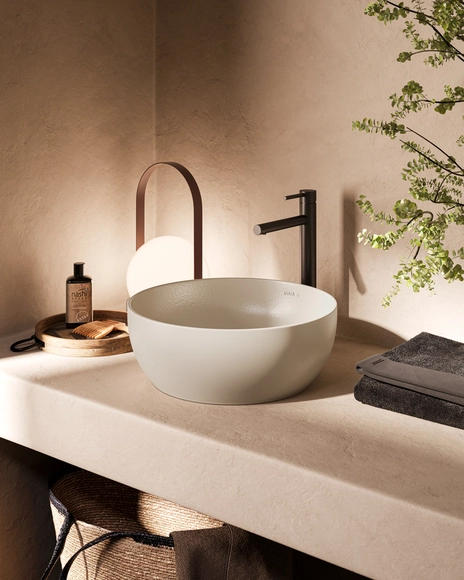
Recycled Ceramic Washbasin. Image Courtesy of VitrA
Producing sustainable materials and products demands constant analysis of how we conserve resources and manage waste effectively. This unfolds within a scenario where the environmental impacts of global warming and the climate crisis are becoming increasingly evident. In that context, sustaining the dialogue on waste disposal is fundamental to positively impacting our environment and maximizing circular economy opportunities.
Embracing this perspective and demonstrating a commitment to sustainability through waste reduction and resource conservation, VitrA has created an entire washbasin with 100%* recycled waste materials, including discarded ceramics from its production process. This innovative product has been designed to have a minimal environmental impact and reduce the global warming potential of its production by 30% per product, transforming materials once considered waste into valuable resources.
https://www.archdaily.com/1016103/repurposing-discarded-waste-materials-into-a-100-percent-star-recycled-washbasinEnrique Tovar
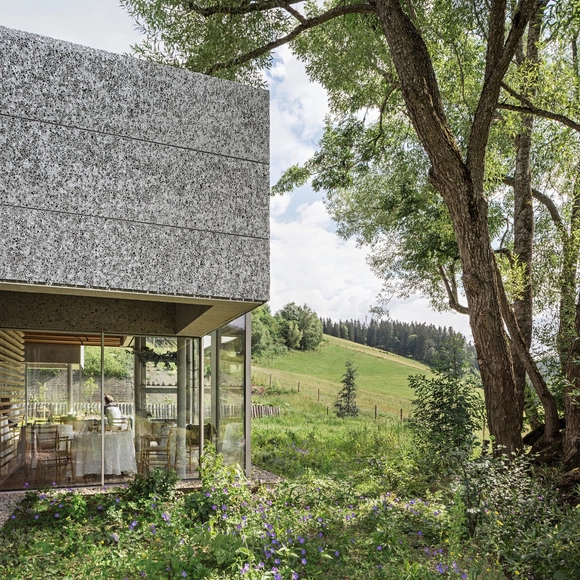
The use of contrast is an essential practice in both cuisine and architecture, whether it's harmonizing different aromas and flavors or integrating buildings from different eras. This principle comes to life in a striking way at the top of the imposing Austrian Alps, where the Steirereck am Pogusch restaurant strives for culinary excellence, architectural mastery and the fusion of tradition and innovation. Under the guidance of PPAG architects, the establishment has undergone a revitalization and expansion marked by a deep respect for nature, while making a bold statement of contemporary design.
Water is fundamental to human life on several levels, and encompasses a spectrum of meanings that transcend the biological sphere, reaching the cultural and spiritual spheres. Biologically, it is indispensable, making up approximately 70% of our bodies and playing a central role in our physiological functions, from temperature regulation to vital cellular processes. Culturally and spiritually, water has deep significance, symbolizing purification, renewal and spiritual rebirth in a multitude of rituals and ceremonies performed in different cultures over the centuries.
In architecture, the presence of water is equally important, going beyond its basic cleansing function to encompass a rich diversity of meanings and influences. From the majestic Roman baths, where water was used for hygiene and also represented social status, offering moments of entertainment and relaxation; to contemporary bathrooms, where water is skillfully integrated to create luxurious and invigorating spa experiences. Its presence goes beyond the functional aspect and is also deeply symbolic. Evoking feelings of purification, renewal and serenity, water enriches architecture with an emotional and aesthetic dimension that transcends the boundaries of time and culture.
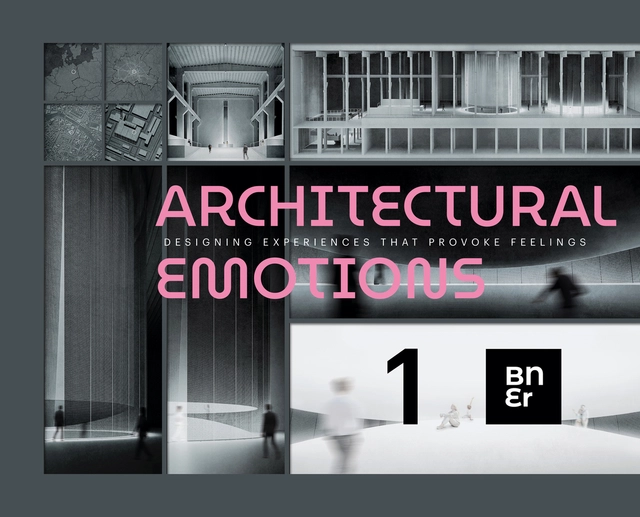
Buildner has announced the results of its Museum of Emotions Competition, an annual international design competition that tasks participants with exploring the extent to which architecture can be used as a tool to evoke emotion.
The brief calls for the design of a conceptual museum with two exhibition halls: one designed to induce negative emotions; the other designed to induce positive emotions. Participants are free to choose any site of their liking, real or imaginary, as well as choose the scale of the project. The meaning of "positive" and "negative" is up for interpretation: What two emotions might a designer consider contrasting? How might an architect conceive spaces that elicits fear, anger, anxiety, love or happiness?
Ombú, Madrid, Spain / Foster + Partners. Image Courtesy of the Wood Design & Building Awards
The 2024 Wood Design and Building Awards program is now open for submissions, inviting entries from talented architects and designers across North America and around the globe who are setting new standards of excellence in wood architecture. The Wood Design & Building Awards program recognizes design teams that are passionate about celebrating wood as a sustainable, versatile, and sophisticated building material. The program offers the chance to showcase innovative work and be part of a prestigious celebration of wood design.
Milan Design Week is a celebration of creativity, innovation and excellence in design, captivating audiences from all over the world. It is an event that encompasses various design-related exhibitions and activities in Milan, while Salone del Mobile is Milan Design Week's main trade fair focused specifically on furniture and interior design. Every year, the city is transformed into a vibrant hub where designers, architects, artists and enthusiasts converge to explore the latest trends, ideas and innovations in the world of design. The instance is a catalyst for inspiration, promoting dialogue, collaboration and discovery across a range of design disciplines, from furniture and interior design to architecture, fashion and more.
In 2024, the event witnessed a strong presence of Spanish brands among the many exhibitors. This impact was fostered by ICEX (Spain Trade and Investment), a Spanish government agency responsible for promoting the internationalization of companies and the expansion of the country's exports, providing support and services to companies looking to enter or expand in international markets. In addition, the institution organizes trade missions, participates in international fairs and exhibitions and provides training and consultancy services to Spanish companies looking to succeed in the global market. Here is a summary of the exhibitions and activities of seven outstanding Spanish brands at the various events that took place during the week of April 15-21, 2024 in Milan.